2026 Best Industries Using Laser Marking Machines for Business?

Time:2026-07-11 Author:Madeline
0%

As industries evolve, the question of "what industries use laser marking machines" becomes increasingly relevant. According to expert Dr. Emily Chen, a leading figure in laser technology, “Laser marking has transformed manufacturing by providing precision and efficiency.” This innovation is reshaping various sectors, highlighting the versatility of laser marking machines.

Manufacturing, automotive, and electronics are among the primary users of these machines. For instance, in manufacturing, laser marking is pivotal for product identification. It ensures accuracy and durability in production lines. Similarly, the automotive industry relies on laser marking for labeling components, enhancing traceability.

However, while the benefits are substantial, some businesses struggle with the initial investment and adoption of laser technology. This reflects a need for greater understanding and adaptation within certain industries. The potential of laser marking machines continues to grow, suggesting a future where more sectors can leverage this tool effectively.
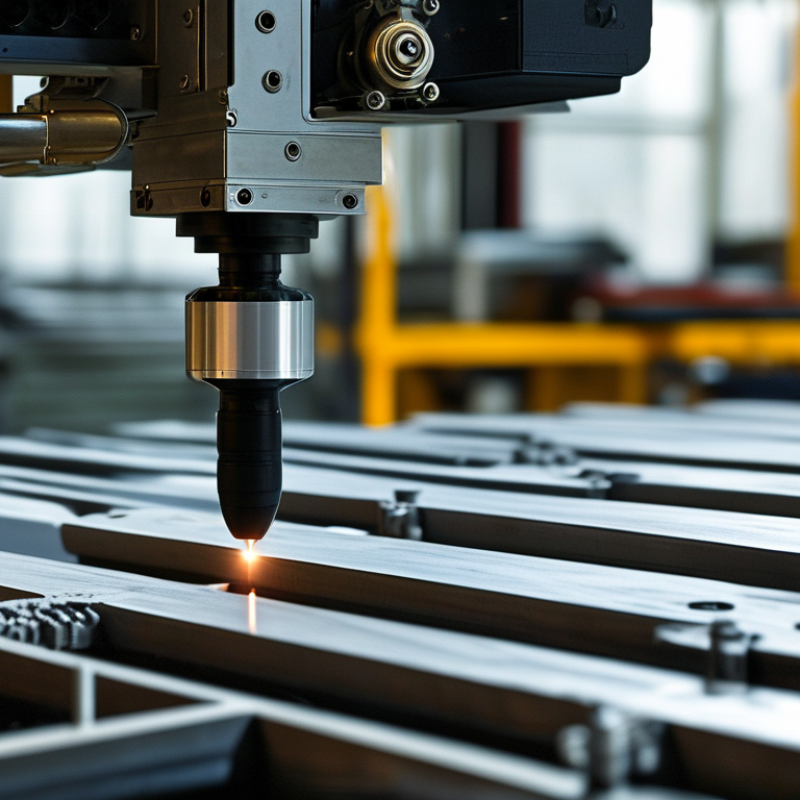
2026 Best Industries Using Laser Marking Machines for Business?

Overview of Laser Marking Technologies and Their Applications

Laser marking technology has gained significant traction across various industries. Organizations are increasingly leveraging its precision and versatility. Marking lasers provide a reliable method for permanent engraving on many materials. The automotive sector, for example, utilizes laser marking for part identification. This enhances traceability and compliance with stringent regulations.

The aerospace industry also benefits from laser marking. Components are marked to ensure safety and quality standards are met. According to a report by MarketsandMarkets, the laser marking market is projected to grow significantly. It estimates that the market will reach over $4 billion by 2025. This boom highlights the technology's demand across sectors.

Tips: Ensure proper calibration of laser equipment for optimal results. Regular maintenance of lasers can extend their lifespan and reliability. Investing in training for staff can enhance the marking process's efficiency. Seeing the variety of materials that can be marked opens possibilities for innovation. Different substrates require unique settings to avoid mistakes, emphasizing the need for a thoughtful approach.

Key Industries Leveraging Laser Marking for Product Customization

Laser marking technology is transforming various industries, particularly when it comes to product customization. This method allows for precise markings on diverse materials. From metals to plastics, laser markers provide clarity and durability. These features are crucial for branding in competitive markets.

Automotive, medical, and electronics sectors are notable users of laser marking machines. In the automotive industry, parts require clear labeling for safety and traceability. Medical devices benefit from precise markings that endure sterilization processes. Similarly, electronics need clear identifiers for compliance and quality assurance. Each application highlights the need for reliability and quality in product customization.

However, industries face challenges. While laser marking improves efficiency, initial setup costs can be high. Some businesses may struggle to adopt this technology fully. Training staff on operating such machines can also be daunting. Despite these hurdles, the benefits of enhanced customization are too significant to ignore. Companies that embrace this innovation can distinguish themselves in the marketplace.

2026 Best Industries Leveraging Laser Marking Machines

Advantages of Using Laser Marking Machines in Manufacturing Processes

Laser marking machines are transforming various industries by enhancing manufacturing processes. They offer precise marking on different materials, which is crucial for branding and traceability. For instance, a report by MarketsandMarkets predicts that the laser marking industry will reach $5.7 billion by 2026, reflecting a growing demand for efficient marking solutions.

One significant advantage of laser marking is its durability. Marks created by lasers resist wear and tear better than traditional methods. This longevity is essential in industries like automotive and aerospace, where product identification is vital. Moreover, laser technology reduces waste and improves overall efficiency. A recent study suggests that laser systems can increase production speed by up to 50%.

Tips: When considering laser marking, evaluate the material compatibility to ensure optimal results. Also, regular maintenance of the machines can prevent costly downtimes. Finally, keep abreast of technological advancements to maximize the benefits of laser marking.

2026 Best Industries Using Laser Marking Machines for Business

Industry Advantages of Using Laser Marking Machines Applications
Automotive High precision marking, increased durability, and minimal maintenance. VIN numbers, part numbers, and barcodes.
Aerospace Meets strict regulations, high reliability, and high-speed processing. Identification tags, safety markings, and component labeling.
Medical Devices Sterilization compatibility, permanent markings, and biocompatibility. Surgical instruments, implants, and diagnostic equipment.
Electronics High accuracy, intricate designs, and quick setup. Circuit boards, components, and product labeling.
Packaging Environmentally friendly, flexible marking options, and cost-effective. Barcode marking, expiration dates, and product information.
Jewelry Precision engraving, customization options, and high-quality finishes. Nameplates, logos, and quality markings.

Future Trends in Laser Marking Applications Across Various Sectors

Laser marking technology is revolutionizing various industries. In manufacturing, the demand for precise product identification is rising. According to a market report, the global laser marking market is projected to grow at a CAGR of 5.7% from 2023 to 2028. This growth results from the increasing need for durability and effectiveness. Industries such as automotive and electronics frequently utilize laser marking for intricate designs and tamper-proof features.

In the medical sector, lasers ensure high standards of cleanliness and precision. Compliance with safety regulations drives the integration of laser marking on devices and packaging. Data indicates that over 70% of medical device manufacturers use laser marking for traceability. However, challenges such as high initial investment and technology complexity can hinder smaller organizations from adopting these systems. A careful assessment of these barriers is crucial for maximizing potential benefits.

The food and beverage industry is also embracing laser marking. Traceability is essential here, especially in compliance with strict labeling regulations. Studies show that about 60% of food companies plan to invest in marking technology. However, not all organizations fully understand the nuances of system requirements. Continuous education and exploration are necessary to unlock the true potential of laser marking applications across sectors.

Case Studies: Successful Implementations of Laser Marking in Business

Laser marking technology is transforming various industries with its versatility and precision. One compelling case study comes from the automotive sector, where a major manufacturer implemented laser marking for part identification. The company saw a significant reduction in manufacturing errors, but the initial setup faced challenges. Integrating the technology into existing workflows was not seamless, highlighting the need for proper training. Observing how employees interacted with the new machines revealed gaps in understanding the complexities of laser systems.

In the electronics industry, a business adopted laser marking for branding consumer products. The move aimed to enhance product visibility while ensuring durability against wear and tear. Though successful in increasing brand recognition, the process required frequent calibration adjustments. This drawback led to temporary downtime, prompting reflections on the balance between efficiency and consistent output. Overcoming these hurdles proved vital for maintaining competitiveness in a crowded market.

Overall, these cases illustrate the potential and challenges of laser marking machines. Businesses must weigh the benefits against possible obstacles in implementation. Success often relies on thoughtful integration rather than relying solely on technology's capabilities.

FAQS

: What is laser marking technology used for?

: Laser marking technology is used for precise and permanent engraving on various materials across multiple industries.

How does laser marking benefit the automotive industry?

In the automotive industry, laser marking aids part identification, enhancing traceability and compliance with regulations.

What are the advantages of using laser marking machines?

Laser marking machines provide durability and resistance to wear, making them ideal for product identification in critical industries.

What should be considered when using laser marking?

Evaluate material compatibility and ensure proper calibration for optimal marking results.

How does regular maintenance of laser equipment impact its performance?

Regular maintenance can extend the lifespan of laser machines and prevent costly downtimes, promoting efficiency.

What industries are experiencing growth in laser marking technology?

Industries like automotive, aerospace, and manufacturing are seeing significant growth due to the demand for efficient marking solutions.

Why is training staff important for laser marking processes?

Training staff improves the efficiency and quality of the marking process, reducing mistakes and enhancing outcomes.

Can laser marking be applied to different materials?

Yes, laser marking can be applied to a variety of materials, but each requires unique settings for effective results.

How much is the laser marking market expected to grow?

The laser marking market is projected to grow significantly, potentially reaching $5.7 billion by 2026.

What is a potential drawback of laser marking technology?

There might be challenges in calibrating equipment properly, which can affect marking quality if not addressed thoughtfully.

Conclusion

Laser marking machines have become increasingly vital across various sectors due to their precision and versatility. In industries such as manufacturing, automotive, and consumer goods, businesses leverage laser marking for product customization, enhancing branding while ensuring durability. These technologies offer numerous advantages, including reduced processing times, eco-friendliness, and the ability to mark on a diverse range of materials, making them ideal for a plethora of applications.

Looking ahead, the future trends in laser marking indicate a surge in automation and integration with Industry 4.0 principles, further streamlining manufacturing processes. Notable case studies highlight successful implementations where businesses have seen improvements in efficiency and product quality. Overall, understanding what industries use laser marking machines is crucial for companies seeking to adopt innovative solutions that enhance their operational capabilities.

Madeline

Madeline

Madeline is a dedicated marketing professional with a wealth of expertise in our company's core offerings. With a keen understanding of the industry, she brings a unique perspective to her role, consistently delivering high-quality content that highlights the superior aspects of our products. As......