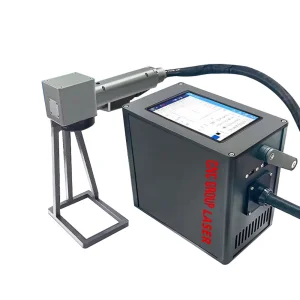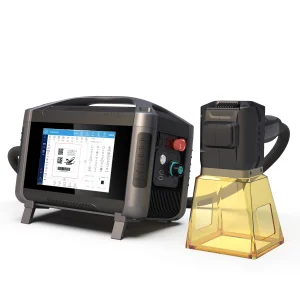
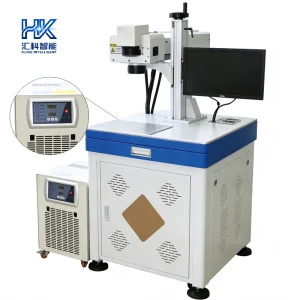

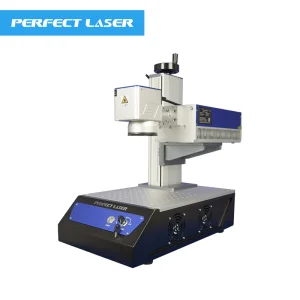
In modern precision engineering, thermal stress is the enemy of quality. Traditional fiber and CO2 lasers process materials through photothermal action—essentially melting or vaporizing the target material by generating localized heat. While highly effective for heavy metals and thick substrates, this thermal energy creates Heat Affected Zones (HAZ), leading to micro-cracking, charring, and material deformation.
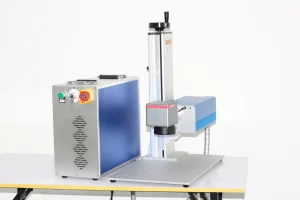
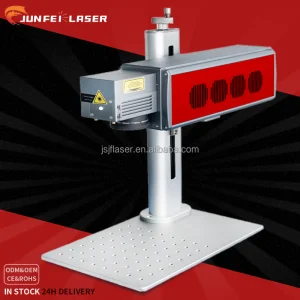
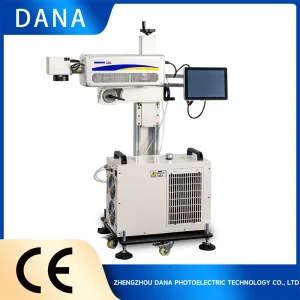
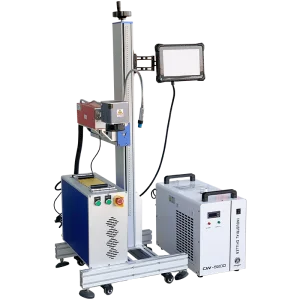
UV lasers operate at a short wavelength of 355nm, generating high-energy photons that induce a photochemical reaction (often referred to as "cold marking"). Instead of heating the material, the intense UV light directly breaks the molecular bonds holding the material together. This non-thermal ablation process results in structural breakdown at the molecular level, delivering extremely sharp marks, micro-level precision, and zero thermal distortion.
"Cold marking" is not just a technological variant; it is an industrial necessity for high-reliability sectors such as medical devices, microelectronics, and aerospace components. Hangzhou Kinray Laser Co., Ltd. harnesses this science to manufacture systems that guarantee cosmetic integrity and structural preservation.
As regulatory agencies worldwide enforce tighter tracking requirements, permanent marking has evolved from a simple branding exercise to a fundamental compliance parameter.
FDA and MDR mandates dictate that medical devices carry Unique Device Identification codes that survive repeated sterilization processes without harboring bacterial growth. UV lasers generate smooth, subsurface dark marks on stainless steel and bio-polymers without compromising surface roughness.
Modern micro-electronics demand high-density 2D codes on extremely tight footprints. UV laser marking systems create precise barcodes on PCBs, silicon wafers, and chip packages down to 0.5mm x 0.5mm, without damaging delicate circuitry.
Compared to traditional thermal transfer ribbon or solvent-based inkjet printing, UV laser engraving offers a clean, ink-free process. It eliminates consumables, minimizes carbon footprint, and removes hazardous chemical waste from manufacturing floors.
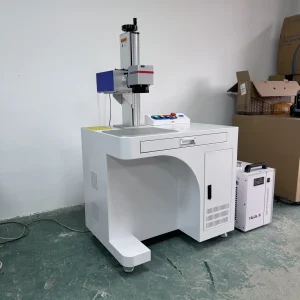
Hangzhou Kinray Laser Co., Ltd. is a leading China industrial laser marking machine manufacturer specializing in advanced fiber and UV laser solutions for global manufacturing industries. With a strong focus on innovation, precision, and intelligent manufacturing, Kinray Laser is committed to delivering high-performance laser equipment that improves production efficiency, product traceability, and marking quality.
Located in Hangzhou, China, the company integrates research and development, manufacturing, sales, and technical support to provide comprehensive laser processing solutions for customers worldwide. Our extensive product portfolio includes fiber laser marking machines, UV laser marking machines, CO2 laser marking systems, MOPA laser markers, flying laser marking machines, 3D laser marking equipment, and customized automated laser solutions.
Kinray Laser products are widely used in electronics, automotive, medical devices, precision hardware, jewelry, packaging, aerospace, consumer goods, and industrial manufacturing industries. Designed for high-speed, high-precision, and permanent marking applications, our systems are capable of processing a wide range of materials, including metals, plastics, ceramics, glass, and composite materials.
Equipped with advanced production facilities and rigorous quality management systems, Kinray Laser maintains strict quality control throughout every stage of manufacturing. Each machine undergoes comprehensive testing to ensure stable performance, reliability, and compliance with international standards.
To support global customers, we offer flexible OEM and ODM services for distributors, system integrators, equipment brands, and industrial manufacturers. Our experienced engineering team works closely with customers to develop customized laser solutions tailored to specific production requirements, automation needs, and industry applications.
Driven by technological innovation and customer satisfaction, Hangzhou Kinray Laser Co., Ltd. continues to expand its global presence and strives to become a trusted partner for intelligent laser processing solutions, helping manufacturers achieve smarter, more efficient, and sustainable production.
Choosing the correct power levels and configurations is essential to maximize optical transmission and optimize marking cycles. Refer to our engineering application guide below:
| Material Type | Recommended Power | Primary Laser Interaction | Max Engraving Speed | Typical Applications |
|---|---|---|---|---|
| Borosilicate & Quartz Glass | 3W - 5W (Water Cooled) | Molecular Bond Cleavage | 3,500 mm/s | Laboratory glassware, vials, beverage bottles |
| PE, PP, & PTFE Plastics | 3W - 5W (Air/Water Cooled) | Color Change (Foaming/Carbonization) | 5,000 mm/s | Medical packaging, wire insulation tags |
| High-Density Ceramics | 5W - 10W (Water Cooled) | Surface Micro-Etching | 2,800 mm/s | Electronic components, substrates, sanitary ware |
| Acrylic (PMMA) & Polycarbonate | 5W - 10W (Cabinet Enclosed) | Subsurface Engraving | 4,000 mm/s | Clear covers, light guides, optical lenses |
| Precious Metals & Foils | 10W - 15W (Deep Marking) | High-Reflectivity Micro-Engraving | 2,500 mm/s | Gold/silver jewelry, ultra-thin copper foils |
Exporting machinery globally demands total alignment with safety frameworks and technical industrial environments. Kinray Laser systems are built to meet the most demanding compliance protocols.
All Kinray UV Laser systems comply with standard electromagnetic compatibility (EMC) guidelines and low-voltage electrical safety standards. In accordance with FDA regulations, our cabinet systems (Class 1) incorporate safety interlock mechanisms, specialized viewing windows, and safety shutter configurations to shield operators from direct UV exposure.
Our systems feature comprehensive I/O modules, enabling connection with automated conveyor lines. Support for TCP/IP, Modbus, and Profinet protocols allows for seamless communication with factory MES (Manufacturing Execution Systems), facilitating automated database inquiries and real-time generation of serialization tracking codes.
Kinray partners with regional agents and service hubs worldwide. This structural network delivers key operational benefits:
As the industry moves toward higher precision and automation, our engineering division is developing technologies to keep your production lines ahead of the curve.
Shorter pulse widths minimize thermal accumulation. By transitioning from nanosecond UV systems to picosecond pulse regimes, we are achieving near-zero heat-affected zones, perfect for wafer slicing and micro-drilling.
Integrating deep-learning vision sensors allows our laser heads to automatically adjust focal distances and identify marking zones, compensating for component positioning errors in real time.
Utilizing dynamic focusing lenses alongside high-speed galvo scanners, we enable continuous marking on complex geometries, cylinders, and sloped surfaces without manual vertical axis adjustments.
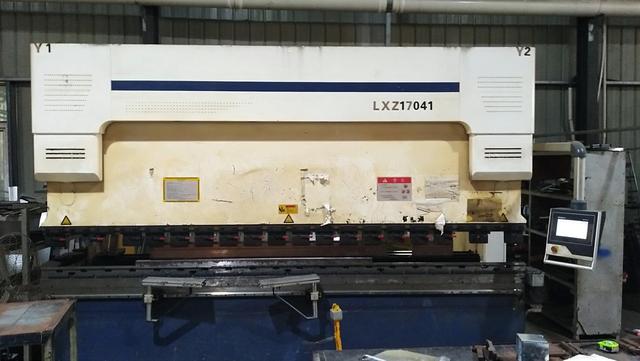
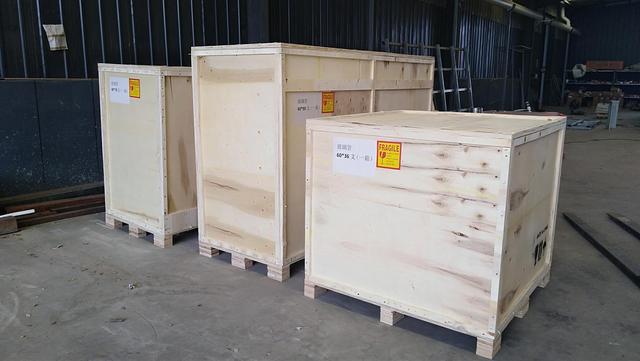
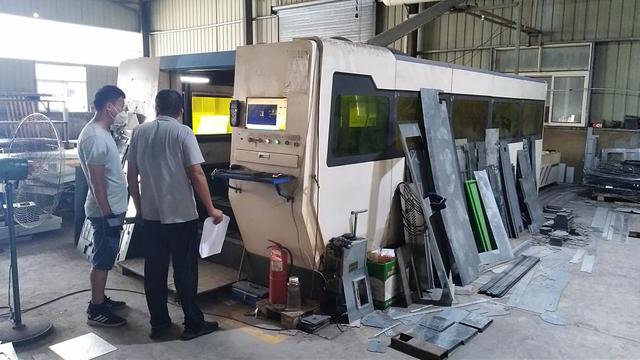
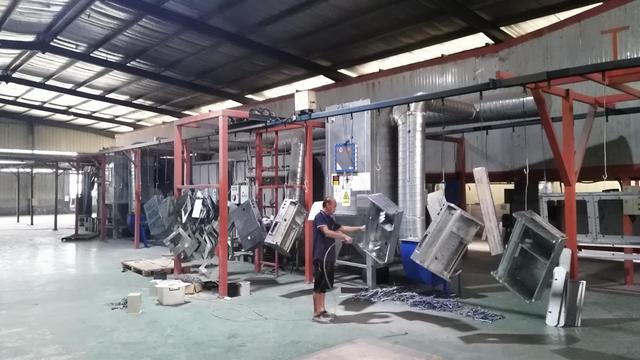
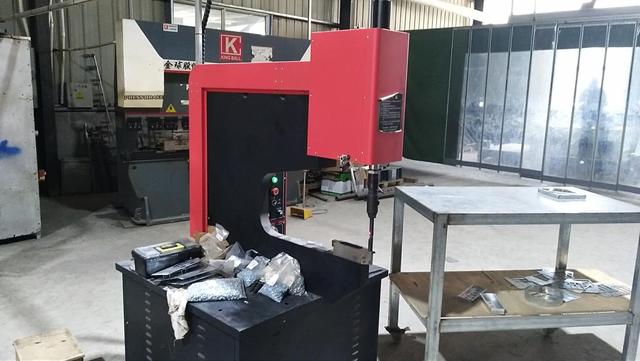
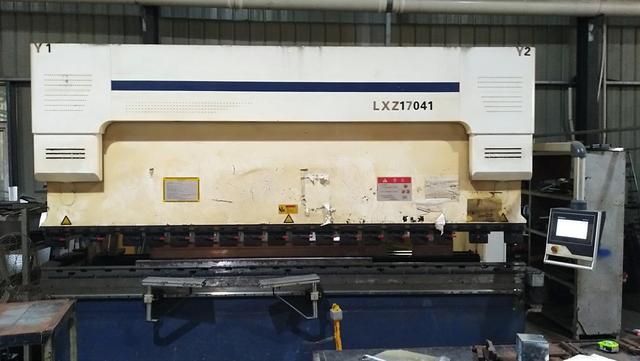
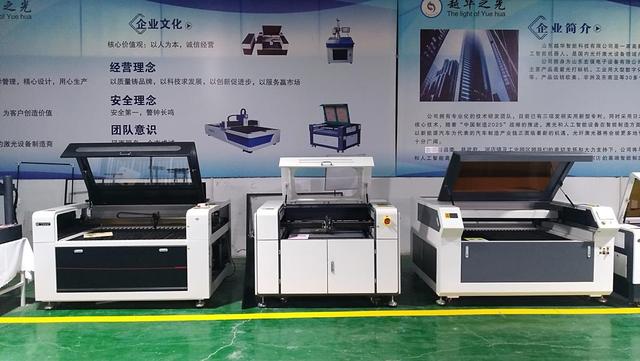
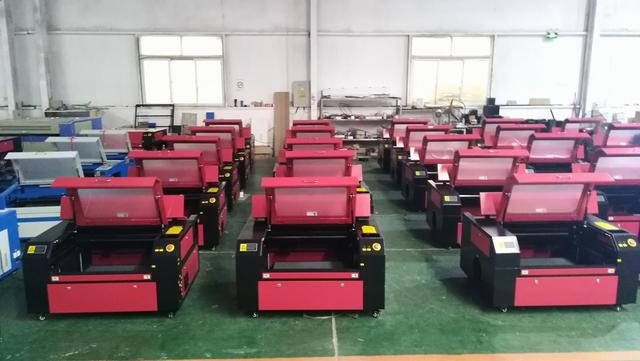
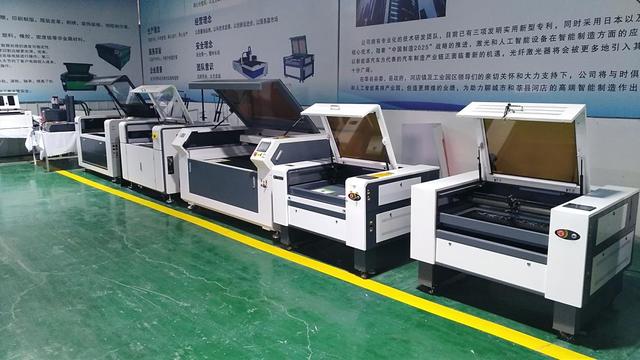
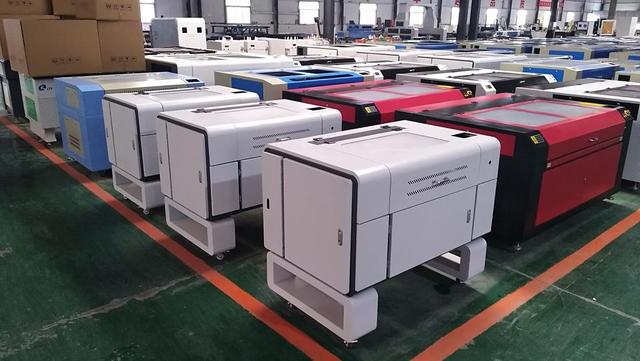
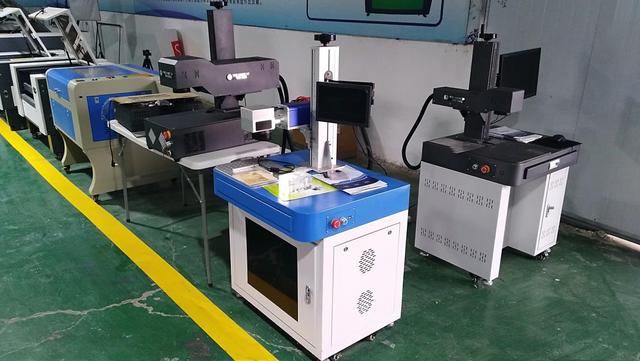
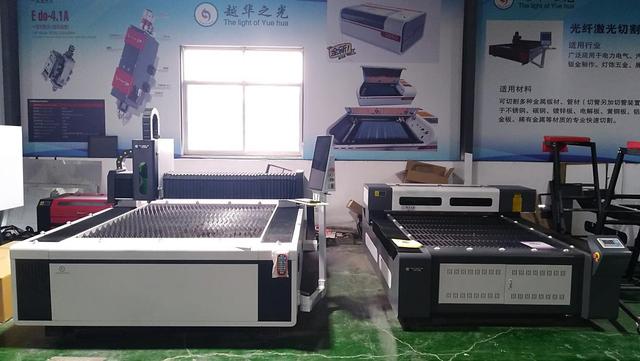
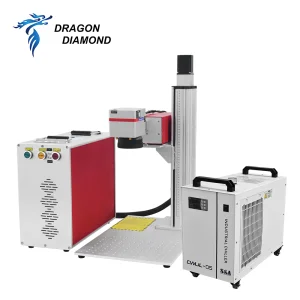
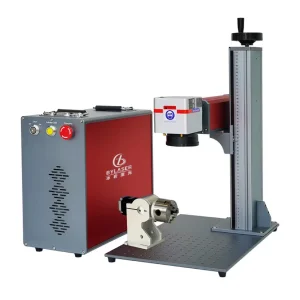
A visual tour of our production workshop, R&D center, and quality-testing facilities, where we build precision industrial machinery.

 Kinray Laser