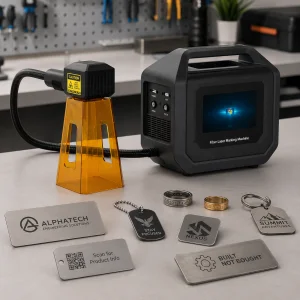
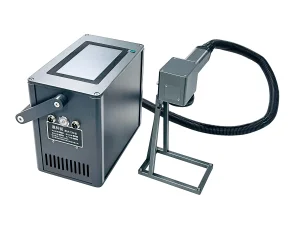
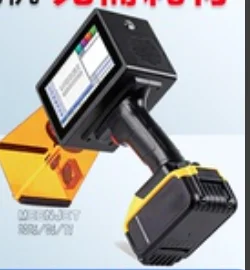
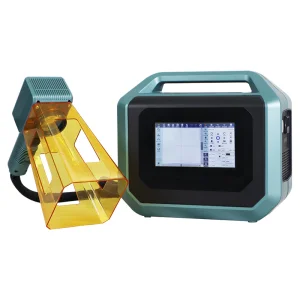
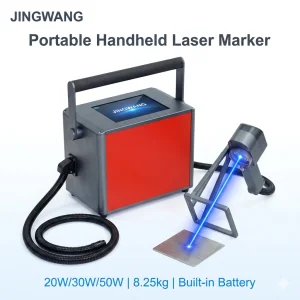
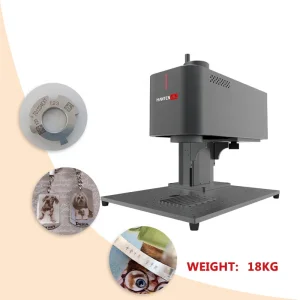
In modern manufacturing environments, product traceability, component serialization, and anti-counterfeiting measures are no longer optional. As international regulatory standards like the FDA's Unique Device Identification (UDI) and aerospace-specific MIL-STD-130 become more stringent, companies are required to implement high-contrast, permanent markings directly on parts. The rise of "Direct Part Marking" (DPM) has highlighted a major logistical challenge: how to mark large, heavy, or immovably integrated workpieces that cannot be transported to a standard desktop marking cabinet.
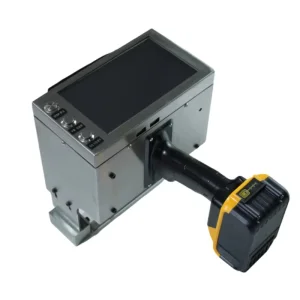
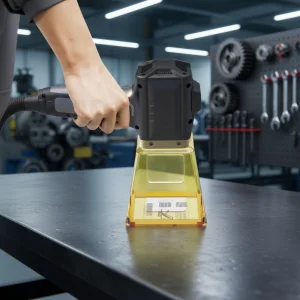
This constraint has catalyzed a major structural shift in global procurement toward portable laser marking machines. Procurement departments in the automotive, aerospace, oil & gas, and heavy machinery industries are actively seeking robust, lightweight, and versatile laser engines. The requirement is clear: transition from stationary workstations to ergonomic, handheld, and battery-powered laser systems that bring the beam directly to the component. By eliminating the logistics of moving heavy materials, manufacturers significantly decrease cycle times, lower the risk of part damage, and enhance floor ergonomics.
Portable laser marking systems act as critical nodes within integrated manufacturing execution systems (MES). They bridge the gap between digital data logging and physical components on the plant floor. Below are the key industry sectors benefiting from localized, portable laser processing:
Permanent marking of vehicle identification numbers (VIN) onto chassis frames, engine blocks, and drive shafts. The markings remain readable through post-treatments such as e-coating, painting, and heat treatment cycles.
Delivering high-contrast markings on sensitive titanium, aluminum, and composite structures without causing thermal stress micro-fractures. MOPA laser technologies offer ultra-precise, variable pulse controls.
Battery-powered, handheld configurations enable field operators to mark drill pipes, valves, structural beams, and outdoor infrastructure in harsh conditions without needing AC electrical line hookups.
Hangzhou Kinray Laser Co., Ltd. is a leading China industrial laser marking machine manufacturer specializing in advanced fiber and UV laser solutions for global manufacturing industries. With a strong focus on innovation, precision, and intelligent manufacturing, Kinray Laser is committed to delivering high-performance laser equipment that improves production efficiency, product traceability, and marking quality.
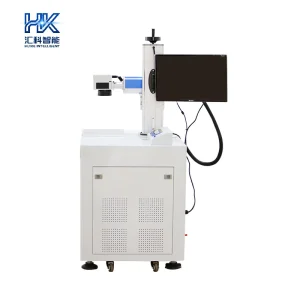
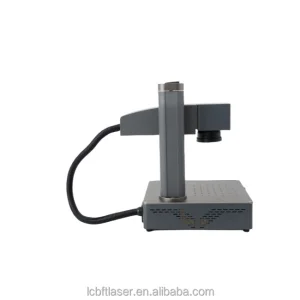
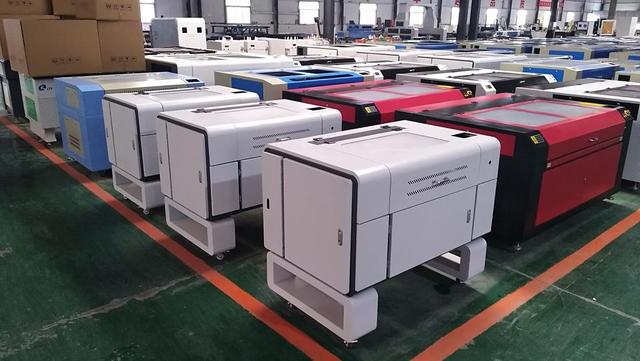
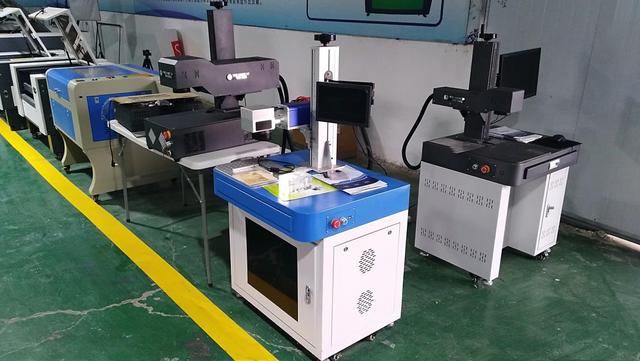
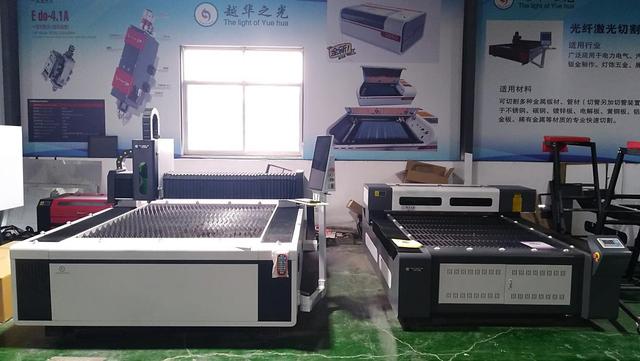
Located in Hangzhou, China, the company integrates research and development, manufacturing, sales, and technical support to provide comprehensive laser processing solutions for customers worldwide. Our extensive product portfolio includes fiber laser marking machines, UV laser marking machines, CO2 laser marking systems, MOPA laser markers, flying laser marking machines, 3D laser marking equipment, and customized automated laser solutions.
Kinray Laser products are widely used in electronics, automotive, medical devices, precision hardware, jewelry, packaging, aerospace, consumer goods, and industrial manufacturing industries. Designed for high-speed, high-precision, and permanent marking applications, our systems are capable of processing a wide range of materials, including metals, plastics, ceramics, glass, and composite materials.
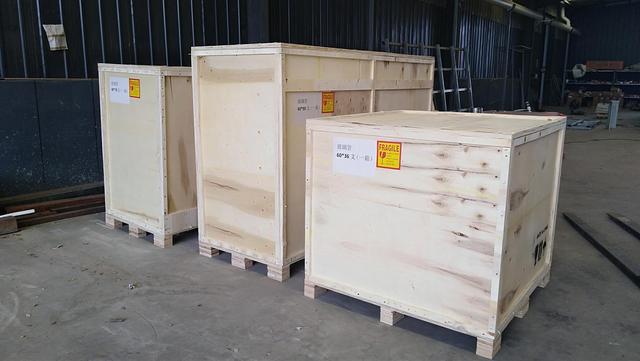
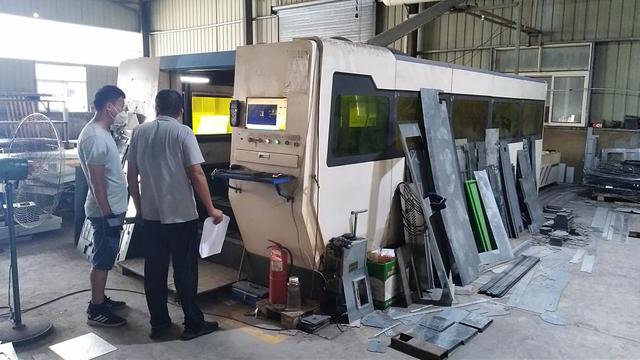
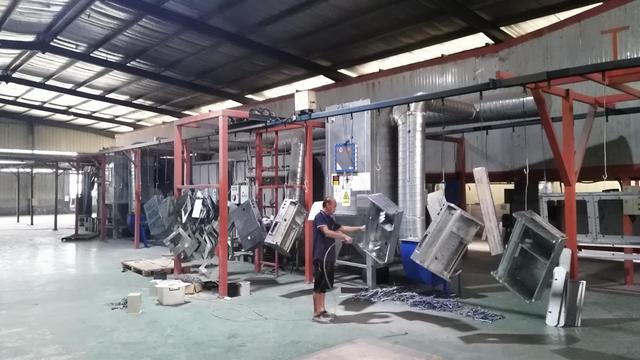
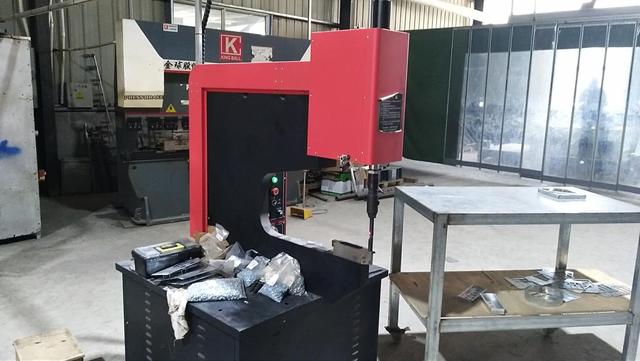
Equipped with advanced production facilities and rigorous quality management systems, Kinray Laser maintains strict quality control throughout every stage of manufacturing. Each machine undergoes comprehensive testing to ensure stable performance, reliability, and compliance with international standards.
To support global customers, we offer flexible OEM and ODM services for distributors, system integrators, equipment brands, and industrial manufacturers. Our experienced engineering team works closely with customers to develop customized laser solutions tailored to specific production requirements, automation needs, and industry applications.
Driven by technological innovation and customer satisfaction, Hangzhou Kinray Laser Co., Ltd. continues to expand its global presence and strives to become a trusted partner for intelligent laser processing solutions, helping manufacturers achieve smarter, more efficient, and sustainable production.
Selecting the correct laser marking source configuration is critical for successful long-term application performance. The interactions between wavelength, pulse duration, and laser power determine the quality, contrast, and thermal impact on the material substrate. Use the table below as a quick guide:
| Laser Source Type | Typical Wavelength | Primary Material Focus | Advantages & Capabilities |
|---|---|---|---|
| Fiber Laser (Q-switched) | 1064 nm | Stainless steel, carbon steel, iron, anodized aluminum | High energy density, deep etching capabilities, long active life span. |
| Fiber Laser (MOPA) | 1064 nm (variable) | Alumina, plastics, multi-color steel markings | Adjustable pulse duration; avoids warping thin foils, creates high-contrast black on plastics. |
| UV (Ultraviolet) Laser | 355 nm | Glass, polymers, high-density polyethylene (HDPE), ceramics | "Cold marking" photochemical process; minimal heat-affected zones (HAZ) prevent structural damage. |
| CO2 Laser | 10,600 nm | Wood, leather, acrylic, cardboard, organics | High absorption rates on non-metals, excellent for bulk packaging and wood engraving. |
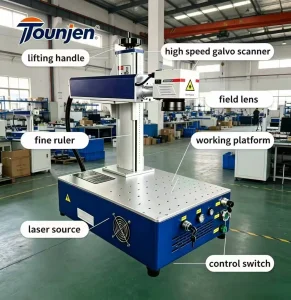
For true mobility, the hardware design must strike a balance between mechanical durability and low weight. Standard portable systems utilize field lenses (F-theta lenses) with optimized focal lengths (typically 110x110mm) to balance field area against energy focus. Galvanometer scanning systems must be digital, featuring low drift and high feedback control, to maintain mark repeatability even when the handheld unit is subject to subtle operator movements. Additionally, using lightweight materials like aviation-grade aluminum for the chassis and carbon fiber for the marking gun reduces operator fatigue during long shifts.
Deploying high-power lasers (Class 4 laser systems in open handheld configurations) requires strict adherence to safety protocols. A reliable OEM/ODM factory must supply the correct documentation and safety mechanisms to ensure compliance with occupational safety organizations worldwide.
To prevent accidental laser emission, handheld marking heads feature dual contact sensors and mechanical triggers. The system only fires when the head is in flush contact with the target substrate.
Every machine manufactured complies with European CE standards (EN 60825-1 safety guidelines) and is registered under US FDA CDRH accessions, simplifying customs clearance and industrial audits.
Through online diagnostics, localized service centers, and engineering support, Kinray ensures minimize down-time. We supply replacement parts, field optics, and optical fibers directly from stock.
The future of portable laser marking lies in the convergence of automated visual alignment and lightweight power sources. Current research focuses on embedding AI vision modules directly inside the handheld scanning head. These systems dynamically detect the contours of the part, automatically correct for hand tremors, skew, and focus tilt in real time, and project the vector path using guide lasers before execution.
In tandem, battery technology is progressing from traditional lithium-ion packs to solid-state systems, doubling the operational life of cordless markers. The goal is to provide a full 8-hour shift of heavy-duty metal marking from a single charge, without increasing the weight of the battery pack. Furthermore, the integration of 5G and IoT modules in the laser controllers allows remote updates of marking files, enabling engineering departments to update templates on units across multiple production floors globally.
 Kinray Laser