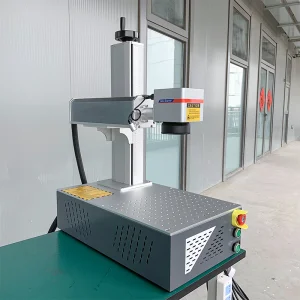
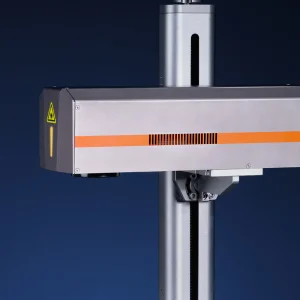
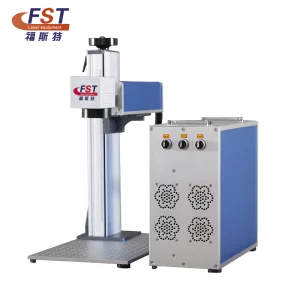
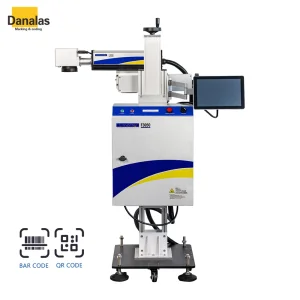
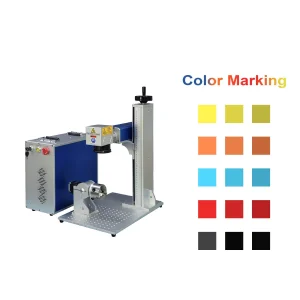
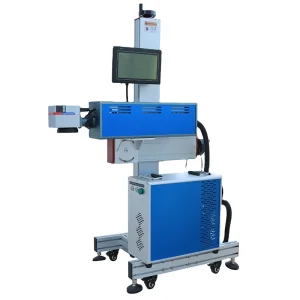
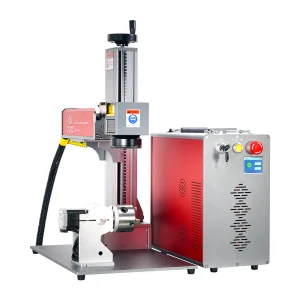
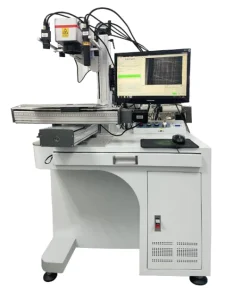
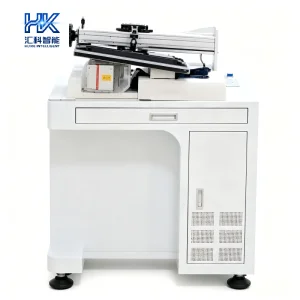
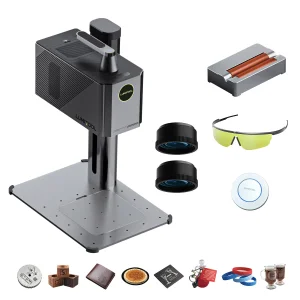
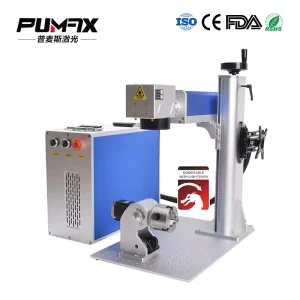
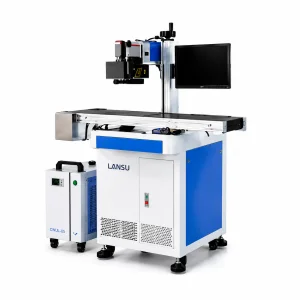
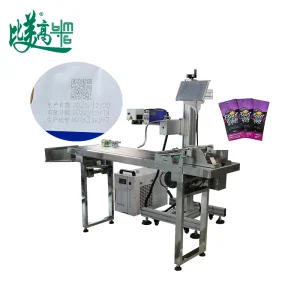
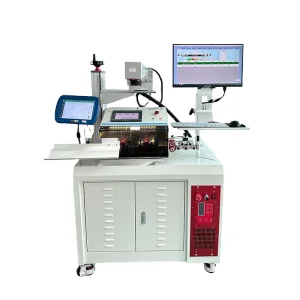
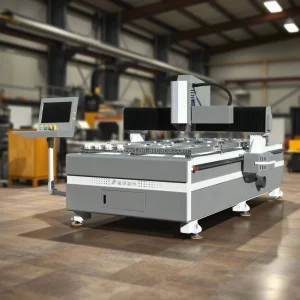
Explore our high-performance fiber, UV, CO2, and MOPA laser marking systems engineered for diverse manufacturing pipelines.
Hangzhou Kinray Laser Co., Ltd. is a leading China industrial laser marking machine manufacturer specializing in advanced fiber and UV laser solutions for global manufacturing industries. With a strong focus on innovation, precision, and intelligent manufacturing, Kinray Laser is committed to delivering high-performance laser equipment that improves production efficiency, product traceability, and marking quality.
Located in Hangzhou, China, the company integrates research and development, manufacturing, sales, and technical support to provide comprehensive laser processing solutions for customers worldwide. Our extensive product portfolio includes fiber laser marking machines, UV laser marking machines, CO2 laser marking systems, MOPA laser markers, flying laser marking machines, 3D laser marking equipment, and customized automated laser solutions.
Kinray Laser products are widely used in electronics, automotive, medical devices, precision hardware, jewelry, packaging, aerospace, consumer goods, and industrial manufacturing industries. Designed for high-speed, high-precision, and permanent marking applications, our systems are capable of processing a wide range of materials, including metals, plastics, ceramics, glass, and composite materials.
Equipped with advanced production facilities and rigorous quality management systems, Kinray Laser maintains strict quality control throughout every stage of manufacturing. Each machine undergoes comprehensive testing to ensure stable performance, reliability, and compliance with international standards.
To support global customers, we offer flexible OEM and ODM services for distributors, system integrators, equipment brands, and industrial manufacturers. Our experienced engineering team works closely with customers to develop customized laser solutions tailored to specific production requirements, automation needs, and industry applications. We strive to help manufacturers achieve smarter, more efficient, and sustainable production.
In-House Quality Control
Continuous Marking Duty
Positioning Repeatability
Export Destinations
How Automated Laser Marking acts as the backbone of contemporary traceability, regulatory compliance, and smart assembly lines.
Sectors like aerospace, defense, and automotive demand permanent, tamper-proof tracking solutions. Laser marking satisfies stringent protocols such as FDA Unique Device Identification (UDI) for medical tooling, and SAE AS9132 standards for high-stress aviation components, maintaining structural integrity without weakening parts.
Industry 4.0 mandates the elimination of islands of automation. Our systems feature standardized Ethernet/IP, Profinet, and Modbus interfaces, allowing direct PLC communication. This lets assembly lines mark serialized QR codes dynamically query database tables, preventing bottlenecking.
Unlike traditional ink-jet coding or mechanical engraving, industrial laser marking is entirely chemical-free and requires no consumable components. This translates directly into a reduced carbon footprint, minimal line downtime for cleanings, and virtually zero scrap rates.
To maximize marking throughput and structural integrity, selecting the ideal laser wavelength is vital. Kinray Laser provides targeted wavelengths engineered for specific material interactions:
Fiber Lasers (1064nm): The workhorse of metallurgical marking. Best for stainless steel annealed markings, deep engraving tools, and processing structural aluminum with exceptional beam quality (M² < 1.4).
UV Lasers (355nm): Utilizing a "cold" photochemical marking process. Ultraviolet light breaks chemical bonds directly rather than relying on thermal vaporization. This is crucial for ultra-thin medical plastics, PCB glass fibers, and delicate electronic housings without heat-affected zones (HAZ).
MOPA Variable Pulse Width Lasers: Highly adjustable pulse widths (ranging from 2ns to 500ns) allow fine heat control. Ideal for structural black marking on anodized aluminum and color marking on stainless steel alloys.
CO2 Lasers (10.6µm): Perfectly calibrated for organic compounds. Used for engraving decorative glass panels, wood products, rubber materials, and flexible plastic packaging films.
Our integrated industrial CCD vision systems bypass mechanical fixtures entirely. The high-speed camera detects the workpiece's physical position on the fly, computes rotation angles and offsets, and automatically translates the marking file's coordinates via the galvanometer controller. This allows random part placement and high-speed marking (up to 8,000 mm/s) without quality drops.
We configure specialized industrial architectures that solve unique, high-throughput manufacturing problems.
Marking micro-sized 2D DataMatrix codes on PCB margins, IC packages, and connectors. Engineered with full ESD isolation networks to prevent electrostatic discharge damage, alongside cleanroom-compatible exhaust ventilation structures.
Capable of performing deep metal engraving (up to 1.5mm) on structural steel alloys, cast iron casings, and carbon-fiber composites. Our machines produce high-contrast marks that remain readable after subsequent surface treatments like sandblasting or powder coating.
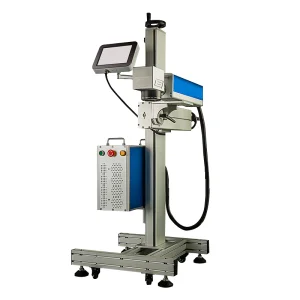
Online flying laser marking systems synced with conveyor lines moving at speeds exceeding 200 meters per minute. Real-time encoder feedback triggers precise, high-speed micro-marks on PET bottles, cosmetics containers, and cardboard cartons.
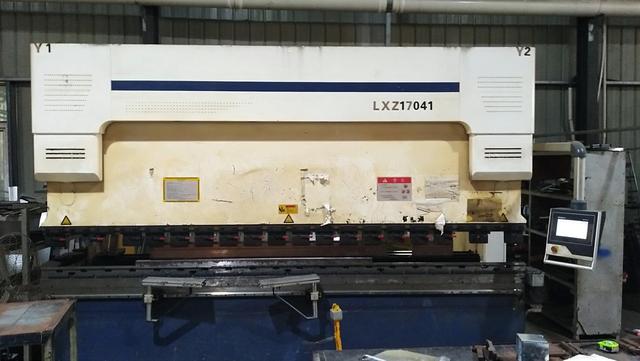
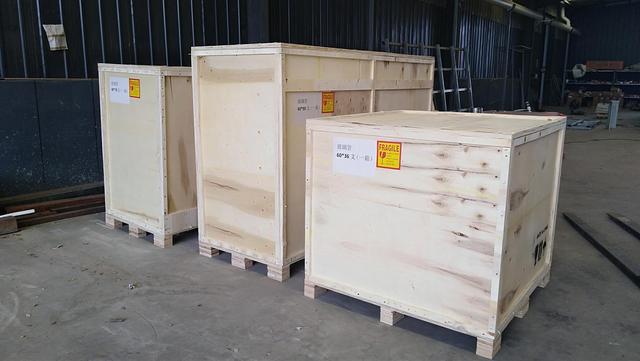
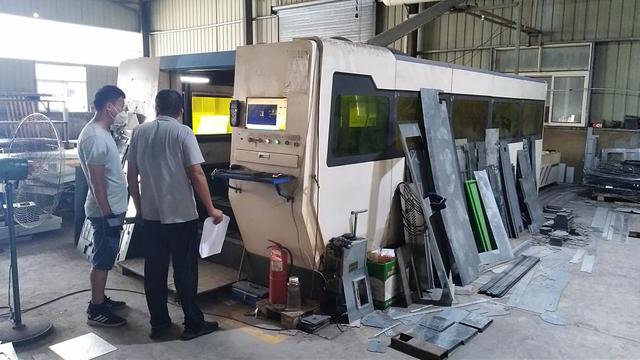
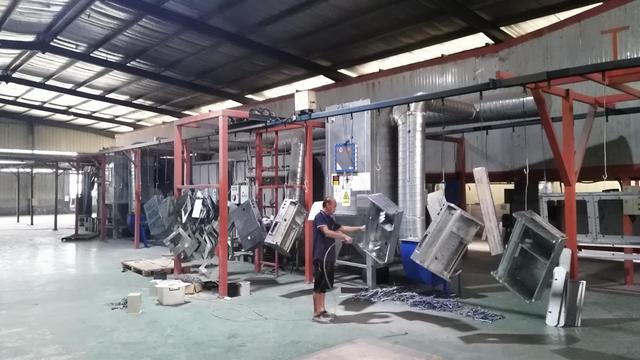
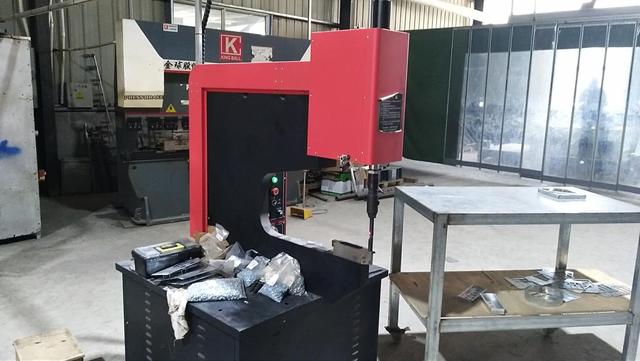
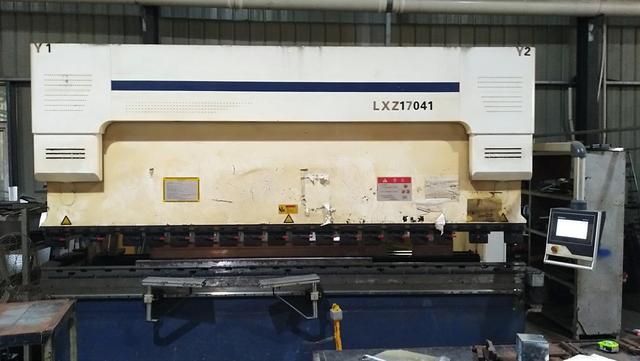
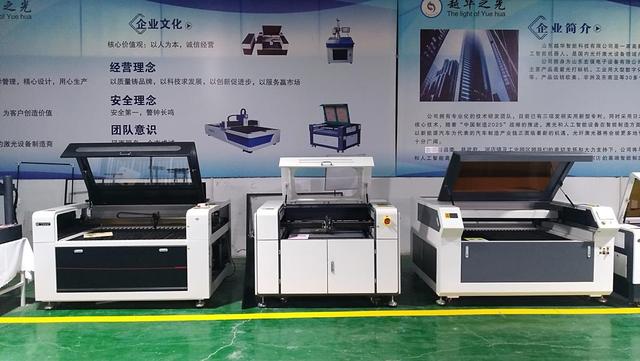
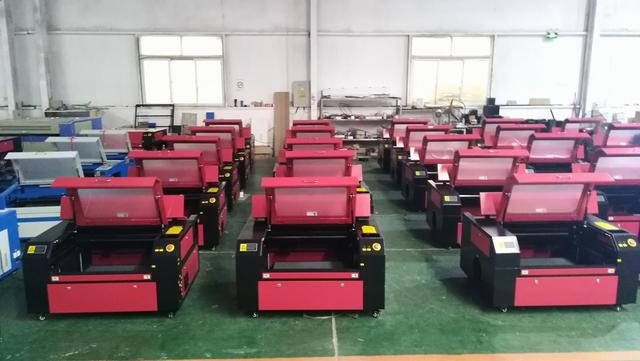
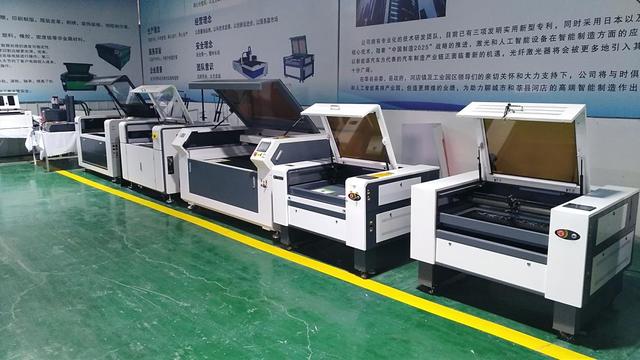
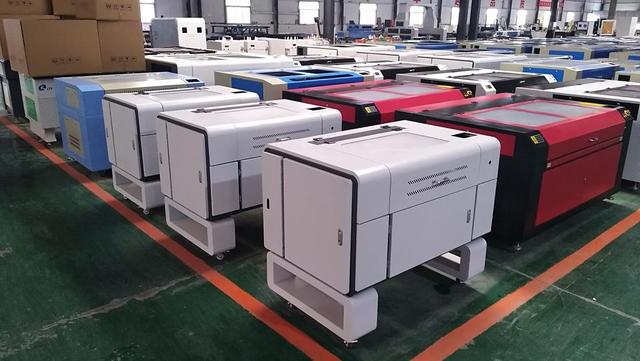
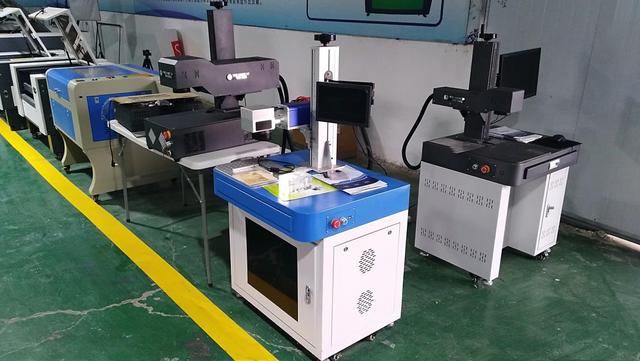
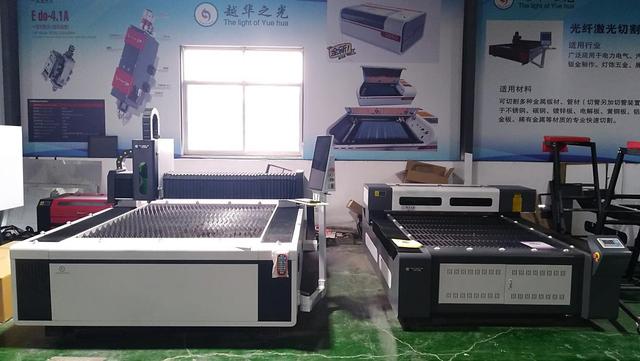
A visual insight into our advanced manufacturing processes, optical laboratories, precision calibration benches, and QA staging zones.
Get answers to critical integration, engineering, and maintenance queries from our technical directors.
UV lasers operate at a 355nm wavelength via cold photochemical interaction, meaning they break atomic bonds within the plastic without creating a thermal reaction. This eliminates micro-cracks, surface deformation, and charring. Fiber systems (1064nm) use heat to mark, which can damage thin plastics, release toxins, or leave carbon residues that compromise sterile medical tools.
MOPA (Master Oscillator Power Amplifier) systems feature adjustable pulse durations (2ns to 500ns) and frequencies. By controlling these settings, engineers can apply highly targeted, thin oxide layers to metals like titanium and stainless steel. The spacing of these layers refracts light at specific angles, creating vibrant, repeatable colors without using inks or chemicals.
Yes. By integrating a rotary encoder into the conveyor frame, our flying marking software receives real-time speed tracking data. If the line speeds up, slows down, or stops temporarily, the marking cycle adjusts its beam movement dynamically. This keeps the marking proportions consistent and prevents distortion or overlap.
Our solid-state fiber laser engines (using Raycus, JPT, or Max Photonics sources) have an MTBF (Mean Time Between Failures) of 100,000 operating hours under normal conditions. UV laser sources, which contain internal frequency conversion crystals, typically have an MTBF of 20,000 to 30,000 hours before they need maintenance or optical tuning.
Yes. Our 3D marking heads use a dynamic focusing lens assembly mounted on an linear actuator. Combined with our digital galvanometer controllers, the system changes focal length in real time during the marking sweep. This allows it to mark curved, spherical, stepped, and angled surfaces up to ±60 degrees without manual axis adjustments.
Explore our high-performance automated product line designed for inline production, visual inspection, and high-speed marking.
 Kinray Laser