High-performance inline laser coding systems integrated with advanced vision validation, custom feeders, and auto-rejection mechanisms.
A deep analysis of high-throughput industrial coding, optical character recognition (OCR) validation, and downstream system synchronization.
In the modern manufacturing landscape, traceability is no longer just a regulatory checkbox; it is a critical axis of operational efficiency and brand protection. Hangzhou Kinray Laser Co., Ltd. stands at the forefront of this industrial shift, acting as a premier China industrial laser marking machine manufacturer and global exporter. We specialize in advanced fiber, UV, and CO2 laser solutions engineered specifically for high-speed, automated production lines.
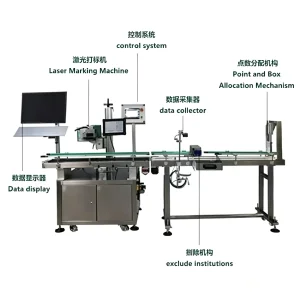
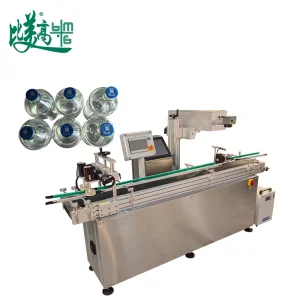
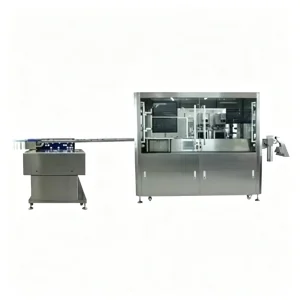
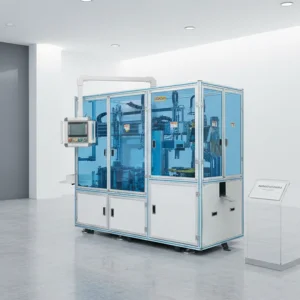
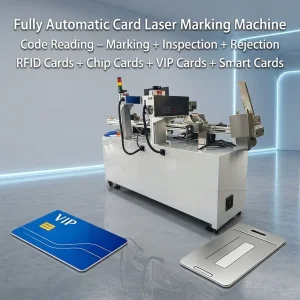
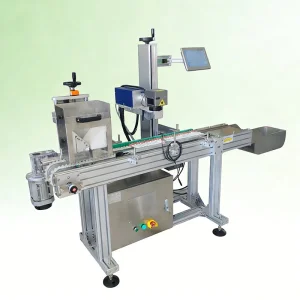
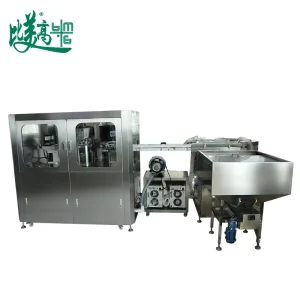
Historically, laser markers operated as isolated static cells, requiring manual batch feeding or relying on simple speed-matching parameters. Today’s industrial smart factories require complete Integrated Laser Marking Systems. These systems seamlessly bind fiber or UV laser engines with mechanical singulation conveyors, robotic pick-and-place units, high-speed vision inspection systems (OCR/OCV), and automated pneumatics to reject non-conforming products in real-time. This integration ensures 100% readability of 2D DataMatrix codes, barcodes, and serial numbers, preventing defective markings from entering the supply chain.
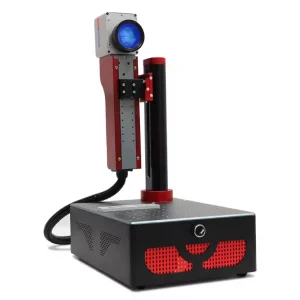
Direct integration of high-speed galvo scanners with rotary indexing tables or continuous variable-speed conveyors. This guarantees distortion-free coding at linear speeds exceeding 120 meters per minute.
Integrated industrial smart cameras verify placement, contrast, and alphanumeric correctness immediately after the laser pulse. Failed reads trigger instantaneous mechanical rejection.
System control panels communicate over standard industrial networks including Ethernet/IP, Profinet, Modbus TCP, and RS232/485. This permits seamless data handshakes with factory MES and ERP databases.
Why global enterprises partner with Hangzhou Kinray Laser for high-performance laser integrations.
Located in the high-tech hub of Hangzhou, China, Hangzhou Kinray Laser Co., Ltd. combines geographic supply chain advantages with top-tier optical and software engineering. China's industrial manufacturing ecosystem provides unmatched access to optical components, high-precision CNC machinery, and electronic components, enabling us to offer premium systems at competitive price points.
Our integrated manufacturing and research model ensures rapid design validation. Whether a client requires customized vibratory bowl feeders, special star-wheel singulators, or robotic arms, our engineers can prototype and build custom mechanisms inside our facility. This vertical integration drastically reduces lead times for complex, automated laser systems compared to Western manufacturers.
How our integrated laser systems resolve high-volume production and compliance challenges across key global sectors.
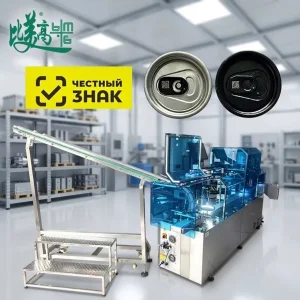
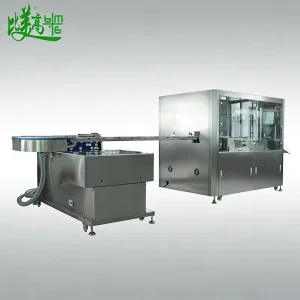
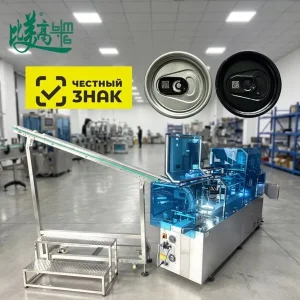
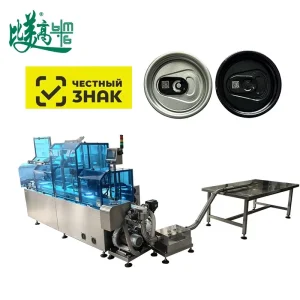
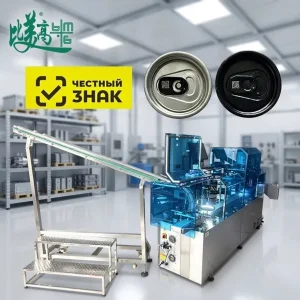
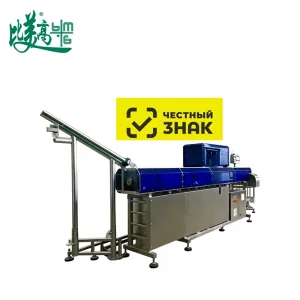
High-speed coding on standard bottle caps and aluminum can lids. Systems utilize high-speed star-wheel feeders or continuous conveyors coupled with dual UV/CO2 laser engines to mark expiration dates, batch numbers, and high-density QR codes for downstream consumer engagement and anti-counterfeiting tracking.
Fully compliant with FDA UDI (Unique Device Identification) and EAC requirements. The systems employ multi-station inner & outer code marking coupled with online verification to guarantee trace-level data mapping for vials, syringes, cap liners, and blister packs.
Using high-precision MOPA and ultrafast UV lasers to perform non-destructive, high-contrast micro-marking on sensitive silicon, PCB boards, and micro-relays. Eliminates micro-cracks and structural stress while preserving component integrity.
Custom vibratory bowl feeding integrated with UV lasers to mark complex 3D profiles, such as eyebrow pencils and luxury cosmetics containers. Achieves permanent, high-contrast, tactile-free markings on delicate polymers without causing thermal deformation.
Meeting the strict quality, safety, and integration standards expected by tier-1 global manufacturers.
Global procurement teams prioritizing continuous throughput require equipment built on stable, standardized platforms. At Kinray Laser, our custom engineering team designs machinery matching CE, FDA, and RoHS compliance frameworks. We provide complete hardware-software integration documentation, system schematics, and MTBF (Mean Time Between Failures) certificates exceeding 100,000 operational hours for fiber laser sources.
We work directly with distributors, system integrators, and equipment brands under flexible OEM and ODM contracts. Our engineering expertise ranges from custom machine enclosures configured for Class 1 safety compliance, to tailored software plug-ins matching specific database APIs. This ensures plug-and-play installation inside preexisting packaging, bottling, or electronics assembly lines.
Answers to critical questions regarding hardware configuration, optical wavelengths, vision integration, and system optimization.
The difference lies in the laser wavelength and absorption characteristics of materials:
• Fiber Lasers (1064nm wavelength) are optimized for thermal engraving on metals, high-density plastics, and ceramics. They provide high speed and longevity but produce thermal stress.
• UV Lasers (355nm wavelength) use "cold marking" photochemical processing. They are ideal for high-contrast markings on HDPE/PET plastics, glass, and cables without burning or micro-cracking.
• CO2 Lasers (10600nm wavelength) are best suited for organic materials like wood, paper, leather, and clear glass.
Our systems utilize real-time Ethernet communication and high-speed industrial smart cameras with global shutter technology. The camera snaps a frame triggered by a hardware sensor at the moment of laser marking completion. The internal software processes the OCR confidence score and 2D barcode grading within milliseconds. If a failure occurs, the PLC calculates the encoder distance from the inspection point to the rejection gate and activates a pneumatic air knife, slide pusher, or drop-gate to reject the specific item without stopping the line.
Yes. Our laser software supports industrial API protocols, SDK integration, and active database link options (SQL, Access, Excel). This allows the system to read variable serial numbers directly from the factory network, write mark confirmations back, and update local logs in real time, guaranteeing end-to-end data integrity.
We prioritize operator safety by designing fully enclosed Class 1 laser systems featuring certified OD6+ protective viewing windows, safety door interlocks that shut off the laser beam instantly upon opening, and integrated fume extraction systems to safely draw away volatile particulates during processing.
A MOPA (Master Oscillator Power Amplifier) laser offers independent control over pulse duration (width) and frequency, whereas Q-switched lasers have fixed pulse widths. This adjustability allows MOPA systems to achieve higher precision on delicate plastics, color mark stainless steel, and engrave aluminum without warping the substrate.
We provide full technical support including remote desktop calibration, detailed setup videos, and video conference engineering support. For custom automated systems, we supply comprehensive manuals, electrical diagrams, and modular spares for easy on-site replacement by local engineers.
Complete traceability installations configured for specific high-volume parts, cap inspection, and anti-counterfeiting tracking.
 Kinray Laser