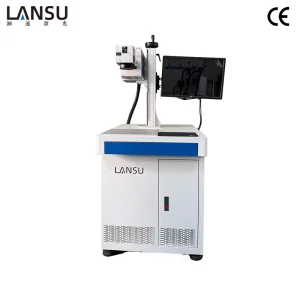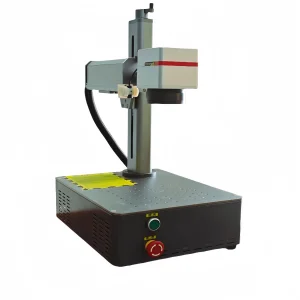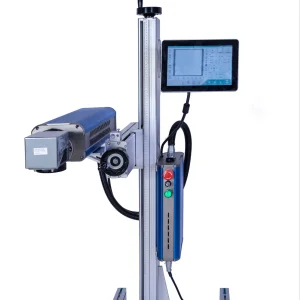
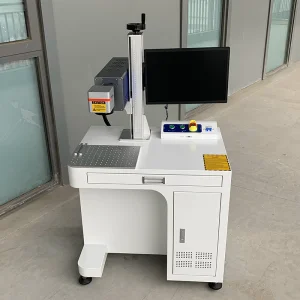
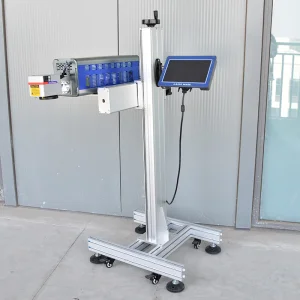
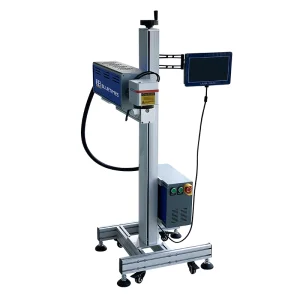
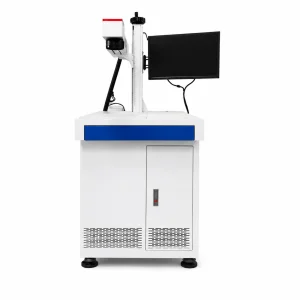
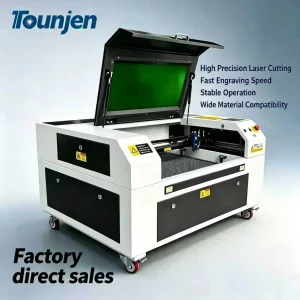
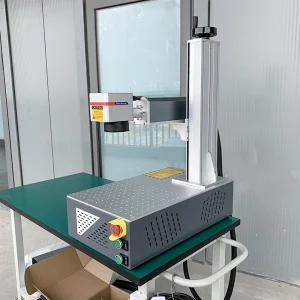
The global demand for high-speed, non-contact tracing solutions has catapulted the CO2 laser marking machine into the center stage of modern industrial manufacturing. Operating at a infrared wavelength band (predominantly 10.6μm, with specialized variations at 9.3μm and 10.2μm), CO2 laser systems remain unmatched in their ability to mark and engrave organic, non-metallic, and polymeric substrates. As global initiatives like the EU Corporate Sustainability Due Diligence Directive (CSDDD) and US FDA Unique Device Identification (UDI) tighten standards, permanent traceability has shifted from an operational luxury to a compliance necessity.
Today, high-output sectors—ranging from FMCG (Fast-Moving Consumer Goods) packaging to automotive components and biomedical supplies—depend on high-speed galvo scanning systems to embed high-density 2D codes, serialization barcodes, and logos. The industrial market is increasingly replacing inkjet coding with CO2 lasers. This transition is motivated by zero consumable cost matrices, reduced carbon footprints, and complete protection against chemical removal or wear.
Industry Data Insight: B2B Procurement data reveals that systems implementing integrated Radio Frequency (RF) metal tube resonators deliver up to 35% higher productivity and zero downtime over 20,000+ operating hours compared to glass tube counterparts.
When selecting a CO2 laser marking machine, B2B procurement managers and system integrators must determine the optimal resonator design. Below is a comparative analysis detailing the engineering trade-offs between RF (Radio Frequency) excited metal tubes and DC (Direct Current) glass tubes:
| Feature / Parameter | RF Metal Excitation Tube | DC Glass Water-Cooled Tube |
|---|---|---|
| Lifespan & Durability | High longevity (20,000 - 35,000 operating hours); gas refillable. | Lower longevity (3,000 - 10,000 hours); replacement required. |
| Beam Quality (M²) | Excellent (M² < 1.2), yielding ultra-fine spot size and sharp detail. | Moderate (M² > 1.5), thicker beam spot profile. |
| Response Time / Duty Cycle | Microseconds; ideal for dynamic high-speed flying production lines. | Milliseconds; restricted to static or lower-speed operations. |
| Thermal Control | Air-cooled or liquid-cooled variants with stable thermal equilibrium. | Mandatory external chiller water-cooling; prone to thermal drift. |
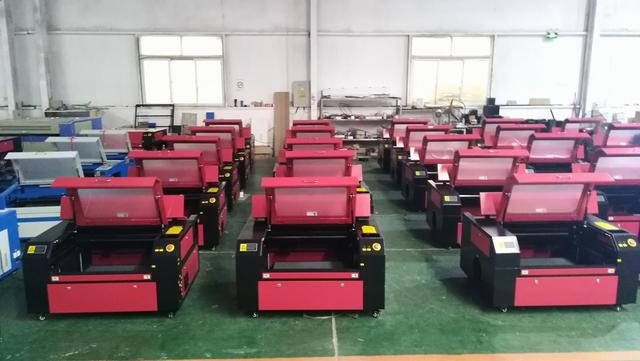
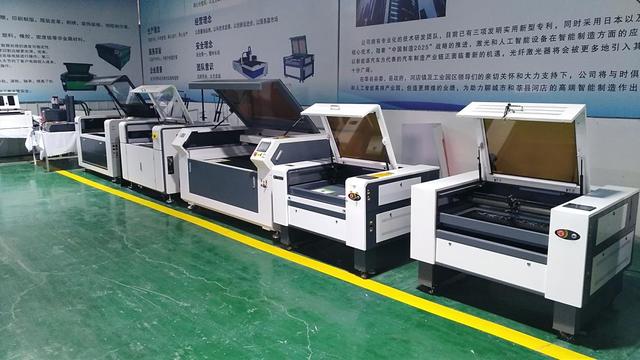
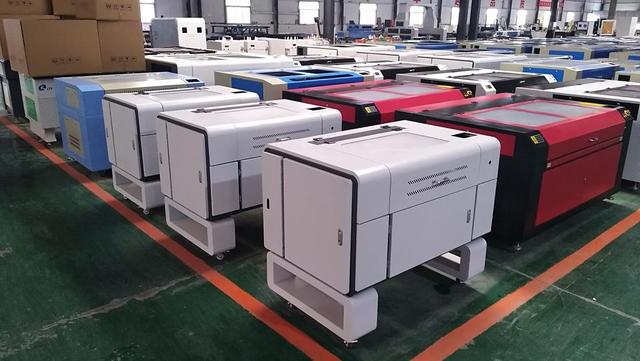
China's industrial manufacturing ecosystem has evolved from high-volume assembly to advanced optoelectronic design and precision engineering. As a premier China industrial laser marking machine manufacturer, Hangzhou Kinray Laser Co., Ltd. leverages a highly localized and specialized industrial cluster in Hangzhou. This geographic proximity to leading optical lens manufacturers, precision metal fabrication shops, and state-of-the-art galvanometer developers allows for unmatched efficiency and engineering control.
By streamlining component logistics, Kinray Laser can integrate top-tier components—such as high-speed digital galvo scanners, premium f-theta lenses, and advanced controller systems—while maintaining competitive pricing. This structural ecosystem enables rapid engineering iterations, flexible customized OEM/ODM adjustments, and comprehensive quality assurance testing protocols that align with European CE and North American FDA safety standards.
Every laser system undergoes 72 hours of uninterrupted dynamic load burn-in testing, structural alignment verification, and power output stability audits.
Tailored systems including robotic loader integrations, custom conveyers, vision registration systems, and multi-axis rotary modules.
Industrial manufacturing processes are highly diverse. The material interaction characteristics of the CO2 laser beam require specific configurations depending on the application context:
1. Organic Substrates (Wood, Paperboard & Leather): CO2 laser markers create high-contrast marks on wood and paperboard via direct thermal carbonization. This is widely used in luxury packaging, wooden crafts, and textile manufacturing. In leather processing, the CO2 laser offers simultaneous engraving and edge-sealing, preventing fraying on shoe uppers, automotive upholstery, and fashion accessories.
2. Synthetic Polymers & Plastics (PE, PVC, Acrylic, Rubber): Polymers interact strongly with the 10.6μm wavelength. For acrylic, the laser delivers flame-polished vector cuts and frost-textured engravings. For industrial PVC, PE, and rubber (such as wire insulation, hoses, and tires), the laser creates crisp, non-tactile codes that remain readable in harsh industrial environments.
3. Glass & Glazed Ceramics: The thermal stress induced by CO2 lasers creates micro-cracks on glass surfaces, resulting in a clean, frosted look without shattering the substrate. This is a common method for branding glass containers, laboratory glassware, and glazed ceramic kitchenware.
The industrial laser processing landscape is undergoing a rapid evolution toward intelligent, modular, and sustainable manufacturing practices:
Integrating high-definition coaxial or off-axis CCD cameras allows the system to recognize target parts in any orientation. The software dynamically matches the marking path, correcting for angle and scale, which minimizes product wastage.
Modern CO2 laser units support standard communication protocols like OPC UA, Profinet, and Modbus. This integration enables real-time status monitoring, remote diagnostics, and predictive maintenance schedules for plant managers.
Hangzhou Kinray Laser Co., Ltd. is a leading China industrial laser marking machine manufacturer specializing in advanced fiber and UV laser solutions for global manufacturing industries. With a strong focus on innovation, precision, and intelligent manufacturing, Kinray Laser is committed to delivering high-performance laser equipment that improves production efficiency, product traceability, and marking quality.
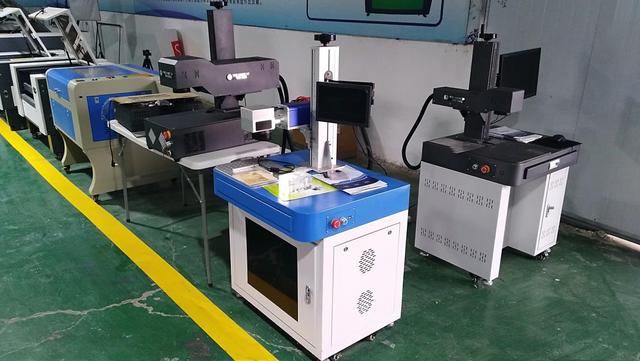
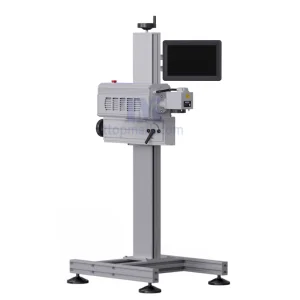
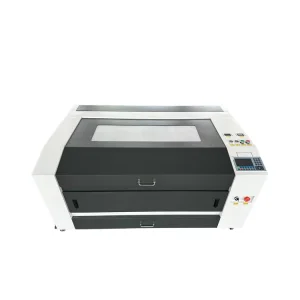
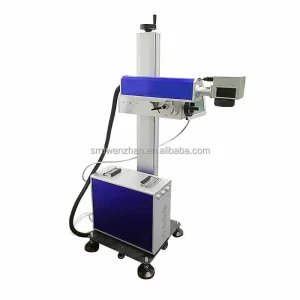
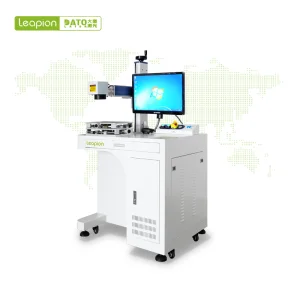
Located in Hangzhou, China, the company integrates research and development, manufacturing, sales, and technical support to provide comprehensive laser processing solutions for customers worldwide. Our extensive product portfolio includes fiber laser marking machines, UV laser marking machines, CO2 laser marking systems, MOPA laser markers, flying laser marking machines, 3D laser marking equipment, and customized automated laser solutions.
Kinray Laser products are widely used in electronics, automotive, medical devices, precision hardware, jewelry, packaging, aerospace, consumer goods, and industrial manufacturing industries. Designed for high-speed, high-precision, and permanent marking applications, our systems are capable of processing a wide range of materials, including metals, plastics, ceramics, glass, and composite materials.
Equipped with advanced production facilities and rigorous quality management systems, Kinray Laser maintains strict quality control throughout every stage of manufacturing. Each machine undergoes comprehensive testing to ensure stable performance, reliability, and compliance with international standards.
To support global customers, we offer flexible OEM and ODM services for distributors, system integrators, equipment brands, and industrial manufacturers. Our experienced engineering team works closely with customers to develop customized laser solutions tailored to specific production requirements, automation needs, and industry applications.
Driven by technological innovation and customer satisfaction, Hangzhou Kinray Laser Co., Ltd. continues to expand its global presence and strives to become a trusted partner for intelligent laser processing solutions, helping manufacturers achieve smarter, more efficient, and sustainable production.
 Kinray Laser