High-performance configurations tailored for modern manufacturing line integration, batch processing, and material tracing.
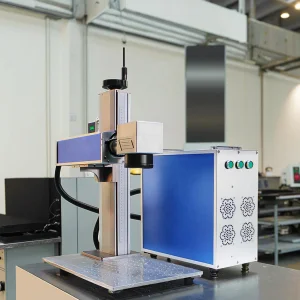
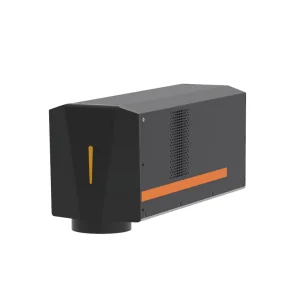
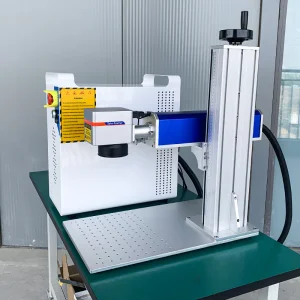
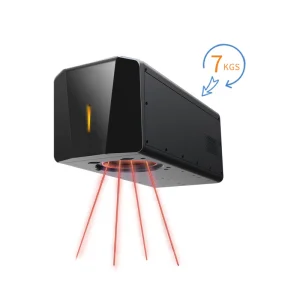
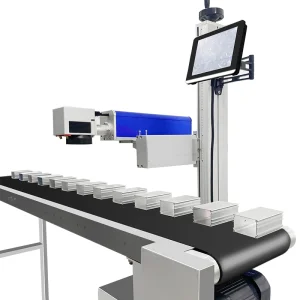
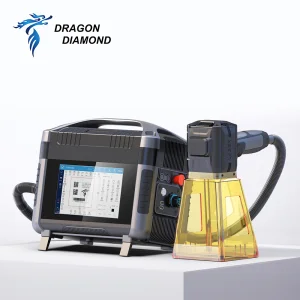
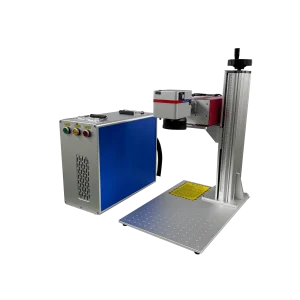
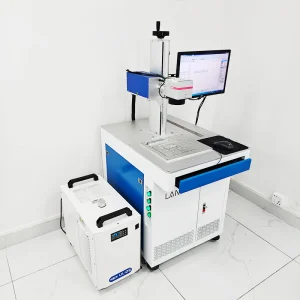
Unlike metal engraving, marking thermoplastic polymers, elastomers, and thermoset resins requires an intricate understanding of how light interacts with chemical structures. Traditional contact printing, ink-jetting, and chemical etching fail to deliver the longevity and structural integrity required by modern global industries. Laser marking solves this by utilizing non-contact, thermal, or photochemical mechanisms to produce irreversible contrast.
Depending on the plastic type (ABS, Polypropylene, Polyethylene, Polycarbonate, PVC, or PEEK), laser beams interact through either thermal degradation (carbonization/foaming) or photochemical alteration (cold marking). Selecting the appropriate wavelength is paramount. Short wavelengths, such as UV laser light (355 nm), allow for "cold marking," breaking chemical bonds in the plastic without causing thermal damage or melting, yielding ultra-high contrast on delicate medical or cosmetic packaging.
Hangzhou Kinray Laser Co., Ltd. has developed state-of-the-art architectures using fiber, CO2, and UV sources to precisely align with polymer properties, ensuring that structural barriers, gas permeability, and chemical resistance remain completely intact post-marking.
A professional comparative matrix designed to assist global engineers in selecting the correct laser source based on chemical compatibility.
| Laser Source | Wavelength | Interaction Mechanism | Target Plastics | Ideal Applications |
|---|---|---|---|---|
| UV (Ultraviolet) Laser | 355 nm | Photochemical ("Cold Marking") | PVC, PE, HDPE, ABS, PEEK, Silicone, PMMA | Medical implants, pharmaceutical bottles, electronic enclosures, micro-electronics |
| Fiber Laser (JPT/Max/Raycus) | 1064 nm | Carbonization & Foaming (Thermal) | Dark ABS, PC, Nylon (PA), PBT, POM | Automotive day/night buttons, tool handles, wire harness sleeves, industrial parts |
| CO2 Laser (9.3μm / 10.6μm) | 9.3 μm / 10.6 μm | Thermal Melting & Vaporization | Clear PET, Acrylic (PMMA), Polycarbonate, Wood/Composites | Mineral water bottles, transparent food containers, flexible film packaging |
| MOPA Fiber Laser | 1064 nm (Adjustable Pulse Width) | Controllable Heat Input / Foaming | Delicate plastics, multi-color PP, thin films | Intricate logos, high-contrast markings on electronic chargers, consumer goods |
Hangzhou Kinray Laser Co., Ltd. is a leading China industrial laser marking machine manufacturer specializing in advanced fiber and UV laser solutions for global manufacturing industries. With a strong focus on innovation, precision, and intelligent manufacturing, Kinray Laser is committed to delivering high-performance laser equipment that improves production efficiency, product traceability, and marking quality.
Located in Hangzhou, China, the company integrates research and development, manufacturing, sales, and technical support to provide comprehensive laser processing solutions for customers worldwide. Our extensive product portfolio includes fiber laser marking machines, UV laser marking machines, CO2 laser marking systems, MOPA laser markers, flying laser marking machines, 3D laser marking equipment, and customized automated laser solutions.
Kinray Laser products are widely used in electronics, automotive, medical devices, precision hardware, jewelry, packaging, aerospace, consumer goods, and industrial manufacturing industries. Designed for high-speed, high-precision, and permanent marking applications, our systems are capable of processing a wide range of materials, including metals, plastics, ceramics, glass, and composite materials.
Based in the high-tech hub of Hangzhou, China, coordinating state-of-the-art optoelectronic design and smart software engineering teams.
Equipped with advanced production facilities and rigorous quality management systems, Kinray Laser maintains strict quality control throughout every stage of manufacturing. Each machine undergoes comprehensive testing to ensure stable performance, reliability, and compliance with international standards.
To support global customers, we offer flexible OEM and ODM services for distributors, system integrators, equipment brands, and industrial manufacturers. Our experienced engineering team works closely with customers to develop customized laser solutions tailored to specific production requirements, automation needs, and industry applications.
Leveraging the robust industrial clusters and manufacturing ecosystems of Zhejiang Province to deliver competitive technical advantages.
By coordinating with regional premium optics, laser crystal manufacturers, and galvanometric scanner developers in China, Kinray Laser optimizes key cost drivers. This allows us to pass structural pricing efficiencies directly to global buyers, distributors, and integrators without compromising component quality.
Our Hangzhou engineering team specializes in mechanical design, electrical control, and software modification. We quickly integrate rotary attachments, high-speed conveyor belts, flight-marking sensors, dual-head configurations, and fully closed safety cabins into production lines, fitting your precise specifications.
Each unit undergoes a minimum 72-hour continuous burn-in test. We utilize optical power meters, beam profilers, and oscilloscope-monitored pulse analyses to check spot roundness, power stability, and electrical isolation before shipping to international markets.
Countries Exported
Years Laser R&D Experience
CE & ISO Compliance
Technical Support Availability
Ensuring seamless cross-border technical compliance, certification alignment, and post-installation service support.
Exporting industrial laser machinery into European Union markets, North America, and parts of the Asia-Pacific requires strict adherence to health, safety, and environmental protection guidelines. All Kinray Laser machinery possesses full CE Certification, aligning with the Machinery Directive (2006/42/EC) and Electromagnetic Compatibility Directive (2014/30/EU).
Moreover, for plastic laser markers targeting the medical instrument space, our systems comply with global UDI (Unique Device Identification) traceability standards. The marking software automatically generates and processes high-resolution Datamatrix codes, 2D barcodes, and serialized alphanumeric strings that resist chemical sterilization, autoclave cycles, and abrasion.
Furthermore, Kinray systems utilize high-quality components matching FDA CDRH standards for Class IV and Class I laser enclosures, protecting factory operators from harmful scatter radiation.
To eliminate timezone and language barriers, Hangzhou Kinray Laser has established a responsive global technical network:
Practical instances of our systems deployed across critical industries globally.
Scenario: Marking tracking metrics, VIN numbers, and barcode symbols directly onto under-the-hood nylon electrical housings, dashboard ABS buttons, and high-density PE fuel system connectors.
Requirement: Intense heat-resistance, anti-smudging profiles, and lasting mechanical permanence against fuel, oils, and physical wear.
Scenario: Precision micro-marking on high-purity polyurethane catheters, PEEK orthopedic implants, and PE syringes without leaving raised carbonization residues.
Requirement: Smooth, bio-compatible surface finishes that prevent bacterial adhesion, verified under microscopic QC systems.
Scenario: High-speed keyboard double-shot keycap legends and wear-resistant product labels engraved directly on Polycarbonate charging adapters.
Requirement: Exceptionally high resolution, repeatable geometries, and rapid throughput rates exceeding 100 parts per minute.
Where market demands and technological innovations intersect to define the next generation of marking systems.
Future production setups are moving away from manual alignment. Integrating coaxial visual positioning systems allows the marking unit to identify the exact position and rotation of plastic products on a moving conveyor. Once the mark is completed, the camera inspects code readability and layout accuracy, flagging defective components automatically.
Strict corporate ESG metrics are driving a decline in ink-jet coding methods. Traditional ink printing consumes hazardous solvents, chemical cleaners, and pigment cartridges, requiring recurring maintenance and disposal. Laser markers eliminate consumables entirely, reducing your plant's carbon footprint and lowering per-part operating costs.
Direct technical responses to common questions from manufacturing engineers and purchasing managers.
For standard dark ABS plastics, a 1064nm Fiber Laser is ideal. It interacts with the polymer matrix to create a bright, high-contrast foaming mark. For white ABS or high-flame-retardant polymers, a 355nm UV laser provides cleaner marking results without causing surface scorching or soot accumulation.
Cold marking uses a 355nm UV laser, where the high photon energy directly breaks molecular bonds within the plastic rather than generating heat. This process prevents thermal micro-cracking and deformation, which is crucial for medical devices like PVC catheters where surface smoothness must be maintained to prevent biological contamination.
We provide spare parts kits with each machine order, containing replacement optics, protection glasses, power supplies, and control cards. We also run a rapid dispatch program out of our factory in Hangzhou, air-shipping components to major destinations within 3 to 5 business days.
Yes. Our flying laser systems are equipped with rotary encoders, photoelectric speed sensors, and high-speed digital galvo heads. They easily integrate with automated conveyor belts to print variable barcodes, numbers, and dates onto moving packaging at speeds up to 200 meters per minute.
Explore our line of UV, CO2, and handheld laser markers engineered for various plastic processing needs.
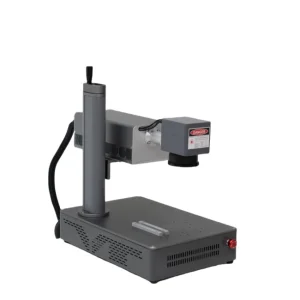
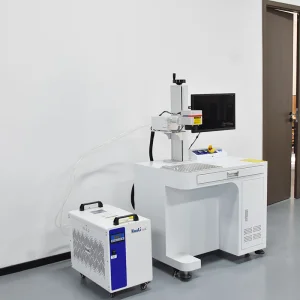
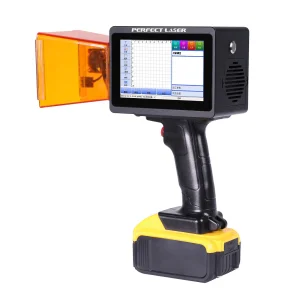
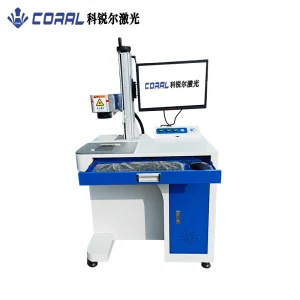
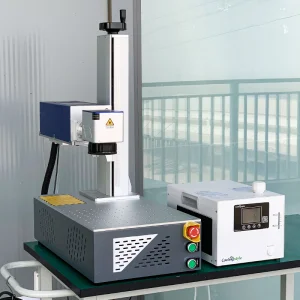
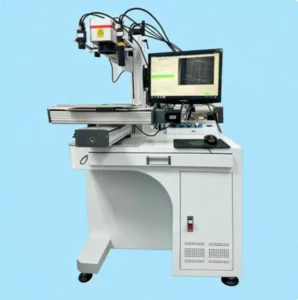
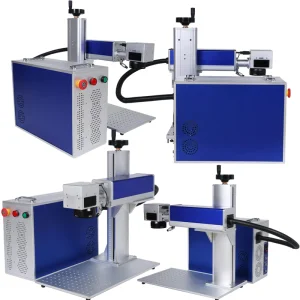
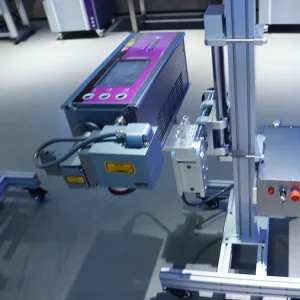
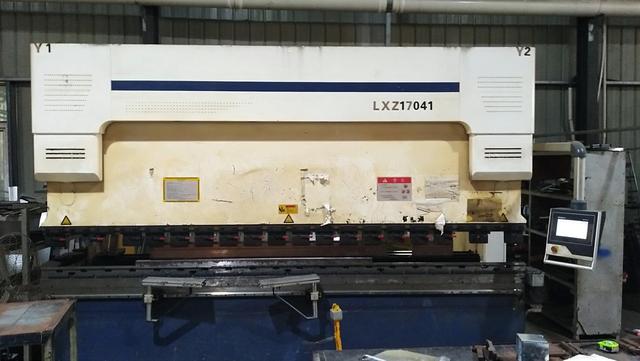
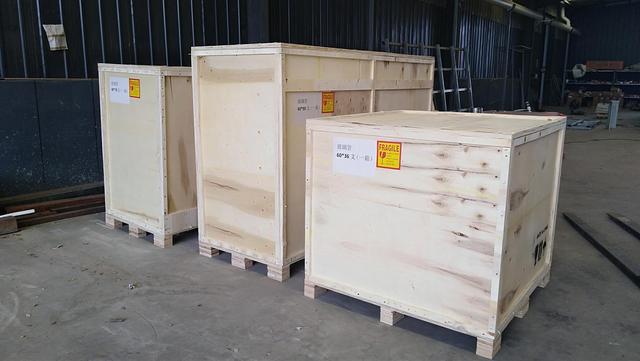
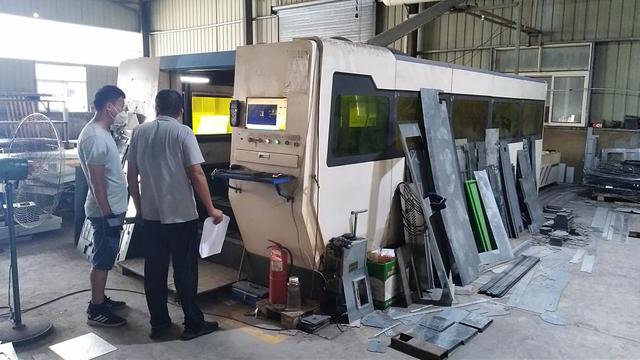
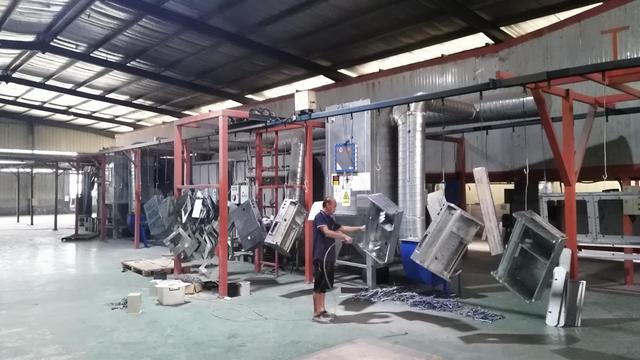
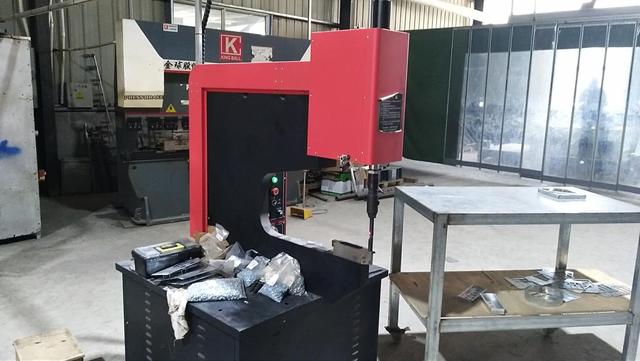
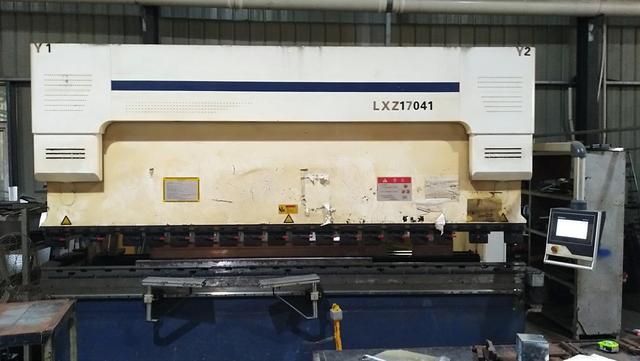
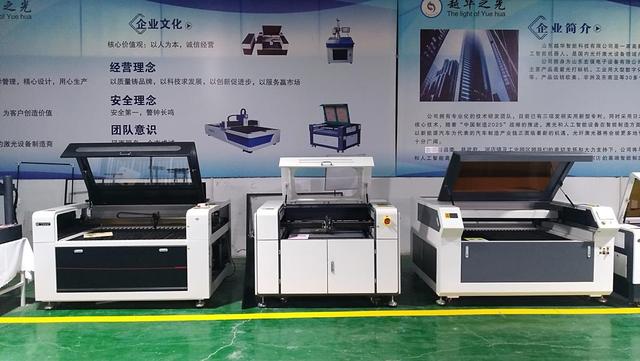
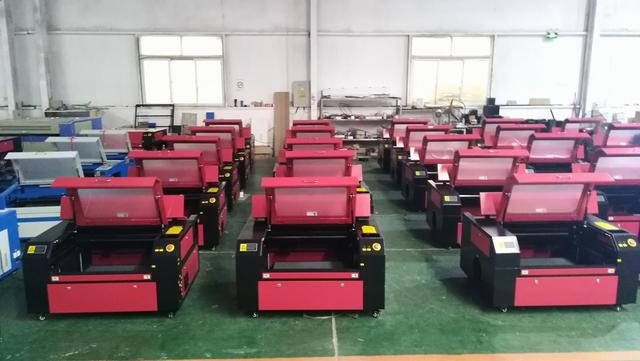
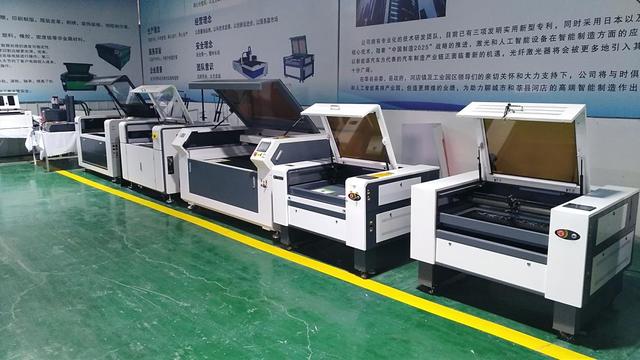
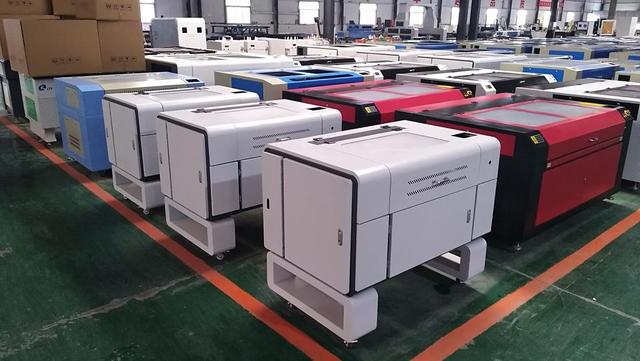
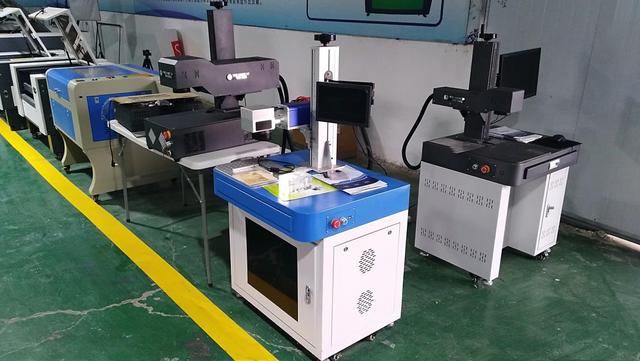
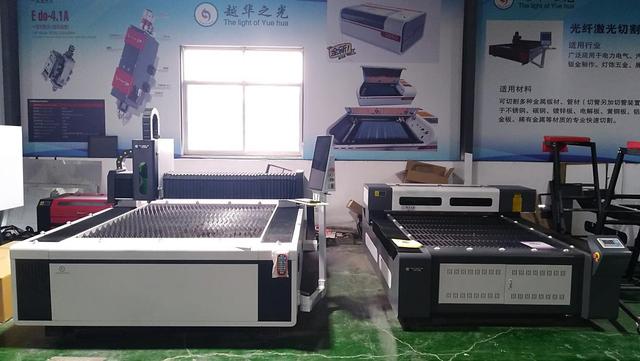
Inside Hangzhou Kinray Laser Co., Ltd. - Where advanced optical research translates into high-precision, robust manufacturing tools.
 Kinray Laser