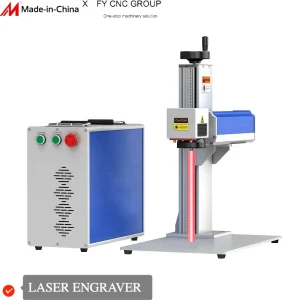
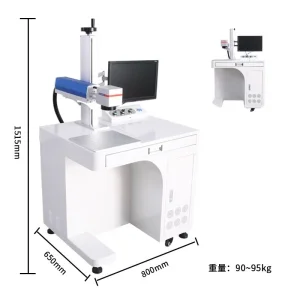
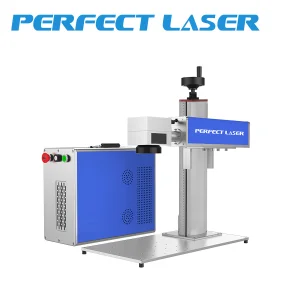
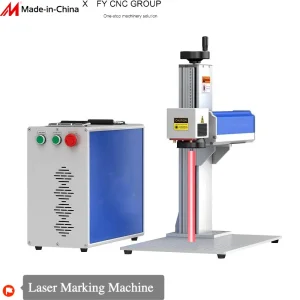
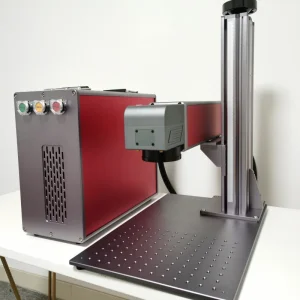
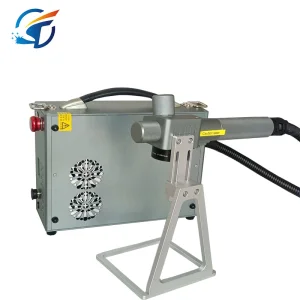
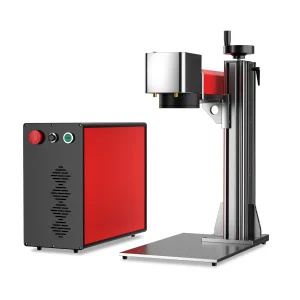
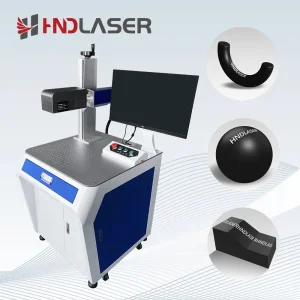
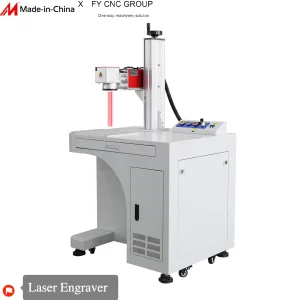
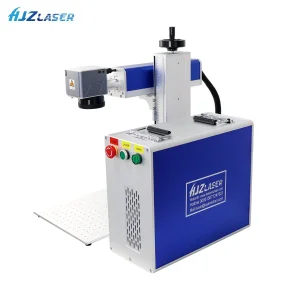
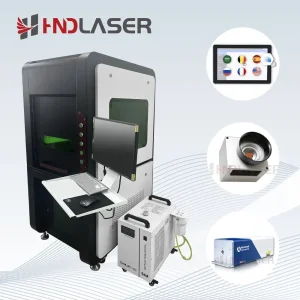
Explore our premium range of industrial MOPA and high-precision fiber laser markers engineered for complex component tracking and colorful metal surface engraving.
Unlike standard Q-switched fiber lasers, MOPA laser technology separates the pulse generation (Master Oscillator) from the power amplification stages (Power Amplifier). This structural layout allows operators to independently adjust pulse width (duration) and frequency.
By controlling pulse durations from 2ns to 500ns, MOPA lasers control the Heat Affected Zone (HAZ) with extreme precision. Short pulse widths reduce heat diffusion, preventing thermal deformation in sensitive materials like thin metals and plastics, while long pulses deliver the energy density required for deep metal engraving.
As a leading supplier, Kinray Laser supplies advanced JPT MOPA engines that provide precise control over frequency and pulse widths, unlocking capabilities like high-density black engraving on anodized aluminum and color marking on stainless steel and titanium.
Adjust between 2ns and 500ns to balance thermal penetration, peak pulse power, and material cooling rates.
Operates effectively at high pulse repetition frequencies up to 4000 kHz, delivering clean, high-density overlapping pulses.
A technical assessment showing why industrial plants choose MOPA architectures over traditional Q-switched configurations.
| Functional Parameter | Standard Q-Switched Laser | Kinray Advanced MOPA Laser | Direct Process Impact |
|---|---|---|---|
| Pulse Width Control | Fixed (typically 100ns – 150ns) | Adjustable (2ns – 350ns / 500ns) | Controls Heat Affected Zone (HAZ) and thermal stress. |
| Pulse Repetition Frequency | 20 kHz – 80 kHz | 1 kHz – 4000 kHz | Higher frequencies enable smooth color oxides and high-density markings. |
| Anodized Aluminum Marking | Aggressive, rough gray or white marks | Dense, high-contrast, non-destructive black marks | Protects structural coatings on consumer electronics. |
| Stainless Steel Color Tuning | Extremely limited or coarse shades | Precise control over colored oxide layers | Enables colorful logos without chemical pre-treatment. |
| Plastic / Polymer Performance | Frequent charring, melting, or deformation | Clean foaming or color changes | Ideal for medical catheters, ABS enclosures, and back-lit buttons. |
Analyzing key industrial market trends, supply chain dynamics, and regulatory requirements shaping the laser processing sector.
Global regulations for components require permanent, high-contrast identification codes on small electronics and complex automotive parts.
MOPA systems integrate into modern smart manufacturing lines, offering fast cycle times, minimal downtime, and low energy draw.
Processes a wide variety of materials, transitioning from thin copper foils to colored stainless steel and multi-colored medical polymers.
From high-end European watchmaking to mass consumer electronics production in Asian technology hubs, MOPA meets specialized marking challenges.
Marks clean, high-contrast, corrosion-resistant black logos and information on anodized aluminum device housings, preserving the integrity of protective coatings.
Delivers chemical-resistant, passive markings on medical instruments and surgical implants, maintaining corrosion resistance under autoclaving and sterilization.
Enables clean day-and-night light-transmitting symbols on automotive instrument panels and buttons, removing painted coatings from underlying transparent plastics with precision.
Creates colorful, high-contrast markings on stainless steel and titanium components by controlling surface oxide thickness to generate precise color interference patterns.
Allows high-speed stripping of surface insulation layers on copper and aluminum batteries, avoiding thermal damage to active interior components.
Pairs with high-speed galvo scanning systems to engrave detailed patterns on gold, silver, and platinum with minimal material loss and high edge definition.
The manufacturing landscape continues to demand higher throughput, tighter integration, and smarter processing systems. To meet these challenges, MOPA laser technology is evolving along three key technical axes:
Kinray Laser is integrating automated visual systems and high-frequency MOPA engines into custom assembly line modules, helping distributors deliver turn-key integration for automotive, packaging, and electronics assembly lines.
Hangzhou Kinray Laser Co., Ltd. is a manufacturer specializing in advanced industrial laser marking systems, serving global distribution networks and manufacturing operations.
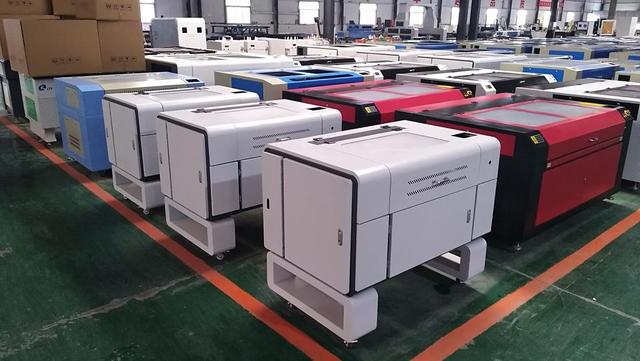
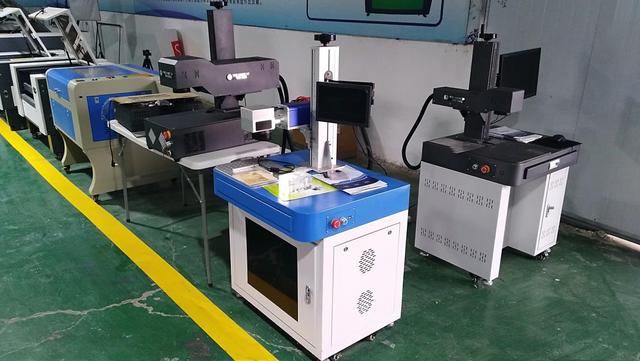
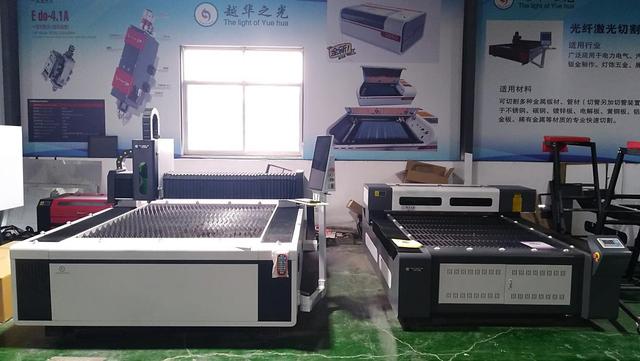
Located in Hangzhou, China, the company integrates research and development, manufacturing, sales, and technical support to provide comprehensive laser processing solutions for customers worldwide. Our extensive product portfolio includes fiber laser marking machines, UV laser marking machines, CO2 laser marking systems, MOPA laser markers, flying laser marking machines, 3D laser marking equipment, and customized automated laser solutions.
Kinray Laser products are widely used in electronics, automotive, medical devices, precision hardware, jewelry, packaging, aerospace, consumer goods, and industrial manufacturing industries. Designed for high-speed, high-precision, and permanent marking applications, our systems are capable of processing a wide range of materials, including metals, plastics, ceramics, glass, and composite materials.
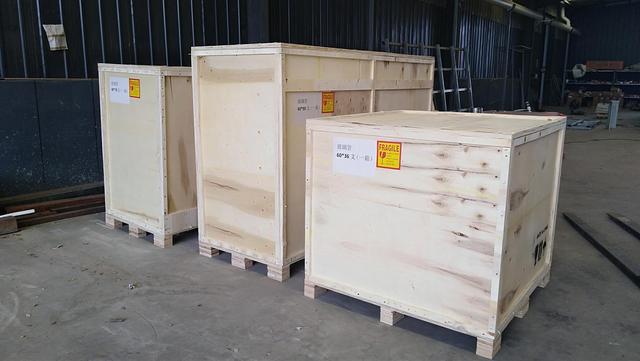
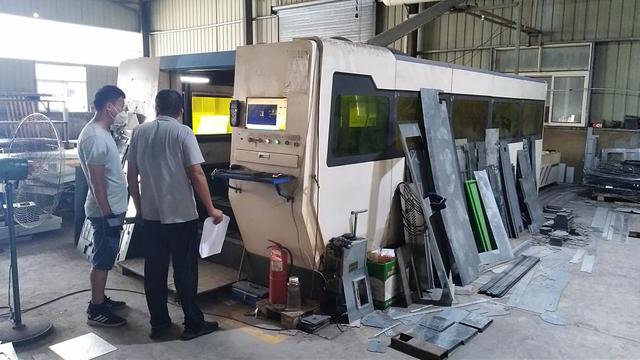
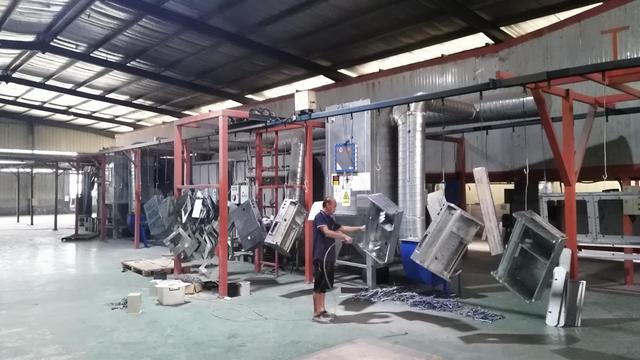
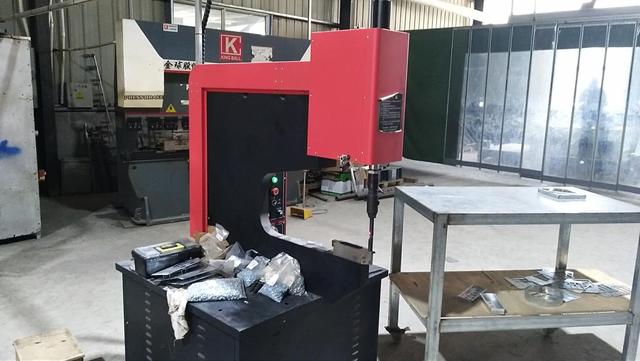
Equipped with advanced production facilities and rigorous quality management systems, Kinray Laser maintains strict quality control throughout every stage of manufacturing. Each machine undergoes comprehensive testing to ensure stable performance, reliability, and compliance with international standards.
To support global customers, we offer flexible OEM and ODM services for distributors, system integrators, equipment brands, and industrial manufacturers. Our experienced engineering team works closely with customers to develop customized laser solutions tailored to specific production requirements, automation needs, and industry applications.
Driven by technological innovation and customer satisfaction, Hangzhou Kinray Laser Co., Ltd. continues to expand its global presence and strives to become a trusted partner for intelligent laser processing solutions, helping manufacturers achieve smarter, more efficient, and sustainable production.
Critical purchasing parameters, application options, and functional explanations to help guide your sourcing decisions.
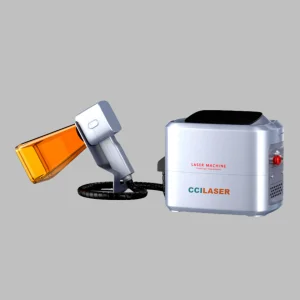
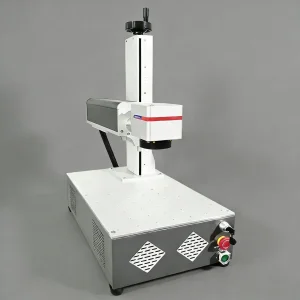
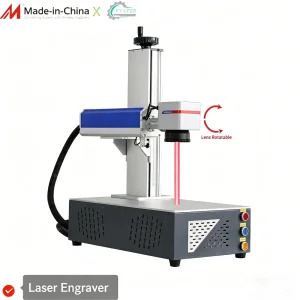
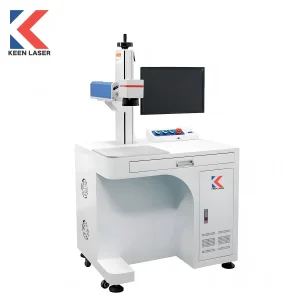
Browse our selection of precision laser equipment, including 3D galvo scanners and mini handheld systems designed for diverse factory floors.
 Kinray Laser