2026 Best Materials for Laser Marking You Should Know?

Time:2026-07-06 Author:Oliver
0%

Laser marking technology has emerged as a crucial process in various industries. Manufacturers increasingly seek materials that can withstand high precision and durability. According to a report by MarketsandMarkets, the laser marking market is expected to reach $3.12 billion by 2025, reflecting significant growth. This indicates a growing demand for understanding what materials can be laser marked.

In 2026, businesses must focus on the best materials suitable for laser marking. Common choices include metals, plastics, and ceramics. Each material has unique properties that affect marking quality. For example, metals offer excellent contrast, while certain plastics allow for deeper marks. However, not all materials perform equally. This can lead to inconsistent results if improper choices are made.

Understanding the right materials is essential. Many businesses still struggle with optimizing their laser marking processes. Some fail to consider specific characteristics, such as texture and color. This can hinder effective results. Overall, identifying suitable materials remains a challenge. It necessitates a balance between innovation and practical application.
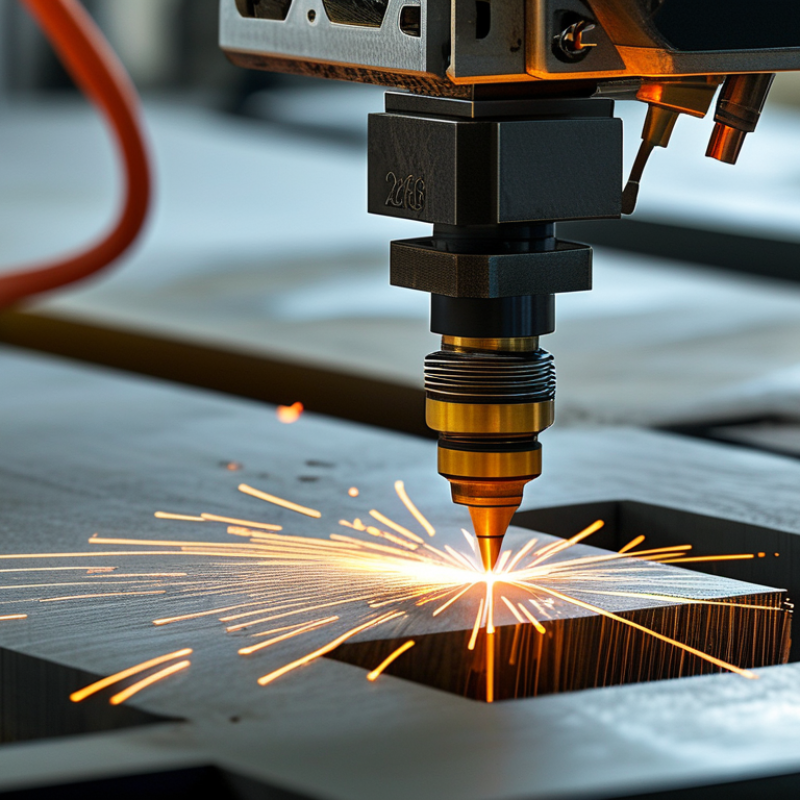
2026 Best Materials for Laser Marking You Should Know?

Overview of Laser Marking Materials

Laser marking has become increasingly popular in various industries. Different materials react uniquely to the laser's intensity and wavelength. Understanding these materials is essential for achieving high-quality results.

Metals are among the most common materials used in laser marking. Stainless steel, aluminum, and brass provide strong adhesion to laser markings. They exhibit clean, precise engravings. Wood is another versatile option. It can achieve a rustic charm with light engraving or deep burning. Plastics like acrylic are also popular. They offer vibrant color contrasts, enhancing visibility.

Tip: Always test the laser settings on a small piece before marking the entire item. This step helps avoid material damage.

Ceramics often produce stunning results, especially in custom items. Achieving the right temperature is crucial here. Glass can also be marked, though it requires a more delicate touch. Knowing the right power settings can reduce the risk of cracks.

Tip: Keep the laser lens clean to maintain consistent marking quality. A dirty lens can affect precision and clarity.

Each material presents unique challenges. Getting a perfect finish may take trial and error. Therefore, being patient and reflective during the process can lead to significant improvements. Understanding these factors will enhance your marking quality dramatically.

Types of Materials Suitable for Laser Marking

Laser marking is a versatile technology. It can be used on various materials. Understanding which materials are suitable is crucial for effectiveness.

Metals are a popular choice. Stainless steel, aluminum, and brass are commonly marked. Each metal reacts differently to laser intensity. The finish can affect clarity. Some metals may require surface preparation. Plastics, such as acrylic and polycarbonate, can also be marked. The results vary based on color and type. Darker plastics often yield better contrast.

Ceramics and glass are interesting too. They can produce stunning finishes, but they are fragile. Precision is key to avoid cracking. Wood is another material that can be marked beautifully. However, it’s essential to control the power. Too much heat can char the surface. Experimentation is often necessary. In some cases, the results may not meet expectations. Careful selection and testing of materials enhance outcomes.

Factors Influencing Material Selection for Laser Marking

When selecting materials for laser marking, various factors significantly influence your choice. Understanding these factors can lead to better marking results. The type of material is crucial. Metals, plastics, and ceramics react differently to laser processes. For instance, some metals may require a specific wavelength to achieve optimal contrast. Conversely, plastics can vary by their chemical composition, affecting engraving depth and clarity.

Tip: Always confirm the material's compatibility with your laser system. Conducting tests on small samples can save time and resources in the long run.

Another vital factor is the desired outcome of the marking. Will it be for aesthetic purposes, like logos, or functional, like barcodes? This decision affects both the material choice and the laser settings. Additionally, surface texture plays a role. Smooth surfaces allow for finer detail, while rough textures can diffuse the laser beam, impacting the finished appearance.

Tip: Keep a log of your findings. Documenting results helps refine your material selection and marking techniques over time.

Consider environmental factors too. Some materials can produce harmful fumes when marked. Always prioritize safety by using appropriate ventilation and protective equipment. Balancing these considerations will enhance your laser marking quality and efficiency.

Application Areas for Laser Marking Materials

Laser marking is gaining traction across multiple industries due to its efficiency and precision. The choice of materials plays a crucial role in achieving ideal results. Various applications exist, from automotive parts to medical devices. In the automotive sector, metals like aluminum and stainless steel are commonly marked for traceability. These materials require specific laser settings to ensure clarity and durability.

In the medical industry, biocompatible plastics and glass are often preferred. These materials need to withstand sterilization processes while retaining the markings. The challenge lies in balancing the marking quality with the material's integrity. Some plastics can melt or deform, so it's essential to test different laser settings carefully.

Consumer products also benefit from laser marking techniques. Paper, wood, and acrylic are popular choices for branding and packaging. Each of these materials absorbs laser energy differently, which can affect the final outcome. Understanding these nuances is vital for achieving a professional finish. Nonetheless, issues can arise—like inconsistent depth or visibility—prompting a re-evaluation of the marking parameters used. Continuous improvement in material selection is crucial for successful laser marking.

2026 Best Materials for Laser Marking You Should Know

Material Type Applications Advantages Disadvantages
Stainless Steel Metal Industrial parts, Medical devices Durable, Corrosion-resistant Costly, Heavy
Acrylic Plastic Signage, Awards, Puzzles Lightweight, Colorful options Less durable than metals
Aluminum Metal Nameplates, Tags Lightweight, Excellent corrosion resistance May require anodization
Wood Natural Material Decorative items, Furniture Aesthetically pleasing, Unique markings Can be damaged by moisture
Ceramic Composite Material Kitchenware, Decorative tiles Heat-resistant, Durable Brittle, More difficult to work with

Future Trends in Laser Marking Material Development

The future of laser marking materials is evolving rapidly. As industries seek better solutions, new materials must keep pace with technology. Innovations in metal, plastic, and ceramic materials shape the landscape of laser marking. These materials require unique properties like durability and flexibility. Improved surface textures can enhance marking quality and efficiency.

When considering the right materials, it’s crucial to focus on long-lasting results. Look for materials that withstand extreme conditions. They should also maintain clarity and precision. Not all materials perform equally. Testing various options helps identify what works best for specific applications.

Tips: Always permit some material testing. It may lead to unexpected discoveries. Keep an eye on emerging materials. Technologies like nanotechnology could revolutionize laser marking. Reach out to material scientists for insights. Their expertise can provide guidance on the latest trends. Embrace the uncertainty in material performance; it often leads to innovation.

2026 Best Materials for Laser Marking

FAQS

: What types of materials are commonly used for laser marking?

: Metals like stainless steel, aluminum, and brass are the most common. Wood and plastics like acrylic are also popular.

Why is it important to test laser settings before marking?

Testing settings on a small piece helps prevent material damage and ensures quality results.

Are ceramics good for laser marking?

Yes, ceramics can produce stunning results, but proper temperature management is essential.

How does cleanliness affect laser marking?

A dirty lens may lead to poor precision and clarity. Keeping it clean is crucial for quality.

What challenges might you face with different materials?

Each material has unique challenges. Getting a perfect finish often requires patience and trial and error.

What should you focus on when selecting materials?

Look for durability and flexibility. Materials should withstand extreme conditions while maintaining clarity.

How can testing various materials improve results?

Testing allows you to identify which materials perform best for specific applications and can lead to unexpected discoveries.

What upcoming trends may impact laser marking materials?

Innovations in nanotechnology and improved surface textures may enhance marking quality and efficiency in the future.

Why is embracing uncertainty important in laser marking?

Unpredictability can lead to breakthroughs. Many advancements come from exploring unknown aspects of materials.

How can material scientists help with laser marking?

They provide valuable insights into the latest trends and help choose the best materials for specific needs.

Conclusion

Laser marking has emerged as a versatile technology used across numerous industries, highlighting the importance of understanding what materials can be laser marked. Materials such as metals, plastics, ceramics, and glass are ideal candidates for this process, each offering unique characteristics that dictate their suitability based on various applications. Factors like the type of laser technology employed, the desired finish, and the specific requirements of the end use all play a crucial role in material selection.

As industries continue to evolve, future trends in laser marking materials will likely focus on advanced composites and sustainable materials. These innovations will enhance the efficiency and environmental sustainability of the marking process, expanding the possibilities of laser marking in new applications. With continuous advancements, understanding the diverse range of materials suitable for laser marking remains essential for maximizing the technology's benefits.

Oliver

Oliver

Oliver is a seasoned marketing professional with a wealth of expertise in driving brand awareness and engagement. With a deep understanding of our company's product offerings, he consistently delivers high-quality content that enriches our professional blog. His insights not only shed light on......