Laser marking technology has gained momentum in recent years, especially in global industries. As manufacturers seek efficiency and precision, the question arises: what are the benefits of laser marking? This innovative method offers distinct advantages that can enhance production processes and product quality.
One notable benefit is the precision it provides. Laser marking ensures that designs are clear and detailed, a vital factor for branding. Furthermore, this technology is incredibly versatile. It works on various materials, from metals to plastics, making it adaptable for countless applications. The durability of laser markings is another point of interest; they resist wear and environmental damage better than traditional methods.
However, not all is perfect. Some complications can arise during the setup process, such as equipment calibration issues. Businesses must also consider initial costs for laser marking systems, which can be significant. Despite these challenges, the long-term advantages often outweigh the drawbacks, prompting many companies to explore this technology further.
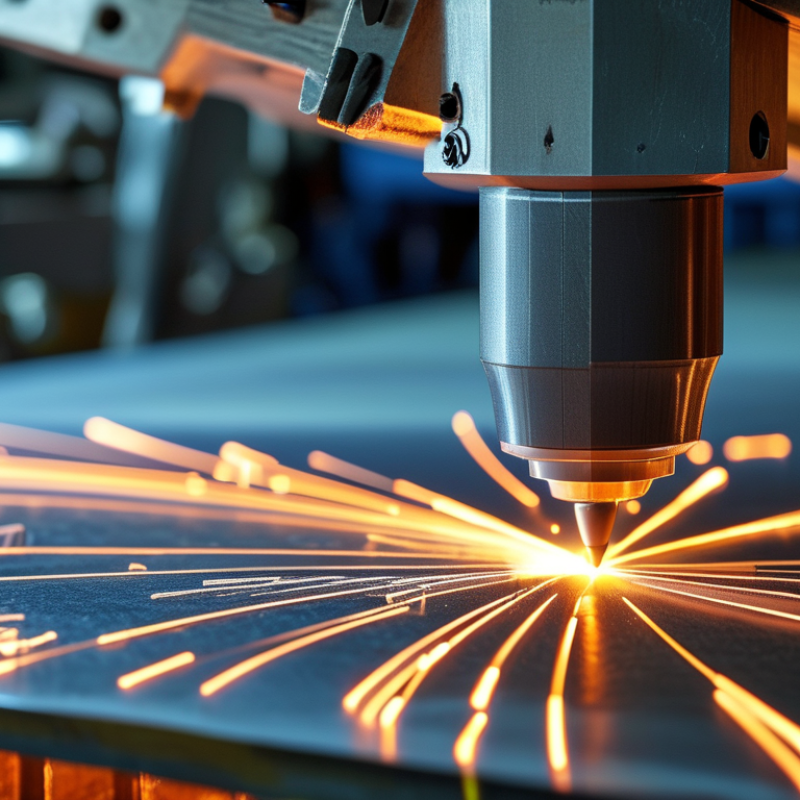
Understanding Laser Marking Technology and Its Applications
Laser marking technology has become increasingly popular for its precision and versatility. It employs a focused laser beam to create permanent marks on various materials. This technology is beneficial across multiple sectors, including manufacturing and electronics. In fact, recent reports indicate that the global laser marking market is expected to grow at a CAGR of around 5.5% through 2027. This growth is attributed to the rising demand for high-quality and durable marking solutions.
Understanding the applications of laser marking reveals its effectiveness. For example, it can be used for product branding, identification, and traceability. These capabilities are critical in industries such as automotive and medical devices, where compliance with regulations is essential. Moreover, laser marking enhances aesthetics, giving products a professional look. However, challenges remain, particularly concerning setup costs and the need for skilled operators.
Tip: Always consider the material you wish to mark. Different materials react differently to lasers, affecting quality and efficiency. Regular training for staff can improve operational efficiency and reduce errors. Keep in mind that while laser marking can offer significant benefits, continuous refinement of techniques is necessary to stay competitive.
Cost-Effectiveness of Laser Marking for Global Buyers
Laser marking offers significant cost-effectiveness for global buyers. Businesses can achieve permanent markings without the recurring costs of ink or replacement parts. This reduces long-term expenses, especially for high-volume production. The initial investment in laser equipment may seem high, but the returns are noteworthy.
Precision is another major benefit. Laser marking creates clear, sharp designs on various materials, enhancing product appeal. Buyers can customize items easily, which can boost brand identity. However, this process may require skilled operators, as improper handling can lead to errors. Companies must balance the learning curve with the efficiency gains.
Additionally, laser marking is an eco-friendly option. It generates minimal waste compared to traditional methods. However, businesses must consider energy consumption and maintenance costs. Overall, laser marking stands out as a valuable choice for global buyers, combining quality with economic benefits.
Enhanced Precision and Quality in Laser Marking Processes
Laser marking offers enhanced precision and quality that significantly benefits global buyers. This technique allows for intricate designs and clear texts on various materials. Precision is vital in industries like electronics and aerospace. With laser marking, details are sharp and easy to read. This improves product identification and can reduce errors in manufacturing.
One key aspect is the ability to mark on diverse surfaces. Whether it's metal, plastic, or glass, the laser can adapt. This flexibility allows businesses to cater to different customer needs. However, some buyers may initially find it challenging to choose materials suitable for laser marking. The learning curve can be steep. Understanding surface compatibility is essential.
Tips: Always consult with experts before finalizing your material choice. Test small samples to gauge the marking quality. Additionally, consider the environmental impact of your materials. Sustainable choices can enhance your brand image while providing excellent marking quality.
Sustainability Benefits of Using Laser Marking Solutions
Laser marking solutions provide significant sustainability benefits for businesses worldwide. The technology is energy-efficient, reducing operational costs while contributing to environmental preservation. Studies suggest that laser marking uses 50% less energy compared to traditional marking methods. This efficiency minimizes the carbon footprint, aligning with global sustainability goals.
In addition, laser marking eliminates hazardous materials like inks and solvents, which pose risks to both health and environment. According to research, over 50% of industries that switched to laser systems reported a substantial decrease in chemical waste. This shift not only enhances workplace safety but also streamlines disposal processes, benefiting both the company and the local ecosystem.
Despite these advantages, some challenges remain. The initial setup cost for laser marking machines can be daunting for small businesses. Companies must weigh these upfront expenses against long-term savings. Additionally, ongoing maintenance and training are required to maximize efficiency. Continuous evaluation is essential to ensure that the chosen marking solution remains effective and sustainable over time.
The Versatility of Laser Marking Across Various Industries
Laser marking has transformed various industries, offering unparalleled versatility. In automotive manufacturing, for instance, clear and durable markings on parts enhance traceability. According to a market report, the demand for laser marking in this sector has surged by 15% annually over the past five years. This technology ensures precision in marking serial numbers and codes, contributing to improved safety and compliance standards.
In the food and beverage industry, laser marking provides eco-friendly packaging solutions. This method eliminates the need for ink, reducing chemical waste. A recent study indicated that 72% of companies are transitioning to laser marking to meet sustainability goals. This shift not only lowers environmental impact but also enhances product labeling accuracy. However, challenges remain, such as potential costs associated with advanced equipment.
The healthcare sector also benefits from laser marking for surgical instruments and medical devices. Clear identification minimizes risks during surgical procedures. A research survey highlighted that 68% of hospitals now rely on laser markings to improve patient safety. Yet, not all facilities have adapted to this technology, indicating a need for further education and resources. In summary, laser marking presents clear advantages, but the journey towards widespread adoption still requires attention.
Top 10 Benefits of Laser Marking for Global Buyers
FAQS
: Laser marking is a technology that uses lasers to create precise designs and texts on different materials.
Laser marking offers enhanced precision and clarity, reducing manufacturing errors and improving product identification.
Laser marking can be applied to a variety of surfaces, including metal, plastic, and glass.
It’s essential to understand surface compatibility and to consult experts or test small samples for quality.
Laser marking uses less energy and eliminates harmful materials, reducing environmental impact and chemical waste.
Laser marking can use up to 50% less energy than traditional marking techniques, promoting cost efficiency.
Initial setup costs can be high, and businesses need to consider ongoing maintenance and training requirements.
Continuous evaluation ensures that the marking solution remains effective and sustainable over time.
Utilizing sustainable materials and practices can enhance your brand's reputation and align with customer values.
Consider the challenges, costs, and knowledge required for successful implementation and ongoing usage.
Conclusion
Laser marking technology has become increasingly popular among global buyers due to its numerous advantages. Understanding laser marking technology is crucial, as it offers a cost-effective solution for businesses aiming to streamline their marking processes. With enhanced precision and quality, laser marking ensures that products are marked accurately and reliably, which is key in maintaining brand integrity and compliance with industry standards. Furthermore, the sustainability benefits of laser marking contribute to environmentally friendly manufacturing practices, appealing to buyers who prioritize eco-conscious solutions.
What are the benefits of laser marking? Its versatility allows it to be employed across various industries, from manufacturing to healthcare, accommodating diverse materials and applications. The combination of cost-effectiveness, precision, and environmental sustainability makes laser marking an attractive option for global buyers seeking efficient and contemporary marking solutions. In summary, laser marking technology not only meets the commercial needs of today’s markets but also paves the way for innovative, responsible practices in product labeling and identification.

 Kinray Laser