In today’s competitive manufacturing landscape, companies are constantly seeking ways to improve efficiency and reduce expenses. One method gaining traction is the use of laser marking techniques. John Smith, a leading expert in industrial laser applications, states, “Implementing laser marking can significantly lower production costs while enhancing product quality.” This insight illustrates the dual benefits that laser technology can bring to production workflows.
Laser marking not only streamlines the marking process, but it also reduces material waste. Unlike traditional methods, laser marking is precise and eliminates the need for inks or labels. However, the initial investment in laser equipment can be daunting for some businesses. It requires careful consideration and planning. Yet, the long-term savings and increased productivity often outweigh these upfront costs.
The challenge remains in properly integrating this technology into existing processes. Adapting to new techniques can be complex, and some organizations find it difficult. It is crucial to train staff effectively and manage the transition smoothly. By addressing these potential hurdles, companies can truly discover how to reduce production costs with laser marking.
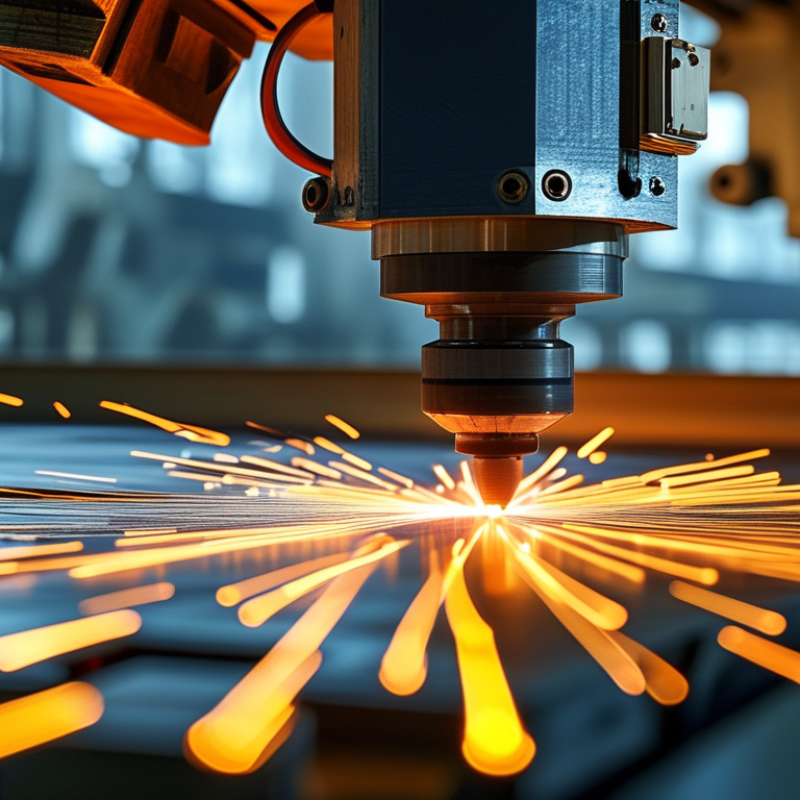
Laser marking is a technique gaining traction in various industries. It involves using a focused laser beam to engrave or mark materials. This method provides precision and can reduce production costs significantly.
Understanding laser marking techniques is essential for leveraging their benefits. The process is versatile, applicable to metals, plastics, and ceramics. It minimizes waste and enhances quality. Moreover, the precision of laser marking reduces the risk of errors, leading to fewer defects. This approach not only ensures consistent results but also cuts down on rework.
However, adapting to laser marking may pose challenges. Initial equipment costs can be high. Businesses need to evaluate their return on investment. Additionally, workers require training to manage new technologies effectively. Embracing these techniques requires commitment and effort. The potential cost reductions and efficiency gains can offset the initial hurdles if implemented thoughtfully.
Evaluating current production methods is crucial for identifying cost reduction opportunities. Many manufacturers overlook laser marking techniques, which can significantly lower expenses. Traditional methods often involve expensive materials and extensive labor. Switching to laser marking can streamline production and reduce waste.
It's essential to analyze existing workflows. Look for redundancies that contribute to excessive costs. For example, assess the time spent on labeling and engraving. If teams are using manual methods, that can lead to errors and delays. Laser marking can automate these processes, ensuring consistency and precision.
When evaluating cost-saving strategies, focus on the equipment and materials used. Laser technology requires an upfront investment, but the long-term savings are worth it. Consider the lifespan of tools and compare them to traditional methods. You might be surprised by how much you can save in maintenance alone. Regular assessments can help keep costs in check and lead to unexpected discoveries for further efficiency enhancements.
| Production Method | Cost per Unit ($) | Time per Unit (mins) | Waste (%) | Laser Marking Impact on Cost ($) |
|---|---|---|---|---|
| Traditional Ink Marking | 2.50 | 10 | 5 | 0.50 |
| Laser Marking | 1.80 | 8 | 2 | 0.30 |
| Screen Printing | 2.20 | 12 | 7 | 0.40 |
| Pad Printing | 2.70 | 15 | 6 | 0.60 |
| Digital Printing | 2.00 | 9 | 4 | 0.45 |
Laser marking offers a practical solution for reducing production costs. By utilizing this technology, manufacturers can streamline their processes and enhance productivity. Laser marking eliminates the need for inks and labels, which often contribute to waste. This technique allows for direct marking on products, ensuring clarity and precision. It reduces material costs and minimizes the environmental footprint.
Efficiency can be seen in the speed of production cycles. Laser marking systems operate quickly and require minimal maintenance. However, transitioning to this technology presents challenges. Training staff and integrating new systems can require time and resources. Sometimes, the initial investment may seem daunting. It's essential to evaluate these factors when considering laser marking.
Ultimately, reducing waste is a significant benefit of laser marking. Accurate markings reduce rework and promote higher quality standards. Companies can also better track inventory, improving logistics and batch management. Reflecting on the implementation process may reveal areas for improvement. Each step taken towards adopting laser marking is a step toward greater efficiency.
When evaluating production costs, laser marking techniques offer an efficient alternative to traditional methods. Laser marking can reduce expenses in several ways. For example, it minimizes material waste by precisely marking the surface. Unlike traditional methods, there is no need for ink or stencils, which must be regularly replaced. This creates savings in both time and costs associated with consumable supplies.
Laser systems may have a higher initial investment, but their longevity and low maintenance can lead to better cost efficiency over time. The energy consumption is also generally lower, reducing ongoing operating costs. Additionally, the speed of laser marking contributes to increased productivity, further impacting overall cost.
It’s wise to analyze the specific needs of your production before making a switch. Consider the type of materials you use. Certain surfaces may react better to laser marking, enhancing the end result. Furthermore, calculate the potential savings in labor and material costs when using laser systems versus traditional techniques. These details can make a significant difference in your overall budget. Reflecting on these factors can guide your decision towards a more cost-effective production process.
Laser marking techniques are transforming production processes across various industries. By integrating these methods, many companies have reported significant cost reductions. In several case studies, businesses transitioning to laser marking have experienced notable decreases in material waste and labor hours. One factory that switched from traditional printing to laser marking saw a 25% reduction in processing time. This shift not only lowered costs but also enhanced product quality.
When considering laser marking, companies should assess their existing setup. Evaluate the materials used and look for opportunities to optimize the design. Experimenting with different laser settings can yield better results while minimizing resource use. A focus on continuous improvement can lead to long-term savings.
Another essential aspect is staff training. Adequately trained employees ensure the equipment is used effectively. Misunderstandings can lead to costly mistakes or machine failures. A small investment in training pays off in reduced downtime and increased efficiency. Balancing expertise and technology is crucial for maximizing benefits.
: Laser marking is a process that uses lasers to make precise marks on products without ink or labels.
It speeds up production cycles and minimizes maintenance, allowing for quicker output and less downtime.
It reduces waste by eliminating the need for inks and labels, thus minimizing the overall environmental impact.
Challenges include staff training, system integration, and the initial investment might seem high for some companies.
It reduces material waste, eliminates consumable supplies, and increases productivity, leading to significant savings.
Yes, evaluating material types and potential labor savings can greatly impact the decision-making process.
Transitioning to laser marking can require considerable time and resources, which may not be feasible for all companies.
Yes, laser marking generally consumes less energy, contributing to lower ongoing operational costs.
Different materials react differently; some may yield better results than others, requiring careful consideration.
Reviewing the implementation and ongoing results can identify areas needing improvement for future efficiency.
This article explores how to reduce production costs with laser marking techniques by outlining the benefits and efficiencies these methods offer. It begins by providing an understanding of various laser marking techniques and their advantages over traditional methods. The article then encourages businesses to evaluate their current production processes to identify cost reduction opportunities.
Further, it discusses the implementation of laser marking for enhanced operational efficiency and waste reduction, which can lead to significant savings. A cost analysis compares laser marking to traditional marking methods, emphasizing financial benefits. To illustrate the effectiveness of these strategies, several case studies showcase successful reductions in production costs achieved through the adoption of laser marking applications.

Kinray Laser