Laser marking is a crucial process in various industries, impacting product identification and branding. The quality of laser marking can significantly influence clarity, durability, and overall aesthetics. For businesses, understanding how to improve laser marking quality is essential. It ensures that products stand out and meet industry standards.
In this guide, we will explore practical methods to enhance laser marking. This includes evaluating equipment, settings, and materials. It is vital to recognize that even minor adjustments can lead to significant improvements. Sometimes, the differences will be evident right away, while in other cases, consistent evaluation will be necessary.
A commitment to quality can lead to better results. Many businesses underestimate the importance of precise settings. Understanding the relationship between power, speed, and frequency can change the outcome entirely. Each of these factors plays a role in achieving the desired results. Therefore, this topic is worth exploring thoroughly for any business relying on laser marking technology.
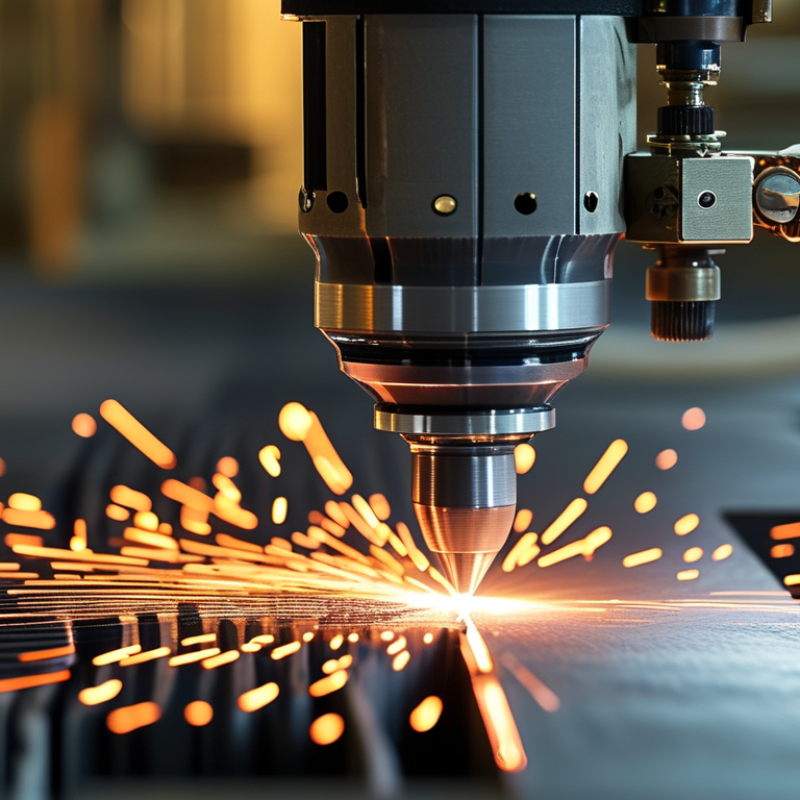
Laser marking technology is a precise method used for creating permanent marks on various materials. Understanding its principles is crucial for enhancing marking quality. At its core, laser marking involves focusing a laser beam onto a substrate. The intensity of the laser plays a significant role. A higher intensity can improve contrast but might also burn through the material if not carefully calibrated.
Tips for enhancing laser marking quality include examining the substrate. Different materials absorb laser energy differently. For example, metals often require higher power settings compared to plastics. Ensuring the surface is clean can also make a difference. Contaminants can obstruct the laser beam, leading to inconsistent marks.
Adjusting parameters like speed and frequency is essential too. Slower speeds may yield deeper marks, whereas higher speeds can create quicker, surface-level engravings. Testing various settings on scrap materials allows for refining the technique. Remember, mistakes can happen. Reflecting on these errors will lead to improved practices in the long run.
Choosing the right laser type is crucial for achieving optimal marking quality. Different materials require specific laser types to achieve the best results. For example, CO2 lasers are ideal for organic materials like wood and leather. They produce a smooth finish and enhance details. On the other hand, fiber lasers excel in marking metals. They create deep and precise markers, beneficial for industrial applications.
Not all laser systems provide consistent outcomes. Variations in wattage can significantly affect the marking quality. Higher wattage may seem better but can burn the surface. A balance between power and speed is essential. Understanding your target material helps in making informed choices. Experimenting with settings is often necessary.
The focus on the right laser type can lead to impressive results. It’s essential to remain adaptable and open to adjustments. Regular maintenance of the equipment also plays a critical role. A well-maintained laser ensures consistent performance over time, contributing to marking quality. Always keep testing and refining processes for continued improvement.
| Laser Type | Wavelength | Material Suitability | Marking Speed (mm/s) | Resolution (dpi) |
|---|---|---|---|---|
| Fiber Laser | 1064 nm | Metals, Plastics | 700 | 1200 |
| CO2 Laser | 10600 nm | Wood, Acrylic, Leather | 300 | 600 |
| UV Laser | 355 nm | Glass, Plastics, Electronics | 500 | 2400 |
| Green Laser | 532 nm | Ceramics, Metals | 400 | 1200 |
When selecting materials for laser marking, compatibility plays a crucial role in ensuring high-quality results. Different materials react uniquely to laser technology. Metals, plastics, and woods all present distinct challenges and opportunities. For instance, metals like aluminum reflect the laser beam, making it harder to achieve a deep mark. Conversely, certain plastics may absorb the light, leading to effective and clear markings.
It’s essential to conduct tests before finalizing your material choice. Testing can reveal how a specific laser marking will display on a given substrate. Some materials might produce unexpected color variations or insufficient depth. Taking the time to observe these outcomes ensures you can refine your process for better results.
Moreover, consider the surface texture of the material. Smooth surfaces often yield clearer marks than rough ones. However, rougher surfaces can provide a unique aesthetic. Balancing functional requirements with visual appeal is key. Careful analysis and experimentation with various materials will refine your laser marking approach. Finding that sweet spot can be a challenging but rewarding process.
Achieving high-quality laser marking demands precise parameter adjustments. The primary factors include laser power, speed, and frequency settings. Each material requires different configurations. For metals, higher power with slower speeds often yields cleaner marks. Conversely, plastics may need lower power and increased speed to prevent melting. It's vital to conduct tests to find the optimal balance.
Temperature also affects marking quality. Ensure the ambient temperature remains stable. Fluctuations can distort results. When adjusting parameters, look for signs of over- or under-marking. Over-marking may lead to excessive material wear, while under-marking results in fading. Both indicate a need for reevaluation.
Even with the correct settings, challenges may arise. Dust on lenses can compromise clarity. Regular maintenance is essential. Additionally, consider using different focus lengths for various materials. This nuanced approach can enhance detail. Marking intricacies often reflect the operator's experience and skill. Look for incremental improvements to achieve excellence.
Regular maintenance is crucial for maintaining the quality of laser marking. It ensures that the machine operates optimally. Inspecting the laser optics regularly can prevent performance issues. Clean lenses and mirrors help maintain clarity and focus. Dust buildup can lead to inconsistent marks. A clean setup improves the final product's appearance.
Calibration is another vital aspect. Over time, the settings can drift due to wear and tear. Regularly recalibrating the laser ensures precision in marking. It allows for consistent depth and clarity in each marking job. A poorly calibrated machine can lead to varying results, affecting overall product quality. Adjustments may be necessary to meet specific requirements.
However, it's important to reflect on your maintenance routine. Not all procedures may suit your operational needs. Assessing what works and what doesn’t can guide future practices. Keeping detailed logs of maintenance and calibration can highlight patterns. Noticing trends allows for proactive adjustments, preventing major issues down the line. Regular checkups serve to enhance reliability and trust in your marking process.
: Laser marking technology creates permanent marks on materials using a focused laser beam.
Higher intensity can improve contrast but may burn the material if not calibrated correctly.
Different materials absorb laser energy differently, impacting the marking quality.
Ensure the surface is clean. Contaminants can obstruct the laser beam and lead to inconsistent marks.
Slower speeds yield deeper marks, while higher speeds create quicker, surface-level engravings.
Ambient temperature fluctuations can distort marking results.
Over-marking may show excessive wear, and under-marking results in fading marks.
Dust on lenses can affect clarity, highlighting the need for regular maintenance.
Marking intricacies often reflect the operator's skill and can show areas for improvement.
Testing allows for refining techniques and finding optimal settings for various materials.
Enhancing laser marking quality is essential for achieving superior results in various applications. To understand how to improve laser marking quality, it is crucial to grasp the principles of laser marking technology and select the appropriate laser type that complements the specific marking needs. Analyzing material compatibility ensures that the selected substrates can withstand the laser process, resulting in clearer, more durable markings.
In addition, adjusting parameters such as speed, power, and frequency is vital for precision in laser marking outputs, as these factors significantly affect the final quality. Regular maintenance and calibration of laser equipment further contribute to consistent marking results, ensuring that the machinery operates at peak performance. By focusing on these key areas, companies can effectively enhance their laser marking quality and achieve better outcomes.

Kinray Laser