Top 10 Factors Influencing Laser Marking Results Globally?

Time:2026-08-10 Author:Henry
0%

In the realm of industrial marking, understanding "what factors affect laser marking results" is crucial for achieving high-quality outcomes. The growing adoption of laser marking technologies across various industries is supported by industry reports indicating a projected market growth of 5.6% annually from 2022 to 2028. This growth reflects the increasing demand for precision and durability in product identification.

Several key factors play a vital role in determining laser marking quality. For instance, the type of substrate significantly impacts the depth and clarity of the marking. Materials like metals, plastics, and ceramics interact differently with laser energy, affecting the final result. Additionally, parameters such as laser power, speed, and pulse frequency further influence marking effectiveness. According to a study by the International Laser Manufacturing Society, improper settings can lead to inconsistent results, necessitating skilled operators who understand these nuances.

Moreover, environmental conditions can produce unintended variances. Factors such as ambient temperature and humidity often undermine the consistency of laser performance. Manufacturers must remain vigilant, regularly calibrating their equipment to adapt to these conditions. This highlights the importance of ongoing training and assessment for operators to mitigate risks associated with laser marking inconsistencies. Ultimately, recognizing and addressing these factors is vital for enhancing quality and reliability in laser marking applications.
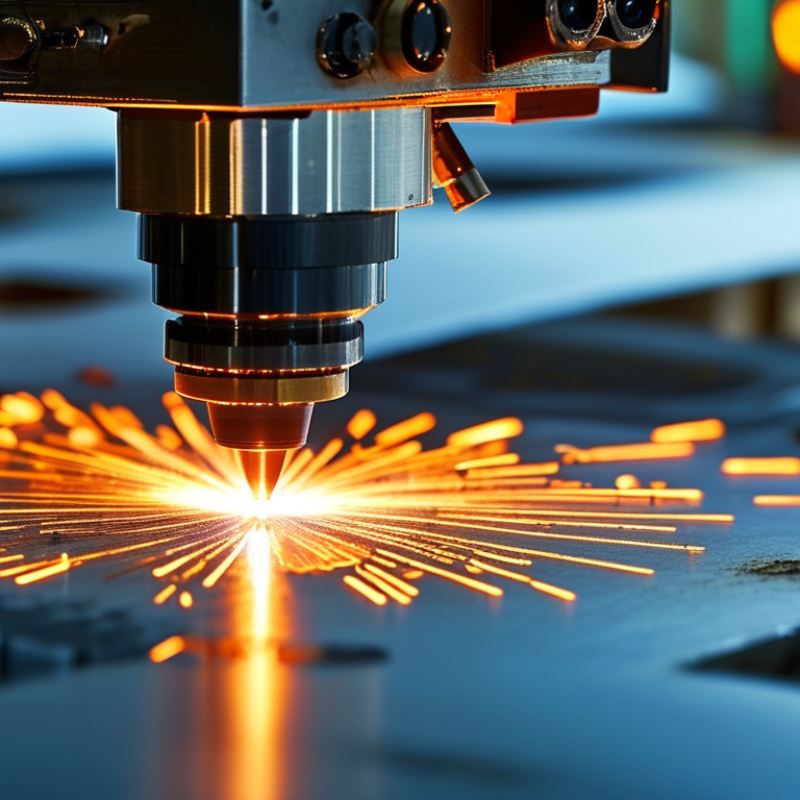
Top 10 Factors Influencing Laser Marking Results Globally?

Key Characteristics of the Laser Used in Marking Applications

The laser used in marking applications plays a crucial role in achieving quality results. Key characteristics such as wavelength, power, and pulse duration significantly influence the marking process. Different materials respond uniquely to various wavelengths. For instance, metals often require different settings than plastics. This specificity highlights the importance of selecting the correct laser for the job.

Power is another critical factor that affects marking quality. Higher power can increase speed but may lead to poor detail on soft materials. Conversely, low power might not leave a visible mark on harder surfaces. Understanding these trade-offs requires experience and expertise. Adjusting the pulse duration can also refine the outcome. Short pulses tend to produce cleaner, more precise marks, while longer pulses may result in heat damage.

Even with optimal laser settings, inconsistencies can still arise. Variations in material quality and handling can impact markings. Some users may overlook these factors, leading to subpar results. Continuous testing and adjustment are essential to improve reliability and enhance quality. Each marking job is unique, and learning from previous experiences can greatly inform future processes.

Type and Material of the Substrate Being Marked

The type and material of the substrate being marked play crucial roles in laser marking results. Different substrates react uniquely to laser energy, impacting the clarity and durability of marks. Metals, plastics, glass, and wood each require specific parameters for optimal marking. For instance, stainless steel reflects laser light, making it challenging to achieve good contrast.

Selecting the right substrate is essential. Plastics can melt or warp, leading to undesirable marks. Glass needs a delicate approach to avoid cracking. Understanding your material helps in choosing the correct laser settings. Testing is vital; results can vary even within the same type of material.

Tips: Always perform a test mark on a sample piece before full production. This saves time and resources. Evaluate the depth and color of the mark to ensure quality. Remember, each laser marking job can differ, requiring adjustments for success. Rethink your approach if results don’t meet expectations. A small change can make a significant difference in outcomes.

Influence of Marking Speed on Quality and Precision

Marking speed plays a crucial role in the quality and precision of laser marking. A report by the Laser Institute of America indicates that an optimal marking speed enhances process efficiency while ensuring clear and precise results. However, exceeding the recommended marking speed can introduce defects in the final product. This often leads to blurred markings or incomplete engravings, which can compromise the integrity of the design.

Adjusting the marking speed is a balancing act. If the speed is too low, it may cause excessive heat, resulting in unwanted surface damage. Conversely, a speed that is too high can negatively impact resolution and clarity. Industries that rely on high precision, such as electronics or medical devices, must find the right speed for their specific applications. Research shows that for achieving maximum quality, it’s critical to tailor the marking speed based on the material used and thickness.

Furthermore, the reliability of the marking process can be affected by environmental factors. High humidity or dust can intensify issues that arise from incorrect speed settings. Ongoing assessments and adjustments are essential for maintaining consistent quality. Manufacturers need to regularly analyze speed settings to achieve optimal marking outcomes while staying within acceptable tolerances.

Impact of Focus and Beam Diameter on Marking Results

In laser marking, the focus and beam diameter play crucial roles in the quality of the marking results. A tightly focused beam can produce sharp, well-defined marks on various materials. This precision is vital for applications requiring high detail, such as intricate designs or text. However, achieving the perfect focus can be challenging. Even slight variations in distance can lead to unwanted blurring.

On the other hand, beam diameter affects the area of the marking. A smaller beam results in deep and precise marks, ideal for durable applications. Conversely, a larger beam diameter can cover a broader area but may sacrifice detail and depth. Users often overlook the need for adjusting settings based on the material being marked. This lack of attention can lead to underwhelming results.

Even experts sometimes struggle with these variables. The right combination of focus and diameter is not universal. Each project may necessitate different adjustments. Experimentation can yield better results, but it requires time and careful observation. Knowing when to adapt is key in the laser marking process.

Impact of Focus and Beam Diameter on Laser Marking Results

Environmental Conditions Affecting Laser Marking Process

Environmental conditions play a crucial role in the effectiveness of laser marking processes. Factors such as temperature, humidity, and dust levels directly impact marking quality. For example, excessive humidity can lead to condensation on materials, affecting laser absorption. Accordingly, a study indicated that a controlled environment could improve marking clarity by up to 30%.

Temperature also influences the interaction between the laser beam and the material. In colder conditions, materials can become brittle. This brittleness may lead to cracks during the marking process. On the other hand, high temperatures can cause warping or unwanted surface changes. Recent research shows that maintaining a stable temperature range can enhance marking precision significantly.

Dust and particulate matter in the air often complicate the laser marking process. These particles can scatter the laser beam, resulting in inconsistent outputs. Industry reports indicate that reduced airborne contaminants can lead to a 25% improvement in marking quality. However, controlling for dust levels remains a challenge in many production environments. Addressing these environmental factors can drastically influence the overall outcomes of laser marking applications and help in achieving superior results.

FAQS

: What key characteristics affect laser marking quality?

: Wavelength, power, and pulse duration are crucial for quality in laser marking.

Why is wavelength important in laser marking?

Different materials respond uniquely to various wavelengths, impacting the marking process significantly.

How does power influence laser marking?

Higher power can increase speed but may reduce detail on soft materials. Lower power might not mark hard surfaces.

What role does pulse duration play in marking?

Short pulses produce cleaner marks, while longer pulses can cause heat damage to materials.

What common issues might arise during laser marking?

Inconsistencies in material quality and handling often lead to subpar results, despite optimal settings.

How does marking speed affect laser quality?

An optimal speed enhances efficiency but exceeding recommended speeds can blur or incomplete designs.

What happens if the marking speed is too low?

Low speed may generate excessive heat, causing unwanted surface damage, impacting quality.

Why should marking speed be tailored?

Each material and thickness requires specific speeds for maximum quality and precision in marking.

How can environmental factors influence marking?

High humidity or dust can worsen problems with incorrect speed settings, leading to errors.

What is the importance of continuous testing in laser marking?

Ongoing assessment helps identify and correct inconsistencies, improving the reliability of results.

Conclusion

Laser marking is a precision technique influenced by a variety of factors. Key characteristics of the laser, such as its wavelength and power, play a crucial role in determining the effectiveness of marking applications. Additionally, the type and material of the substrate being marked significantly affect the outcome, as different materials respond uniquely to laser energy.

What factors affect laser marking results also includes the marking speed, which balances quality and throughput; too fast can lead to poor results, while too slow may not be efficient. Furthermore, focus and beam diameter are vital, impacting the sharpness and clarity of the markings. Lastly, environmental conditions, such as temperature and humidity, can modify the interaction of the laser with the substrate, influencing the final quality of the mark. Understanding these variables is essential for achieving optimal results in laser marking applications.

Henry

Henry

Henry is a dedicated marketing professional with a profound expertise in the company's offerings. With years of experience in the industry, he possesses an impressive understanding of the market dynamics and consumer behaviors that drive success. Henry is committed to sharing his insights through......