In the debate of "fiber laser vs CO2 laser which is better," businesses face an important decision. A report by Smithers Pira highlights that fiber lasers have increasingly dominated the market, showing a growth rate of over 10% annually. As industries adopt new technologies, understanding the differences becomes vital.
John Baker, a leading expert in laser technology, states, "Choosing the right laser system can significantly impact operational efficiency and cost-effectiveness." This underscores the need for informed choices. Fiber lasers excel in speed and maintenance, while CO2 lasers offer versatility in material compatibility. Each option has its advantages but also presents challenges that require careful consideration.
Moreover, the choice between these technologies may depend on specific applications within a business. Some organizations may find that the higher initial cost of fiber laser systems pays off in the long run through lower operating costs. Others might struggle to justify the switch, especially if existing CO2 systems still meet their needs. The exploration of this topic is crucial for making decisions that can affect the bottom line.
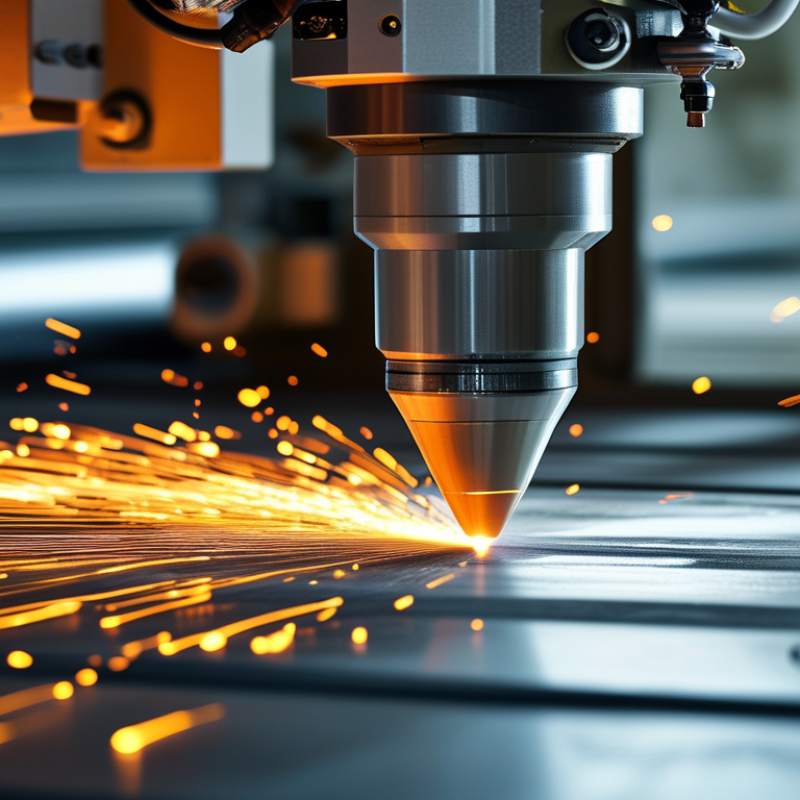
Fiber laser technology has gained popularity in various industries due to its key features and advantages. One notable aspect is its efficiency. Fiber lasers convert electrical energy into laser light effectively, resulting in lower operational costs. This efficiency translates into reduced energy consumption, which is crucial for businesses aiming to cut expenses.
Another advantage of fiber lasers is their versatility. They can cut, engrave, and mark various materials, including metals, plastics, and ceramics. This flexibility allows businesses to tailor their operations according to specific project needs. However, some users may find the initial investment daunting. The upfront costs are higher compared to traditional CO2 lasers. This is a point for businesses to reflect on when considering long-term benefits versus immediate expenses.
Precision is another hallmark of fiber lasers. The beam quality is outstanding, leading to cleaner cuts and finer details. This feature is especially important for industries needing high-quality outputs. Yet, mastering this technology requires skilled operators. Training staff can be challenging. Companies often need to ensure they are ready for this commitment.
CO2 laser technology has become a prominent choice for many businesses. It excels in cutting and engraving various materials, especially non-metals. Its versatility is remarkable. From wood to plastics, CO2 lasers can handle a broad range of substrates effectively.
One key advantage of CO2 lasers is their precision. They produce high-quality cuts with smooth edges. This level of detail is crucial for industries requiring intricate designs. Another feature is the speed. CO2 lasers operate quickly, boosting productivity. However, it’s worth noting that maintenance can be demanding. Regular inspections are vital to ensure optimal performance.
Tip: Always check the compatibility of your materials with CO2 lasers. Testing small samples can save time and costs.
Another advantage is the ability to work with large formats. Many CO2 lasers can accommodate sizable sheets. This flexibility can be beneficial for projects that require larger outputs. On the downside, they may not be as effective with reflective metals. Businesses should evaluate their specific needs before investing.
Tip: Consider your production volume. A machine's efficiency can greatly influence your long-term costs. Investing in training for operators can enhance overall output quality.
When considering fiber lasers and CO2 lasers for business applications, cost-effectiveness and efficiency are critical factors. According to industry reports, fiber lasers can offer an efficiency rate of up to 30% compared to CO2 lasers, which typically operate around 10-15%. This significant difference can dramatically lower energy costs, especially for companies that rely heavily on laser cutting or engraving.
However, while fiber lasers excel in efficiency, they require a larger upfront investment. Data suggests that initial costs can be up to 50% higher than CO2 lasers. Businesses must weigh these long-term savings against the upfront budget. It's essential to analyze how quickly the increased efficiency can translate into savings.
Moreover, maintenance costs also vary. Fiber lasers generally require less maintenance, but skilled technicians for repairs can be scarce, potentially leading to increased downtime. Ultimately, the decision hinges on specific operational needs and financial capacity. Understanding these nuances is vital for making the best choice for your business.
When deciding between fiber lasers and CO2 lasers, it’s essential to consider their applications in various industries. Fiber lasers excel in cutting and marking metals due to their high efficiency and deep penetration. According to a report by Research and Markets, the fiber laser market is projected to grow significantly, reaching $8 billion by 2025. This growth highlights the increasing adoption of fiber lasers in fields such as automotive and aerospace manufacturing.
CO2 lasers, on the other hand, are well-suited for cutting non-metal materials like wood, plastics, and textiles. They produce a larger beam diameter, which is beneficial for thicker materials. Industry data reveals that CO2 lasers remain a staple in the signage and packaging sectors. Their versatility in handling a variety of substrates still makes them a strong contender in many applications.
Tip: Always assess your primary applications when choosing a laser type. Fiber lasers might seem cost-effective, but their initial investment is often higher. Conversely, consider the long-term operational costs.
A common misconception is that fiber lasers outperform CO2 lasers in every aspect. While fiber lasers are superior for metals, CO2 lasers can offer better results for specific non-metal materials, especially in processes requiring finesse.
Tip: Evaluate your specific materials and application needs before making a choice. Testing different types of lasers on your materials can illuminate differences in speed and quality.
The laser cutting industry is evolving rapidly. Fiber and CO2 lasers are at the forefront of this change. Each technology offers unique advantages and drawbacks. Manufacturers are keenly exploring the future trends that focus on both efficiency and versatility.
Fiber lasers are known for their speed and energy efficiency. They require less maintenance and have a longer lifespan. On the other hand, CO2 lasers excel in cutting thicker materials. They are often used in industries like woodworking and textiles. The balance between these two technologies is shifting. Innovations are emerging that enhance their capabilities.
Recent advancements aim to expand the applications of both laser types. For example, hybrid systems combining fiber and CO2 lasers are becoming popular. These systems leverage the strengths of each technology. However, challenges exist in integrating different systems. Businesses must weigh the pros and cons carefully. Selecting the right technology is crucial for staying competitive.
| Feature | Fiber Laser | CO2 Laser |
|---|---|---|
| Wavelength | 1064 nm | 10,600 nm |
| Material Compatibility | Metal, Plastics, Wood | Plastic, Wood, Glass |
| Cutting Speed | Fast, especially on thin materials | Slower on metals, better on thicker materials |
| Maintenance | Low maintenance | Higher maintenance due to gas and mirrors |
| Cost Efficiency | Higher operational efficiency | Higher operational costs |
| Safety | Requires standard safety measures | Higher safety precautions due to gas |
| Future Trends | Integration with automation and smart technologies | Advancements in gas technology and efficiency |
: Fiber lasers are highly efficient, converting electrical energy into laser light effectively. This lowers operational costs significantly.
Fiber lasers can cut, engrave, and mark various materials like metals, plastics, and ceramics. This flexibility suits different project needs.
Yes, the upfront costs can be up to 50% higher than traditional CO2 lasers. Businesses should evaluate long-term benefits versus immediate expenses.
Fiber lasers provide outstanding beam quality, allowing for cleaner cuts and finer details. This is crucial for high-quality outputs.
Training staff to operate fiber lasers can be challenging. Skilled operators are necessary to maximize the technology's benefits.
Fiber lasers can achieve an efficiency rate of up to 30%, while CO2 lasers typically operate around 10-15%.
While fiber lasers generally require less maintenance, finding skilled technicians for repairs can be difficult, leading to potential downtime.
Companies must weigh the higher upfront investment against the long-term savings from increased efficiency and lower energy costs.
Yes, while efficient, the need for skilled operators and possible repair delays can affect overall productivity and lead to reflections on readiness.
Businesses need to assess their financial capacity and specific operational requirements to determine if fiber lasers meet their needs effectively.
In the discussion of fiber laser vs CO2 laser which is better for your business, it's essential to understand the distinct advantages each technology offers. Fiber lasers are known for their high efficiency, precision, and ability to cut through a variety of materials with minimal maintenance. They excel in applications requiring high-speed processing and thick material cutting. On the other hand, CO2 lasers are favored for their versatility, particularly in cutting non-metal materials like wood and plastic, making them ideal for a broader range of industrial applications.
A comparative analysis highlights cost-effectiveness and efficiency metrics, indicating that fiber lasers might offer lower operational costs over time. However, CO2 lasers hold their ground in applications where versatility is paramount. As we look towards the future, innovations in both fiber and CO2 laser technologies suggest significant advancements that could shift the balance. Understanding these differences is crucial for businesses in determining the best option for their specific operational needs.

Kinray Laser