In today's manufacturing landscape, understanding "how does a laser marking machine work" is crucial for businesses seeking efficiency and precision. Dr. Alice Thornton, a leading expert in laser technology, emphasizes, "Laser marking offers unparalleled accuracy and speed, revolutionizing production lines."
Laser marking machines use focused laser beams to create permanent markings on various materials. This process ensures clarity in branding and product identification. Businesses can achieve high-quality results with minimal waste. However, choosing the right machine requires careful consideration of factors like material type and marking depth.
Despite their advantages, laser marking machines also present challenges. Initial costs can be high, and maintenance requires skilled technicians. Therefore, businesses must weigh the benefits against potential drawbacks. A thorough understanding of how these machines operate is essential for informed decision-making.
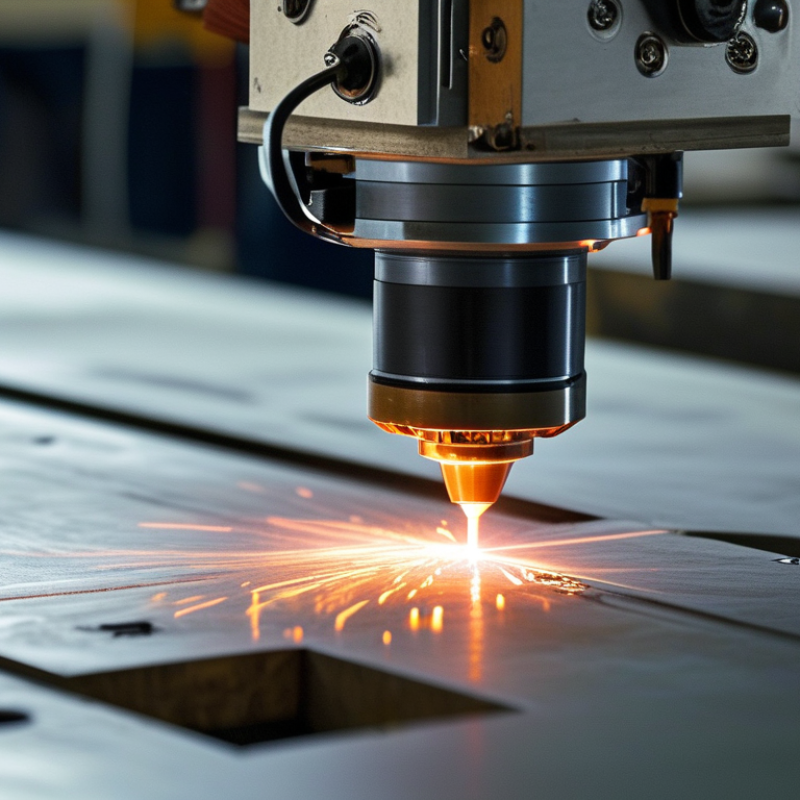
Laser marking technology uses focused light to etch designs or information onto materials. It provides businesses with precision and durability. Various industries use laser marking, from manufacturing to retail. This technology can mark on metal, plastic, glass, and more. Each material requires different settings, tailored to its characteristics. Understanding these nuances is crucial for quality results.
Tips: Always conduct tests on sample materials before finalizing the marking process. This ensures clarity and prevents costly mistakes. Pay attention to the speed and power settings, as they directly impact the marking depth.
The applications are vast. For example, in manufacturing, it labels parts for tracking and compliance. In the jewelry industry, it personalizes items, enhancing customer value. Packaging industries use it for branding and information. However, businesses should remain aware of maintenance needs. A poorly maintained machine can lead to inconsistent results.
Investing in training staff is essential. A knowledgeable team ensures quality control. Without proper training, errors are likely. This could harm the company's reputation. Adopting this technology can yield significant benefits when approached thoughtfully.
Laser marking machines come in various types, each designed for specific applications. The most common types include fiber, CO2, and UV lasers.
Fiber lasers are known for their efficiency in marking metals. They produce a highly focused beam, allowing for intricate designs and deep engraving. This quality makes fiber lasers ideal for industrial applications, but they may struggle with non-metal materials.
CO2 lasers are versatile and can engrave and mark organic materials like wood, glass, and plastics. Their longer wavelength allows them to penetrate into these surfaces. However, their marking depth typically does not reach that of fiber lasers on metals.
UV lasers, on the other hand, are perfect for sensitive materials, providing a cold marking process. This approach minimizes damage to the surface, making it suitable for delicate tasks.
When choosing a laser marking machine for your business, consider the materials you'll work with and the details required in your marking. Test runs can reveal inherent limitations in each machine, possibly leading to unexpected challenges. Understanding these nuances can guide you to make better decisions tailored for your specific needs.
Laser marking machines utilize advanced technology to mark products efficiently. These systems employ focused laser beams to engrave or etch details onto various materials. The laser energy creates high temperatures that alter the surface, leaving permanent markings. Businesses benefit from their ability to produce precise, durable marks with minimal material damage.
According to a report by Research and Markets, the global laser marking equipment market is expected to grow significantly, reflecting its rising importance in industries like manufacturing and packaging. The technology allows for high-speed processing, reducing production timelines. However, not all materials react the same way to laser marking. Some substrates may scorch or warp. Testing on sample materials is crucial before widespread application.
The efficiency of laser marking is impressive, yet challenges exist. Maintenance of the machines is key to sustaining performance. Failure to service equipment can lead to decreased quality and inconsistencies in markings. Additionally, the initial setup cost can be substantial for some businesses. Understanding the balance between investment and operational efficiency is essential for long-term success.
Implementing laser marking in your business can bring significant advantages. According to a study by MarketsandMarkets, the laser marking industry is projected to grow at a CAGR of 4.9% from 2020 to 2025. This growth is driven by rising demand for high-precision marking on various materials, including metals and plastics. Businesses often see improved efficiency with quicker turnaround times. Laser marking machines operate faster than traditional methods, allowing companies to meet tight deadlines.
Durability is another key benefit. Laser marking is resistant to wear and tear. Markings made with lasers are permanent and non-fading, a crucial factor for branding and traceability. Data from a report by ResearchAndMarkets states that laser marking is increasingly preferred for product labeling and authentication. Companies can enhance their product quality and customer satisfaction by ensuring visibility and legibility.
Cost efficiency also plays a role. Although the initial investment in laser technology can be higher, it reduces long-term costs. Businesses can avoid expenses related to ink, solvents, and maintenance. However, not all companies see immediate returns. Factors like operator training and system integration can create hurdles. Addressing these challenges is essential for maximizing the benefits of laser marking technology. The potential for efficiency and quality must be weighed against initial setup complexities.
Laser marking machines are valuable assets to various businesses. Their efficiency depends on regular maintenance and adherence to best practices. In fact, according to a report by the International Society for Automation, proper maintenance can extend the lifespan of these machines by up to 30%. Neglecting maintenance can lead to unexpected breakdowns and costly repairs.
One essential tip for maintaining laser marking machines is to regularly clean the lens. Dust and debris can impact performance and marking quality. Aim to clean the lens weekly. Another important practice is to check the cooling system regularly. Overheating can damage the internal components of the machine. Investing in a robust cooling system can prevent overheating issues.
Additionally, operators should regularly inspect the alignment of the laser beam. Misalignment can result in poor marking quality. Simple adjustments can save time and enhance productivity. Remember, attention to detail in machine setup can lead to significant gains in marking precision. Continuous training and updates on the latest technologies can also improve machine handling and reduce errors.
: Common types include fiber, CO2, and UV lasers. Each serves different purposes.
Fiber lasers efficiently mark metals, creating intricate designs with deep engraving.
Yes, they can engrave organic materials like wood, glass, and plastics effectively.
UV lasers use a cold marking process, which minimizes damage to sensitive materials.
Test runs help identify limitations and potential challenges before full application.
Lack of maintenance can lead to lower quality markings and operational inconsistencies.
Laser marking allows for high-speed processing, significantly reducing production times.
Some materials may scorch or warp, so testing on samples is crucial.
It's essential to balance initial setup costs with operational efficiency for long-term success.
No, different materials react differently, so understanding material behavior is vital.
Laser marking technology offers businesses a precise and efficient way to engrave or mark materials for identification and branding purposes. Understanding how does a laser marking machine work involves exploring its various types, such as CO2, fiber, and diode lasers, each with specific features suitable for different materials. The working mechanism typically relies on focused laser beams to etch or engrave surfaces, providing a durable solution for marking items.
Implementing laser marking in business can yield significant benefits, including increased productivity, reduced waste, and enhanced product traceability. To ensure optimal performance, regular maintenance and adherence to best practices are essential. By leveraging the capabilities of laser marking machines, businesses can improve their operational efficiency while delivering high-quality, lasting marks on their products.

Kinray Laser