Understanding "what is industrial product traceability" is crucial in today’s market. This concept refers to tracking and documenting the transformation of raw materials into finished products. Companies utilize various systems to ensure transparency and accountability in the supply chain. This practice aids in quality control and enhances consumer trust.
In an age where customers demand safety and reliability, industrial product traceability has become essential. A lack of proper traceability can lead to significant risk. For instance, if a defective product reaches the market, determining its source becomes challenging without robust tracking systems. This can lead to costly recalls and a damaged reputation.
Moreover, implementing effective traceability systems is not without challenges. Organizations face technical hurdles and may struggle with compliance. It prompts reflection on best practices and continuous improvement. Achieving optimal traceability requires ongoing commitment and resources from businesses, making it a complex yet necessary endeavor.
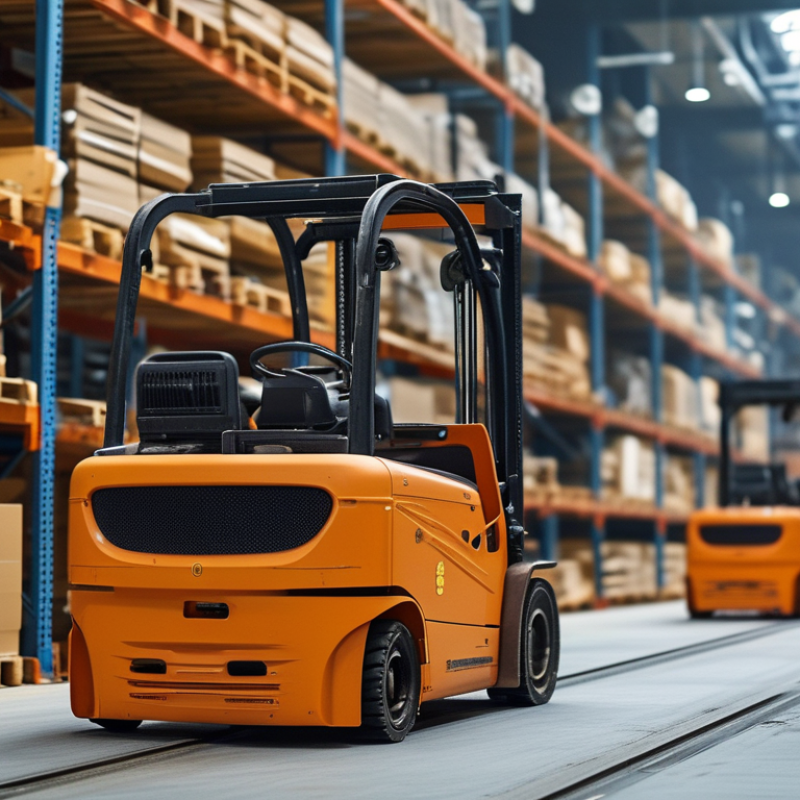
Industrial product traceability is the process of tracking products through the supply chain. It involves monitoring each product's journey from raw materials to the end user. This traceability system ensures that manufacturers can identify product origins and monitor their movement at every stage.
According to a report by the International Data Corporation, up to 70% of supply chain issues stem from a lack of visibility. Traceability offers a solution, providing detailed records that enhance transparency. This is crucial for industries where safety is paramount, such as food and pharmaceuticals. For instance, in 2021, nearly 48 million people in the U.S. fell ill from foodborne illnesses, highlighting the need for better tracking.
Despite the evident benefits, challenges persist. Implementing effective traceability requires investment in technology and training. Many companies struggle with data interoperability. A study from the World Economic Forum revealed that 50% of organizations implemented partial traceability systems. This incomplete approach often leads to unreliable tracking. Stakeholders must recognize these gaps and continually strive for improvement in traceability practices.
In today's complex global supply chains, traceability has become crucial. It refers to the ability to track a product's journey through every stage of production and distribution. This capability enables businesses to ensure quality and safety. For instance, if a food product is recalled, traceability helps identify the source quickly. This can prevent further issues and protect consumers.
Traceability also enhances transparency. Customers are increasingly demanding insight into where their products come from. Companies that can provide this information often build stronger trust with their audience. When consumers know the origins of products, they are more likely to make informed choices. This level of transparency can also elevate a brand's reputation in a competitive market.
However, implementing effective traceability systems can be challenging. Many businesses struggle with real-time data collection and integration. Technology plays a vital role but can be expensive and complex to manage. Companies must balance these challenges against the growing need for accountability in the supply chain. Without a robust traceability framework, organizations may face compliance issues and reputational risks.
Industrial product traceability is essential for ensuring safety and quality. Effective systems rely on several key components. First, robust data collection methods are crucial. These methods enable companies to gather real-time data throughout the supply chain. According to a report by the International Organization for Standardization (ISO), up to 70% of product recalls can be minimized with effective traceability practices.
Next, integration with technology enhances traceability. By utilizing RFID tags and blockchain, firms can track products at every stage. This integration not only improves transparency but also boosts consumer trust. Studies show that organizations with advanced traceability systems report a 30% increase in customer satisfaction.
It’s important to recognize that setting up these systems can be complex. Organizations may struggle with outdated processes and insufficient training for staff. Continuous evaluation and adaptation of these systems are necessary. Teams must proactively identify flaws and improve procedures to meet regulatory demands.
Consider investing in training programs to enhance employee skills. This can bridge gaps in knowledge and strengthen the entire traceability system. Regular audits can also reveal unexpected weaknesses, helping organizations stay compliant. Addressing these areas is key to maintaining a resilient product traceability framework.
This bar chart represents the importance level of various components of industrial product traceability, highlighting where focus is needed to enhance traceability systems for better compliance and efficiency.
Implementing traceability practices in industrial products can significantly enhance supply chain transparency. This transparency allows companies to track the journey of products from raw materials to the final consumer. With technology, data can be collected at each production stage. For example, barcodes and RFID tags offer real-time tracking. This information helps businesses manage inventory more effectively. When products can be traced, companies can quickly identify issues such as defects or recalls.
Traceability also enhances consumer trust. Customers want assurance about the safety and origin of products. When companies can provide this information, it builds a strong relationship with their clients. Moreover, traceability can improve compliance with regulations. Industries face increasing scrutiny regarding product safety and environmental impact. By adopting traceability, companies can demonstrate their commitment to quality and responsibility.
While the benefits are clear, implementing these practices requires effort. Many organizations struggle to integrate new technologies into existing systems. It may also involve training employees, which can be time-consuming. Some companies might find the initial investment challenging. However, overlooking traceability could lead to greater risks in the long run. Embracing these practices is essential for sustainable growth in today’s competitive market.
Industrial product traceability presents significant challenges despite its importance. Companies must track components through complex supply chains. A report by the International Journal of Production Research states that 70% of manufacturers struggle with visibility. This issue can lead to delays, increased costs, and product recalls. For instance, a single mislabeled part can halt production lines, impacting overall efficiency and revenue.
Technology plays a crucial role in enhancing traceability. Implementing Blockchain can improve transparency. However, many companies face resistance to adoption due to high costs and technology uncertainty. Research from Gartner indicates that 55% of businesses have not invested in traceability solutions. This reluctance raises pressing questions about resilience and future competitiveness.
Moreover, regulations are tightening globally. Compliance with standards is essential yet challenging. Companies often lack the infrastructure to meet these demands efficiently. A study by Pew Research shows that 62% of firms acknowledge the need for improved systems. As industries evolve, embracing innovative solutions becomes crucial, yet the path is fraught with obstacles that require thoughtful navigation.
| Dimension | Description | Challenges | Solutions |
|---|---|---|---|
| Data Collection | Gathering data about product manufacturing and supply chain. | Inconsistent data formats and sources. | Implement standardized data protocols. |
| Product Identification | Marking products with unique identifiers. | Lack of universal identification systems. | Adopt global standards like RFID or barcodes. |
| Supply Chain Visibility | Tracking product journey through the supply chain. | Limited access to real-time data. | Utilize IoT devices for real-time tracking. |
| Compliance and Regulations | Meeting industry standards and regulations. | Complex regulatory landscape. | Develop an integrated compliance management system. |
| Consumer Trust | Building trust through transparency. | Skepticism about data accuracy. | Establish traceability as a quality commitment. |
: Traceability means tracking a product's journey through each stage of production and distribution.
It ensures quality and safety, especially during product recalls.
It provides transparency about product origins, helping customers make informed choices.
Companies struggle with real-time data collection and integrating new technologies.
Technologies like barcodes and RFID tags facilitate real-time tracking of products.
Enhanced consumer trust, better inventory management, and compliance with regulations.
No, it requires time, effort, and sometimes substantial investment.
They may encounter compliance issues and reputational risks in the market.
Yes, transparency enhances trust, which can elevate a brand's image.
Initial investments and employee training can be a significant barrier.
Industrial product traceability refers to the ability to track and trace products throughout the supply chain, from raw materials to end consumers. This practice is essential for ensuring product quality, safety, and compliance with regulatory standards. The importance of traceability in supply chains cannot be overstated, as it builds consumer trust, enhances transparency, and facilitates quick response to product recalls or quality issues.
Key components of industrial product traceability systems include data collection, record-keeping, and tracking technologies. Implementing robust traceability practices offers numerous benefits, such as improved operational efficiency, reduced waste, and better risk management. However, challenges such as data integration, cost, and technology adoption persist. Addressing these challenges through strategic solutions can significantly enhance the effectiveness of traceability initiatives in various industries.

Kinray Laser