Laser marking technology has revolutionized various industries, offering precise and durable marking solutions. But what is laser marking technology? It utilizes laser beams to engrave or mark materials like metals, plastics, and ceramics. Market reports indicate a growing adoption, with the global laser marking market projected to reach $4 billion by 2025. The technology enhances product traceability and personalization, which are critical in today's manufacturing landscape.
Businesses are increasingly drawn to laser marking for its efficiency and sustainability. Unlike traditional methods, laser marking minimizes waste and reduces the need for additional materials. However, despite its advantages, some companies struggle with high initial costs. This can be a barrier to entry for small to medium enterprises. Understanding the basics of laser marking can help businesses weigh these factors effectively.
As industries evolve, the demand for innovative marking solutions grows. Laser marking technology appears promising, yet challenges remain, especially in operator training and equipment maintenance. Addressing these issues is vital for maximizing its benefits. The journey into laser marking is not straightforward, but knowledge and experience can pave the way for successful implementation.
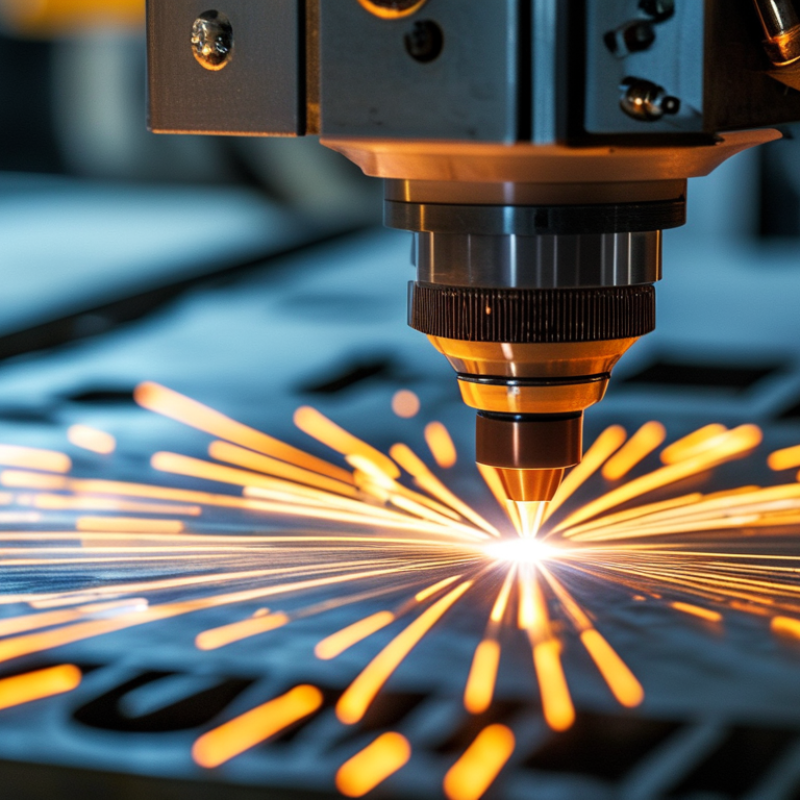
Overview of Laser Marking Technology and Its Applications
Laser marking technology has gained significant traction in various industries. This technique uses
laser beams to engrave or etch surfaces. The precision of laser marking ensures that details remain intact even on intricate designs.
According to a market report by Research and Markets, the global laser marking market size is expected to reach USD 4.8 billion by 2027,
growing at a CAGR of 5.1% from 2020.
Applications of laser marking are vast. It is used in
manufacturing, aerospace, automotive, and
electronics sectors. For instance, it is crucial for product identification, providing a permanent and tamper-proof mark.
The technology can process a variety of materials, including metals, plastics, and ceramics. However, challenges exist.
Not all materials respond well to laser marking, and some require special coatings or preparation. Also,
the initial setup cost can be significant for small businesses.
One compelling use case is in the medical industry. Laser marking is essential for
traceability and compliance with regulations. Surgical instruments require clear and durable markings for safety.
Yet, ensuring that these marks withstand sterilization processes can be a challenge. Companies must balance
quality and cost, which can lead to a trial-and-error approach in material selection.
Principles of Operation: How Laser Marking Works Step-by-Step
Laser marking technology uses focused laser beams to etch or engrave materials. This method is favored for its precision and speed. It creates permanent and high-quality marks on various surfaces, including metals, plastics, and ceramics. According to a report by Smithers Pira, the global market for laser marking technology is expected to grow at a CAGR of 5.3% from 2021 to 2026, indicating its increasing adoption in various industries.
The operation of laser marking relies on several steps. First, the laser beam is directed toward the material surface, generating heat. This heat alters the surface properties, causing discoloration or material removal. The depth and intensity of the marking depend on the laser's power and speed settings. For instance, a fiber laser can produce intricate designs on metals due to its short wavelength. However, improper settings can lead to subpar results, such as overheating or incomplete marks.
Understanding the intricacies of laser marking is essential. Many companies overlook the importance of precise calibration and environmental factors. Humidity and surface cleanliness can significantly affect the final output. A lack of attention to detail may result in inconsistent quality, which is detrimental in industries requiring high standards. It’s crucial to evaluate and adjust parameters continuously for optimal performance.
Types of Lasers Used in Marking: CO2, Fiber, and Diode Lasers
Laser marking technology is revolutionizing the manufacturing and branding industries. The choice of laser type plays a crucial role in achieving the desired quality and efficiency. Three primary lasers are used in marking: CO2, fiber, and diode lasers.
CO2 lasers are effective for marking non-metallic materials, like wood and glass. They produce a high-powered beam that vaporizes the surface layer of the material. However, they struggle with metals. This limitation often leads manufacturers to explore other options.
Fiber lasers, on the other hand, excel in marking metals. They have a much shorter wavelength, allowing for precision and speed. Industrial sectors frequently utilize fiber lasers due to their durability and efficiency. They can mark intricate designs and barcodes on parts without sacrificing speed. Diode lasers, while less common, offer versatility. They are ideal for small-scale applications and can mark a variety of materials, though the resolution may not always match that of fiber lasers. Each laser type has its strengths and weaknesses, requiring careful consideration based on the project specifications.
What is Laser Marking Technology and How Does it Work? - Types of Lasers Used in Marking: CO2, Fiber, and Diode Lasers
| Laser Type |
Wavelength (nm) |
Material Compatibility |
Typical Applications |
Advantages |
| CO2 Laser |
10,600 |
Wood, Glass, Plastic, Leather |
Signage, Packaging, Engraving |
High speed, Excellent for organic materials |
| Fiber Laser |
1,064 |
Metal, Some Plastics |
Metal Marking, Industrial Applications |
High efficiency, Low maintenance, Compact size |
| Diode Laser |
800-980 |
Some metals, Plastics, Ceramics |
Semiconductor Marking, Decorative Applications |
Cost-effective, Suitable for low power applications |
Advantages of Laser Marking Over Traditional Marking Techniques
Laser marking technology has transformed various industries with its precision and efficiency. One key advantage over traditional marking techniques is the level of detail it can achieve. Unlike printing methods, which may smudge or fade, laser marking produces permanent, high-contrast marks. According to a report by MarketsandMarkets, the global laser marking market is expected to grow from USD 3.4 billion in 2021 to USD 5.5 billion by 2026. This growth highlights the increasing preference for precision marking.
Another significant advantage is the reduced operational costs. Laser marking systems require minimal maintenance compared to conventional methods. A report by TechSci Research indicates that laser marking solutions can reduce annual costs by 30% to 50%. This efficiency is appealing for businesses seeking to optimize their production processes. However, the initial investment can be high and may require thorough evaluation.
Environmental impact is another consideration. Laser marking is often more eco-friendly than traditional methods that use inks or chemicals. It's a cleaner process with less waste. However, not all laser systems are created equal; some may consume considerable energy. Evaluating energy efficiency alongside marking needs is crucial before making a decision.
Industry Standards and Safety Considerations in Laser Marking Systems
When utilizing laser marking technology, adhering to industry standards is critical. These standards ensure that the equipment used and the processes followed meet safety and operational regulations. Compliance helps protect both operators and the surrounding environment from potential hazards. Various organizations develop guidelines to benchmark the quality and safety of laser systems.
Safety considerations in laser marking are often overlooked, but they are vital. Operators need to wear protective eyewear designed to filter specific wavelengths. This reduces the risk of eye injury from laser exposure. Additionally, proper ventilation is essential. Smoke and fumes generated during the marking process can be harmful. A well-ventilated workspace minimizes these risks.
Moreover, regular maintenance of laser marking systems cannot be neglected. Equipment that is not maintained may malfunction, leading to accidents or subpar results. Implementing a routine check can identify potential issues early. Training personnel on safety protocols is equally important. Comprehensive training ensures that operators understand the risks and can handle equipment safely. Without proper knowledge, the safety of the workplace can be compromised.
Understanding Laser Marking Technology
This bar chart illustrates the performance metrics of laser marking technology across various dimensions including accuracy, speed, cost, material compatibility, and maintenance. Each metric is represented as a percentage, giving a clear insight into where laser marking technologies excel in practical applications.
Conclusion
Laser marking technology is a precision marking process that utilizes concentrated laser beams to produce permanent markings on various materials. This technology is widely applicable across industries, from manufacturing to healthcare, due to its ability to create highly detailed and durable markings. The operation of laser marking involves directing a laser beam on the surface of the material, causing a reaction that results in a change of color or removal of material, which creates the desired mark.
There are different types of lasers employed in marking, such as CO2, fiber, and diode lasers, each suited for specific materials and applications. The advantages of laser marking include its speed, accuracy, and the minimal need for post-processing, making it a superior choice over traditional marking techniques. Additionally, industry standards and safety considerations are essential in the implementation of laser marking systems, ensuring operational safety and product quality. Overall, understanding what is laser marking technology allows businesses to leverage its benefits effectively.

 Kinray Laser