How Permanent is Laser Marking Best Guide for Buyers?

Time:2026-07-16 Author:Sienna
0%

Laser marking is a popular choice for many industries. It offers durability and precision that stand out. However, the question remains: how permanent is laser marking? Understanding this is crucial for buyers.

Many factors affect the permanence of laser markings. The material being marked plays a significant role. Metals, plastics, and ceramics respond differently to laser technology. Each material has unique properties that influence how deeply the laser can engrain the mark. Additionally, environmental conditions can also impact the longevity of these marks.

Buyers must consider their specific needs. What surface will be marked? Will exposure to elements or wear be a concern? Reflecting on these questions can lead to better decision-making. While laser marking is often touted as permanent, realizing its limitations is key to effective application. A thoughtful approach ensures that the benefits are fully realized.
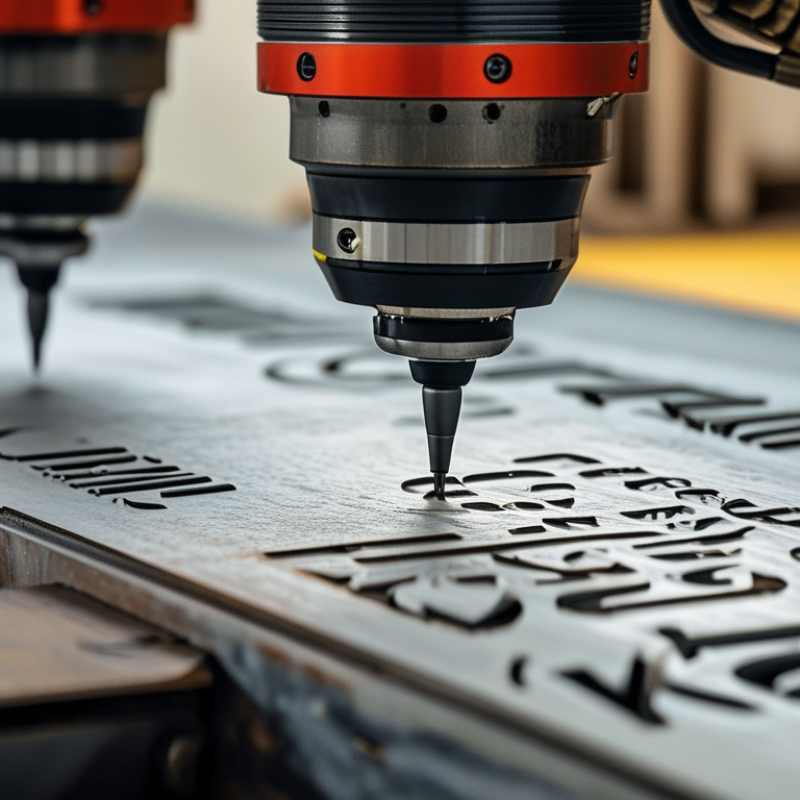
How Permanent is Laser Marking Best Guide for Buyers?

Understanding the Basics of Laser Marking Technology

Laser marking technology has gained popularity for its precision and permanence. This method utilizes focused laser beams to engrave or mark materials. It is widely used in industries like manufacturing, automotive, and healthcare. By altering the surface of an object, laser marking ensures durability. Unlike traditional methods, it produces clean markings that resist wear over time.

Understanding how the laser interacts with various materials is key. Different surfaces react differently to laser energy, affecting how deep the mark penetrates. Some materials can change color without losing their integrity, while others may require more careful handling. This complexity means buyers need to carefully evaluate their specific needs and consider the long-term implications of their choices.

There are challenges to consider as well. The initial investment can be high, and not every marking is permanent. Factors like exposure to chemicals or extreme temperatures can influence durability. Buyers must stay informed about these variables to make the right decisions. Ultimately, knowing the basics of laser marking can empower users to maximize the technology's potential while navigating its limitations.

How Permanent is Laser Marking? Best Guide for Buyers

Aspect Description Typical Applications
Durability Laser markings are highly durable and can withstand harsh environments. Industrial parts, tools, outdoor equipment
Materials Laser marking is effective on metals, plastics, and ceramics. Electronics, medical devices, automotive components
Cost Initial equipment costs can be high, but long-term savings are significant. Manufacturing, marking high volumes of products
Speed Laser marking is a fast process, suitable for both short and long runs. High-volume production lines, custom markings
Quality Produces high-contrast, precise markings that are easily readable. Product branding, serial numbers, traceability
Environment Impact Laser marking is a clean process with minimal waste. Eco-friendly manufacturing practices

Factors Influencing the Permanence of Laser Marks

Laser marking is a popular choice for permanent identification. However, the permanence of laser marks depends on several factors. One major factor is the type of material being marked. Metals, for example, tend to retain laser marks longer than plastics. The composition of the material influences how well it absorbs the laser energy.

Another key aspect is the marking technique used. Different techniques, such as deep engraving versus surface marking, yield varying results. Deeper marks can withstand more wear and tear. It's also crucial to consider environmental factors. Exposure to chemicals, UV light, or extreme temperatures can degrade laser marks over time.

**Tips:** Always test your marking method on scrap material to see how it performs. If you need longevity, choose robust materials like metals. Regularly inspect marked items for signs of fading or wear. Consider protective coatings for added durability.

Comparison of Laser Marking with Other Marking Methods

Laser marking stands out due to its permanence and precision. Unlike traditional methods such as inkjet printing or stamping, laser marking creates a lasting impression directly on the material. This technique works by using focused light to alter the surface layer. The result is a mark that resists fading or peeling over time. Many industries rely on this durability for product identification and traceability.

On the flip side, other marking methods often have limitations. Ink-based solutions could smudge or wash away. Stamping might wear down and lose clarity. Each method has pros and cons. While laser marking offers reliability, it can be costlier compared to alternatives. The initial investment is often higher. Buyers must weigh their options carefully.

Consider the material being marked. Different substrates react uniquely to laser energy. Some require special settings for optimal results. Inaccurate settings can lead to subpar marks. Flexibility is essential, yet some methods offer better adaptability than others. Buyers should know their needs and production volume to choose wisely.

Comparison of Laser Marking with Other Marking Methods

This chart compares the durability in years of different marking methods, illustrating that laser marking significantly outperforms other methods in terms of longevity.

Applications of Laser Marking Across Various Industries

Laser marking has become a vital technology across multiple sectors, thanks to its precision and permanence. The automotive industry extensively uses laser marking for safety and identification purposes. For example, unique Vehicle Identification Numbers (VIN) are marked on components. A report from the International Automotive Task Force states that nearly 30% of manufacturers utilize laser marking for compliance and traceability.

In pharmaceuticals, laser marking secures product integrity. This is critical as strict regulations govern the industry. According to the latest data from Global Market Insights, the demand for laser marking systems in pharmaceuticals is projected to grow at a rate of 8.5% annually. This growth highlights the increasing need for reliable marking solutions that reduce counterfeiting risks while ensuring product safety.

Some industries, however, face challenges with adoption. High initial costs can deter smaller companies from switching to laser marking from traditional methods. Moreover, the technology requires trained personnel to operate effectively. While the benefits of clarity and durability are clear, these hurdles must be addressed to maximize the technology’s potential.

Tips for Buyers: Choosing the Right Laser Marking Machine

When choosing a laser marking machine, buyers should focus on several critical aspects to ensure their investment is worthwhile. The technology behind laser marking has advanced significantly, yet it can still be overwhelming to select the right device.

One key factor to consider is the type of materials you will be marking. Different machines handle various materials differently. For example, metal, plastic, and wood all require specific laser types. Understanding these requirements is crucial. A mismatched laser can lead to poor-quality marks, which could affect your product's integrity.

Another important tip is to evaluate the machine’s speed and efficiency. This directly impacts your production timeline. While some machines may offer advanced features, they might not provide the speed you need for larger operations. Testing the machines before purchase can help clarify this aspect.

Finally, take note of the machine’s maintenance needs. A robust machine can save you time and reduce frustration. However, intricate systems may require more frequent repairs and downtime. Reflecting on whether you want a high-maintenance model or a more straightforward solution is essential for long-term satisfaction. Each choice should align with your operational goals to avoid future regrets.

FAQS

: What is laser marking technology?

: Laser marking technology uses focused laser beams to engrave or mark materials. It creates precise and durable markings.

Why is laser marking popular?

It's favored for its permanence and precision. It creates clean markings that resist wear over time.

How do materials affect laser marking?

Different materials react uniquely to laser energy. Some may change color, while others need careful handling.

What challenges come with laser marking?

High initial investment and potential lack of permanence. Environmental factors can degrade marks over time.

How can I ensure durability of laser marks?

Use robust materials like metals. Regularly inspect for fading and apply protective coatings if necessary.

How does laser marking compare to other methods?

Laser marking is more permanent and precise than inkjet printing or stamping, which can smudge or fade easily.

What should I consider when choosing a marking method?

Assess the material's reaction to laser energy. Inaccurate settings can lead to poor quality marks.

Why is testing important before marking?

Testing on scrap helps determine the effectiveness of the marking method and ensures satisfactory results.

Is laser marking suitable for all industries?

Yes, it's used in many fields, including manufacturing and healthcare, due to its reliability and clarity.

Are there cost considerations with laser marking?

Yes, laser marking can be more expensive initially compared to other methods. Weigh the benefits against the costs.

Conclusion

Laser marking technology has gained popularity for its precision and durability in various industrial applications. Understanding how permanent is laser marking involves recognizing the factors that influence its longevity, such as the type of material, laser wavelength, and environmental conditions. Laser marks are permanent due to their ability to create a permanent bond with the substrate, making them more reliable compared to traditional marking methods like ink or labels.

As industries increasingly adopt laser marking for branding and identification, it's crucial for buyers to consider the specific requirements of their applications. When choosing the right laser marking machine, factors such as the intended material, marking speed, and operational costs should be weighed carefully to ensure that the chosen technology meets both quality and permanence needs. Overall, laser marking presents a robust solution for long-lasting identification across diverse sectors.

Sienna

Sienna

Sienna is a skilled marketing professional with a deep expertise in our company’s core products and services. With a passion for innovation and detail, she plays a pivotal role in crafting insightful blog posts that not only highlight the unique features of our offerings but also provide valuable......