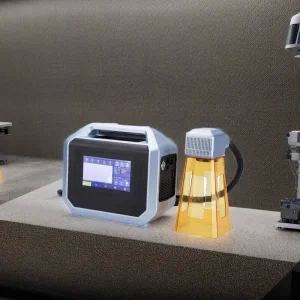
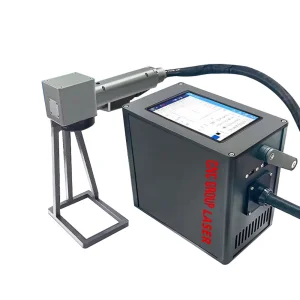
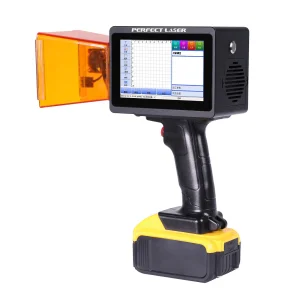
High-performance industrial-grade fiber, UV, and CO2 laser solutions engineered for seamless integration and extreme marking speed.
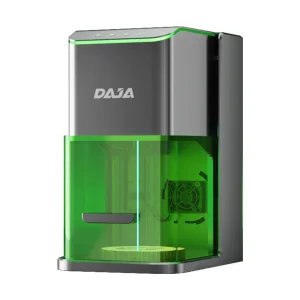
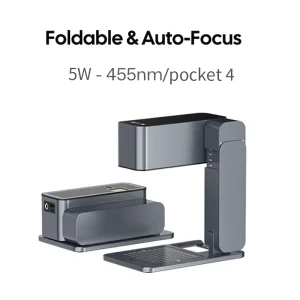
The convergence of optoelectronics and chemical manufacturing has ushered in a new era of material processing. Often referred to under the umbrella of chemical laser applications, this domain encompasses the use of high-energy photon streams to induce precise chemical transformations, photochemical reactions, thermal sublimation, and molecular bond degradation on targeted substrates. In modern industrial ecosystems, the demand for high-reliability permanent marking on chemical containers, polymers, semiconductor wafers, and specialized alloys has grown exponentially.
Global regulatory bodies, including the FDA in the United States and the EMA in Europe, have mandated strict traceability guidelines. For example, Unique Device Identification (UDI) for medical apparatuses and Global Harmonized System (GHS) requirements for chemical drums demand coding techniques that resist harsh environment exposures. Standard ink-based labeling fails under exposure to aggressive chemical agents, corrosive solvents, and temperature extremes. Consequently, industries are turning to advanced photothermal and photochemical laser applications—such as UV cold ablation and MOPA fiber annealing—to achieve permanent, structural material alterations that serve as indelible identifiers.
The industrial laser system market is projected to expand at a CAGR of 8.2% through 2030, heavily driven by the necessity for traceability in chemical-heavy logistics, electronic component micro-processing, and pharmaceuticals.
By leveraging specific wavelengths (e.g., UV 355nm or CO2 10.6μm), lasers selectively crack polymeric bonds or heat-treat metals to create dark contrast marks without introducing physical contaminants or heavy chemicals.
Non-contact laser treatment preserves the integrity of thin-walled vessels, hazardous packaging, and high-purity medical elements, eliminating micro-cracking and mechanical stress lines.
To successfully integrate laser solutions into chemical and industrial processing, one must analyze the interaction between optical energy and the target substrate's chemical properties. Selecting the appropriate laser technology involves matching the optical absorption spectra of the material with the emission wavelength of the laser system:
| Laser Source Type | Predominant Wavelength | Material Interaction Style | Optimal Chemical & Industrial Substrates |
|---|---|---|---|
| UV (Ultra-Violet) | 355 nm | Photolytic bond-breaking (Cold Processing) | PVC, HDPE, PET, Medical Polymers, Tempered Glass, Silicon |
| Fiber (Standard & MOPA) | 1064 nm | Thermal pyrolytic melting, engraving, oxidation | Stainless Steel, Titanium, Industrial Ceramics, Anodized Al |
| CO2 Gas Laser | 10.6 μm | Thermal sublimation, vaporisation | Organic Compounds, Acrylics, Glass Bottles, Cardboard Pack |
As a global hub for optoelectronic integration, Chinese industrial clusters, particularly in Zhejiang and adjacent manufacturing zones, offer unprecedented supply-chain integration. Hangzhou Kinray Laser Co., Ltd. represents the absolute pinnacle of this production efficiency, combining rigorous R&D processes with high-velocity manufacturing agility.
What differentiates Hangzhou Kinray Laser in the global market is our ability to deliver highly custom, specialized OEM and ODM engineering services. Global procurers, system integrators, and distributors face unique challenges related to line speeds, assembly-line footprints, and control software communications. Rather than offering standardized, inflexible equipment, Hangzhou Kinray operates as a direct OEM partner capable of adapting laser parameters, physical footprints, and automated reject mechanisms to fit specific plants.
Deploying laser engraving and marking equipment successfully requires a thorough understanding of the end-use environment. Let us explore three critical localized application scenarios where Kinray systems are currently deployed:
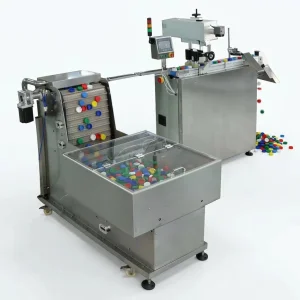
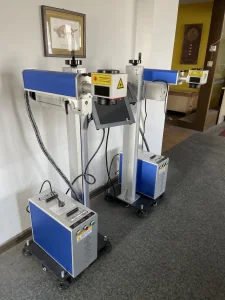
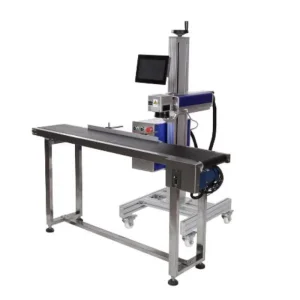
In high-speed bottling lines for household chemicals, agrochemicals, and liquid pharmaceuticals, traditional inkjet systems suffer from ink clogging due to evaporating solvent vapors. Using our 30W Fast Speed Batch Coding and Expire Date Code Online Flying Laser Marking Machine, factories achieve uninterrupted, permanent packaging coding directly onto glass bottles and HDPE caps. These markers resist acid spills and clean-in-place (CIP) washdowns.
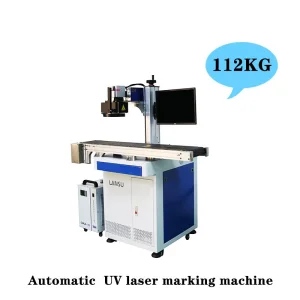
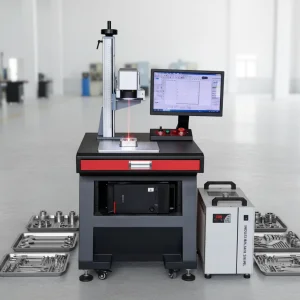
PVC compound processing releases volatile hydrochloric acid components under intense heat. Standard markers can cause thermal charring and structural weakness. By deploying the Lansu 5W UV Vision Laser Engraving System, PVC wire and cable manufacturers induce a cold chemical coloration, yielding a clear, contrasting mark at lightning-fast production rates without compromising the electrical insulative properties of the plastic conduit.
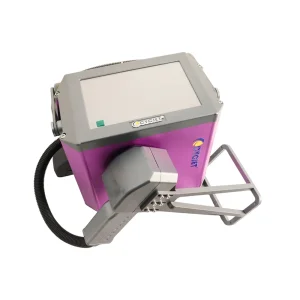
Automotive components undergoing surface treatments, anodization, or extreme friction must carry identifiers that survive assembly-line wear. Utilizing our 100W Deep Engraving MOPA Color Metal Steel 3D Fiber Laser, operators engrave heavy identification codes deep into steel and aluminum blocks, ensuring readability after sandblasting and powder coating.
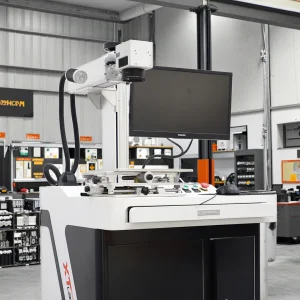
Inside Hangzhou Kinray Laser Co., Ltd. - Where cutting-edge engineering meets optimized mass production.
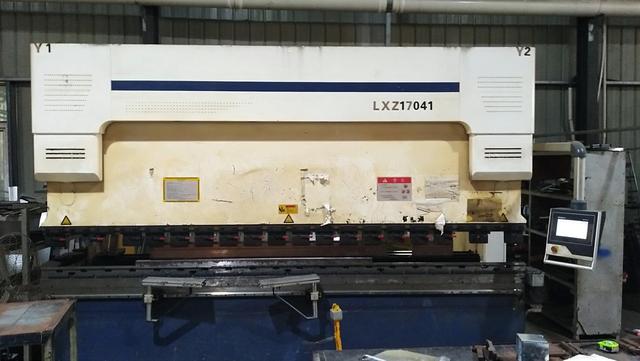
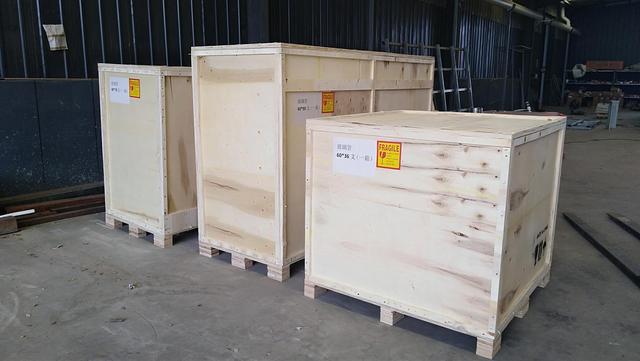
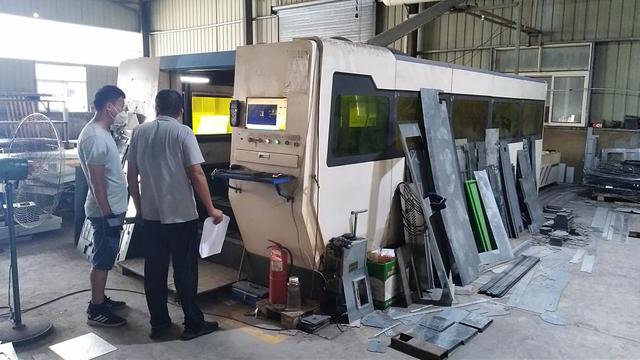
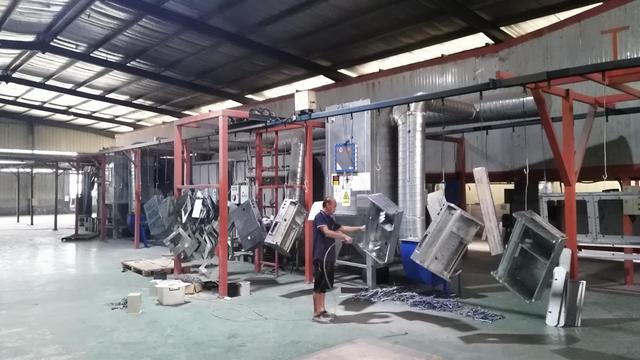
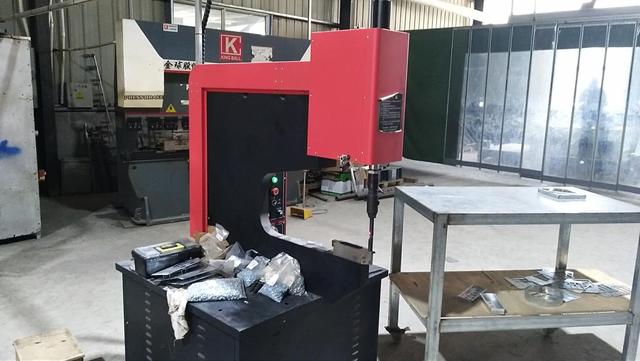
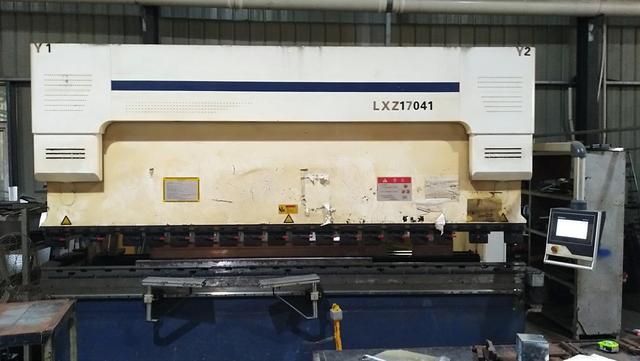
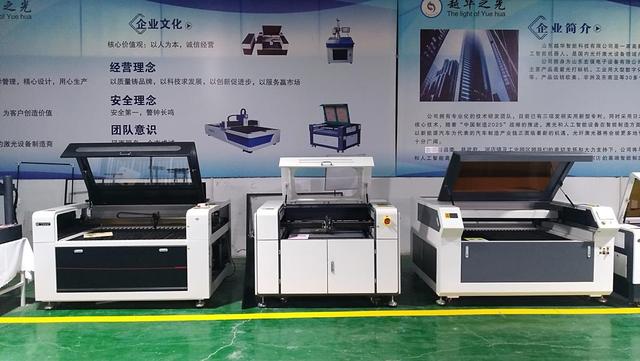
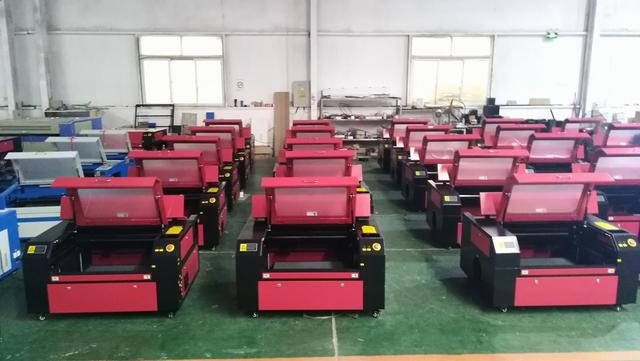
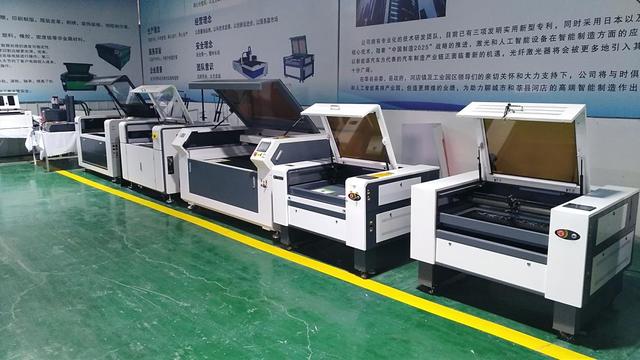
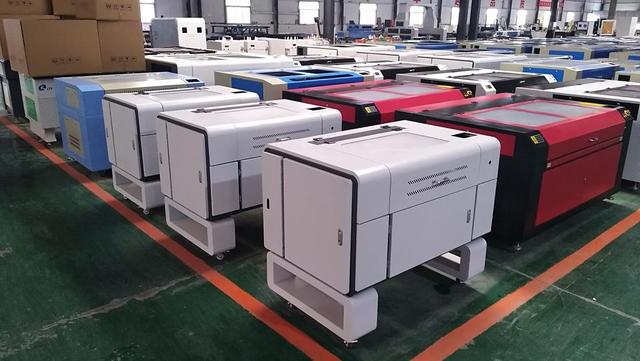
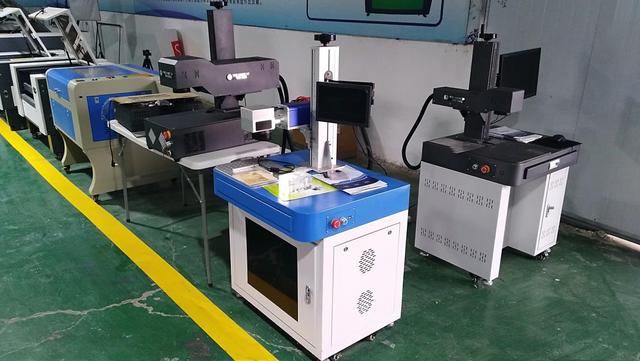
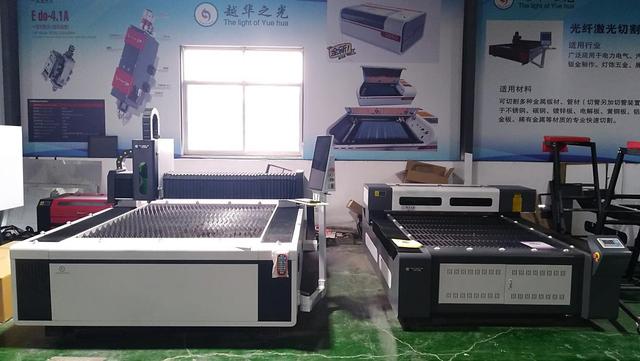
Hangzhou Kinray Laser Co., Ltd. is a leading China industrial laser marking machine manufacturer specializing in advanced fiber and UV laser solutions for global manufacturing industries. With a strong focus on innovation, precision, and intelligent manufacturing, Kinray Laser is committed to delivering high-performance laser equipment that improves production efficiency, product traceability, and marking quality.
Located in Hangzhou, China, the company integrates research and development, manufacturing, sales, and technical support to provide comprehensive laser processing solutions for customers worldwide. Our extensive product portfolio includes fiber laser marking machines, UV laser marking machines, CO2 laser marking systems, MOPA laser markers, flying laser marking machines, 3D laser marking equipment, and customized automated laser solutions.
Kinray Laser products are widely used in electronics, automotive, medical devices, precision hardware, jewelry, packaging, aerospace, consumer goods, and industrial manufacturing industries. Designed for high-speed, high-precision, and permanent marking applications, our systems are capable of processing a wide range of materials, including metals, plastics, ceramics, glass, and composite materials.
Equipped with advanced production facilities and rigorous quality management systems, Kinray Laser maintains strict quality control throughout every stage of manufacturing. Each machine undergoes comprehensive testing to ensure stable performance, reliability, and compliance with international standards.
To support global customers, we offer flexible OEM and ODM services for distributors, system integrators, equipment brands, and industrial manufacturers. Our experienced engineering team works closely with customers to develop customized laser solutions tailored to specific production requirements, automation needs, and industry applications.
Driven by technological innovation and customer satisfaction, Hangzhou Kinray Laser Co., Ltd. continues to expand its global presence and strives to become a trusted partner for intelligent laser processing solutions, helping manufacturers achieve smarter, more efficient, and sustainable production.
The industrial laser processing landscape is evolving quickly, driven by demand for speed, accuracy, and ease of integration. Businesses seeking to maintain a competitive edge should watch three major developments:
Sourcing industrial machinery from international factories requires looking beyond initial hardware costs. Global procurement managers should consider several factors:
Technical answers directly from Hangzhou Kinray Laser's R&D department.
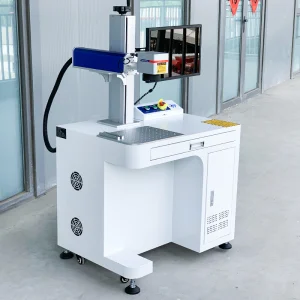
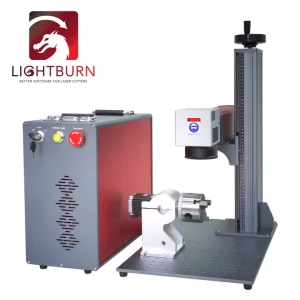
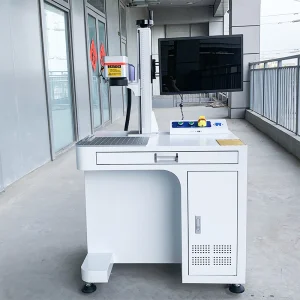
Heavy-duty configurations and automated systems optimized for high-throughput manufacturing.
 Kinray Laser