Explore our premium selection of production-ready systems, engineered for high reliability, thermal efficiency, and precision control across versatile substrate matrices.
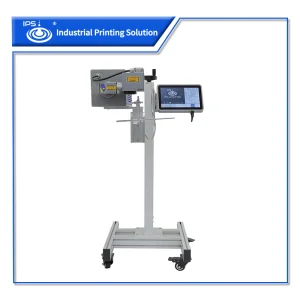
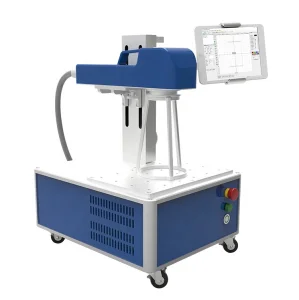
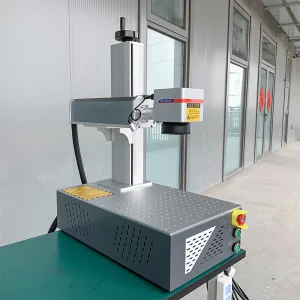
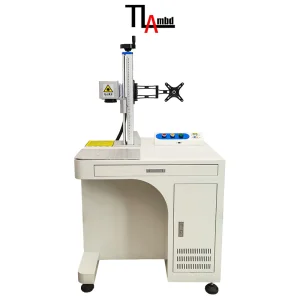
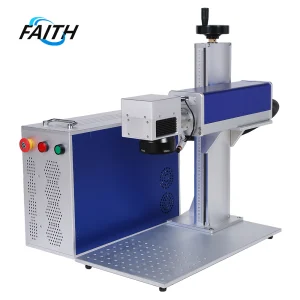

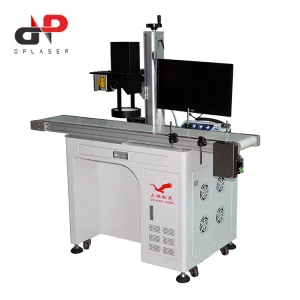
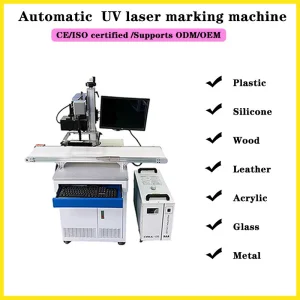
Evaluating advanced material processing, precision surface engineering, and global supply chain dynamics in contemporary manufacturing ecosystems.
The manufacturing sector is undergoing a profound paradigm shift driven by the demands of Industry 4.0. Central to this transformation is the integration of laser-based material processing and additive manufacturing techniques. Historically restricted to high-cost prototyping, laser additive manufacturing (L-AM)—encompassing selective laser melting (SLM), direct energy deposition (DED), and high-speed precision laser ablation—is now a standard configuration on high-volume production lines worldwide.
Industries such as aerospace, biomedical engineering, automotive, and high-density microelectronics demand unprecedented material traceabilities, micro-precision structural alterations, and permanent identification markings. By transitioning from traditional tool-and-die subtraction methodologies to precise photon-based processing, modern factories mitigate tooling wear, minimize raw material waste, and achieve micron-level thermal control. Global market indicators suggest that the demand for multi-axis, automated laser processing hardware will grow at a CAGR of over 12% through 2030, highlighting the imperative for robust and adaptive equipment design.
"Strategic competitiveness in global high-precision fabrication is no longer determined solely by throughput, but by the ability to offer granular traceabilities, customizable beam configurations, and cross-platform automation APIs."
Global procurement teams and system integrators face complex challenges when sourcing laser systems. The objective is to identify partners who provide verifiable performance data rather than generic marketing specifications. Essential key performance indicators (KPIs) include:
By addressing these engineering-centric concerns, Hangzhou Kinray Laser Co., Ltd. provides hardware solutions optimized for rapid deployment, low maintenance overhead, and long-term calibration stability.
Variable pulse duration tuning (2ns to 500ns) allows for high-contrast marking on anodized aluminum and deep, color-controlled etching on stainless steel without micro-fracturing.
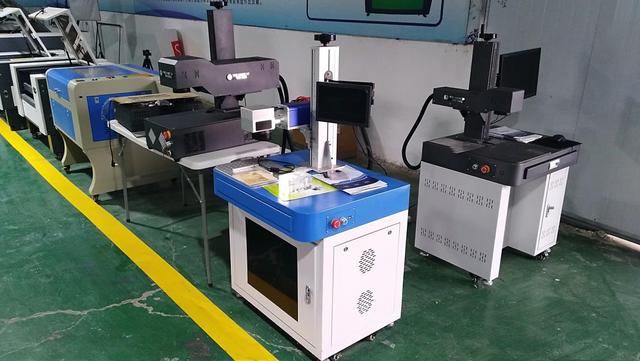
Ultraviolet photon interaction breaks molecular bonds photochemically rather than thermally, preventing micro-burns on delicate glass, PCBs, and medical-grade plastics.
Equipped with advanced dynamic focus lenses and high-speed digital scanheads to execute precise marking and engraving across complex multi-tiered curved surfaces.
Sourcing industrial laser machinery from China has evolved beyond cost considerations to encompass supply chain resilience, engineering agility, and technological leadership. Hangzhou Kinray Laser Co., Ltd., based in the high-technology industrial corridor of Hangzhou, utilizes a highly integrated component ecosystem. Our proximity to leading optical fiber research centers, precision glass producers, and digital galvo-scanner manufacturers enables rapid prototyping cycles and seamless quality control.
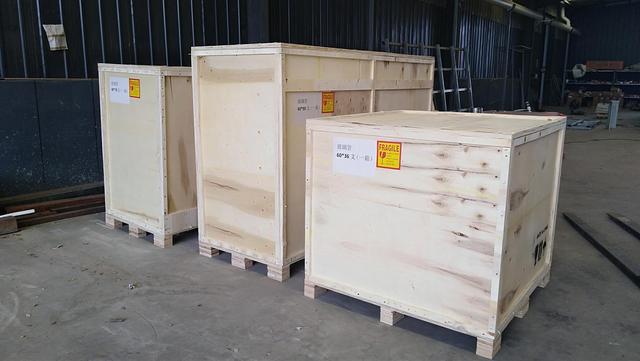
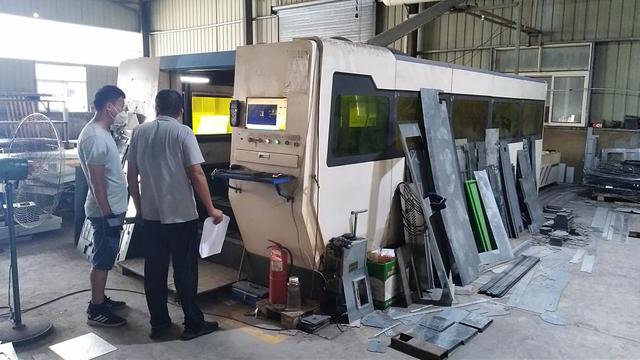
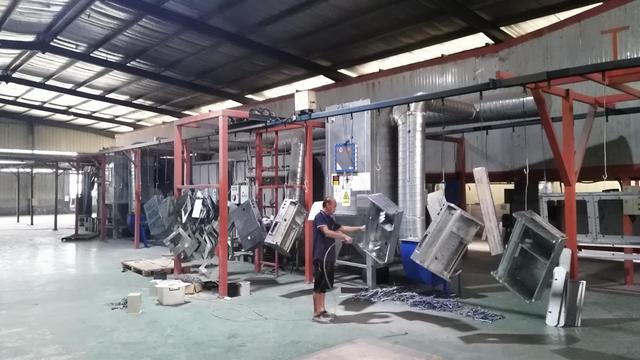
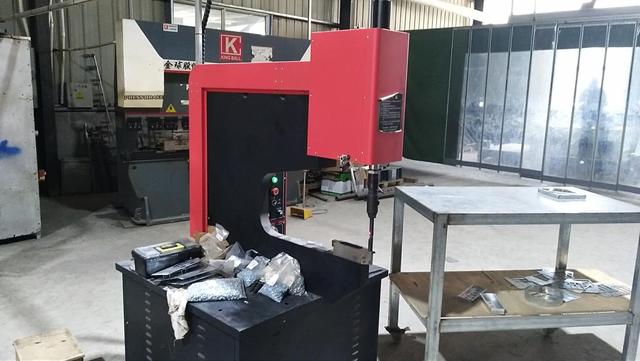
Our factory implements strict industrial test protocols, including a continuous 72-hour thermal stress test for laser power sources, multi-axis optical alignment validation, and electromagnetic compatibility (EMC) testing. By maintaining vertical integration over system designs—from sheet-metal frame fabrication to proprietary control board software—we insulate our global partners from supply chain shocks, guaranteeing stable lead times and continuous spare part availability.
In localized manufacturing scenarios, material variations require custom laser configurations. For example:
Hangzhou Kinray Laser Co., Ltd. is a leading China industrial laser marking machine manufacturer specializing in advanced fiber and UV laser solutions for global manufacturing industries. With a strong focus on innovation, precision, and intelligent manufacturing, Kinray Laser is committed to delivering high-performance laser equipment that improves production efficiency, product traceability, and marking quality.
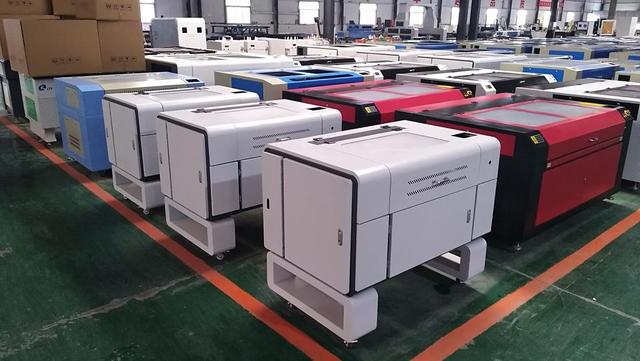
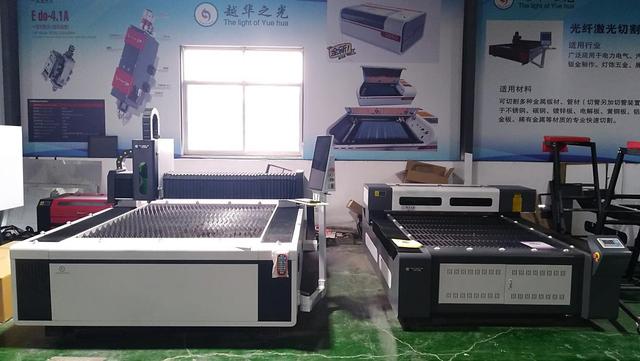
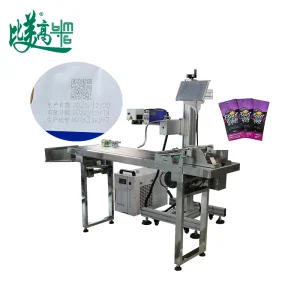
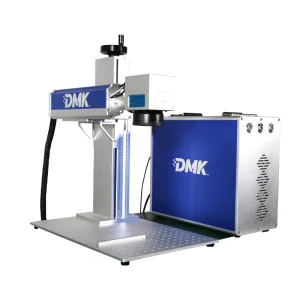
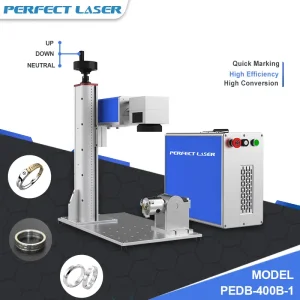
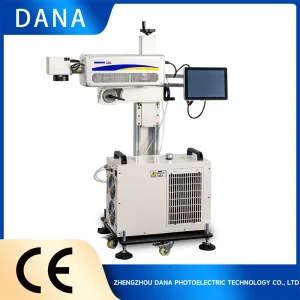
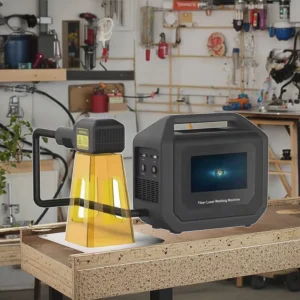
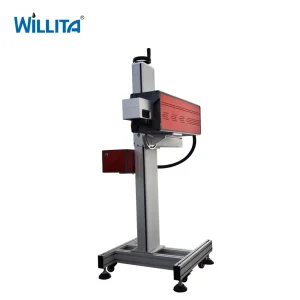
Located in Hangzhou, China, the company integrates research and development, manufacturing, sales, and technical support to provide comprehensive laser processing solutions for customers worldwide. Our extensive product portfolio includes fiber laser marking machines, UV laser marking machines, CO2 laser marking systems, MOPA laser markers, flying laser marking machines, 3D laser marking equipment, and customized automated laser solutions.
Kinray Laser products are widely used in electronics, automotive, medical devices, precision hardware, jewelry, packaging, aerospace, consumer goods, and industrial manufacturing industries. Designed for high-speed, high-precision, and permanent marking applications, our systems are capable of processing a wide range of materials, including metals, plastics, ceramics, glass, and composite materials.
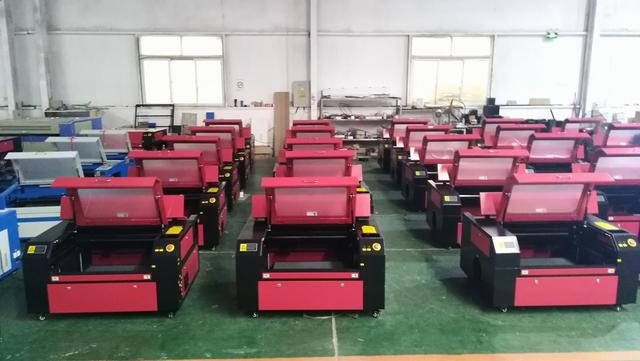
Equipped with advanced production facilities and rigorous quality management systems, Kinray Laser maintains strict quality control throughout every stage of manufacturing. Each machine undergoes comprehensive testing to ensure stable performance, reliability, and compliance with international standards.
To support global customers, we offer flexible OEM and ODM services for distributors, system integrators, equipment brands, and industrial manufacturers. Our experienced engineering team works closely with customers to develop customized laser solutions tailored to specific production requirements, automation needs, and industry applications.
Driven by technological innovation and customer satisfaction, Hangzhou Kinray Laser Co., Ltd. continues to expand its global presence and strives to become a trusted partner for intelligent laser processing solutions, helping manufacturers achieve smarter, more efficient, and sustainable production.
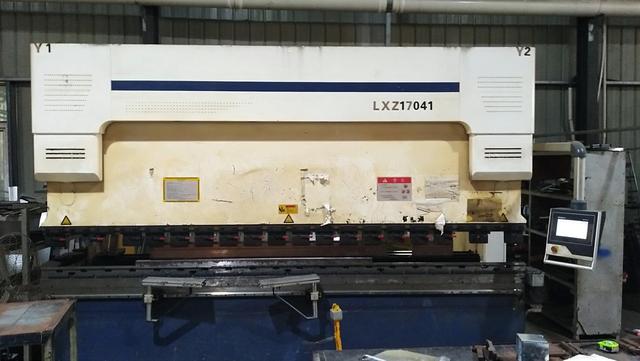
Essential guidance on laser engineering, wavelength selections, interface integrations, and custom OEM/ODM parameters.
Explore our secondary tier of high-performance laser markers, designed for dedicated assembly lines, cleanrooms, and flexible workshops.
 Kinray Laser