Advanced UV & CO2 Laser Systems Optimized for Seamless Integration into Turkey's High-Volume SMT and Electronics Assembly Lines
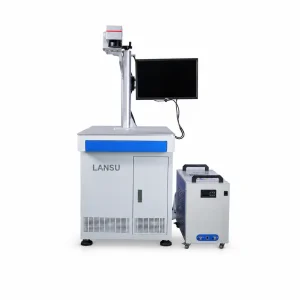
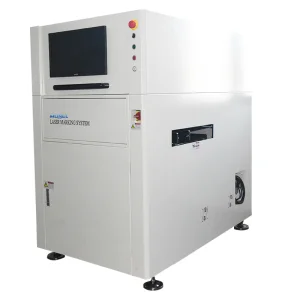
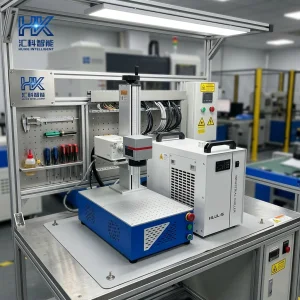
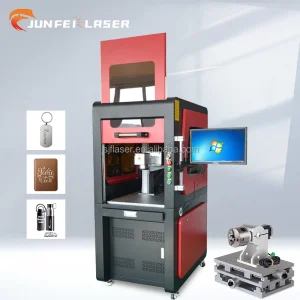
Turkey has rapidly established itself as a premier manufacturing powerhouse at the crossroads of Europe, the Middle East, and Central Asia. Driven by the expansion of automotive electronics hubs in Bursa and Kocaeli, and major domestic household appliance (White Goods) conglomerates in Istanbul and Manisa, the Turkish electronic manufacturing service (EMS) sector is undergoing a massive technical upgrade. Regulatory mandates, quality standards, and export requirements to the European Union (EU) have pushed PCB traceability to the forefront of operational priorities.
For modern assembly lines utilizing Surface Mount Technology (SMT), permanent marking is no longer optional. Critical components, multi-layer PCBs, and flex circuits (FPC) require high-contrast, indelible QR codes, barcodes, and serial numbers. Traditional ink-jet printing methods fail to meet durability standards and introduce chemical contaminants that compromise delicate electronic circuits. High-precision laser marking machines have become the definitive industry standard, delivering clean, non-contact marking that withstands harsh chemical washing, wave soldering, and intense thermal cycles.
Turkish manufacturers supplying global giants or localized defense firms (e.g., ASELSAN, Vestel, Arçelik) must adhere to rigorous traceability protocols such as IPC-1782 standard, requiring micro-level marking without causing micro-cracks or heat-affected zones (HAZ).
With SMEMA-compliant conveyor configurations, modern systems seamlessly exchange data with Manufacturing Execution Systems (MES), registering board orientation and defect maps dynamically prior to pick-and-place routines.
Selecting the optimal wavelength is critical to ensuring maximum code legibility and structural integrity. Different substrates interact uniquely with laser light energy.
PCB substrates vary significantly, from standard FR-4 (flame retardant fiberglass epoxy) and multi-layer high-frequency laminates to polyimide flexible circuits (FPC) and metal-clad insulated metal substrates (IMS) used in power LED and automotive power systems. Each of these materials exhibits distinct absorption spectra, dictates which laser wavelength is most suitable, and determines the thermal effect on the circuit board.
| Laser Source Type | Wavelength | Primary Material Interaction | Best PCB Application in Turkish Industry | Thermal Stress Level |
|---|---|---|---|---|
| CO2 Laser | 10.6 µm | Thermal absorption by organic glass fiber/resin matrices. | Standard FR-4, FR-2 PCBs, green solder mask ablation. | Medium (Localized heat-affected zone) |
| UV (Ultraviolet) Laser | 355 nm | Cold photochemical ablation (breaking molecular bonds directly). | High-density flexible PCBs (FPC), ultra-thin HDI boards, white solder masks. | Negligible (Cold processing, zero carbonization) |
| Fiber / MOPA Laser | 1064 nm | Direct thermal engraving/annealing on metallic substrates. | Metal-backed PCBs (Aluminum/Copper), shielding cans, industrial tags. | High (Controlled heating) |
How Hangzhou Kinray Laser solutions integrate with high-speed production environments to drive operational efficiency
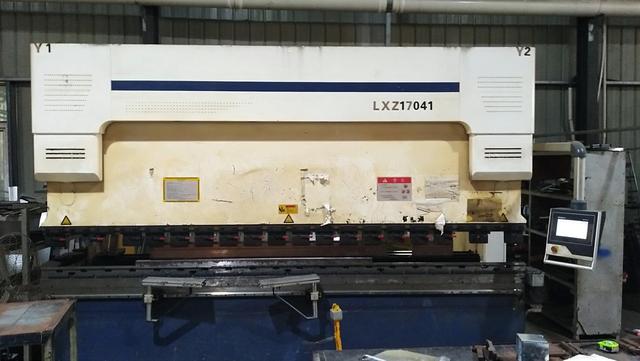
Our inline PCB laser marking machines are standard-equipped with SMEMA and the modern IPC-Hermes-9852 protocols. This ensures smooth horizontal machine-to-machine communications, allowing our marking systems to synchronize feed rates, panel orientations, and bypass codes dynamically with upstream screen printers and downstream pick-and-place equipment.
Equipped with high-resolution CCD cameras and advanced pattern-recognition algorithms, the system recognizes fiducial markers on the board surface in milliseconds. This compensates for any mechanical loading offsets, assuring marking positioning accuracy down to ±0.01mm. Post-marking, the system performs real-time grading of the barcode or QR code quality according to ISO/IEC 15415 standards, instantly flagging unreadable codes before they progress further down the line.
Our software suite supports direct SQL database connection, TCP/IP, and Web API interfaces. It automatically pulls product serial numbers, batch parameters, dynamic timestamps, and manufacturing metadata from your factory MES, translating it instantly into a marked vector code while feeding back confirmation logs to ensure absolute, error-free traceability.
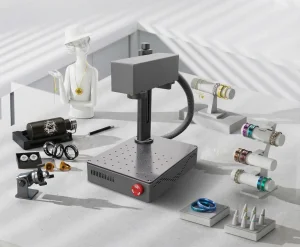
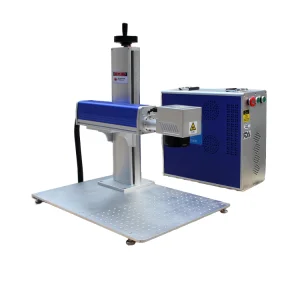
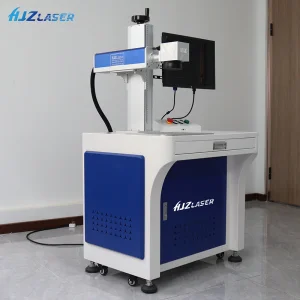
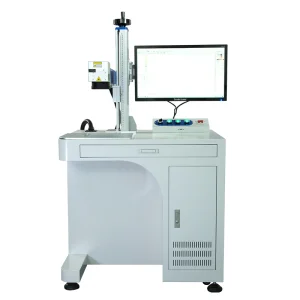
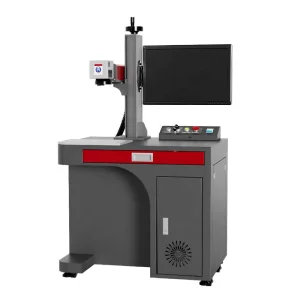
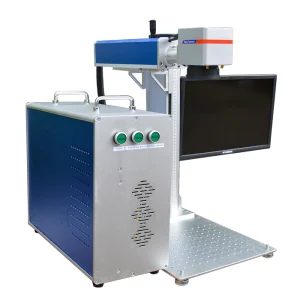
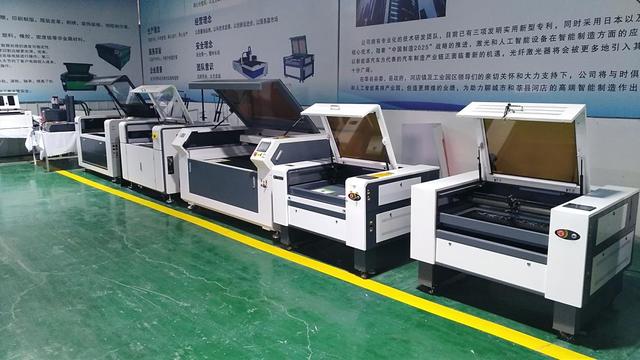
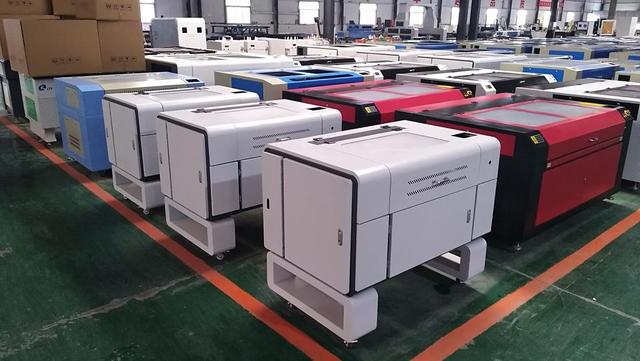
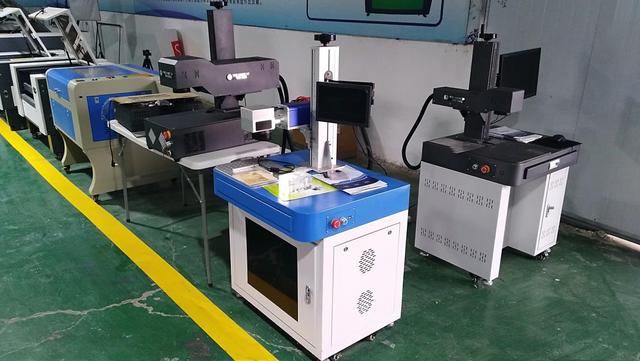
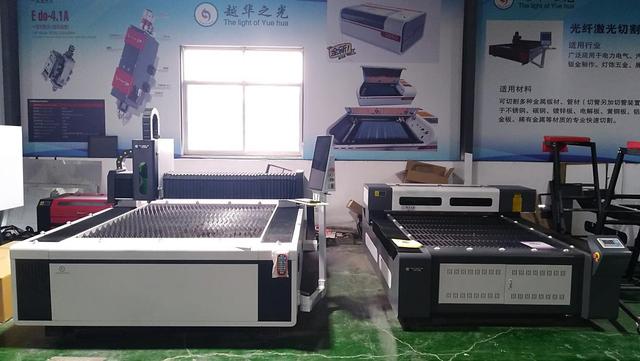
Discover our full range of fiber, UV, and CO2 marking machines, custom engineered for Turkey's diverse industrial sector
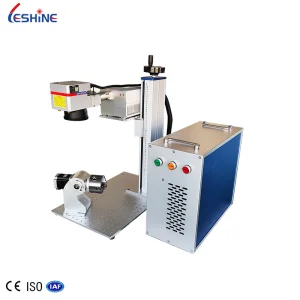
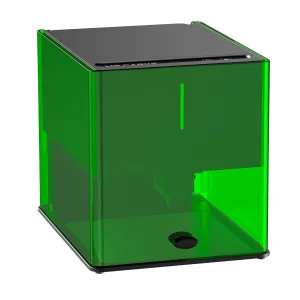
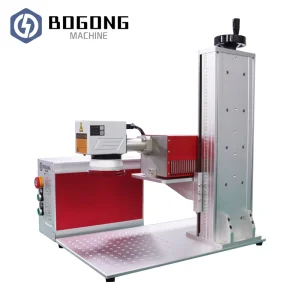
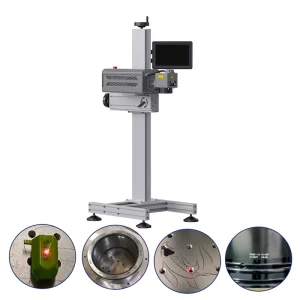
A seamless procurement cycle backed by global standards and local logistical support
All Hangzhou Kinray Laser marking systems exported to Turkey are fully certified under the relevant EU directives, including Machinery Directive 2006/42/EC, Low Voltage Directive 2014/35/EU, and EMC Directive 2014/30/EU. Recognizing the safety demands of modern Turkish assembly lines, we configure our inline machinery with Class 1 laser safety enclosures, dual-channel interlock switches, and high-volume local exhaust ventilation systems to filter out toxic copper fumes, fiberglass particles, and solder mask vapor.
Thanks to Turkey's customs union with the European Union and bilateral agreements with China, we provide comprehensive customs documentation including clean Certificates of Origin and necessary test reports to expedite processing at major Turkish ports (Ambarli, Izmir, Mersin, Kocaeli). Our experienced export division ensures hassle-free classification, minimizing duties and avoiding delays in production setup.
We understand that down-time is critical for active manufacturing hubs. Kinray Laser provides dedicated post-sales support through field service engineers serving Istanbul, Bursa, and Izmir. Our support services include:
A trusted global leader in advanced industrial laser marking, cutting, and engraving solutions
Hangzhou Kinray Laser Co., Ltd. is a leading China industrial laser marking machine manufacturer specializing in advanced fiber and UV laser solutions for global manufacturing industries. With a strong focus on innovation, precision, and intelligent manufacturing, Kinray Laser is committed to delivering high-performance laser equipment that improves production efficiency, product traceability, and marking quality.
Located in Hangzhou, China, the company integrates research and development, manufacturing, sales, and technical support to provide comprehensive laser processing solutions for customers worldwide. Our extensive product portfolio includes fiber laser marking machines, UV laser marking machines, CO2 laser marking systems, MOPA laser markers, flying laser marking machines, 3D laser marking equipment, and customized automated laser solutions.
Kinray Laser products are widely used in electronics, automotive, medical devices, precision hardware, jewelry, packaging, aerospace, consumer goods, and industrial manufacturing industries. Designed for high-speed, high-precision, and permanent marking applications, our systems are capable of processing a wide range of materials, including metals, plastics, ceramics, glass, and composite materials.
Equipped with advanced production facilities and rigorous quality management systems, Kinray Laser maintains strict quality control throughout every stage of manufacturing. Each machine undergoes comprehensive testing to ensure stable performance, reliability, and compliance with international standards.
To support global customers, we offer flexible OEM and ODM services for distributors, system integrators, equipment brands, and industrial manufacturers. Our experienced engineering team works closely with customers to develop customized laser solutions tailored to specific production requirements, automation needs, and industry applications.
Driven by technological innovation and customer satisfaction, Hangzhou Kinray Laser Co., Ltd. continues to expand its global presence and strives to become a trusted partner for intelligent laser processing solutions, helping manufacturers achieve smarter, more efficient, and sustainable production.
Detailed technical answers to common integration, operation, and import questions from our engineering team
UV lasers utilize a 355nm wavelength, which carries higher photon energy compared to CO2 lasers (10.6 µm). This allows UV lasers to perform "cold processing" through photochemical ablation, breaking chemical bonds directly without generating substantial heat. This process prevents carbonization, material bubbling, and internal layer micro-damage. Conversely, CO2 lasers rely on photothermal heating, which can char the margins of FR4 substrate boards, leading to poor visual contrast and potential insulation degradation.
Our software supports multiple standard integration interfaces. We provide direct SQL connection protocols, TCP/IP socket parameters, and dynamic REST APIs. In a typical sequence, when a circuit board trips the inlet SMEMA sensor, the conveyor stops, the internal camera recognizes the fiducial coordinate system, and queries the MES. The MES returns the unique ID parameters. The laser prints this string instantly as a QR code and validates it with a secondary scan, returning a success signal to allow downstream line movement.
The lifespan depends on the source style. Our MOPA/Fiber laser sources offer an operating lifespan of approximately 100,000 hours under correct thermal and electrical loads. Industrial UV laser sources (solid-state crystal systems) are rated for approximately 20,000 to 30,000 hours, after which the diode module can be serviced or replaced. CO2 laser sources range from 20,000 to 50,000 hours, depending on whether RF metal-tube or glass-tube designs are chosen.
Yes, laser ablation of green/black solder mask resins, FR4, and epoxy substrates releases fine particulate dust, carbon micro-particles, and VOCs. To maintain clean optical lenses and safeguard production staff, we recommend integrating a dedicated, multi-stage fume extractor system featuring an activated charcoal filter and HEPA media. We can configure our inline solutions with dedicated exhaust outlets that link directly to your facility's centralized filtration network.
Under the EU-Turkey Customs Union and global trade rules, industrial machinery classified under HS code 8456.11 (Machine tools operating by laser) generally incurs standard VAT. Customs duties can vary depending on specific trade agreements and the HS sub-code. Hangzhou Kinray Laser provides all necessary documentation, including CE Declaration of Conformity and customized commercial invoices, to ensure smooth clearance through customs at Turkish ports.
Our integrated vision systems use smart cameras with specialized illumination zones. After marking, the camera captures the code image and uses standard algorithms (such as AIM DPM or ISO/IEC 15415 standards) to assess parameters like contrast, cell size variation, modulation index, and geometric distortion. If the code quality drops below a user-defined threshold, the machine flags a warning or activates a bypass reject conveyor segment.
For flexible polyimide (FPC) materials, which can be as thin as 0.05mm, we utilize our 355nm UV laser systems. The marking process involves adjusting pulse frequency and pulse duration. This allows us to modify only the top layer of the polyimide or coverlay film, creating a high-contrast dark mark without punching through or altering the underlying copper traces.
Our systems are built with secure remote access hardware gateways. With your local engineer's permission, our technical center in China can log into the machine's control terminal over an encrypted connection. This enables us to inspect system logs, adjust galvo calibration constants, run diagnostics on power modules, and update system configurations, resolving over 90% of software-related issues within hours.
Get in touch with our system engineers today to discuss your technical specifications, request a sample marking test, or receive a comprehensive custom quote.
Send Inquiry Now Kinray Laser