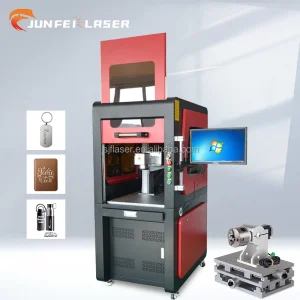
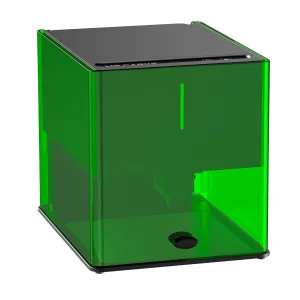
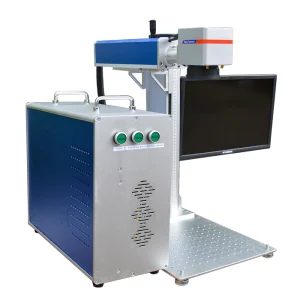
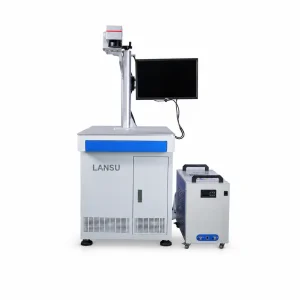
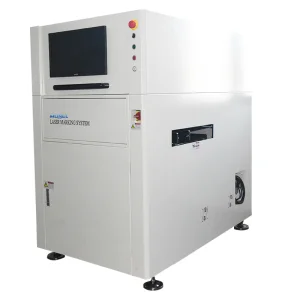
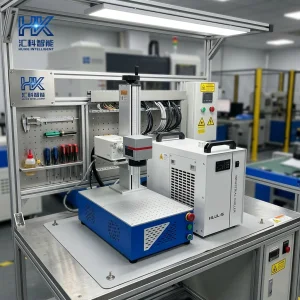
Premium configuration models designed for high duty cycle inline SMT operations and standalone precision engraving.
Marking Precision
Cold Laser Technology
Continuous Operation
Standardized Integration
Austria stands at the forefront of European advanced engineering, positioning itself as a key supplier for automotive electronics, aerospace systems, and sophisticated industrial automation machinery. Driven by regional industrial epicenters in Styria, Carinthia (Silicon Alps cluster), and Upper Austria, local manufacturers face rigorous demands for end-to-end component traceability. The transition toward intelligent manufacturing, coupled with strict safety guidelines (such as European medical device regulations and automotive VDA standards), mandates permanent, non-destructive, high-resolution marking on printed circuit boards (PCBs).
Traditional ink printing methods fall short of modern cleanliness requirements and are highly prone to degradation when exposed to harsh industrial chemicals, solvent baths, or thermal profiles. This is where state-of-the-art PCB Laser Marking Machines step in, delivering rapid, contamination-free processing that satisfies the strictest QA protocols.
Ensuring compliance with VDA guidelines. Safe laser marking of DataMatrix codes, micro-QR codes, and serials onto delicate FR4 and high $T_g$ laminates without affecting circuitry layers.
Facilitates permanent, biocompatible barcode engraving directly onto internal electronics substrates for high-reliability medical monitoring systems manufactured in Austria.
Utilizing high-frequency short pulse width UV lasers to mark thin, multi-layered flexible polyimide circuits without causing curling or heat-affected zones (HAZ).
Choosing the correct laser source depends entirely on the substrate layer (solder resist color, FR4 density, ceramic components, or metal base). The technical matrix below defines the performance parameters of each laser route:
| Laser Source Wavelength | Common Wavelength | Ideal PCB Substrate | Marking Mechanism | Heat Affected Zone (HAZ) |
|---|---|---|---|---|
| UV (Ultraviolet) | 355 nm | FR4, Flex PCB, Ceramics, Green/Yellow Solder Masks | Photolytic (Cold ablation, breaking chemical bonds) | Negligible (Micro-level) |
| CO2 | 10.6 μm / 9.6 μm | Solder resist ablation, FR4 engraving, organic layers | Thermal vaporization (Carbonization / melting) | Moderate to High |
| Fiber / MOPA | 1064 nm | Metal core PCBs (Al, Cu), dark industrial plastics | Photothermal (Engraving, melting, or foaming) | Localized Heat Stress |
For modern assembly facilities in Austria, automation compatibility is a non-negotiable prerequisite. SMT manufacturing lines rely on standardized communication protocols to guarantee efficient material handling. High-performance inline laser marking systems integrate seamlessly using the standard SMEMA (IPC-SMEMA-9851) physical interface, allowing smooth handshakes between upstream conveyors and downstream inspection tools. Modern installations increasingly leverage the IPC-CFX (Connected Factory Exchange) or standard TCP/IP protocols to communicate with MES (Manufacturing Execution Systems) for dynamic, real-time code verification.
Kinray Laser designs systems that integrate premium internal barcode scanners and CCD cameras. Our closed-loop validation reads the laser-marked 2D code immediately after engraving, verifies readability, compares it against the factory database, and flags any defective units automatically. This minimizes scrap, reduces processing bottlenecks, and ensures 100% data fidelity.
Sourcing laser machinery directly from leading Chinese manufacturers like Hangzhou Kinray Laser Co., Ltd. offers a unique combination of rapid engineering iteration, robust material sourcing, and unmatched cost-to-performance ratios. While European system integrators struggle with extended lead times for custom gantry designs or proprietary software modifications, Kinray's agile development cycle enables rapid deployment of customized, assembly-ready SMT marking machines.
Our deep partnerships with premium optical and electronic component suppliers—such as IPG, JPT (MOPA fiber sources), Synrad (CO2), and Inno/Bellin (UV crystals)—ensure that critical optical modules operate with absolute reliability. By handling structural engineering, custom software configuration, and SMT conveyor integration at our advanced factory in Hangzhou, we deliver premium performance systems to Austrian factories at a fraction of the capital expenditure (CapEx) of domestic alternatives.
Hangzhou Kinray Laser Co., Ltd. integrates decades of research, development, and system assembly. We specialize in producing CE-certified laser equipment designed for high-density, multi-layered PCBs, plastic enclosures, and fine metals. With flexible OEM/ODM options, we customize everything from laser wavelength to software interfaces for European system integrators.
Our export line includes fully enclosed Class 1 laser cabinets, integrated safety interlocks, and dedicated exhaust ports to comply with Austrian WEEE directives and general EU machine safety standards. We offer remote installation assistance, detailed technical schematics, and pre-shipment validation reports.
Explore our extensive catalogue of UV, Fiber, CO2, and MOPA laser marking systems engineered for global electronics manufacturing and high-mix, low-volume assembly lines.

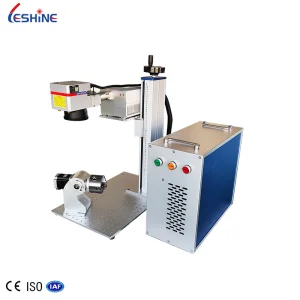
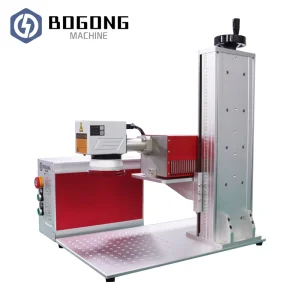
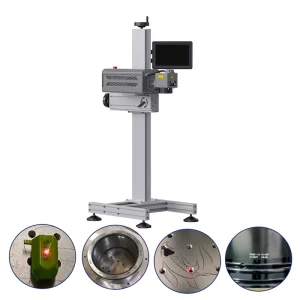
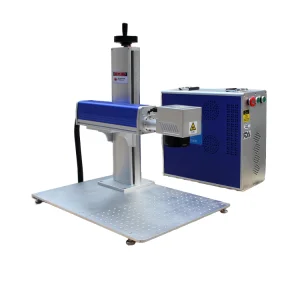
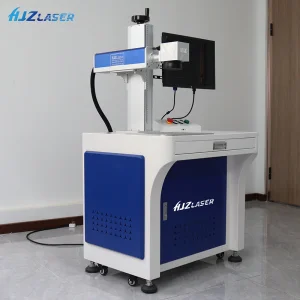
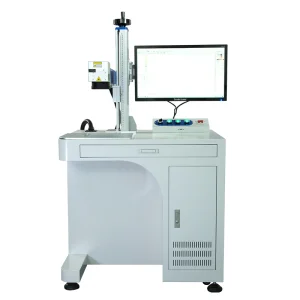
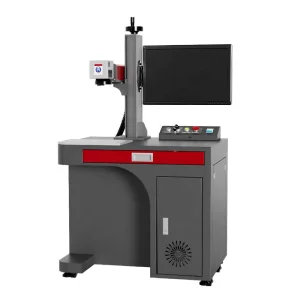
As the electronics manufacturing sector trends toward ultra-high-density packaging, including System-in-Package (SiP) structures and micro-HDI technology, the footprint available for serialization codes is rapidly shrinking. Conventional 2D DataMatrix codes, once measured in square millimeters, are shifting to micro-matrices as small as 0.5 mm × 0.5 mm. To achieve legible markings at this scale, marking systems require laser beam quality factors ($M^2$) of less than 1.2, paired with sub-micron positioning accuracy from the digital galvo heads.
Simultaneously, the industry is transitioning away from standard green-colored FR4 towards multi-colored solder masks (including matte white, high-reflective black, and blue). Different pigments respond uniquely to specific wavelengths. For example, marking white masks without cause for carbon discoloration requires precise power density modulation. MOPA lasers, which permit independent control of pulse duration and repetition rates, offer a versatile alternative by providing heat management optimization. Looking forward, we expect artificial intelligence to play a greater role, with optical inline inspection engines correcting optical distortions on warped boards in real time before laser activation.
Industrial machinery deployed within Austria and the broader European market must comply with strict occupational health and safety standards. PCB laser marking lines operate high-power laser sources that present safety hazards if improperly shielded. Below are the key compliance structures integrated into Kinray Laser products for the Austrian market:
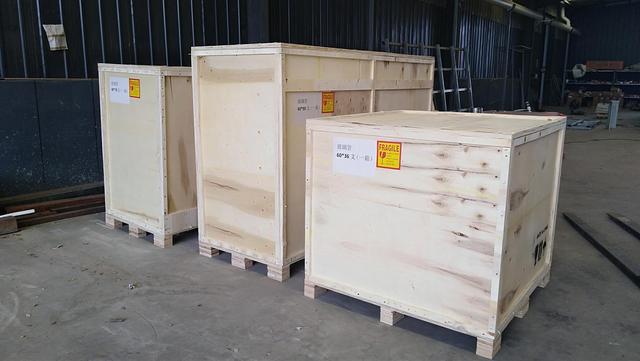
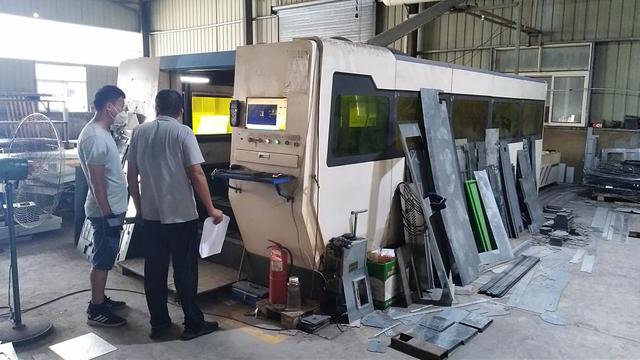
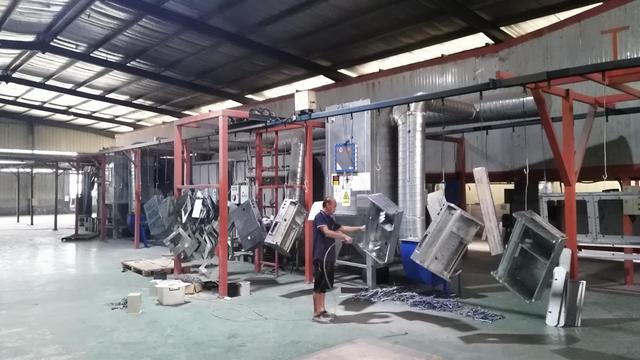
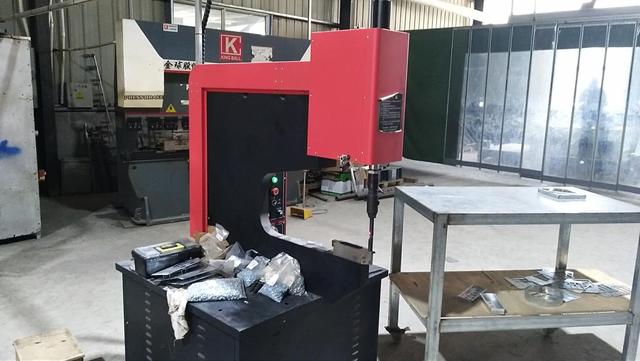
An inside look at our advanced manufacturing facilities, cleanrooms, and testing departments, where each machine is built to meet international standards.
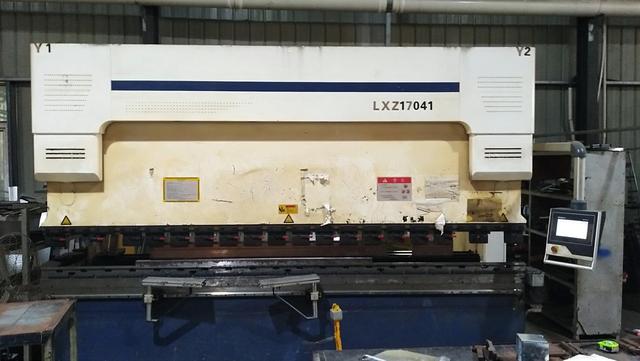
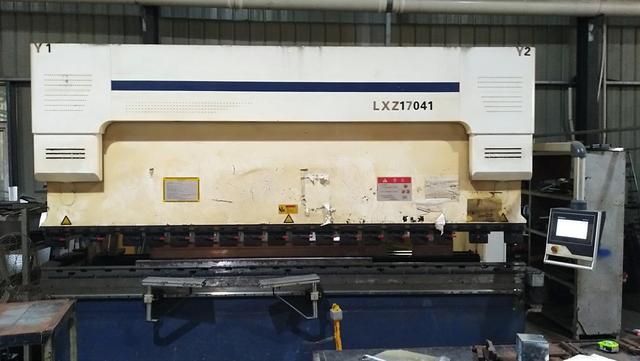
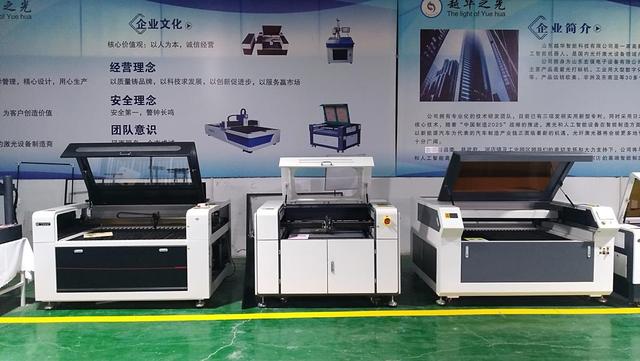
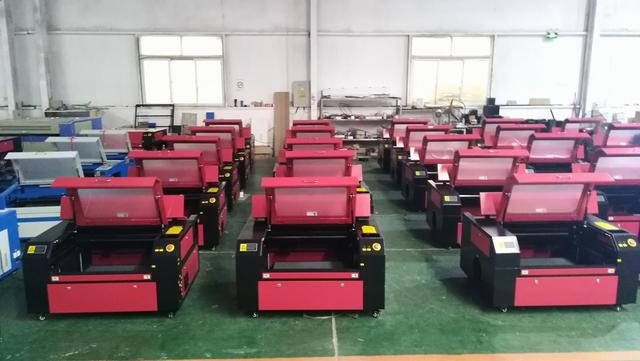
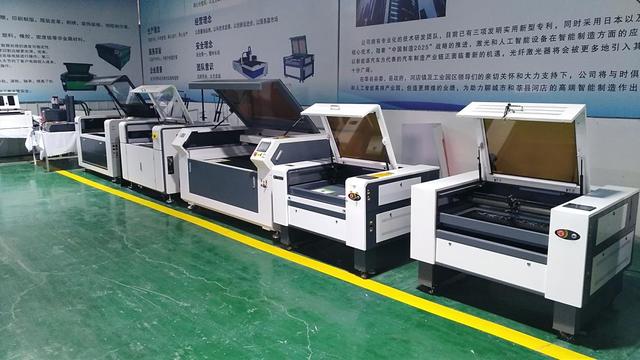
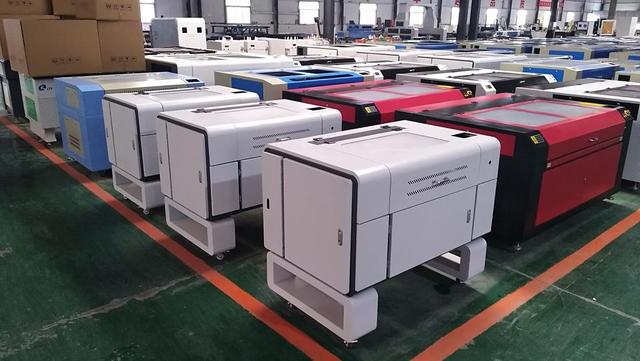
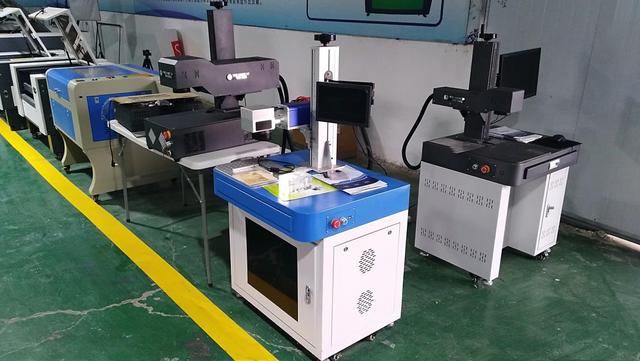
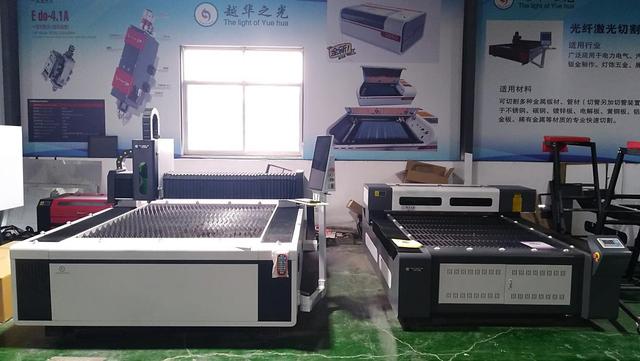
Common questions concerning system integration, laser selection, and operational parameters for industrial SMT processing lines.
Contact our application engineering team to request a customized laser processing evaluation or technical proposal for your Austrian facility.
Send Inquiry Now Kinray Laser