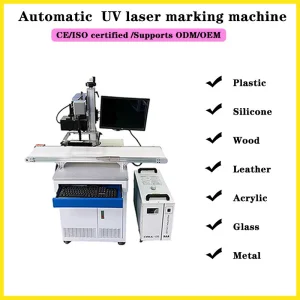
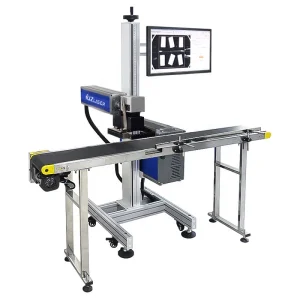
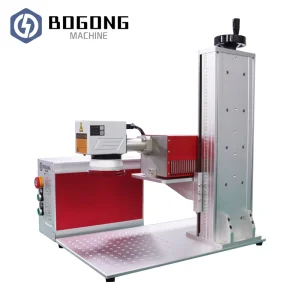
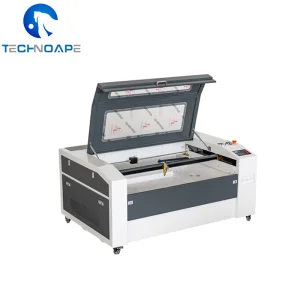
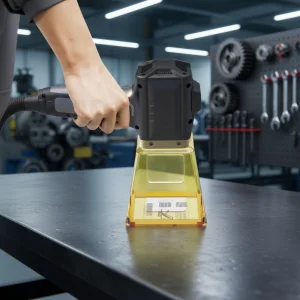
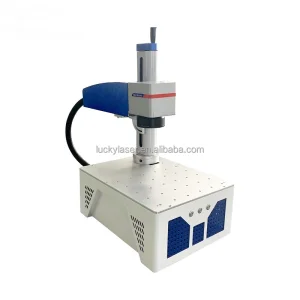
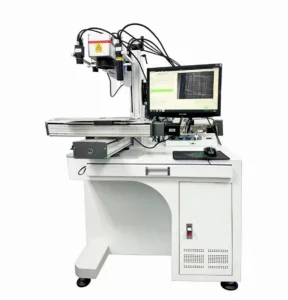
High-performance industrial machinery engineered for reliable, permanent marking across plastics, metals, and composite packaging lines.
Underpinning international traceabiity requirements and automated smart manufacturing lines with rugged, custom-tailored laser architectures.
In the contemporary landscape of high-precision industrial manufacturing, optical fiber laser technology has emerged as the definitive benchmark for processing durability and accuracy. Hangzhou Kinray Laser Co., Ltd. stands at the forefront of this industrial transition. Operating from Hangzhou, China, we specialize in the comprehensive R&D, architectural engineering, and system integration of industrial laser solutions. Our core focus centers on the execution of customized OEM/ODM projects tailored for global distributors, machinery integrators, and large-scale manufacturing facilities.
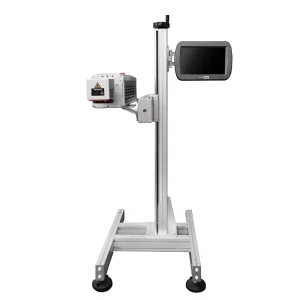
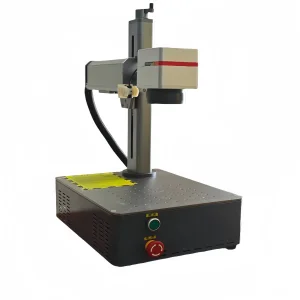
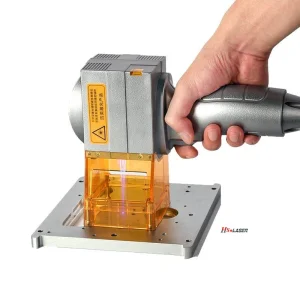
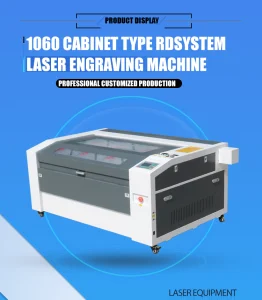
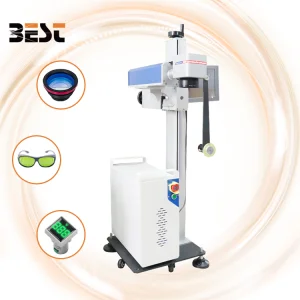
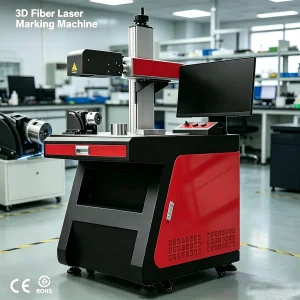
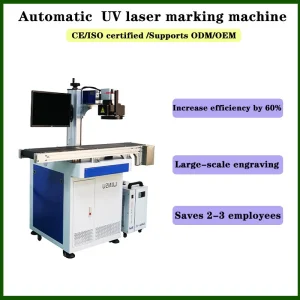
Our engineered product catalog bridges critical industrial categories: high-power MOPA fiber lasers, high-frequency UV laser markers, robust CO2 systems, and highly customized online flying marking machines configured for continuous-feed production lines. By integrating top-tier optical components, advanced digital scanning systems, and adaptive control software, Kinray Laser delivers permanent marking, high-density matrix micro-coding, and precision material ablation across metals, structural plastics, industrial ceramics, composites, and packaging materials.
Utilizing highly optimized fiber resonators, our systems maintain a nearly diffraction-limited output beam. This ensures micron-level precision, minimal heat-affected zones (HAZ), and unmatched processing stability on sensitive heat-treated alloys and multi-layered semiconductor packages.
By transitioning beyond standard Q-switched modules, Kinray’s JPT MOPA systems support wide-spectrum pulse adjustments from 1ns to 500ns. This gives engineers direct control over thermal accumulation, allowing for high-contrast, corrosion-resistant black markings on anodized aluminum and stainless steel.
From 1064nm near-infrared wavelengths for robust metallic engraving to 355nm deep UV absorption profiles for cold marking on medical-grade HDPE, Kinray builds solutions mapped to exact molecular absorption rates.
The realization of a reliable, high-yield laser engraving installation relies on the quality of its optoelectronic subsystem. Kinray Laser capitalizes on the industrial clustering effects of Hangzhou, Zhejiang Province. This strategic positioning provides direct, low-latency access to world-class optoelectronic component suppliers, advanced CNC mechanical fabricators, and high-frequency galvo-scanner research hubs. This integration drastically reduces prototyping loops, allowing us to build, calibrate, and ship bespoke systems within tight schedules.
A laser source is only as fast as its deflection mechanism. Our marking systems incorporate high-speed, dual-axis digital galvo-scanners featuring integrated closed-loop temperature control. Operating at writing speeds up to 12,000 mm/s, these scanners compensate for thermal drift during long duty cycles, preventing marking degradation or skew. For high-volume manufacturing lines, this sub-millisecond response latency ensures each product gets marked uniformly.
Kinray utilizes telecentric and non-telecentric F-theta scanning lenses with multi-layer anti-reflective coatings. This achieves uniform spot distribution across the entire working field (ranging from 70x70mm to 300x300mm or more). The focus spot remains consistent from the center to the outermost boundary of the marking grid, preventing localized power drops that can cause faint markings or uneven depth.
Procurement directors evaluating industrial laser suppliers must balance initial capital expenditure (CAPEX) with long-term operational costs (OPEX). Kinray Laser addresses these commercial concerns through optimized Total Cost of Ownership (TCO) product designs:
Operating laser equipment globally requires strict adherence to international safety directives and quality control standards. Kinray Laser systems are built from the ground up to comply with regional safety frameworks, ensuring smooth customs clearance and compliant installation on factory floors.
For North American buyers, our laser systems carry registered accession numbers through the FDA Center for Devices and Radiological Health. This includes safety interlocks, emission indicators, key switches, and remote interlock connectors to guarantee Class 1 or Class 4 system safety compliance.
Kinray systems conform to EU Machinery Directives (2006/42/EC) and electromagnetic compatibility regulations (2014/30/EU). Our enclosures utilize certified OD6+ protective viewing windows to safeguard operators from scattered laser energy at 1064nm and 355nm wavelengths.
We work with global regional distributors to maintain local spare parts inventories (including replacement galvo mirrors, protective lenses, power supplies, and control boards). This ensures field technicians can resolve issues rapidly, keeping downtime to a minimum.
Different materials demand specific laser physics to achieve optimal marks without causing structural micro-cracks or heat discoloration. Below are the engineered recipes configured by our R&D team:
Substrate: Cast iron engine blocks and aluminum transmission housings.
Solution: 100W High-power Fiber Laser.
Parameters: 1064nm, Q-switched, 120ns pulse duration, 1.2mm depth engraving.
Result: Deep, permanent QR codes that remain legible after sandblasting and heat treatments.
Substrate: Surgical-grade SS316L stainless steel instruments.
Solution: JPT MOPA Fiber Laser.
Parameters: 1064nm, 4ns pulse duration, 200kHz frequency.
Result: Clean black markings (oxide layers) without damaging the material's passive chromium oxide layer, preventing rust during autoclave sterilization.
Substrate: Micro-scale epoxy molding compound (EMC) IC packages.
Solution: 5W UV Cold Laser.
Parameters: 355nm, 25ns pulse, 45μm spot diameter.
Result: High-contrast, micro-font text (<0.5mm height) with zero micro-cracking or thermal stress on active silicon dies.
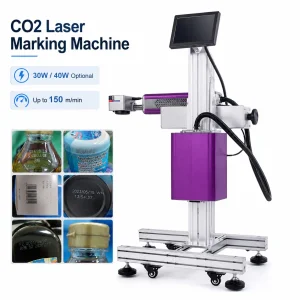
Substrate: PET bottles and thin food packaging film.
Solution: 60W RF CO2 Laser.
Parameters: 10.6μm wavelength, online flying galvo setup.
Result: Crisp batch numbers and expiration dates marked at line speeds up to 150 meters per minute.
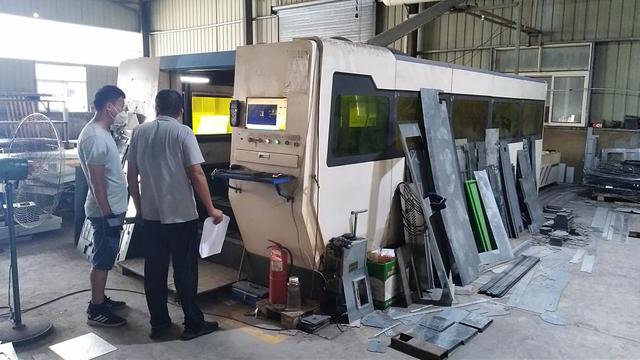
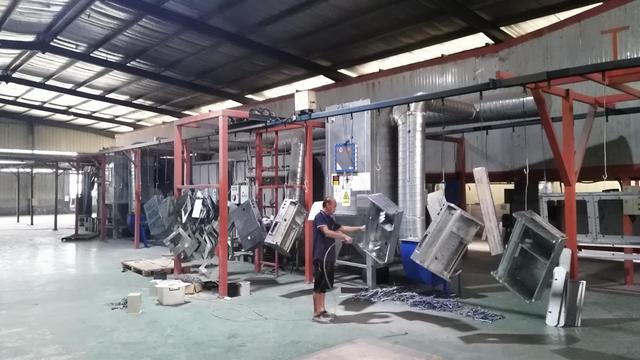
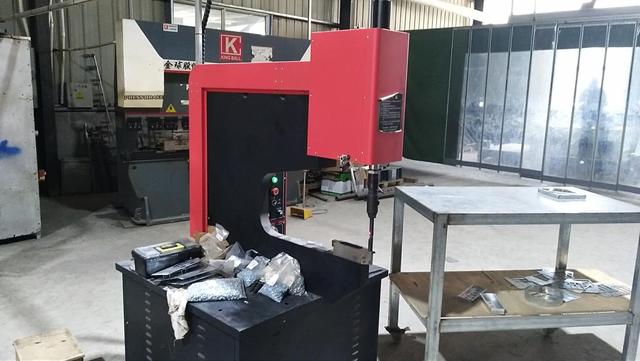
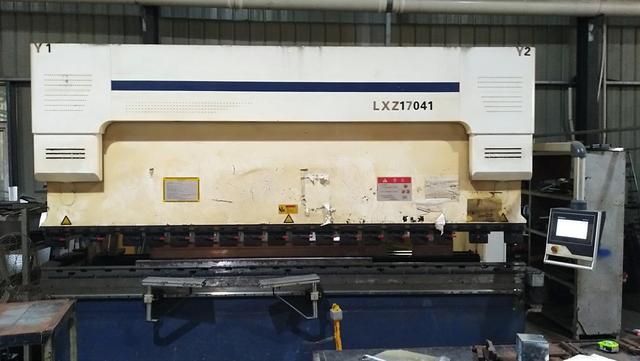
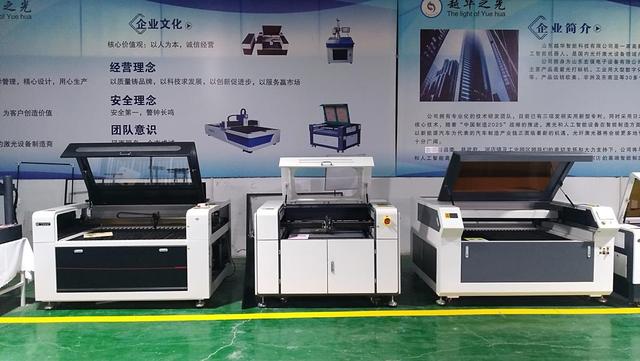
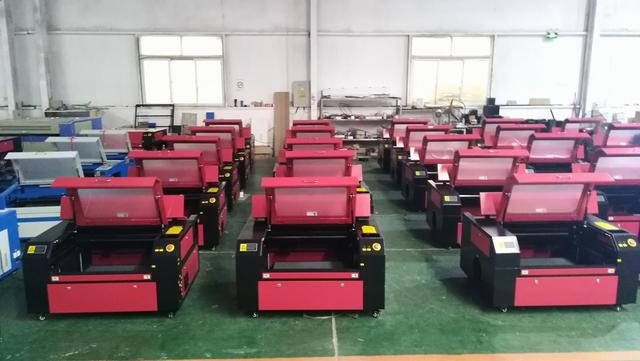
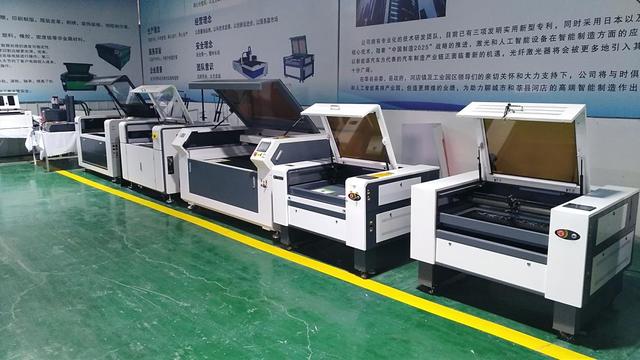
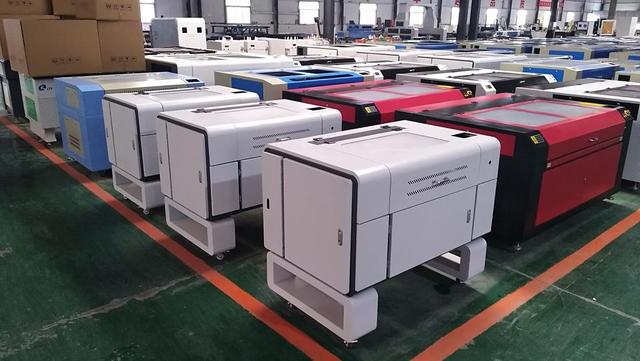
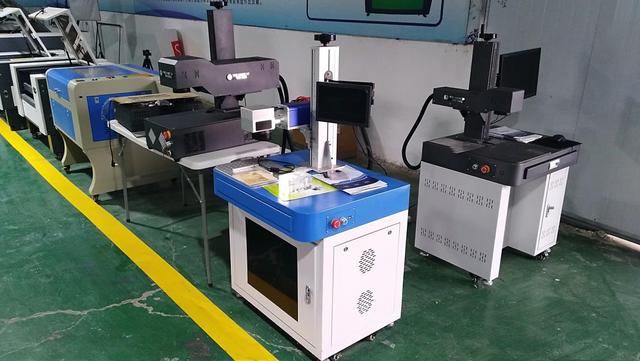
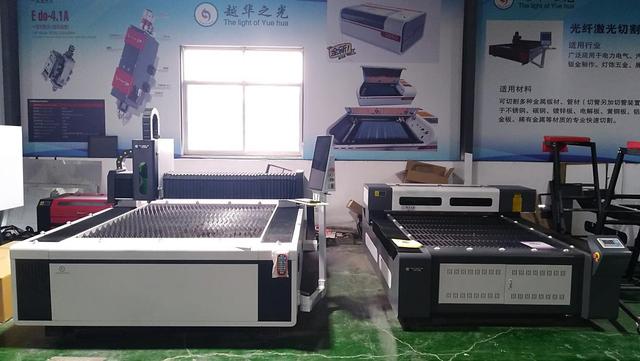
Inside Hangzhou Kinray Laser Co., Ltd. - Quality assurance and high-precision assembly lines.
The industrial laser engraving sector is undergoing rapid technological updates. Three major trends dominate modern industrial purchasing decisions:
While fiber lasers remain the workhorses for metal processing, UV lasers and ultra-fast picosecond/femtosecond sources are gaining significant market share. Manufacturers are targeting molecular bond dissociation ("cold processing") over thermal ablation to mark sensitive polymers, electronic circuits, and medical implants without generating micro-cracks or heat discoloration.
Integrating machine vision directly into the marking head is becoming an industry standard. By feeding real-time camera captures into localized neural networks, systems can automatically recognize workpiece positioning, adjust focal height, and check marking quality on the fly. This eliminates the need for expensive physical fixtures.
Modern production facilities are actively phasing out inkjet printers due to the environmental impact of volatile organic compound (VOC) solvents and recurring cartridge waste. Clean, emission-free laser engraving technology aligns with global corporate net-zero sustainability goals.
Technical and logistics questions answered by our engineering team to guide your OEM procurement.
Explore our specialized UV, CO2, and fiber laser systems configured for dynamic manufacturing workflows.
 Kinray Laser