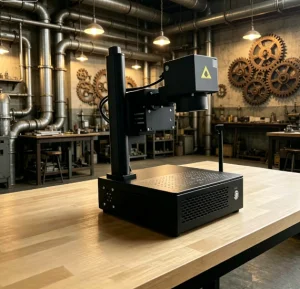
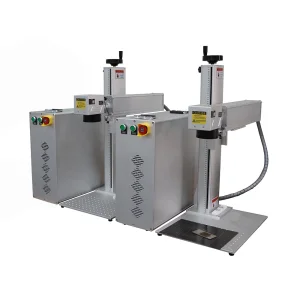
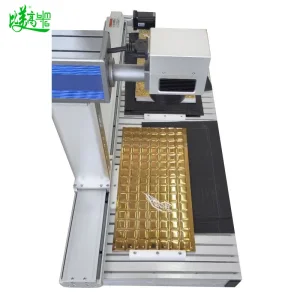
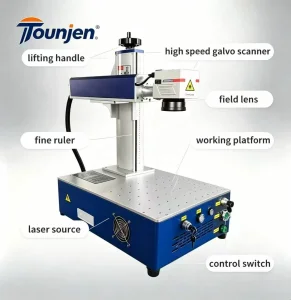
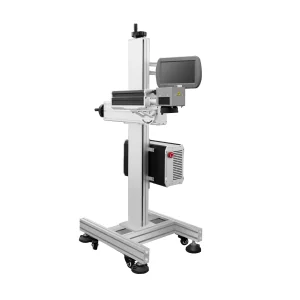
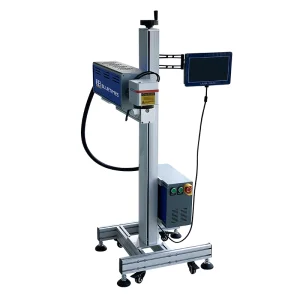
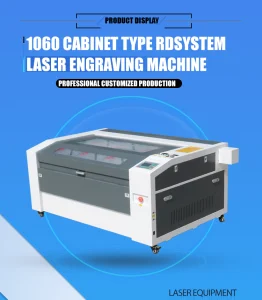
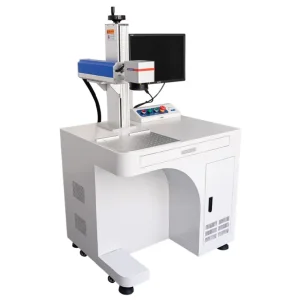
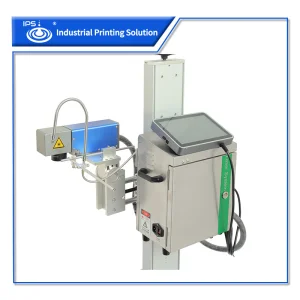
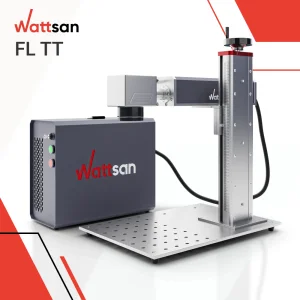
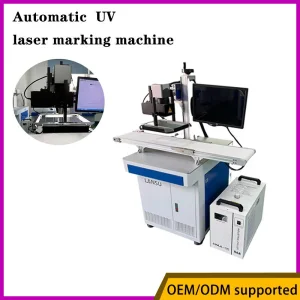
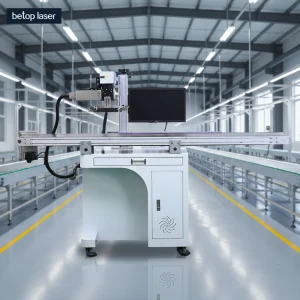
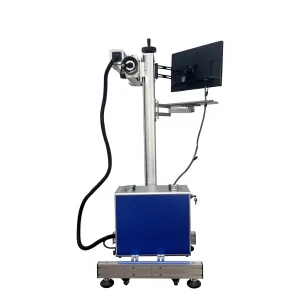
Explore our leading industrial-grade laser systems, designed for precision, micro-marking, and high-speed line operations.
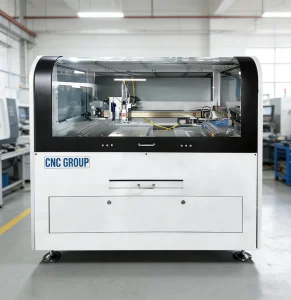
Global Hub for High-Performance Industrial Laser Marking & Engraving Systems
Hangzhou Kinray Laser Co., Ltd. stands as a premier manufacturer and exporter specializing in advanced fiber, UV, MOPA, and CO2 laser solutions. Catering to modern global manufacturing industries, our company bridges the gap between raw hardware capabilities and smart industrial automation.
Located in the high-tech industrial cluster of Hangzhou, China, we seamlessly integrate R&D, structural design, optical engineering, and strict compliance testing. Our focus is clear: delivering high-reliability systems that increase marking speeds, optimize traceability, and drastically reduce total cost of ownership (TCO) for global distributors and manufacturing plants.
How Hangzhou Kinray Laser leverage advanced integration, rigid quality control, and localized supply ecosystem to guarantee delivery.
Every stage of assembly, from optical path alignment to chassis wiring, is monitored through an integrated Enterprise Resource Planning (ERP) database. This minimizes human error, trace parts to original batches, and optimizes throughput times.
We do not skip steps. Each laser generator and galvanometer scanner undergoes continuous aging runs and high-frequency pulse stress tests for a minimum of 72 hours before being approved for structural boxing and shipping.
Located at the heart of China’s optical valley, Kinray benefits from immediate component availability. This structural advantage buffers our international clients against global shipping fluctuations and raw materials shortages.
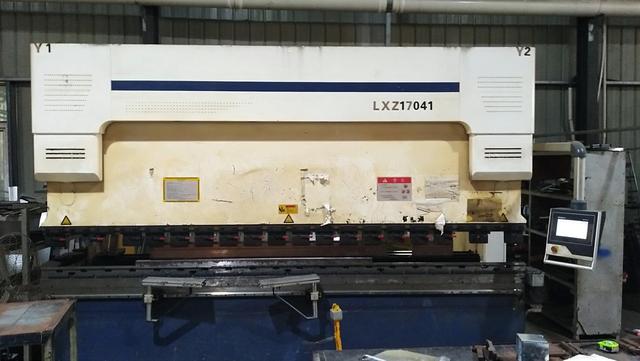
Industrial procurement departments at major enterprises look for more than just a low price tag. They require long-term operational guarantees, complete compliance, and seamless technical integration.
Modular layout design allows local technicians to swap components, laser power supplies, and control cards in minutes, minimizing downtime.
Kinray software supports industry standard formats (DXF, PLT, AI, DWG) and allows seamless connectivity with PLC modules, manufacturing execution systems (MES), and automated conveyer lines.
From customized housing configurations, specific laser wavelength targets, to visual OCR integration for anti-counterfeit runs, our engineering team handles specialized requests.
Our commitment to pushing the envelope in laser application technology, precision optics, and intelligent systems integration.
Integrating real-time high-speed CCD camera positioning systems. This will automate laser focal adjustments, offset corrections, and visual defect sorting directly on high-speed fly-marking belts.
Scaling down pulse durations to sub-picosecond levels. This reduces the heat-affected zone (HAZ) to nearly zero, enabling micro-machining, medical stent cutting, and complex sapphire engraving.
Implementing IoT-enabled laser controllers that compile diagnostics, monitor beam quality deterioration, and predict maintenance routines ahead of component failure cycles.
Engineered setups developed to match the production rates, safety protocols, and operational workflows of global target markets.
Deep engraving of serial codes, VIN matrices, and component tags on hardened alloys. Resistance to thermal wear, mechanical stress, and aggressive engine compartment fluids is guaranteed.
Corrosion-free, ultra-clean surface micro-marking of surgical tools, implants, and multi-layer PCBs. Minimal heat ensures structural integrity and absolute sterilization readiness.
Integrated "flying" laser configurations for food, beverage, and pharma packaging. High scanning speeds match automated bottle cap and film packaging machinery output.
Expanding operations globally requires adherence to local laws, electrical protocols, and workplace safety requirements. Kinray ensures smooth custom clearances and factory implementations through:
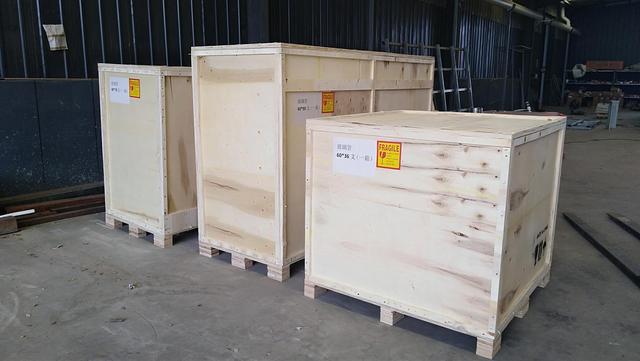
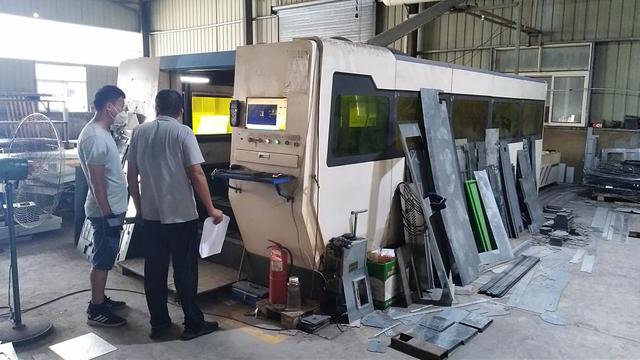
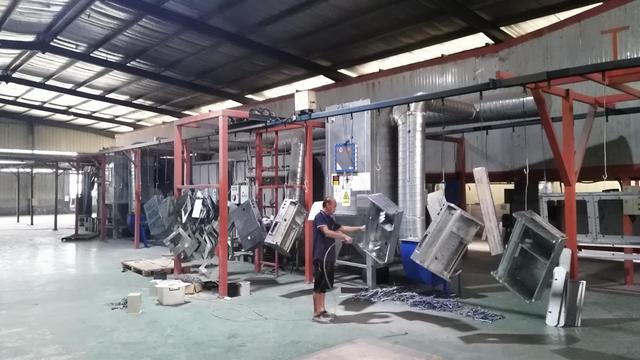
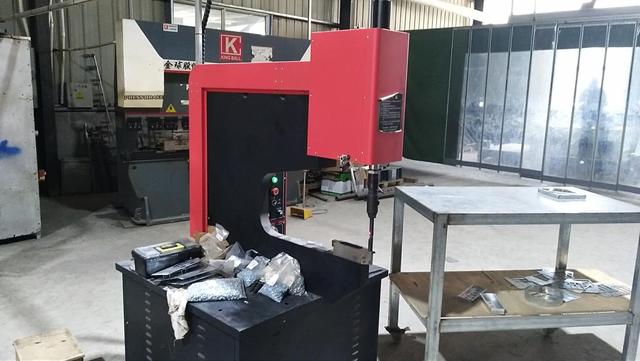
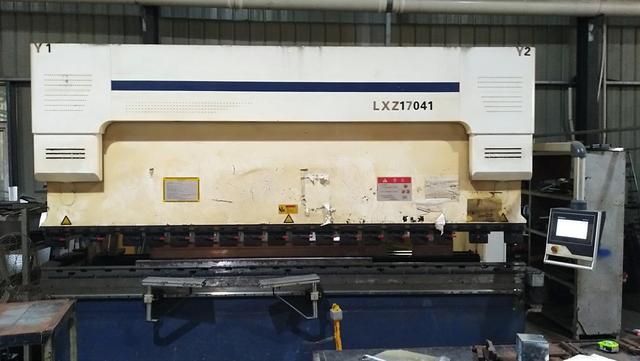
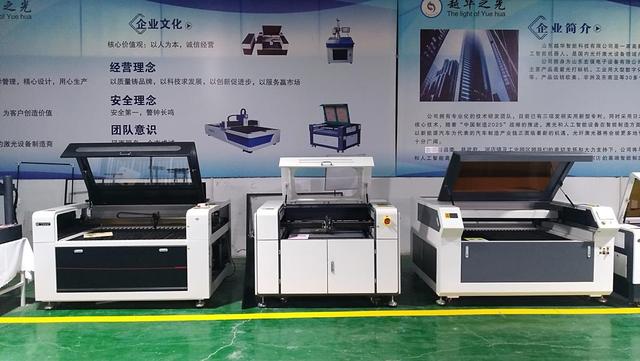
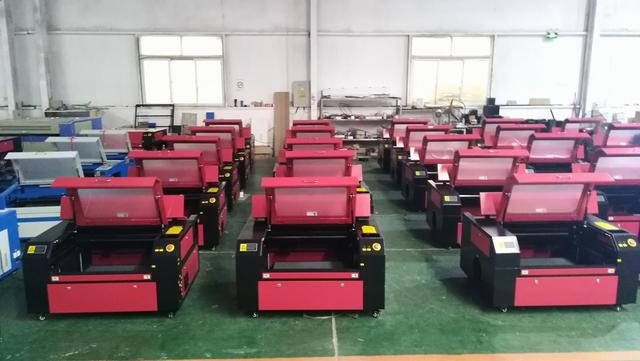
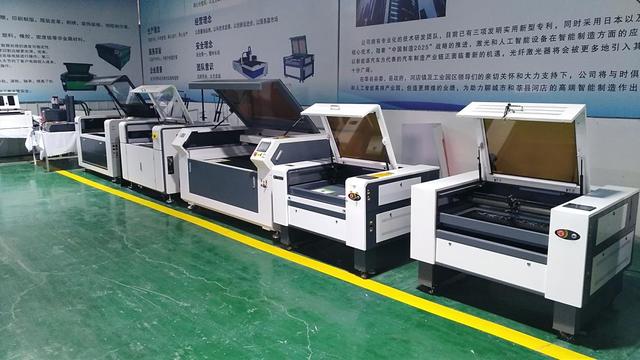
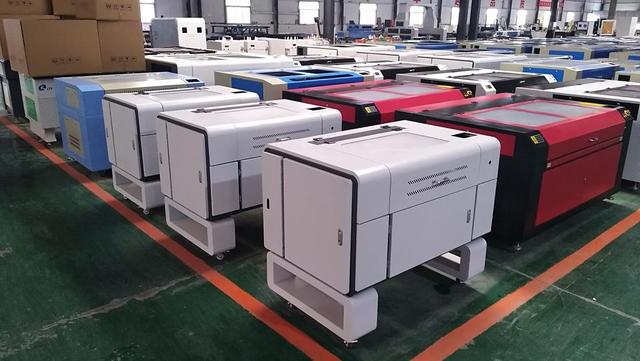
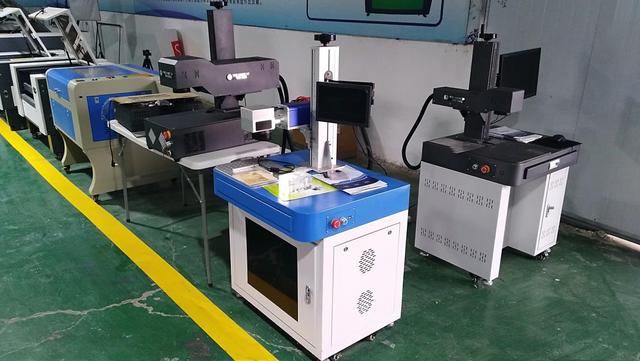
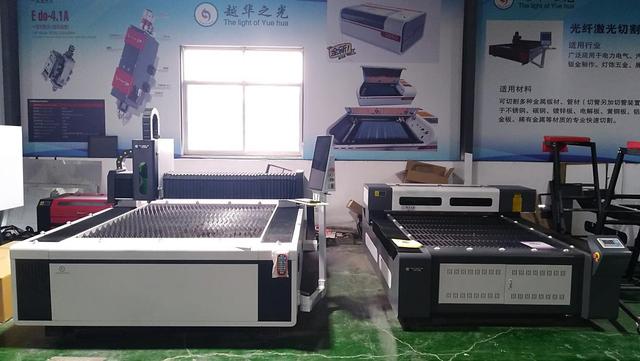
An inside look at our state-of-the-art assembly lines, testing setups, and packaging departments in Hangzhou, China.
Find technical answers on beam optics, wavelength capabilities, system integration, and operation requirements.
Explore our high-performance automated systems, on-line flying markers, and heavy-duty engraving platforms.
 Kinray Laser