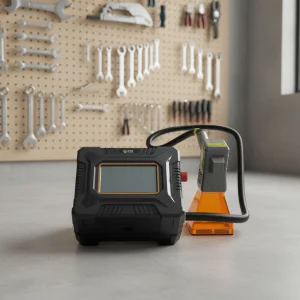
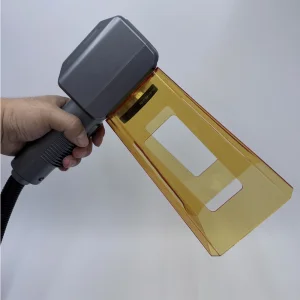
Engineered for extreme performance, compliance with SABER system standards, and direct localization in KSA manufacturing hubs.
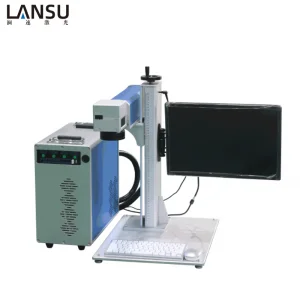
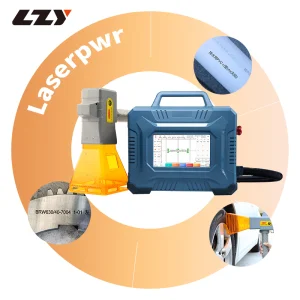
Under the visionary guidance of Saudi Vision 2030 and the National Industrial Development and Logistics Program (NIDLP), Riyadh is transitioning from a regional commercial hub to a global powerhouse of advanced manufacturing and defense industries. The local industrial zones, particularly SUDIER Industrial City and Riyadh Second Industrial City, are experiencing a massive surge in automated assembly lines, domestic spare parts manufacturing, and high-performance metal works.
This industrial transition places unprecedented demands on parts traceabilty. Product authentication, real-time inventory control, and domestic product standards require components to carry permanent, unalterable identification codes. Whether it is an oil pipeline valve component, an aerospace fastener, or a medical implant destined for King Faisal Specialist Hospital, desktop fiber laser marking machines have shifted from an optional asset to a critical, mandatory operational capability.
The Saudi Standards, Metrology and Quality Organization (SASO) has increasingly tightened product verification systems through the SABER Portal. Traceable marking formats like 2D DataMatrix codes, high-resolution QR codes, and laser-annealed barcode structures on metals are now standard regulatory expectations for domestic KSA manufacturers.
Globally, Industry 4.0 has transformed the standard of parts marking. Inkjet printing and mechanical dot-peen markers are rapidly being replaced by laser-focused technology. Desktop fiber and UV laser markers are at the core of this transition due to their non-contact nature, lack of chemical consumables, and remarkable lifecycle efficiency. Globally, sectors such as consumer electronics, automotive component manufacturing, and defense logistics rely on fiber lasers to achieve nanometer-scale precision without introducing thermal stress to sensitive parts.
Kinray Laser stands at the forefront of this global transition. Located in the innovation cluster of Hangzhou, China, Hangzhou Kinray Laser Co., Ltd. integrates state-of-the-art solid-state physics, high-speed digital galvanometer systems, and AI-driven optical positioning to export high-performance laser machinery to markets spanning North America, Europe, Southeast Asia, and the Middle East.
Selecting the optimal desktop laser marking system requires analyzing the material chemistry and the specific thermal interaction with different laser wavelengths. Kinray Laser systems utilize three primary core technologies designed to fulfill distinct industrial criteria:
| Laser Source Type | Wavelength | Primary Target Materials | Typical Industrial Application in Riyadh |
|---|---|---|---|
| Ytterbium-Doped Fiber Laser | 1064 nm | Carbon steel, stainless steel, aluminum, brass, hard plastics | Heavy machinery tags, oil & gas pipe fittings, structural steel plates |
| MOPA Fiber Laser | 1064 nm (Adjustable pulse duration) | Anodized aluminum, stainless steel, multiple color engraving | Premium consumer electronics packaging, high-contrast dark marks on aluminum |
| UV Laser (Ultra-Violet) | 355 nm (Cold processing) | Sensitive polymers, glass, silicone, medical plastics | Pharmaceutical blister packs, medical devices, laboratory glassware |
| CO2 Laser (Gas Resonator) | 10600 nm | Wood, leather, acrylic, paper, organic materials | Saudi crafts, corporate promotional gifts, packaging industries |
For metal fabrication workshops in Riyadh's industrial districts, understanding the chemical difference between ablation and annealing is vital. Ablation vaporizes the surface material to create a physical groove, suitable for parts exposed to sand erosion and harsh desert environments. Annealing, on the other hand, uses localized heat to induce a controlled oxidation layer underneath the surface of stainless steel, resulting in a dark, high-contrast mark without compromising the material's anti-corrosive properties—essential for components handling chemical pipelines and food-grade packaging.
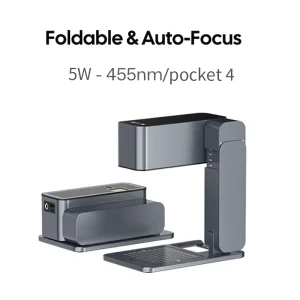
The traditional jewelry markets in Riyadh require exceptionally clean, micro-engraving capabilities. Standard mechanical tools can deform precious metals. Kinray's Pocket4 Mini DIY & Desktop fiber systems allow local artisans to etch intricate Islamic calligraphy, hallmarking, and personalized serialization directly onto gold alloys and silver without any material loss.
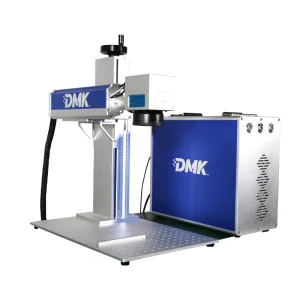
Valves, pumps, and drilling components must withstand high temperatures, chemical wear, and extreme desert dust. The DMK Fiber Split Type Laser allows Riyadh operators to engrave deep, 0.5mm alphanumeric codes onto structural steel that remain legible even after sandblasting and protective coating applications.
Medical instruments require tracking codes that do not harbor bacteria. UV desktop lasers provide a "cold marking" method that modifies the molecular structure of medical-grade plastics and stainless steel instruments, ensuring clean surfaces that remain sterile through repeated autoclave cycles.
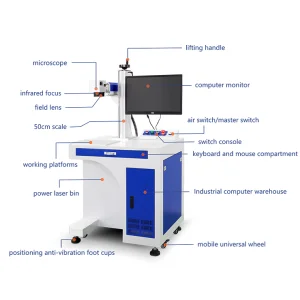
As Riyadh advances its smart city and digital governance programs, the production of microchips, IC access cards, and electronic components increases. Integrated conveyor systems with **CCD Visual Camera Positioning lasers** ensure perfect mark alignment on tiny silicone substrates at high throughput rates.
As Saudi factories adopt smart, connected manufacturing systems, Kinray Laser is actively developing technologies to keep our Riyadh customers competitive. Our current technical roadmap focuses on three main developments:
Integrating deep learning algorithms with high-speed camera sensors enables our marking machines to automatically recognize randomly positioned parts on a conveyor belt. The system dynamically adjusts the laser path, verifies mark quality, and flags errors immediately, reducing human operator dependency.
Advanced electronics and defense manufacturing require processing delicate composite polymers and layered metals. We are developing compact sub-nanosecond pulse MOPA lasers that prevent thermal leakage, maintaining material integrity for defense-grade components.
Our control software interfaces directly with ERP systems. It generates serial numbers in real-time, logs processing parameters for quality assurance, and exports standard data packages that easily upload to local Saudi regulatory platforms.
High-quality, reliable, and CE-certified industrial laser marking solutions designed to meet the strict demands of Riyadh's growing manufacturing sector.
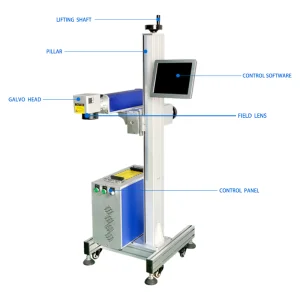
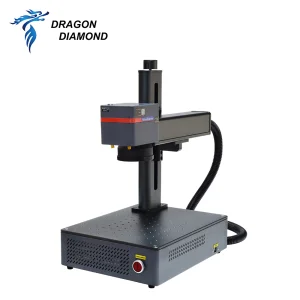
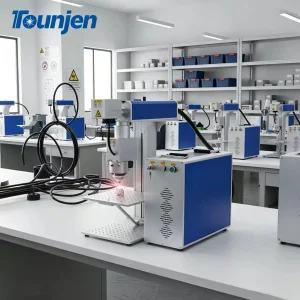
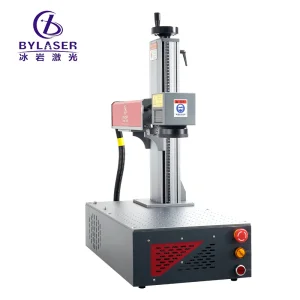
Hangzhou Kinray Laser Co., Ltd. is a leading China industrial laser marking machine manufacturer specializing in advanced fiber and UV laser solutions for global manufacturing industries. With a strong focus on innovation, precision, and intelligent manufacturing, Kinray Laser is committed to delivering high-performance laser equipment that improves production efficiency, product traceability, and marking quality.
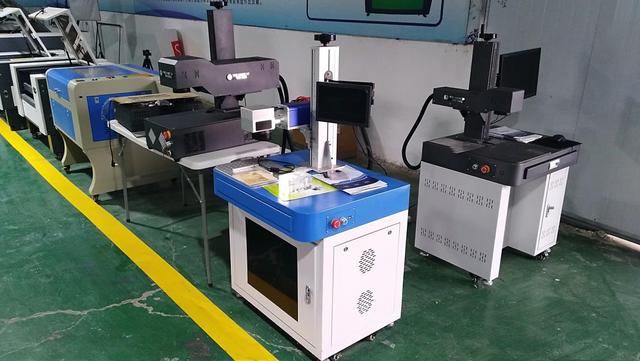
Located in Hangzhou, China, our company integrates research and development, manufacturing, sales, and technical support to provide comprehensive laser processing solutions for customers worldwide. Our extensive product portfolio includes fiber laser marking machines, UV laser marking machines, CO2 laser marking systems, MOPA laser markers, flying laser marking machines, 3D laser marking equipment, and customized automated laser solutions.
Kinray Laser products are widely used in electronics, automotive, medical devices, precision hardware, jewelry, packaging, aerospace, consumer goods, and industrial manufacturing industries. Designed for high-speed, high-precision, and permanent marking applications, our systems are capable of processing a wide range of materials, including metals, plastics, ceramics, glass, and composite materials.
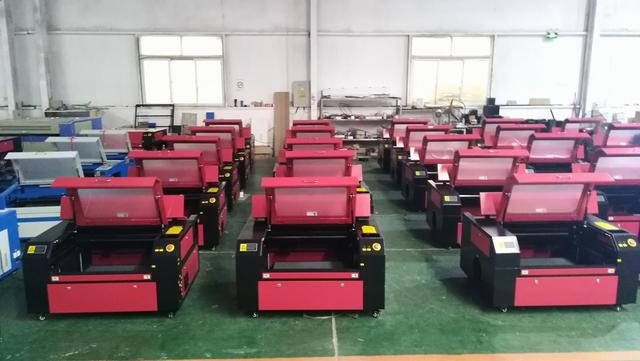
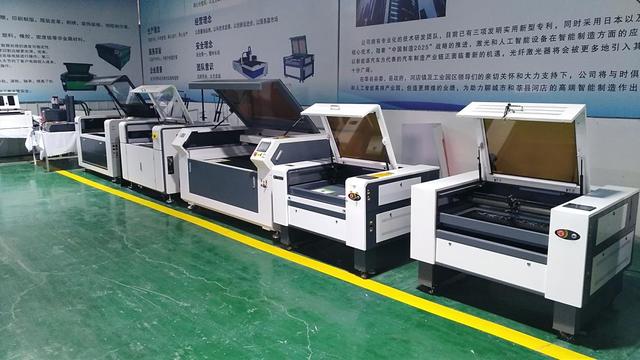
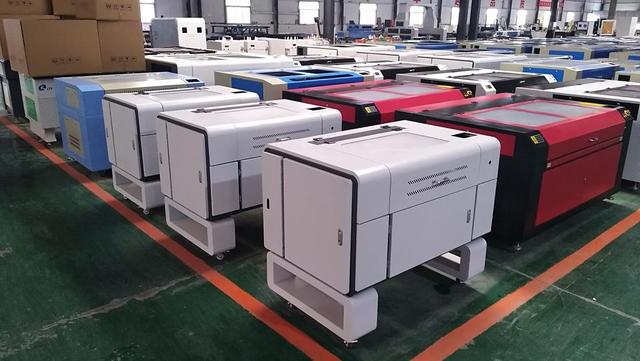
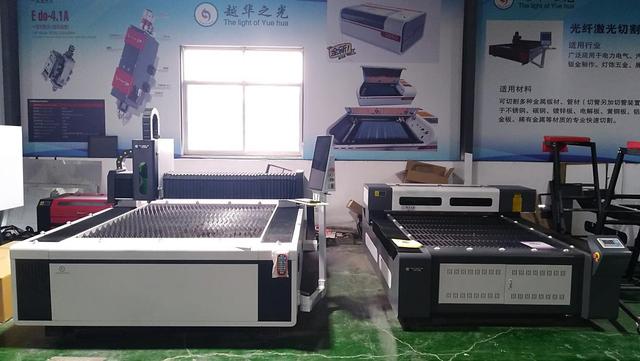
Equipped with advanced production facilities and rigorous quality management systems, Kinray Laser maintains strict quality control throughout every stage of manufacturing. Each machine undergoes comprehensive testing to ensure stable performance, reliability, and compliance with international standards.
To support global customers, we offer flexible OEM and ODM services for distributors, system integrators, equipment brands, and industrial manufacturers. Our experienced engineering team works closely with customers to develop customized laser solutions tailored to specific production requirements, automation needs, and industry applications.
 Kinray Laser