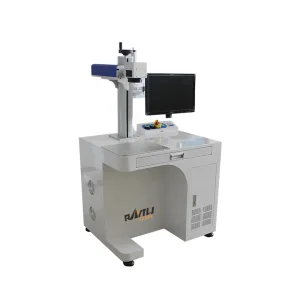
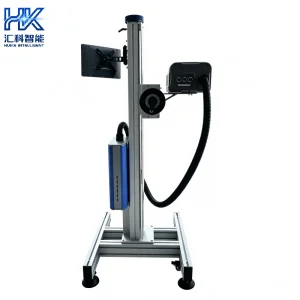
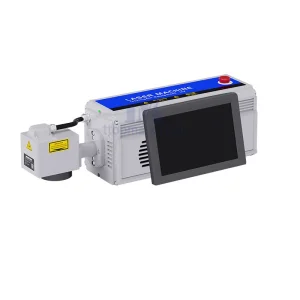
Kinray Laser
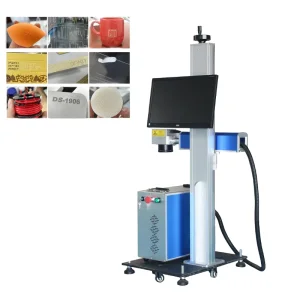
CO2 / Fiber / UV Option
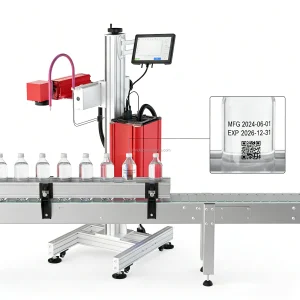
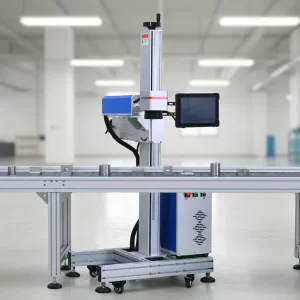
High-precision, on-the-fly laser coders engineered for rapid integration into Finnish conveyor lines and manufacturing cells.
With Finland leading Europe's smart industrial transition (Tampere, Helsinki, Oulu hubs), manufacturing setups are progressively shifting away from conventional inkjet printers. High-throughput continuous coding requires a transition to zero-consumable, zero-contact dynamic laser technology to comply with EU machinery regulations and carbon neutrality frameworks.
Finland’s heavy reliance on highly automated forest products, maritime vessel parts, and high-frequency telecommunications hardware makes trace component tracking vital. The integration of Flying Laser Marking Systems directly onto high-speed manufacturing conveyor lines (OTF - On-The-Fly marking) allows plants in areas like Helsinki and Tampere to print real-time tracking metrics (Datamatrix, GS1-128 barcodes, production timestamps) without needing to pause processes.
This meets the strict compliance standards of the European Union, including the Circular Economy Action Plan and WEEE directives, while ensuring the durability of marks under extreme arctic temperatures. Standard ink markers fail to adhere properly under sub-zero handling, whereas permanent laser engraving becomes an integral part of the substrate.
Globally, the industrial marking landscape is shifting towards solid-state and gas laser technology. As a prominent manufacturing specialist, Hangzhou Kinray Laser Co., Ltd. integrates state-of-the-art optical engines (e.g., Raycus fiber lasers, JPT UV, and highly stable CO2 glass/metal tubes) to guarantee prolonged operations over 100,000 working hours. Operating internationally, we specialize in high-precision, low-maintenance machinery that helps Finnish manufacturing companies minimize operational downtime and eliminate recurring ink costs.
Tailoring optical configurations to meet the demands of Scandinavia’s specialized industries.
Automated wood processing lines use high-power CO2 laser markers. These systems engrave permanent identifiers on structural lumber, logs, and pulp packaging at high speeds, handling high moisture levels without requiring thermal drying.
High-end electronics factories in Oulu rely on split-type fiber and UV lasers. They provide micro-marking on circuit boards, IC chips, and optical connectors without causing thermal stress, maintaining board integrity.
Finland's bottle deposit recycling requires clean codes on glass, PET, and aluminum cans. Our UV and CO2 flying marking lines engrave high-contrast QR codes at speeds exceeding 800 parts per minute, ensuring permanent readability.
Dynamic marking on a moving target requires precise synchronization between the galvanometer scanning system and the linear speed of the conveyor line. The diagram and timeline below outline this integration process.
| Laser Source Type | Wavelength | Primary Target Materials | Finnish Industry Use Case |
|---|---|---|---|
| Fiber Laser (1064nm) | 1.06 µm | Stainless Steel, Aluminum, Heavy Plastics | Maritime manufacturing, castings, machinery tag lines. |
| CO2 Laser (9.3 / 10.6µm) | 10.6 µm / 9.3 µm | Glass, Wood, PET, Carton, Rubber | Timber sawing plants, beverage bottle marking, carton packaging. |
| UV Laser (355nm) | 355 nm | Sensitive Polymers, HDPE, Glass, Silicon | Pharmaceuticals, cleanroom manufacturing, food packaging. |
Rotary encoders track the line speed of the conveyor belt. When the sensor detects a workpiece, it feeds frequency signals directly to the marking controller card to align the marking speed.
The control software adjusts the beam's trajectory in real time along the X and Y axes, compensating for moving targets to prevent distorted or skewed text.
Integration with factory MES systems allows for dynamic data injection, enabling the system to print distinct serialization codes and production logs for every passing item.
Browse our complete catalog of industrial marking equipment designed for reliable integration into Finnish manufacturing plants.
Hangzhou Kinray Laser Co., Ltd. is an industrial laser marking manufacturer specializing in advanced fiber, CO2, and UV laser systems. By integrating R&D, production, sales, and global technical support, we help manufacturing businesses improve trace identification, component cataloging, and marking efficiency.
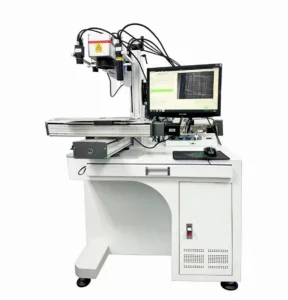
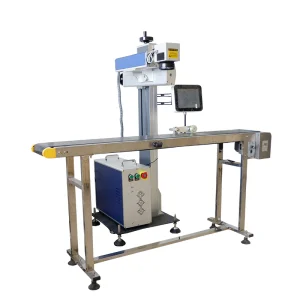
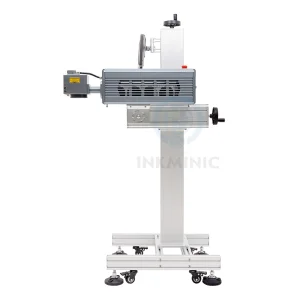
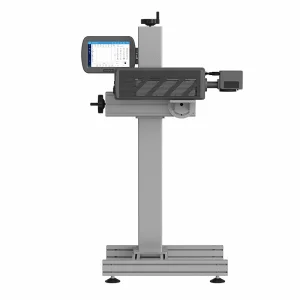
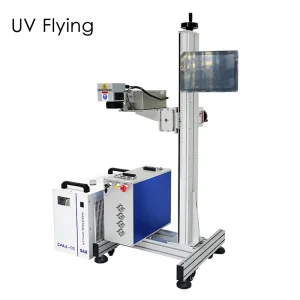
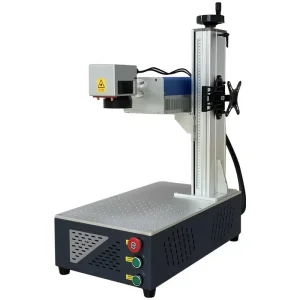
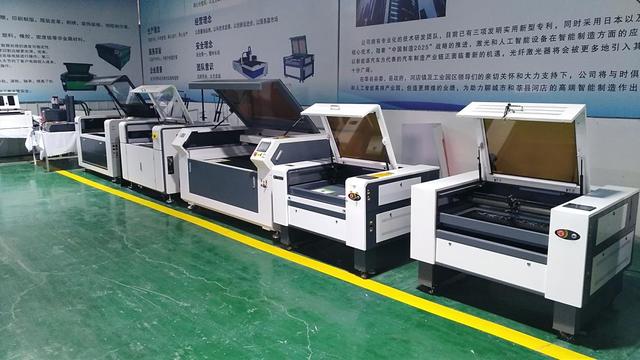
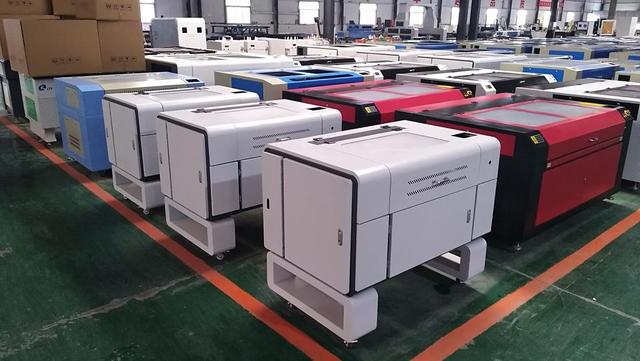
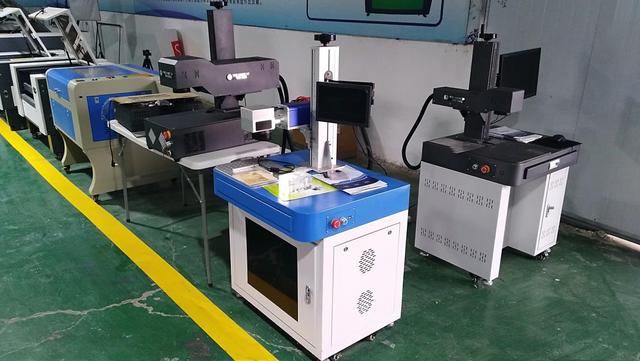
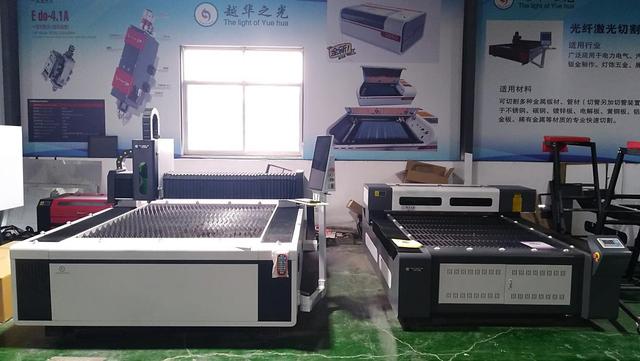
Our product portfolio includes fiber laser marking machines, UV laser markers, CO2 laser units, MOPA laser marking heads, flying (OTF) laser coders, and fully integrated custom automation lines. Each system is designed to provide clean, high-precision engraving on a wide range of surfaces—metals, wood, glass, polymers, and synthetic packaging films.
For our European partners, we provide flexible OEM/ODM options, complete compliance with CE standards, and custom SDK/API modules that integrate directly with local manufacturing networks. Our goal is to make industrial marking cleaner, faster, and more sustainable.
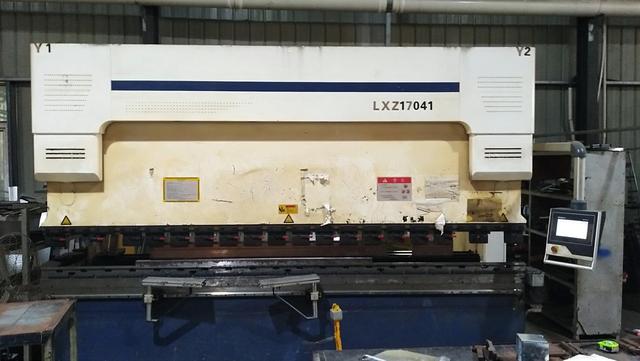
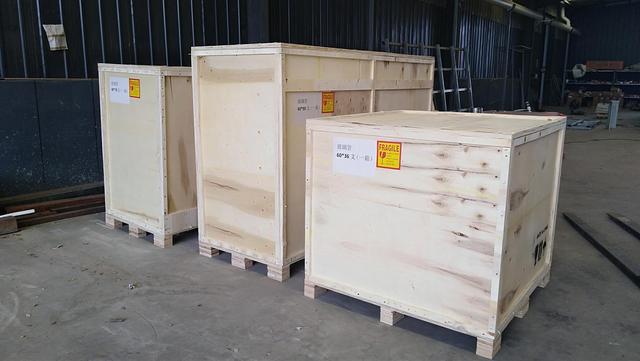
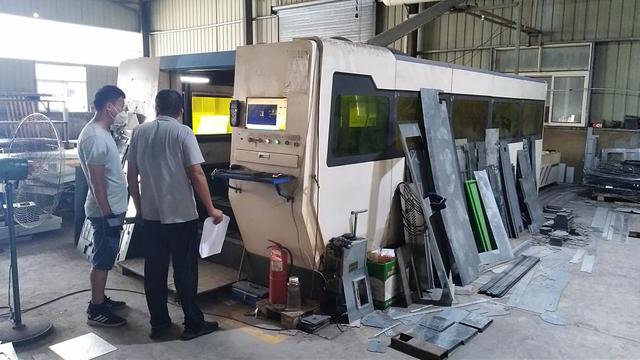
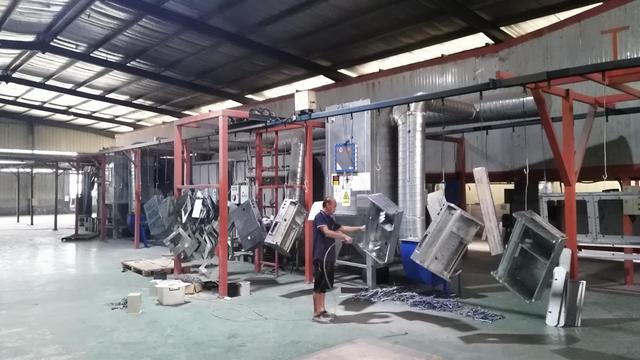
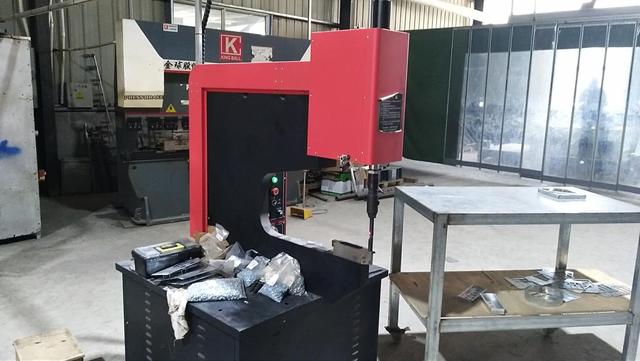
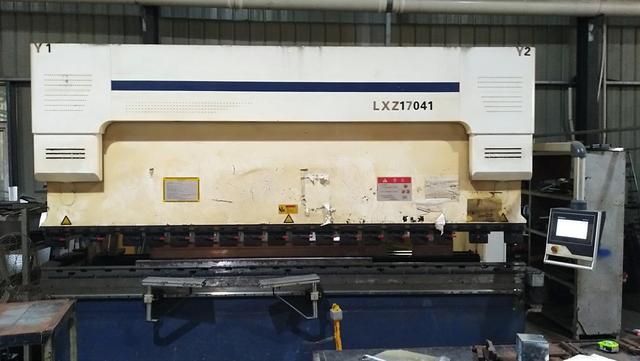
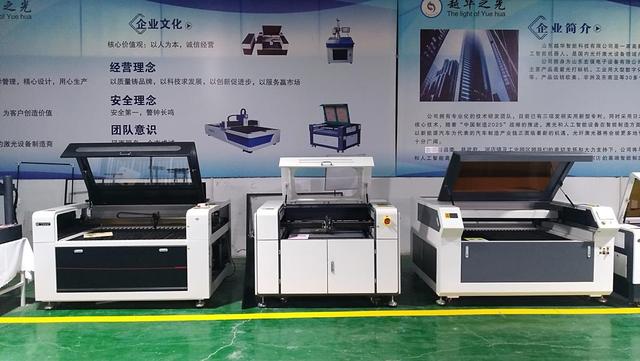
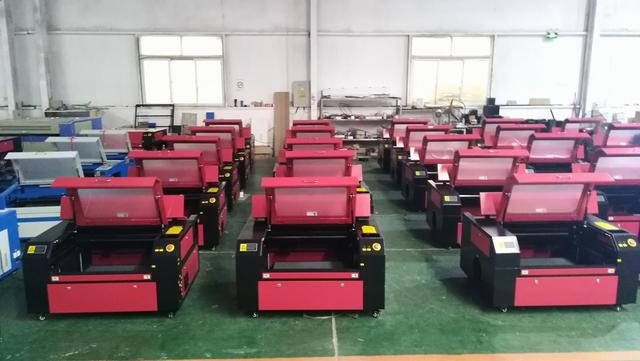
Learn More About KinrayEvery laser system we build undergoes rigorous quality control testing in our cleanroom facility. We inspect key optical parts, test mechanical galvos, and calibrate laser sources to ensure long-term stability in cold and challenging industrial environments.
Common questions from engineers and procurement managers regarding the deployment of our marking systems.
Speak with an applications specialist to discuss your plant’s line speeds, material types, and mounting space constraints.
Send Inquiry Now