Explore our premium configurations engineered for direct-part marking and high-contrast vector tracing on industrial polymers.
A comprehensive analysis of polymer engraving mechanics, localized industrial demand, and the global-local supply chain dynamics.
Modern industrial marking in the Brazilian territory is experiencing a major technological transition. As regulatory bodies like ANVISA (Agência Nacional de Vigilância Sanitária) for medical/pharmaceutical products and international standardizations for automotive parts enforce stricter traceability, conventional inkjet printing is being replaced. Consumable-heavy, high-emission, and easily worn ink-based coding systems are no longer viable for high-performance polymers.
Plastic laser marking represents a direct-part marking (DPM) technology that relies on chemical changes or optical alterations within the polymer matrix rather than mechanical cutting. For the Brazilian industrial market, which ranges from high-volume agricultural component manufacturing in Rio Grande do Sul to the electronics assembly plants in the Zona Franca de Manaus (ZFM), choosing the right laser configuration is critical to securing operational efficiency, reducing carbon footprints, and complying with Mercosur trade bloc traceability standards.
Brazil holds one of the most complex industrial portfolios in South America. Distinct geographical zones demand specialized manufacturing systems:
| Polymer Family | Laser Wavelength | Marking Reaction | Key Brazilian Applications |
|---|---|---|---|
| ABS & Polycarbonate (PC) | 1064nm (Fiber/MOPA) | Carbonization / Foaming | Automotive switches, Electronic casings in ZFM |
| Polyethylene (PE / HDPE) | 355nm (UV) / CO2 | Photochemical transformation | Beverage bottle caps, Agricultural pipes |
| Polyamide (Nylon - PA66) | 1064nm / 355nm | Color Change (High Contrast) | Automotive engine covers, industrial connectors |
| PET | 9.3μm / 10.6μm (CO2) | Micro-engraving / Controlled melting | Beverage packaging lines, cosmetic containers |
Understanding how light interacts with plastic is key to selecting the correct industrial laser system. When a laser beam hits a polymer, three primary physical phenomena can occur depending on the wavelength and absorption rate:
1. Carbonization (Thermal Reaction): Used primarily with 1064nm fiber lasers on darker materials. The laser energy heats the polymer matrix, driving off hydrogen and oxygen to leave a highly concentrated carbon surface layer, creating a dark grey or black mark.
2. Foaming (Thermal Expansion): The laser melt-processes the polymer, trapping micro-voids of gas within the cooling matrix. This alters the light refraction properties, producing a highly contrasting light-colored (white) mark on dark plastics, commonly applied to automotive components.
3. Photochemical Modification ("Cold Marking"): Initiated by high-energy UV laser beams at 355nm. Instead of heating, the high-photon-energy UV beam breaks down the molecular bonds directly. This results in clean color changes (dark or light depending on additives) without causing thermal damage to the surrounding substrate.
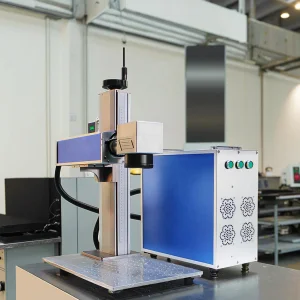
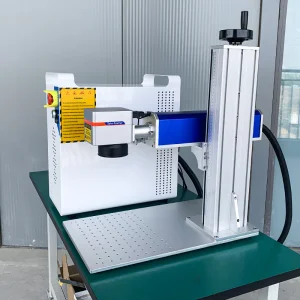
Utilizes a 355nm UV wavelength to perform "cold marking," preventing thermal deformation on thin films, medical-grade silicones, and sensitive cosmetic packaging.
Engineered with 1064nm pulsed Raycus, JPT, or MAX sources, designed for high-contrast thermal foaming on ABS, engineering plastics, and industrial label tags.
Utilizes 9.3μm and 10.6μm wavelengths to deliver clean micro-structuring on organic polymers, acrylics, wood, glass, and flexible packaging plastics.
Combining state-of-the-art Chinese optical research, manufacturing efficiency, and localized configurations tailored for the Brazilian industrial market.
Hangzhou Kinray Laser Co., Ltd. is a leading China industrial laser marking machine manufacturer specializing in advanced fiber and UV laser solutions for global manufacturing industries. Located in Hangzhou, China, our company integrates research and development, manufacturing, sales, and technical support to provide comprehensive laser processing solutions for customers worldwide.
By leveraging China's robust, vertically integrated optics and electronics supply chains, we pass significant cost and performance advantages directly to our Brazilian clients. Our engineering team designs and manufactures machines using high-performance components (like Raycus, JPT, and MAX laser engines, high-speed digital galvonometers, and field lenses with protective coatings) under strict ISO 9001 quality guidelines.
For Brazilian distributors, system integrators, and direct industrial end-users, we offer customizable OEM and ODM services. Whether you require specific housing colors, PLC fieldbus integration (EtherCAT, PROFINET, Modbus), or unique software localization (Portuguese UI and custom script setups), Kinray Laser delivers robust solutions that are ready for immediate deployment.
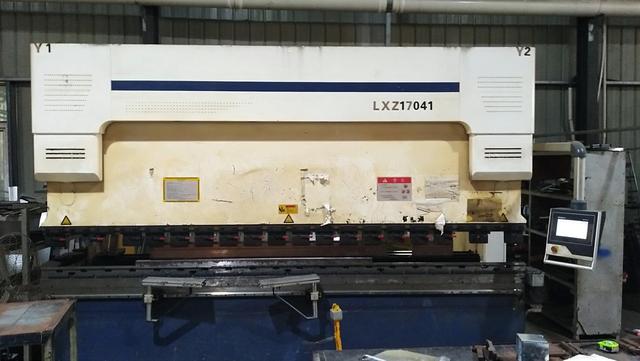
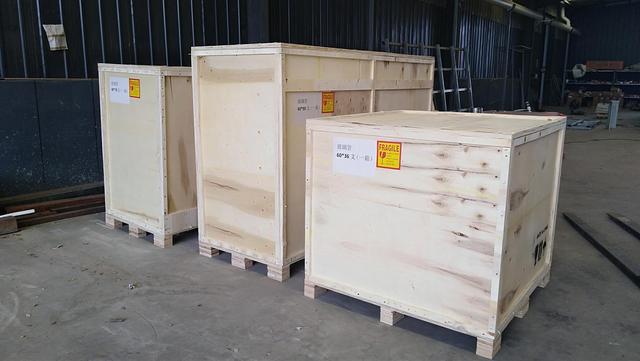
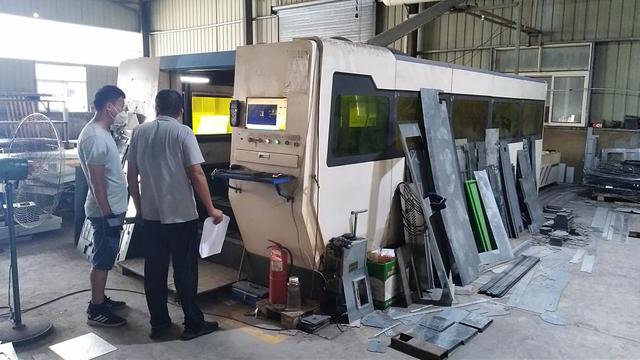
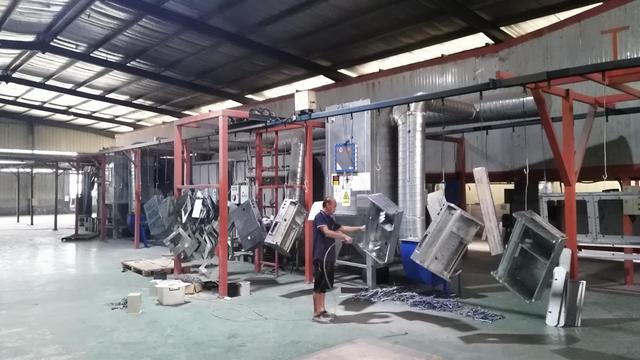
Strategic localized compliance parameters and standard operating procedures for importing premium Chinese laser equipment.
In Brazil, voltage configurations vary widely across regions. São Paulo and Rio de Janeiro typically use 127V or 220V single-phase systems, while other states operate on 220V 60Hz. Kinray Laser pre-wires and isolates internal power supplies to withstand regional grid variations, ensuring consistent performance without power-drop issues.
Every system exported to the Brazilian market is configured with localized ezCad2/ezCad3 or LightBurn software supporting Portuguese and English. The software integrates directly with PLCs on assembly lines and handles vector databases, standard barcodes (Datamatrix, QR Codes, EAN-13), and serial sequences without requiring external controllers.
Exporting to Brazil requires precise HS/NCM documentation to clear customs efficiently and avoid high tariffs. The standard NCM code for laser marking machinery is 8456.11.19 (Máquinas-ferramentas que operem por laser). We support our Brazilian partners with detailed documentation, including Certificate of Origin, Bill of Lading, and Proforma Invoices, helping to streamline customs clearance at major ports like Santos or Paranaguá.
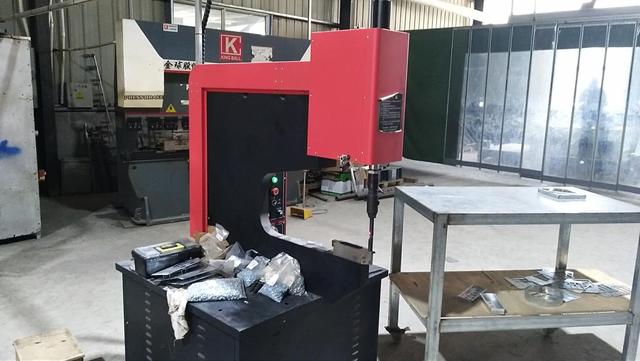
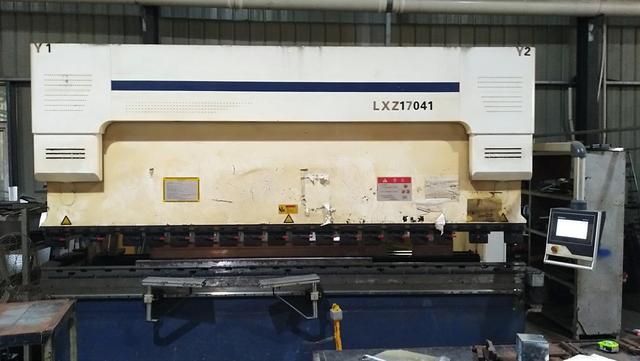
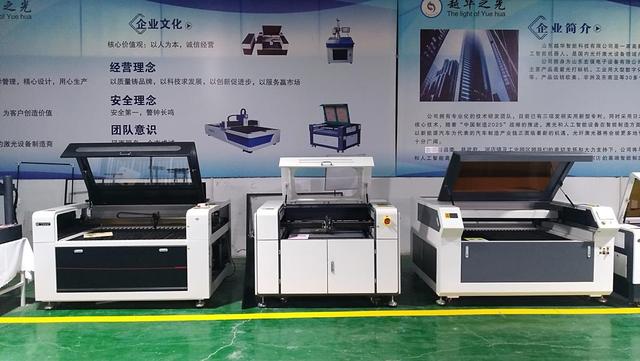
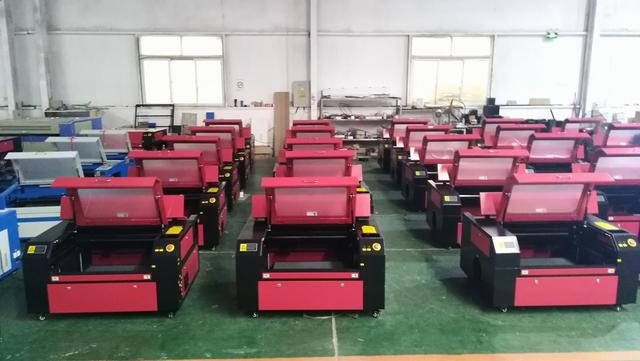
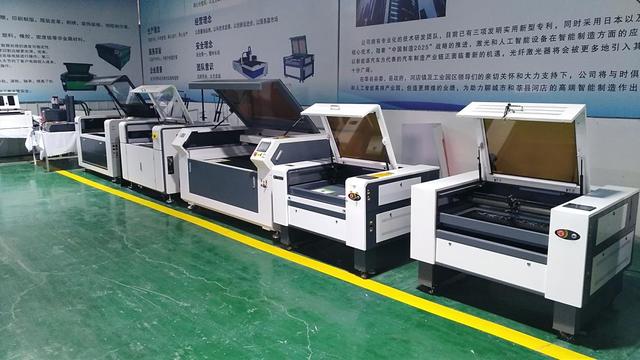
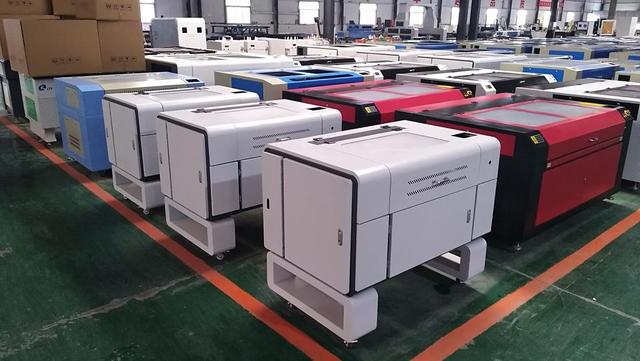
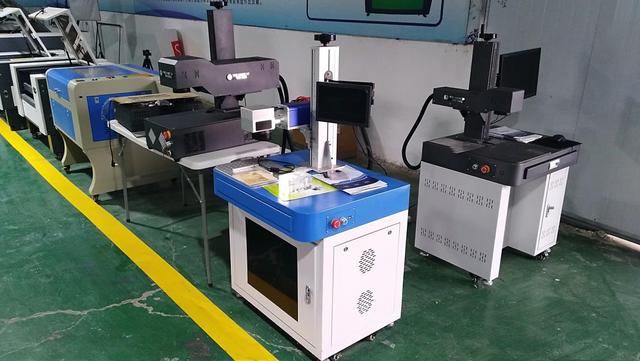
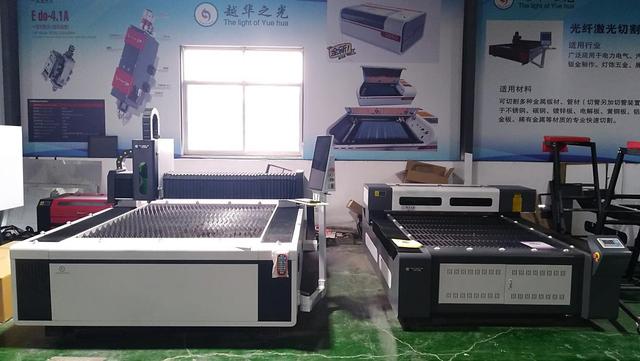
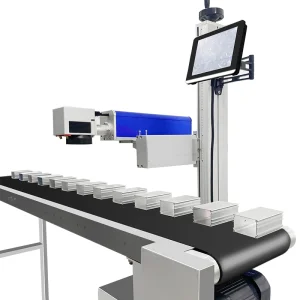
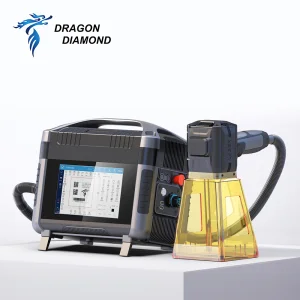
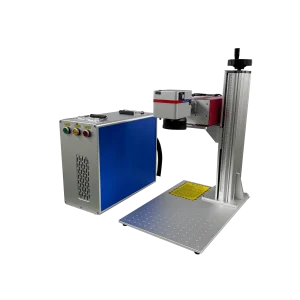
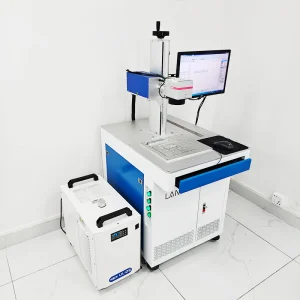
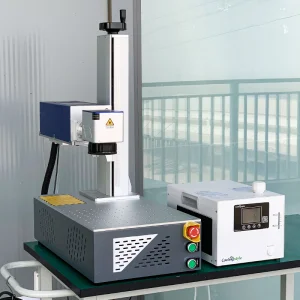
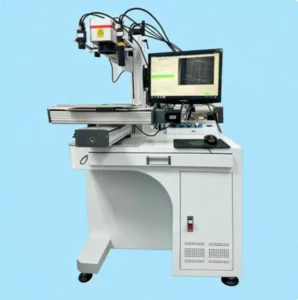
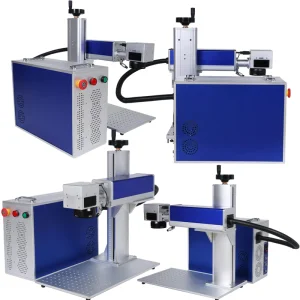
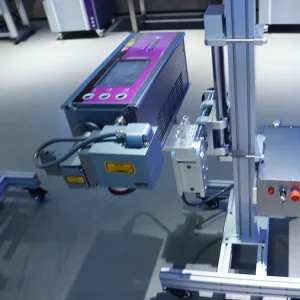
Our complete range of UV, Fiber, and CO2 marking systems, engineered for demanding factory environments.
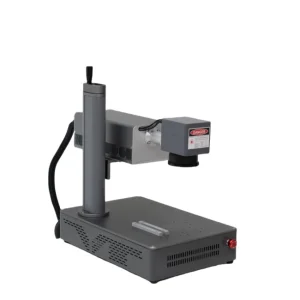
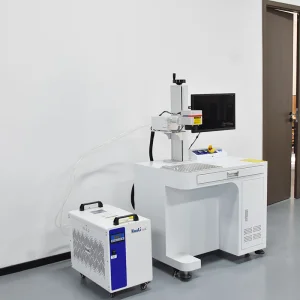
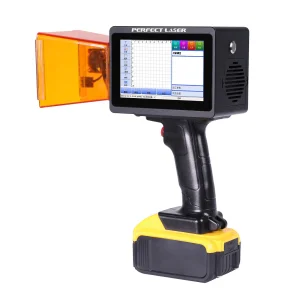
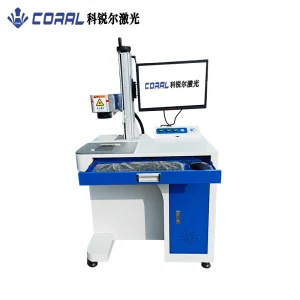
Get professional answers to key questions about laser technology, compatibility, and importing to Brazil.
UV lasers operate using "cold marking," where high-energy photons break molecular bonds within polymers rather than heating them. This produces sharp, high-contrast marks on medical instruments, glass, and delicate plastics without thermal deformation or charring. Fiber lasers (1064nm) rely on heat, which can melt or warp thin plastics.
Yes. We design our power configurations to handle the diverse voltages found across Brazil, including 127V and 220V systems at 60Hz. We use quality transformers and surge protection to ensure stable operation, even during line voltage fluctuations.
Air freight takes roughly 7 to 10 working days, which is ideal for smaller systems like the AIO A1 or handheld units. Sea shipping to major ports like Santos or Paranaguá typically takes 35 to 45 days, offering a cost-effective option for larger production-line systems.
We provide remote diagnostic support via video and screen-sharing tools. In addition, we maintain a stock of key wear parts—including field lenses, mirrors, controllers, and laser sources—ready to ship rapidly to minimize production downtime.
Yes, our UV lasers and specialized CO2 lasers are ideal for marking HDPE. They produce crisp, high-contrast markings that withstand weather exposure, UV rays, and soil contact, ensuring long-term batch traceability.
All Kinray Laser marking systems are built to meet CE and international safety standards. Our closed-cabin configurations align with Class 1 laser safety guidelines, providing maximum protection for machine operators.
Yes. We offer OEM/ODM customization options that allow you to integrate ezCad2 or ezCad3 control interfaces with your existing ERP, MES, and PLC automation setups for seamless data sharing on your assembly lines.
 Kinray Laser