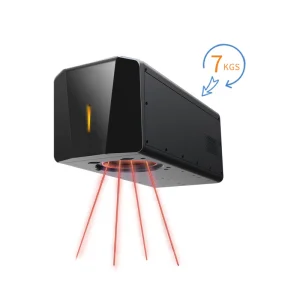
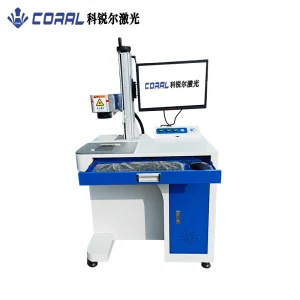
Our top industrial configuration models engineered to deliver permanent, ultra-high contrast marking outputs on common polymers and engineered plastics.
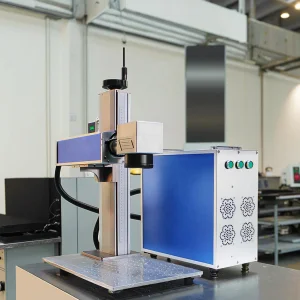
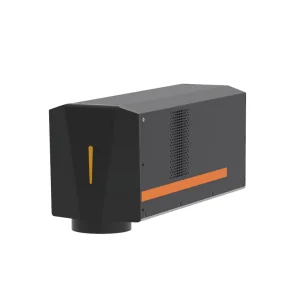
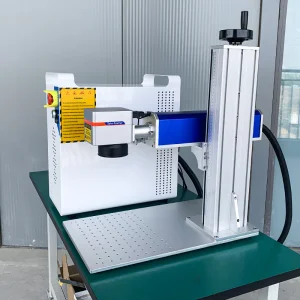
Melbourne has undergone a profound industrial transformation. Moving away from legacy assembly-line car manufacturing, Victoria's capital has reconstituted itself as Australia’s epicentre for medical technology (MedTech), pharmaceutical manufacturing, advanced food packaging, and specialized defence equipment. From the engineering research facilities in Clayton and Mulgrave to the industrial production belts of Dandenong and Campbellfield, the demand for precise, permanent trace-marking on medical polymers and technical plastics has never been more critical.
Whether conforming to strict Therapeutic Goods Administration (TGA) medical device traceability standards or ensuring long-term barcode readability in agricultural components exposed to harsh Australian UV environments, localized Melbourne businesses rely on state-of-the-art laser marker technology to replace chemical inks with reliable, clean thermal/photochemical marking strategies.
Consult Local ExpertNon-destructive, biocompatible marking on catheter shafts, syringes, surgical tools, and implants utilizing ultra-fine UV cold lasers.
Engineered plastics under the hood, control panels, knobs, and electrical housings require extreme chemical and heat resistance.
Selecting the correct laser technology depends entirely on the molecular structure of the plastic. Different wavelengths dictate the reaction kinetics (Photothermal vs. Photochemical).
Occurs when thermal energy breaks the chemical bonds of the polymer molecules, releasing carbon atoms that darken the marked area. Highly effective on light-colored PE, PP, and PS when using Fiber or CO2 lasers.
The laser melts the plastic locally, producing gas micro-bubbles trapped inside the polymer matrix. These bubbles scatter light, creating a bright white mark on dark plastics. Best suited for dark PP, PA, and ABS.
UV lasers (355 nm) operate through "cold photo-ablation," breaking chemical bonds directly without generating thermal stress or melt margins. Ideal for medical-grade plastics, silicones, and ultra-delicate cables.
| Laser Source & Wavelength | Primary Reaction Method | Suitable Plastics | Key Advantage |
|---|---|---|---|
| UV Laser (355 nm) | Photochemical (Bond Breaking) | PE, PVC, PE, PP, ABS, Glass, Silicones | Zero heat-affected zone, sterile marking |
| Fiber Laser (1064 nm) | Photothermal (Heating/Foaming) | Engineered Plastics, ABS, Polycarbonate | High speed, deep metal-plastic hybrid use |
| CO2 Laser (9.3 / 10.6 μm) | Thermal melting and engraving | Acrylic (PMMA), PET, Wood, Rubber | Excellent engraving depth, cost efficiency |
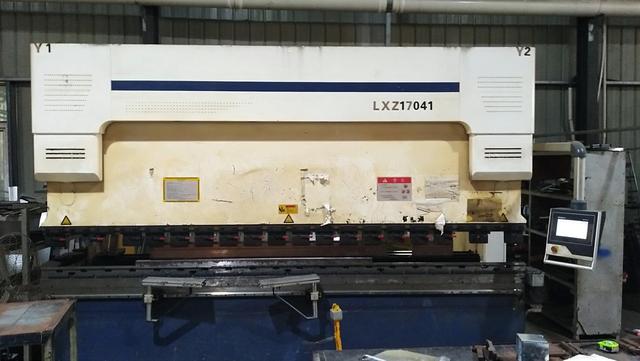
For Melbourne companies looking to establish reliable local operational pipelines, our direct manufacturing capabilities in Hangzhou, China, provide the ultimate balance of cost-efficiency and premium performance. As an end-to-end laser system designer and manufacturer, Hangzhou Kinray Laser Co., Ltd. integrates premium optoelectronics including Raycus, Max, and JPT fiber lasers with state-of-the-art galvo-scanning assemblies.
By avoiding third-party markup loops, we deliver industrial laser marking solutions to Australian factories at highly competitive price points, backed by OEM/ODM manufacturing capability, robust system personalization, and strict quality control standards. Each unit is tested extensively to guarantee trouble-free integration into industrial production setups.
Request Custom Design SpecOur technical roadmap is designed to support Australian manufacturing as it advances towards Industry 4.0 automation systems.
Operating laser equipment in Victoria requires absolute adherence to safety standards. Our marking systems comply with the AS/NZS IEC 60825.1 laser safety guidelines. We offer fully enclosed Class 1 laser workstations that prevent direct optical exposure to operators, ensuring a safe industrial environment in local warehouses and fabrication shops.
Additionally, we supply custom safety glasses, extraction systems for polymer fumes, and external warning indicators to meet WorkSafe Victoria inspection requirements.
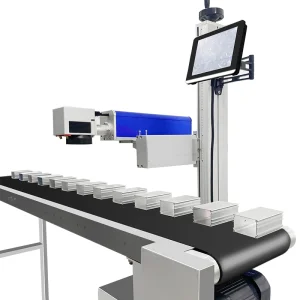
Modern factories are transitioning from manually operated machines to integrated robotic cells. Kinray systems are engineered with rich digital I/O arrays, SDKs, and serial control interfaces (Modbus, TCP/IP) to fit effortlessly into conveyor lines and automated loading setups.
Our upcoming generation of laser markers features embedded machine vision algorithms that automatically detect plastic part positions on dynamic production lines, adjusting optical coordinates on the fly to reduce product waste.
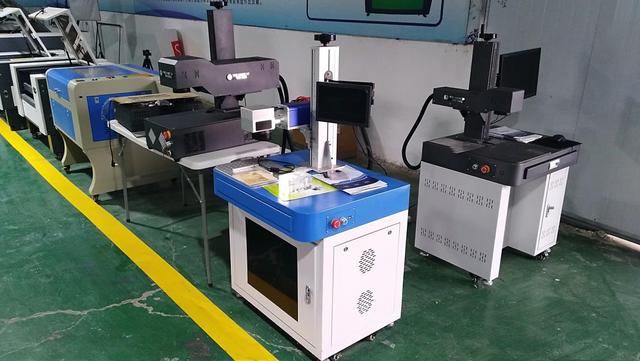
Examine our specialized UV and Fiber laser systems, perfect for permanent traceability on delicate medical polymer instruments, structural PVC cables, and packaging bags.
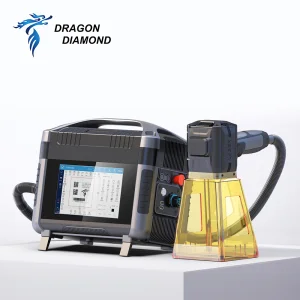
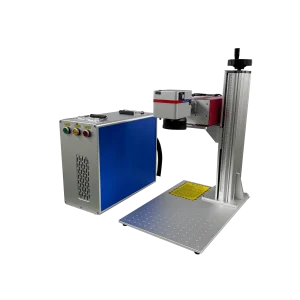
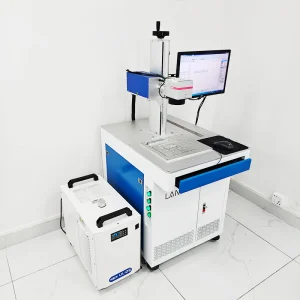
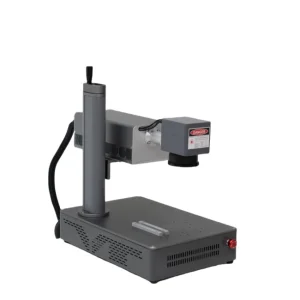
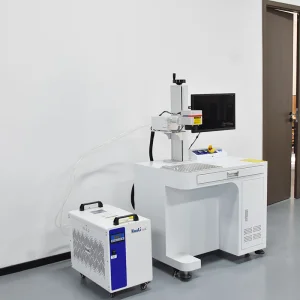
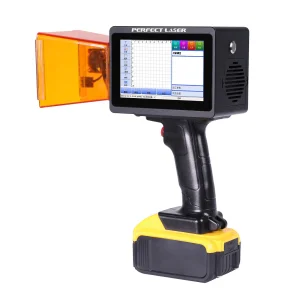
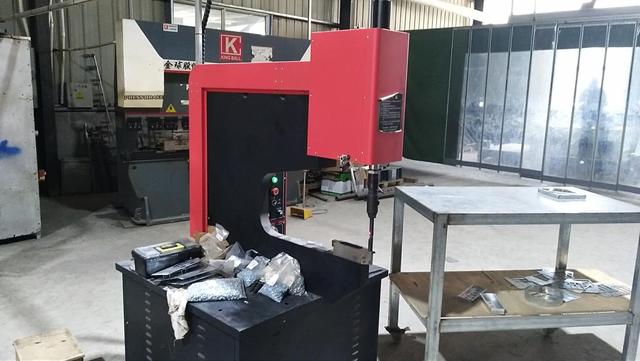
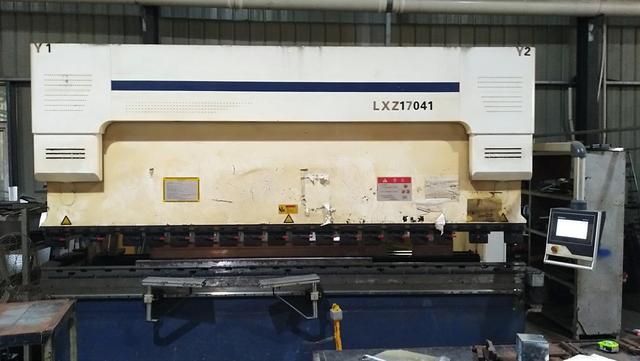
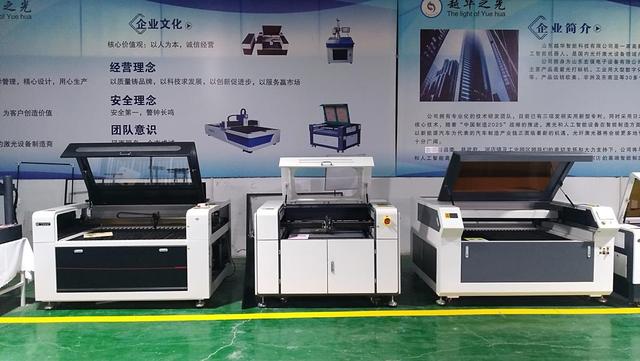
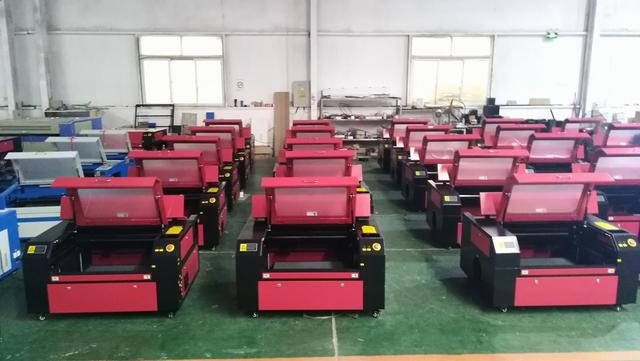
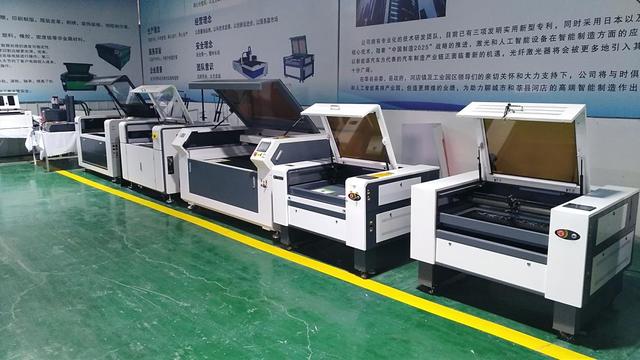
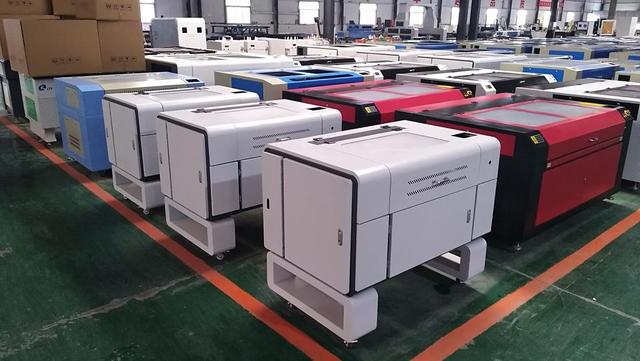
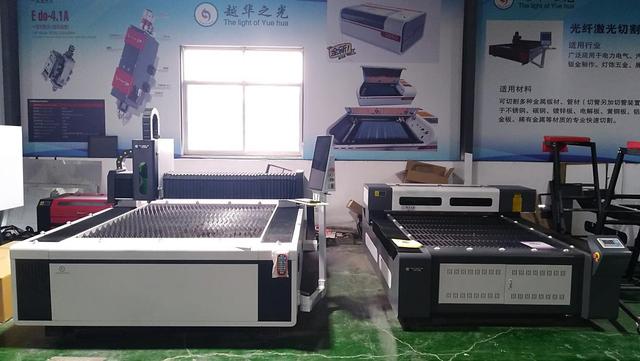
Our manufacturing presence and engineering facilities design premium industrial laser solutions.
Hangzhou Kinray Laser Co., Ltd. is a leading China industrial laser marking machine manufacturer specializing in advanced fiber and UV laser solutions for global manufacturing industries. With a strong focus on innovation, precision, and intelligent manufacturing, Kinray Laser is committed to delivering high-performance laser equipment that improves production efficiency, product traceability, and marking quality.
Located in Hangzhou, China, the company integrates research and development, manufacturing, sales, and technical support to provide comprehensive laser processing solutions for customers worldwide. Our extensive product portfolio includes fiber laser marking machines, UV laser marking machines, CO2 laser marking systems, MOPA laser markers, flying laser marking machines, 3D laser marking equipment, and customized automated laser solutions.
Kinray Laser products are widely used in electronics, automotive, medical devices, precision hardware, jewelry, packaging, aerospace, consumer goods, and industrial manufacturing industries. Designed for high-speed, high-precision, and permanent marking applications, our systems are capable of processing a wide range of materials, including metals, plastics, ceramics, glass, and composite materials.
Equipped with advanced production facilities and rigorous quality management systems, Kinray Laser maintains strict quality control throughout every stage of manufacturing. Each machine undergoes comprehensive testing to ensure stable performance, reliability, and compliance with international standards.
To support global customers, we offer flexible OEM and ODM services for distributors, system integrators, equipment brands, and industrial manufacturers. Our experienced engineering team works closely with customers to develop customized laser solutions tailored to specific production requirements, automation needs, and industry applications.
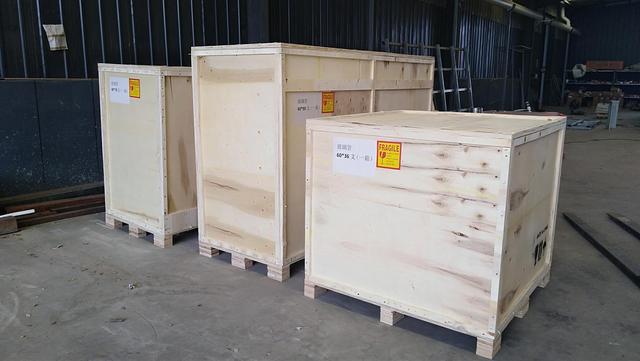
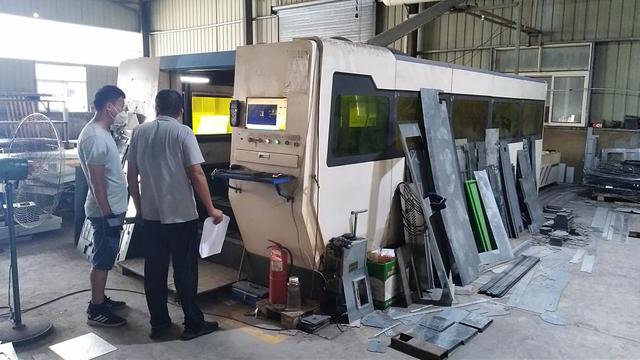
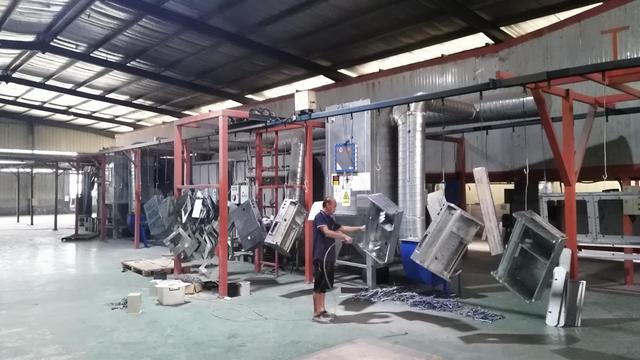
Expert engineering answers addressing the marking requirements of various industrial polymer compounds.
Contact our engineering desk today. Send us details of your materials or sample requirements, and we will perform a laser material testing report for your project.
Send Inquiry Now Kinray Laser