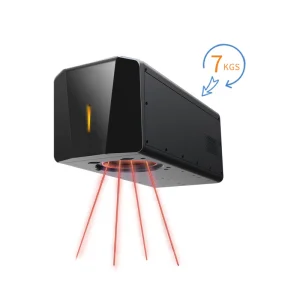
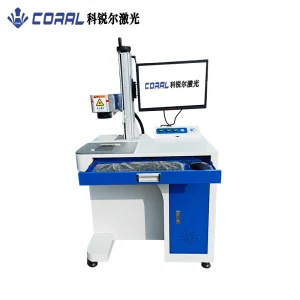
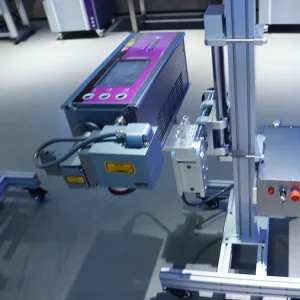
High-speed, permanent coding and markups designed to replace expensive, chemical-heavy inkjet printers in local processing plants.
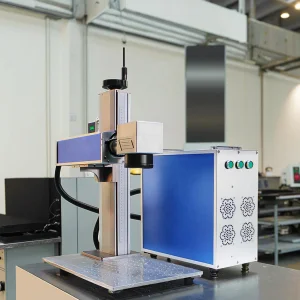
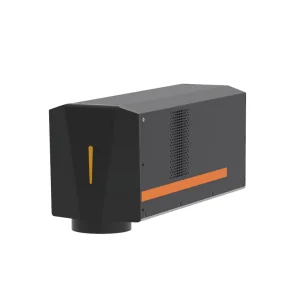
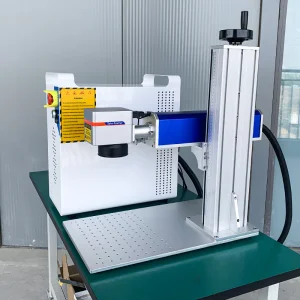
As East Africa's fastest-growing manufacturing hub, Ethiopia is experiencing a major transition towards structured industrial production. Under the national industrialization plans, zones like the Hawassa Industrial Park, Bole Lemi, Kilinto, and the Eastern Industrial Zone in Dukem have become global clusters for garment assembly, food and beverage processing, pharmaceuticals, cosmetics, and cable manufacturing.
This expansion is accompanied by strict tracking requirements. The Ethiopian Food and Drug Authority (EFDA) and the Ethiopian Standards Agency (ESA) are increasingly demanding permanent traceability markers—such as production dates, serial numbers, barcodes, and QR codes—on all consumer products. Traditional continuous inkjet (CIJ) printers, which rely heavily on MEK-based solvents, are becoming a financial burden for local businesses due to the high cost of imported inks and ongoing foreign currency (L/C) shortages.
Chinese manufacturing facilities have become the premier source of high-tech laser equipment for Ethiopian enterprises. Hangzhou Kinray Laser Co., Ltd. provides robust, cost-effective solutions engineered for harsh manufacturing environments.
Our machines are fitted with top-tier optical components, dust-proof enclosures, and high-quality voltage stabilization filters to withstand the power grid fluctuations occasionally experienced in industrial zones near Addis Ababa, Adama, and Dire Dawa.
Optimized laser wavelengths tailored for specific polymer materials used by local manufacturers.
Ethiopia's large bottled water, juice, and soft drink industry utilizes millions of PET bottles daily. Our specialized CO2 (9.3μm / 10.6μm) and UV laser markers are ideal for high-speed date coding on plastic caps and thin PET bottle walls without puncturing the material.
With the expansion of local medicine production at the Kilinto Pharmaceutical Industrial Park, permanent coding is required on blister foils and PVC plastic boxes. Our 355nm UV laser systems execute non-thermal cold-marking, creating clean high-contrast codes without melting the plastic barrier.
Infrastructure projects across Ethiopia require millions of meters of cables and PVC pipes. Continuous high-speed marking of meters, batches, and safety certifications directly onto PVC, HDPE, and XLPE sheaths is effortlessly achieved using our online fly fiber laser markers.
Understanding photothermal and photochemical interactions to achieve the highest marking contrast.
Fiber lasers are the workhorses of metal marking but are also highly effective on certain dense, engineered plastics. They mark via a process of foaming or carbonization. When the 1064nm wavelength interacts with plastic additives (such as ABS, Polycarbonate, or Nylon), it causes localized heating, generating tiny micro-foams that appear as high-contrast white marks on dark plastics, or dark marks on light plastics.
For sensitive, thin, or high-density plastics like HDPE, LDPE, PP, or silicone, UV lasers are the ideal solution. Operating at a short wavelength of 355nm, they execute photochemical ablation (also known as "cold marking"). Rather than heating and melting the plastic, the high-energy UV photons break the molecular chemical bonds directly. This results in dark, crisp marking without any thermal damage, deformation, or structural weakening of the polymer material.
CO2 lasers are optimal for transparent polymers like acrylic, polycarbonate, and PET. By using a specific 9.3-micron wavelength option, the laser energy matches the molecular absorption spectrum of PET plastic. This produces a micro-crack surface texture that displays as a brilliant frosty-white engraving. This method is highly preferred by commercial water bottling companies in Ethiopia, as it leaves the structural integrity of the bottle intact while providing clear, readable text.
All Hangzhou Kinray Laser systems comply fully with CE, FDA, and ISO 9001 regulations. We integrate premium componentry including Scanlab galvos, IPG/Raycus laser sources, and MeanWell power suppliers to ensure long-term durability and uptime.
Designed for integration into assembly lines, independent workstations, and on-site industrial applications across Ethiopia.
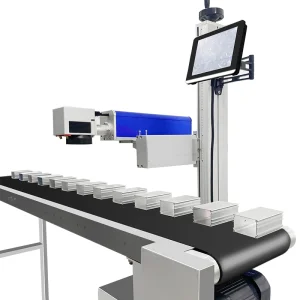
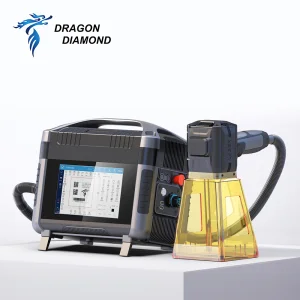
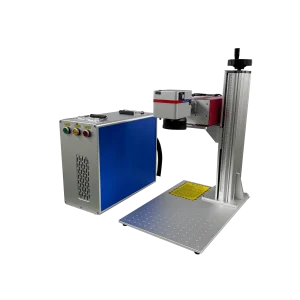
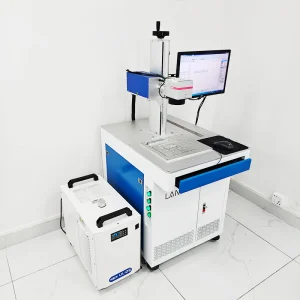
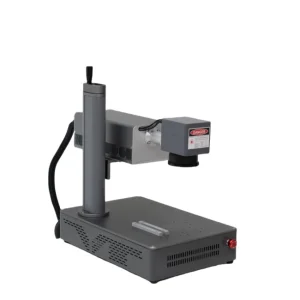
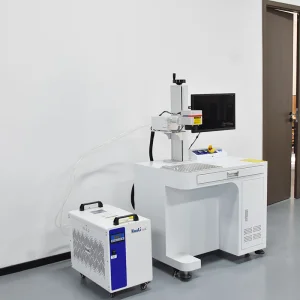
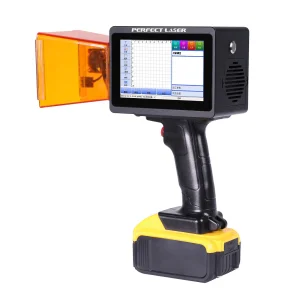
Optimized marking setups for medical tracing, plastic film bags, and wood processing lines.
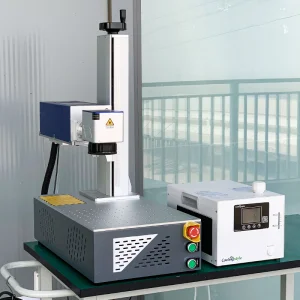
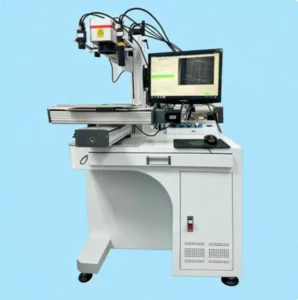
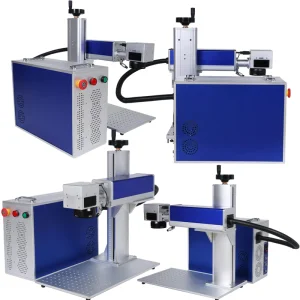
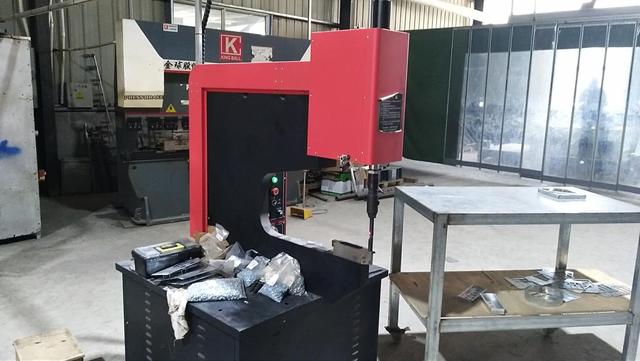
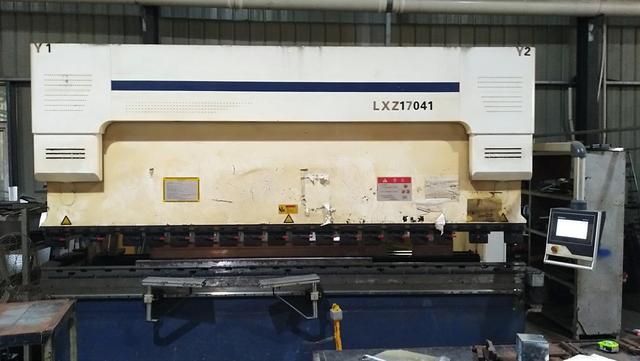
Hangzhou Kinray Laser Co., Ltd. is a leading China industrial laser marking machine manufacturer specializing in advanced fiber and UV laser solutions for global manufacturing industries. With a strong focus on innovation, precision, and intelligent manufacturing, Kinray Laser is committed to delivering high-performance laser equipment that improves production efficiency, product traceability, and marking quality.
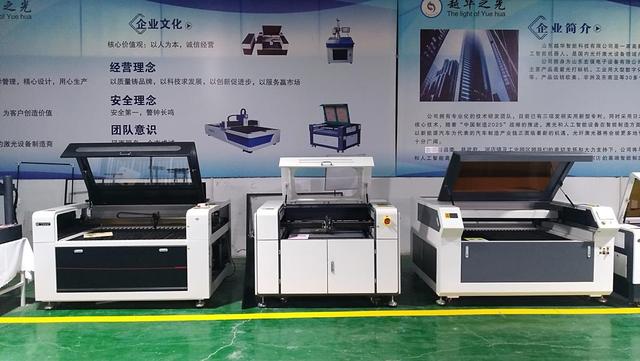
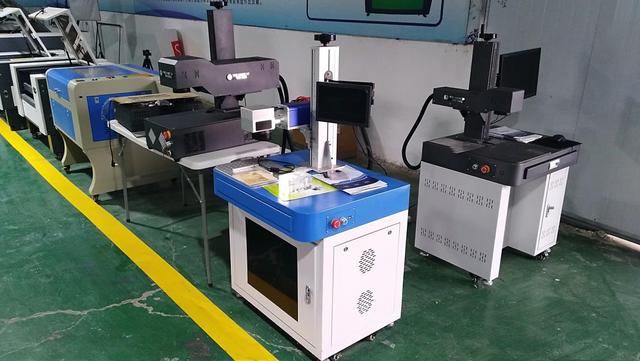
Located in Hangzhou, China, the company integrates research and development, manufacturing, sales, and technical support to provide comprehensive laser processing solutions for customers worldwide. Our extensive product portfolio includes fiber laser marking machines, UV laser marking machines, CO2 laser marking systems, MOPA laser markers, flying laser marking machines, 3D laser marking equipment, and customized automated laser solutions.
Kinray Laser products are widely used in electronics, automotive, medical devices, precision hardware, jewelry, packaging, aerospace, consumer goods, and industrial manufacturing industries. Designed for high-speed, high-precision, and permanent marking applications, our systems are capable of processing a wide range of materials, including metals, plastics, ceramics, glass, and composite materials.
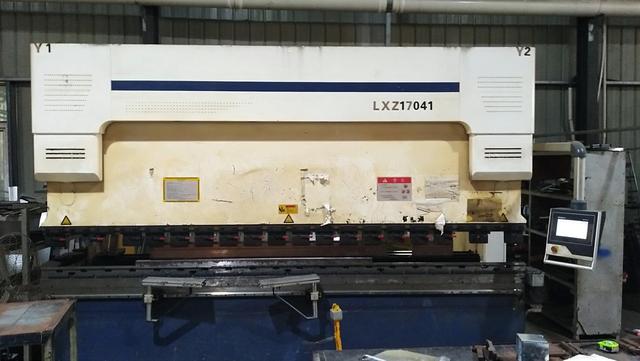
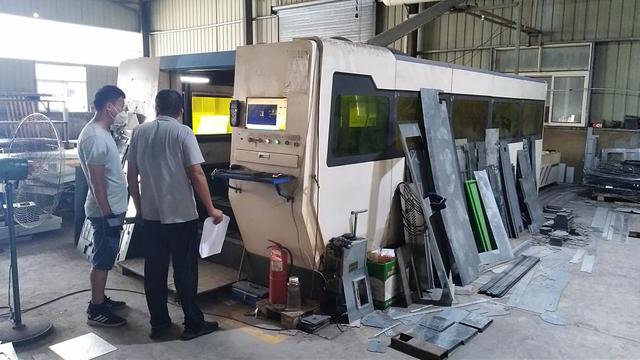
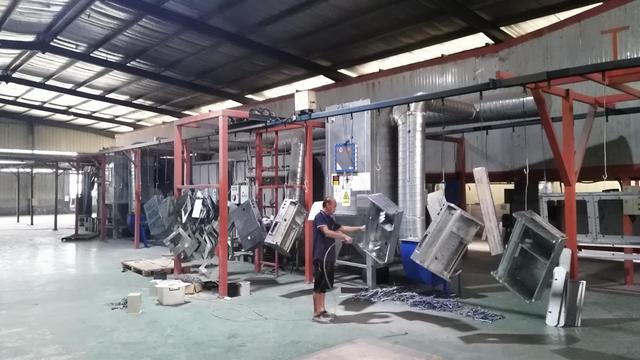
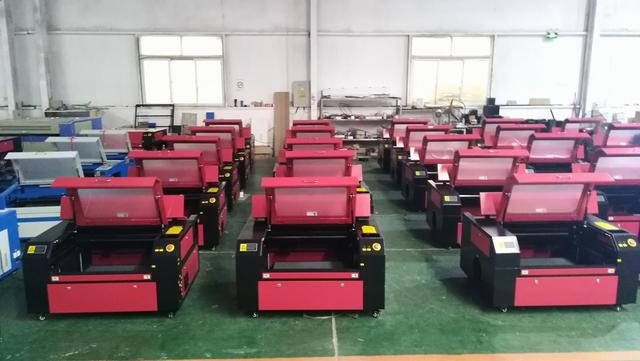
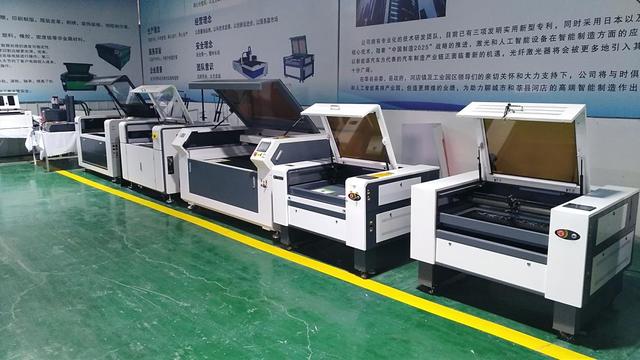
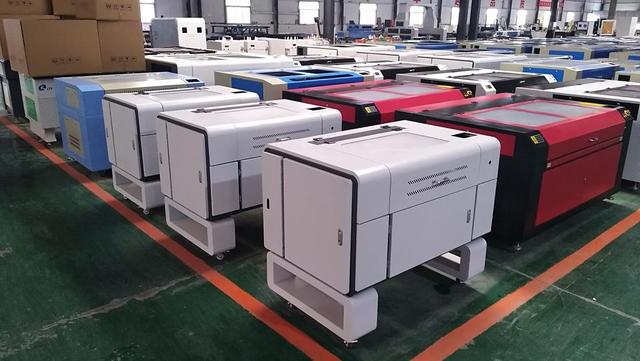
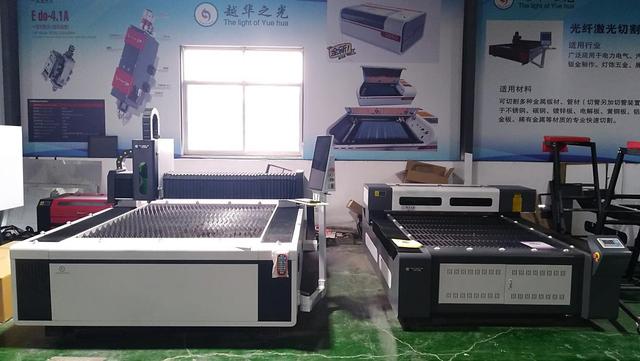
Equipped with advanced production facilities and rigorous quality management systems, Kinray Laser maintains strict quality control throughout every stage of manufacturing. Each machine undergoes comprehensive testing to ensure stable performance, reliability, and compliance with international standards.
To support global customers, we offer flexible OEM and ODM services for distributors, system integrators, equipment brands, and industrial manufacturers. Our experienced engineering team works closely with customers to develop customized laser solutions tailored to specific production requirements, automation needs, and industry applications.
Driven by technological innovation and customer satisfaction, Hangzhou Kinray Laser Co., Ltd. continues to expand its global presence and strives to become a trusted partner for intelligent laser processing solutions, helping manufacturers achieve smarter, more efficient, and sustainable production.
Everything you need to know about importing, deploying, and maintaining plastic laser marking equipment in Ethiopia.
 Kinray Laser