Kinray Laser
1 / 4
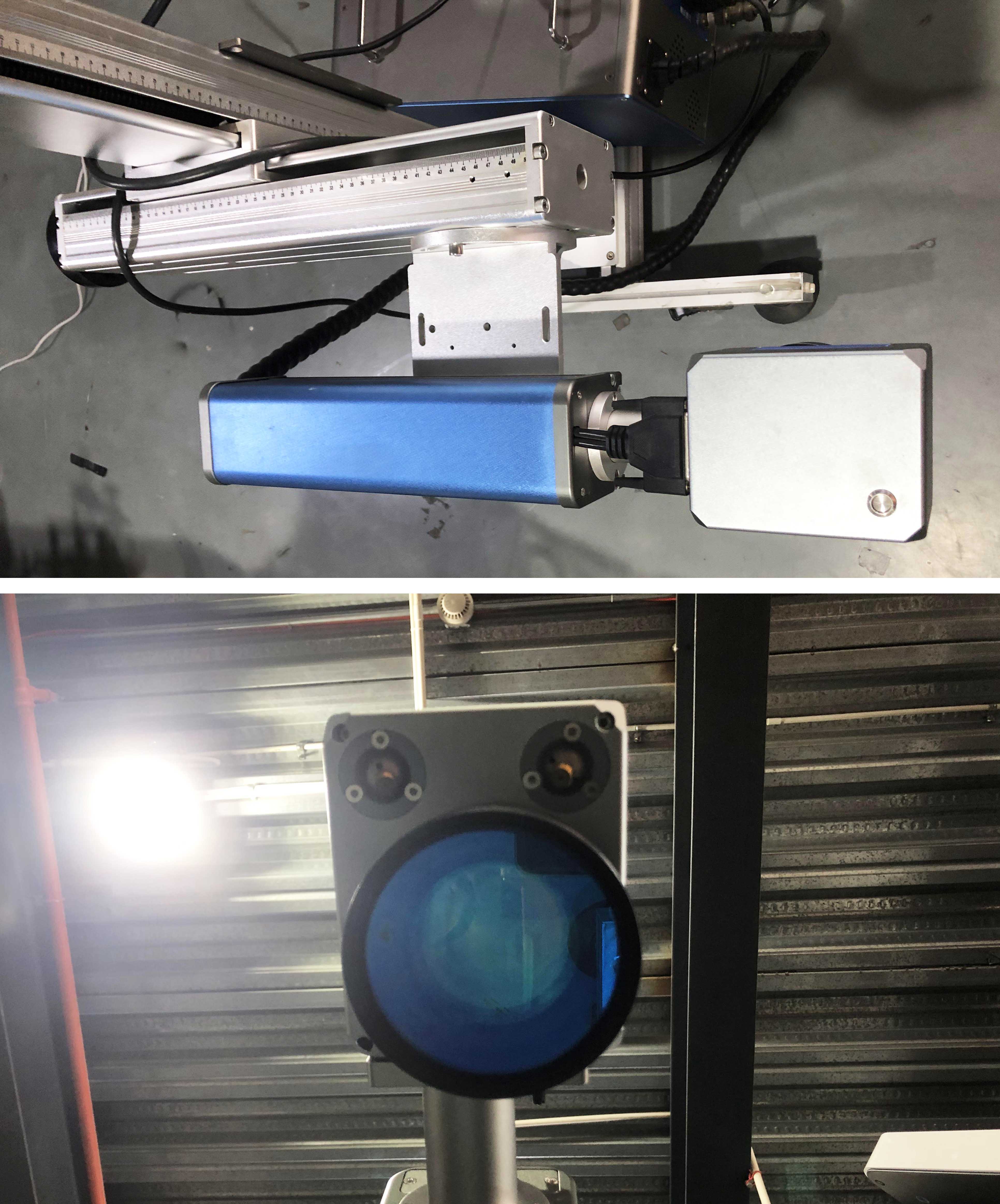
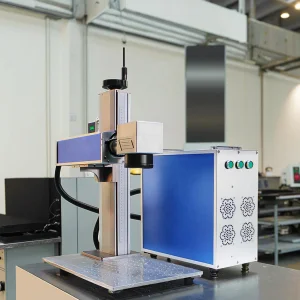
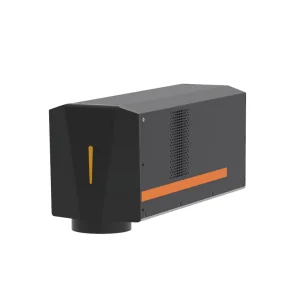
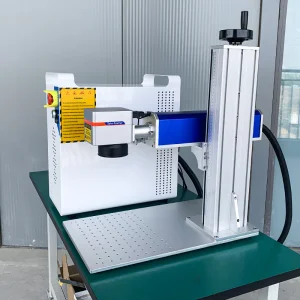
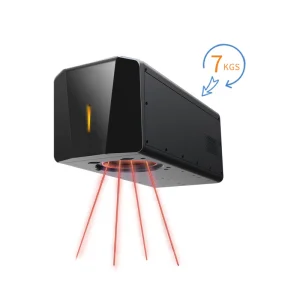
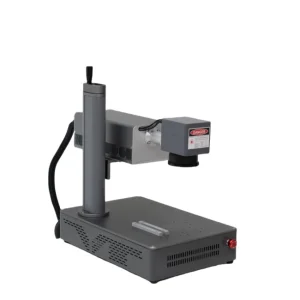
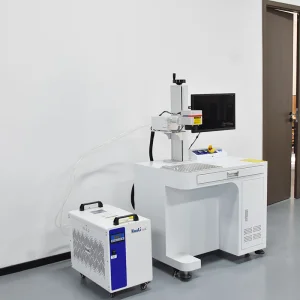
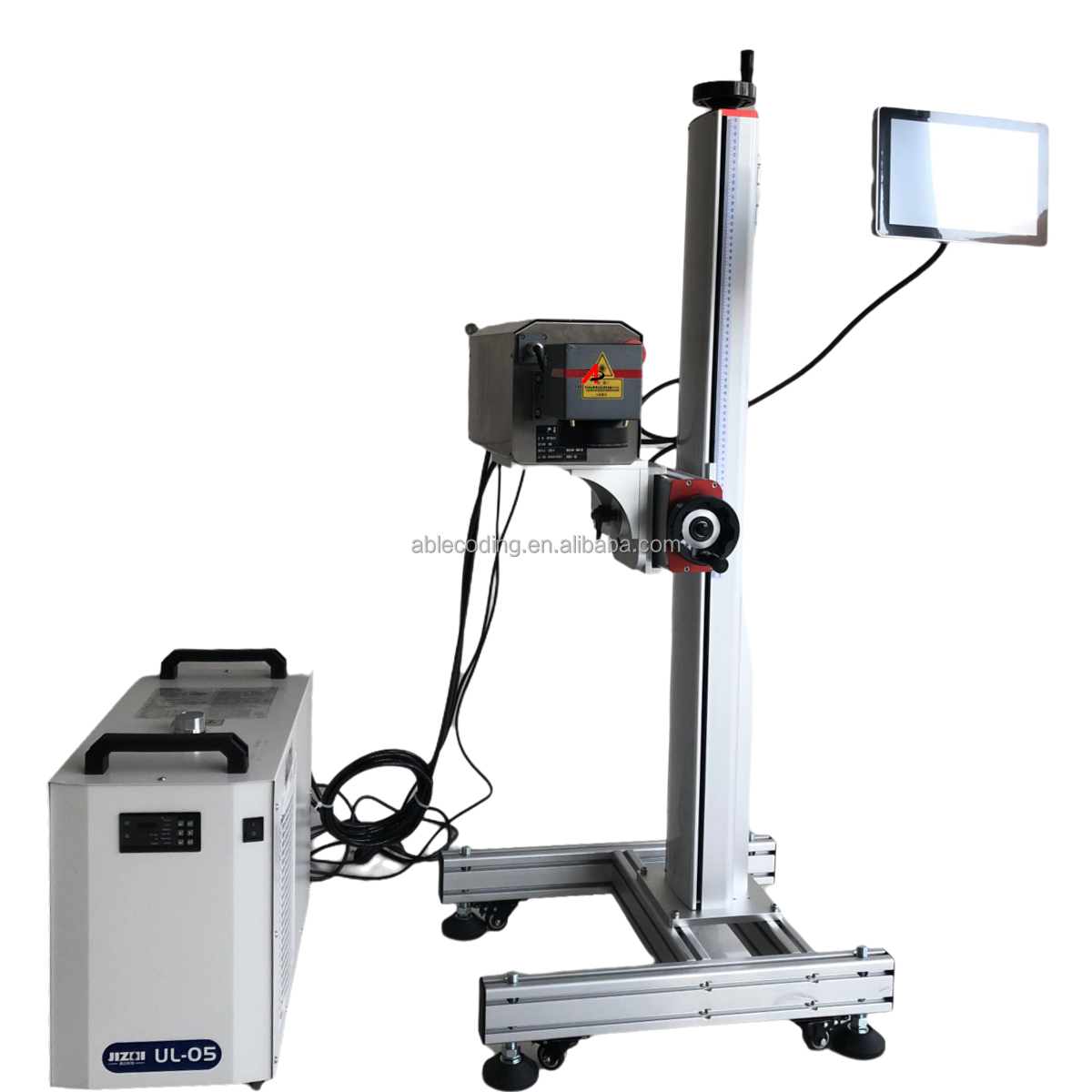
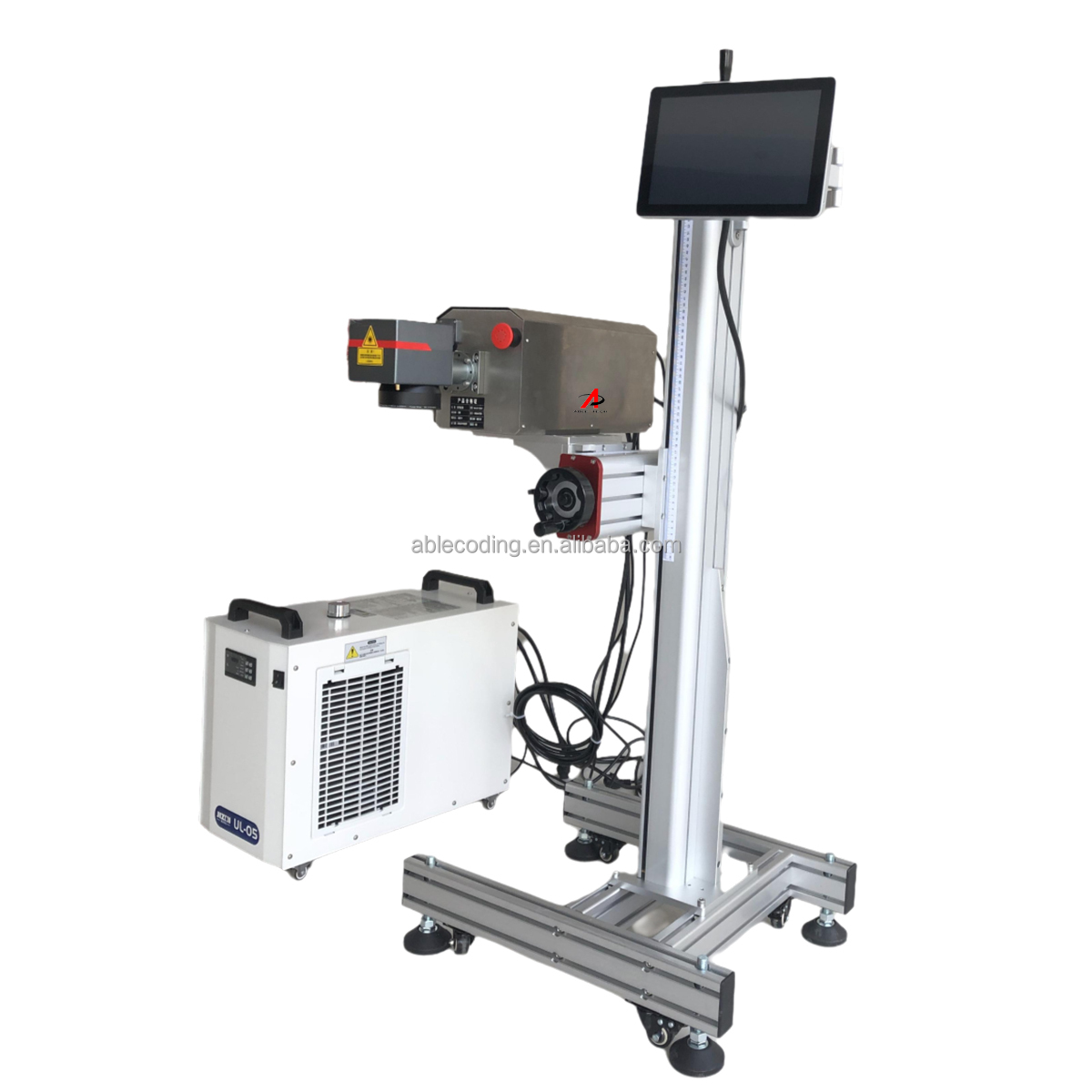
Laser marking machines are roughly divided into three categories: fiber laser marking machines, CO2 laser marking machines, and UV laser marking machines.
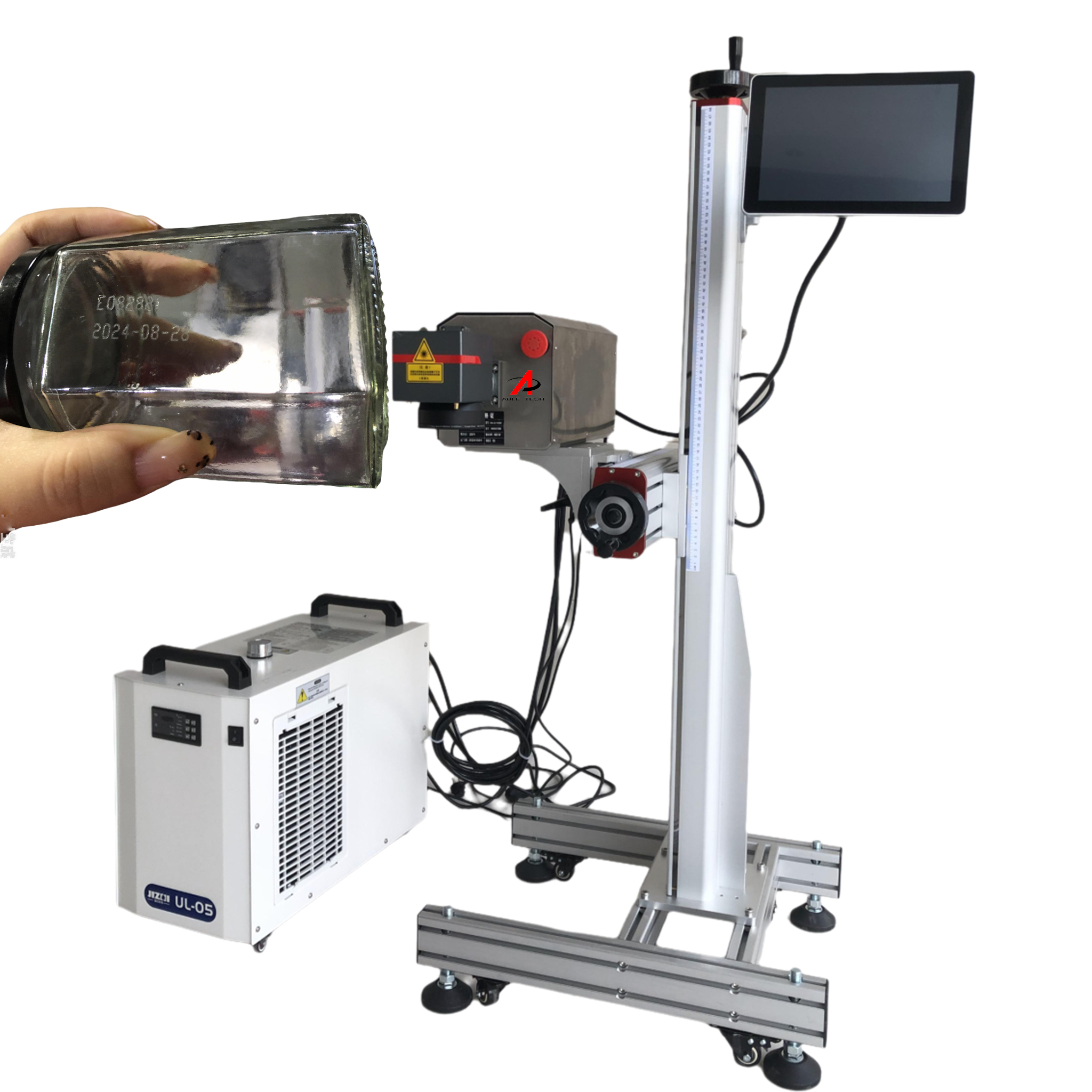
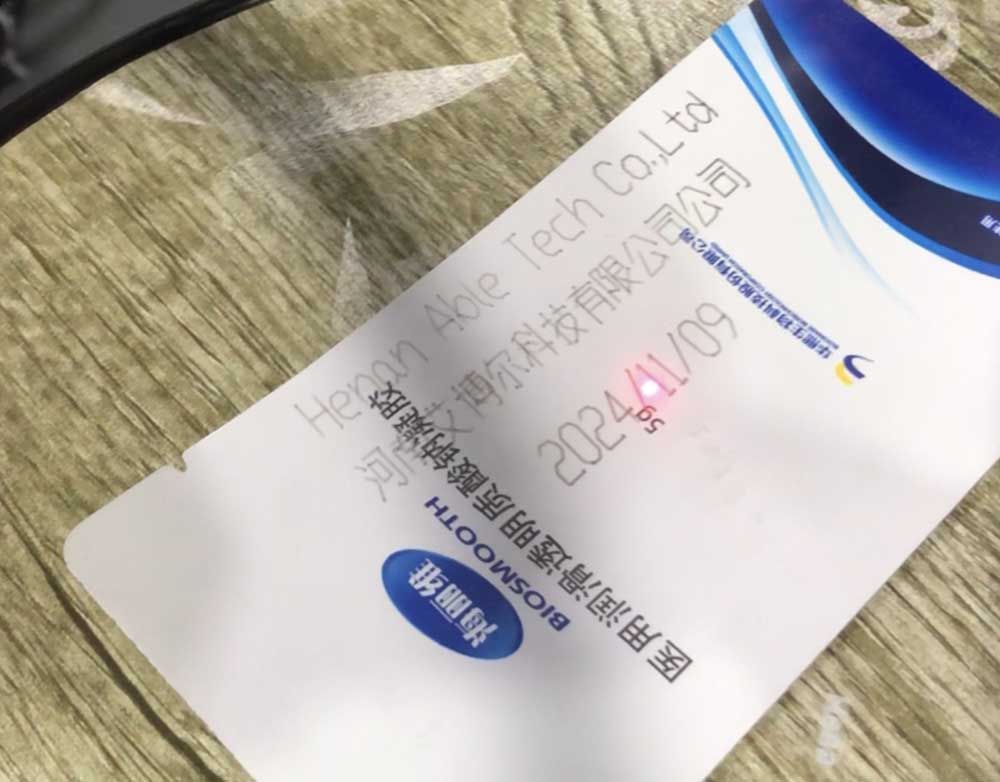
The superiority of laser marking engraving lies in its wide application range, and various materials (metal, glass, ceramic, plastic, leather, etc.) can be permanently marked with high-quality marks.
Fiber laser marking machine is a nanoscale processing method, while CO2 laser marking machine is a micrometer level, and the accuracy of fiber is higher than that of CO2.
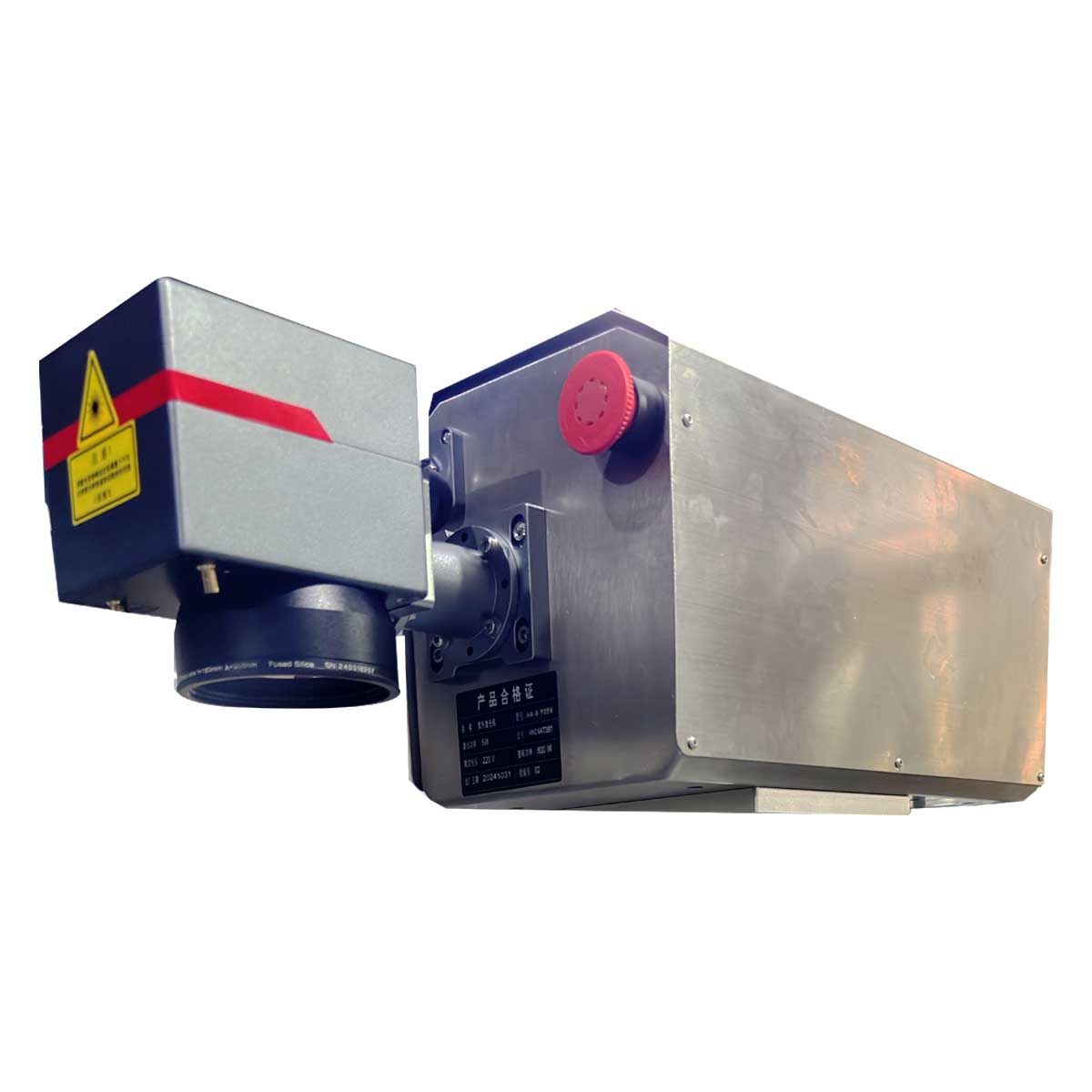
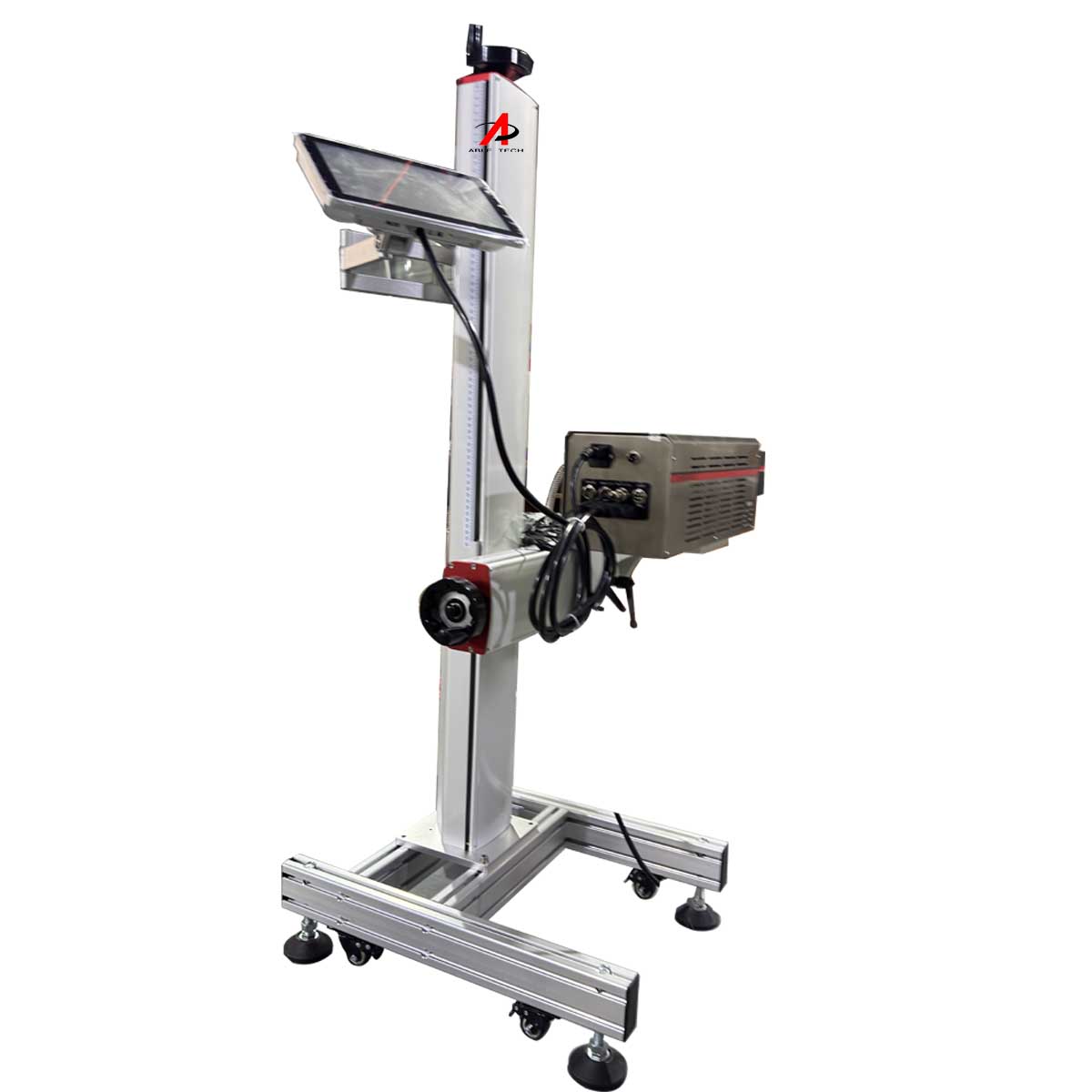
The carbon dioxide marking machine adopts a gas laser with an infrared wavelength of 10.64um. CO2 gas is filled into a high-pressure discharge tube to produce gas molecules that release laser light. The energy is then amplified to form the required laser beam for processing, thereby achieving the marking effect. This machine is suitable for engraving the vast majority of non-metallic materials and some metal products.
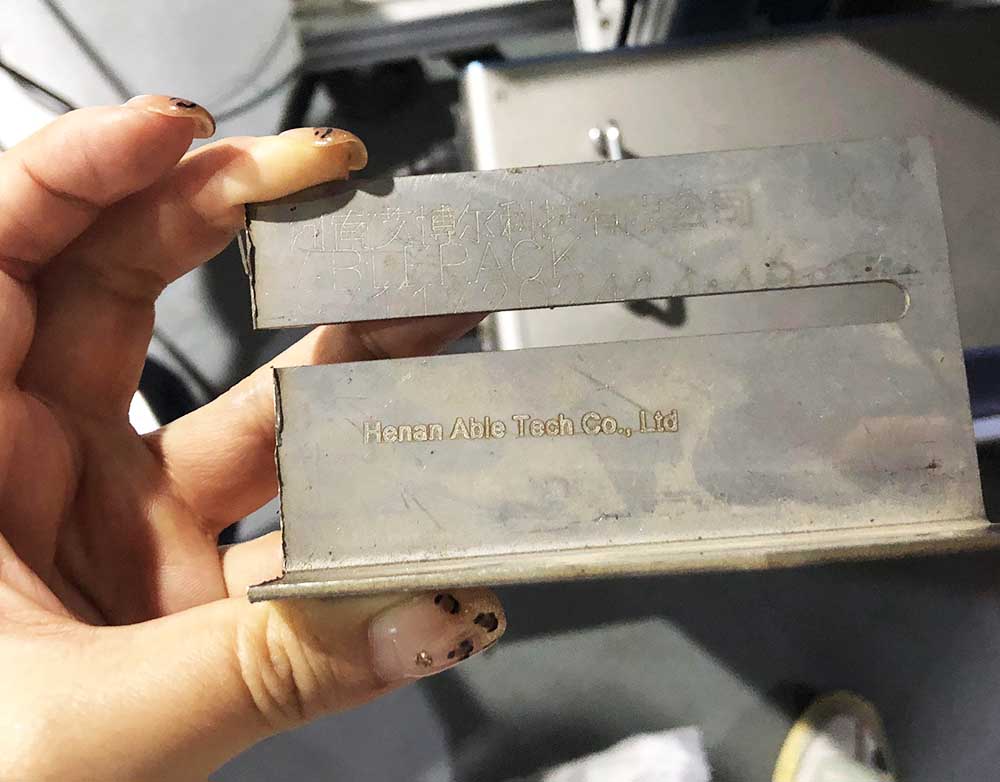
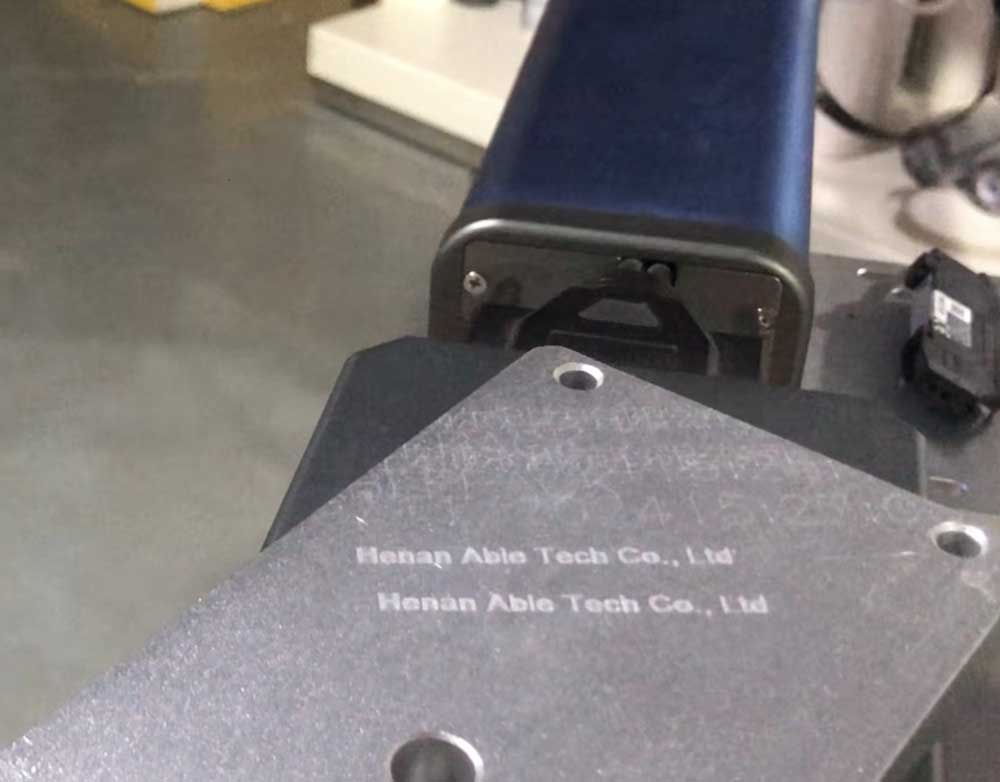
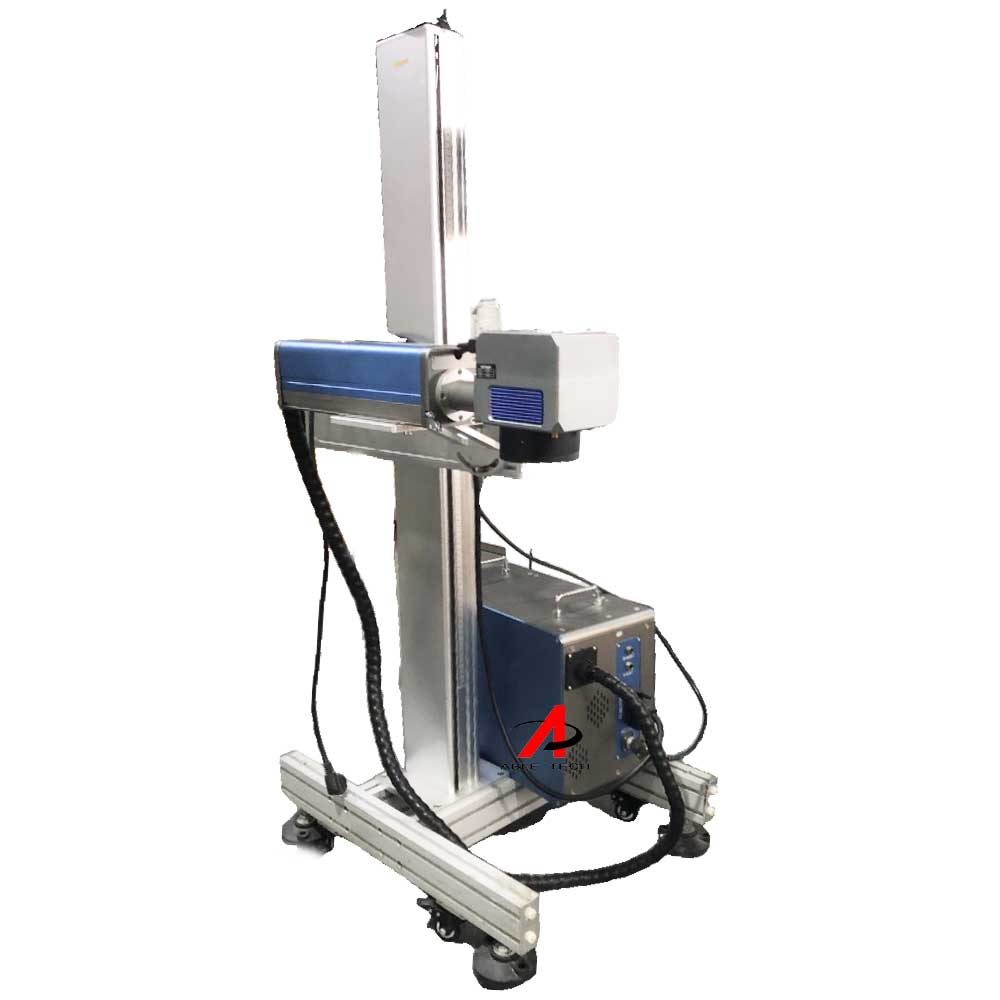
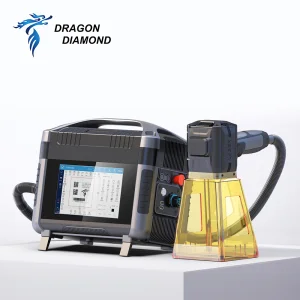
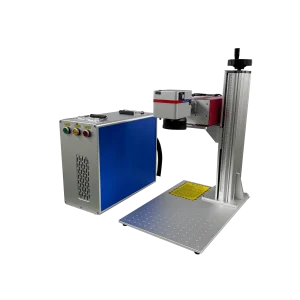
Uses a laser beam to mark the surface of an object, causing physical or chemical changes to the surface through light energy, and then engraving permanent marks such as patterns and text. This product is suitable for engraving most metal materials and some non-metal materials.
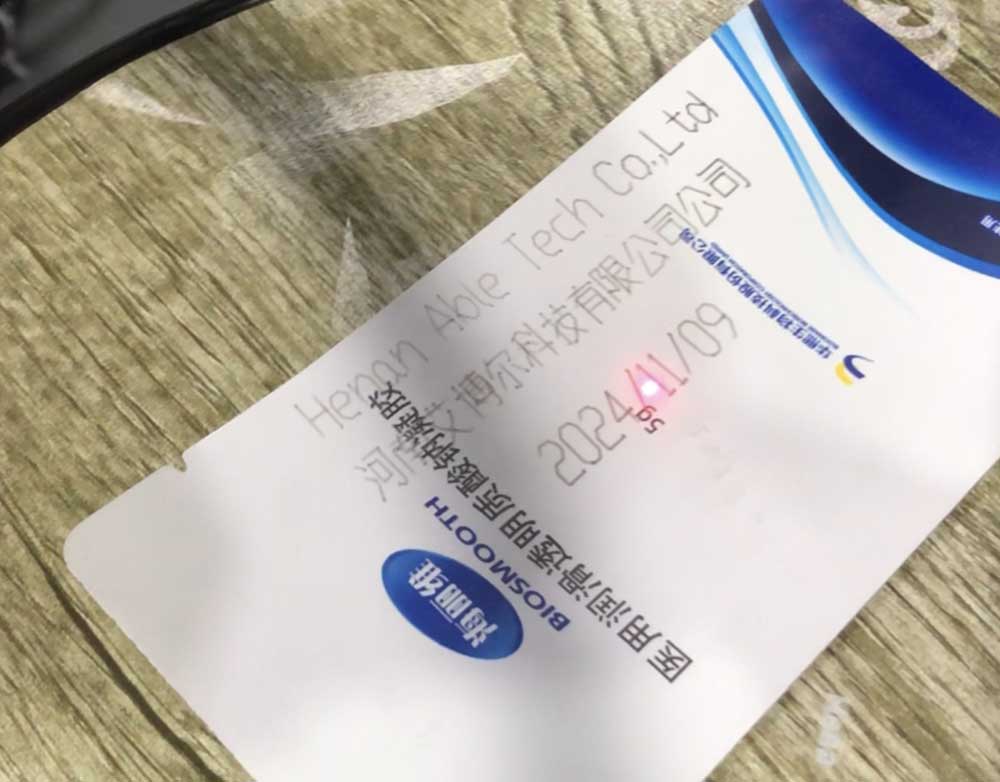
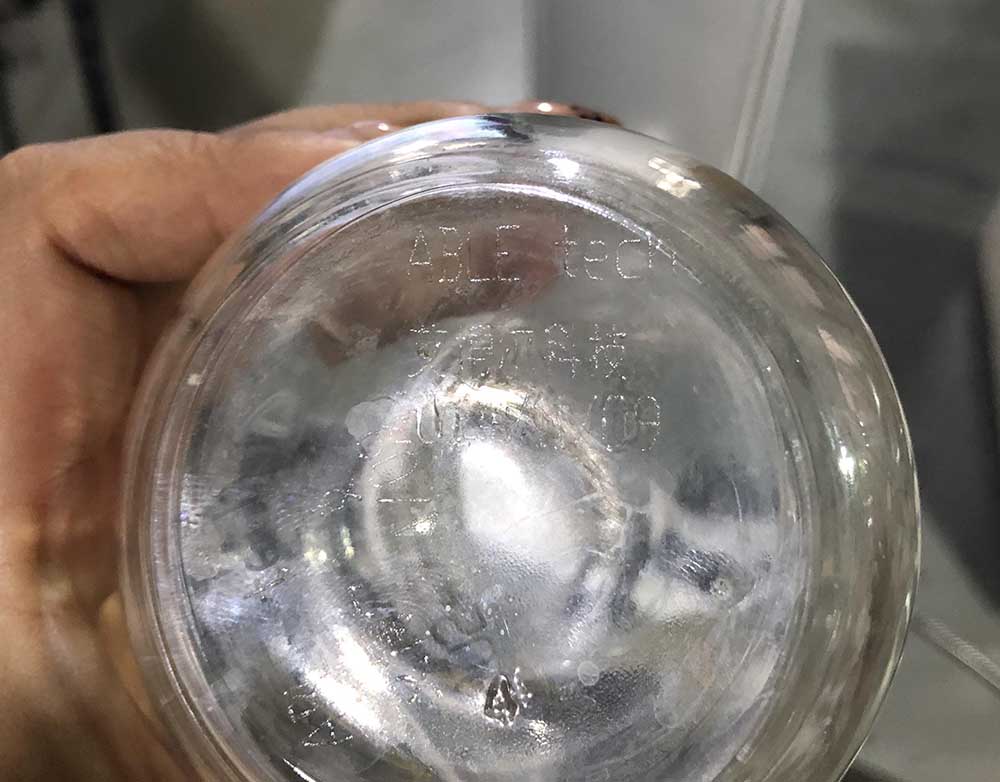
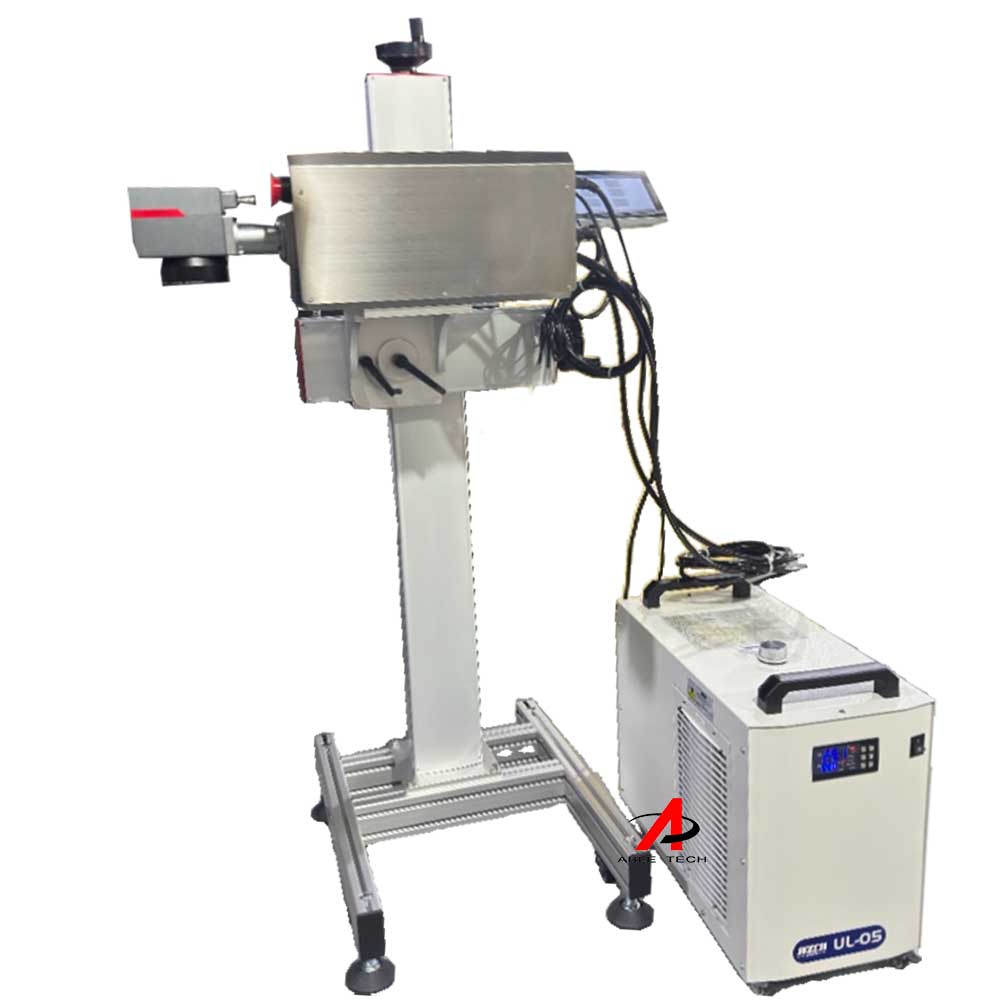
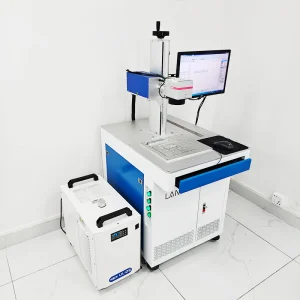
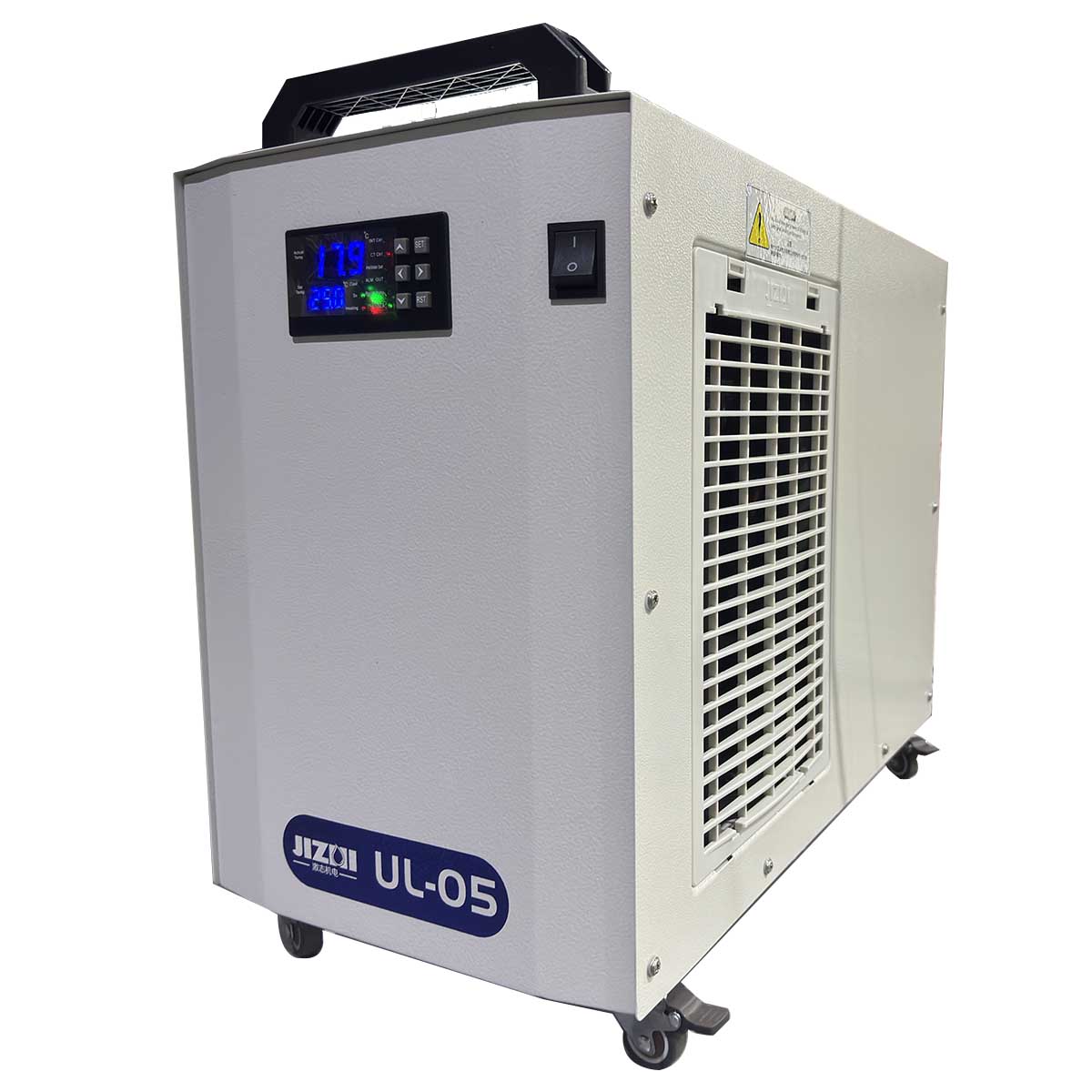
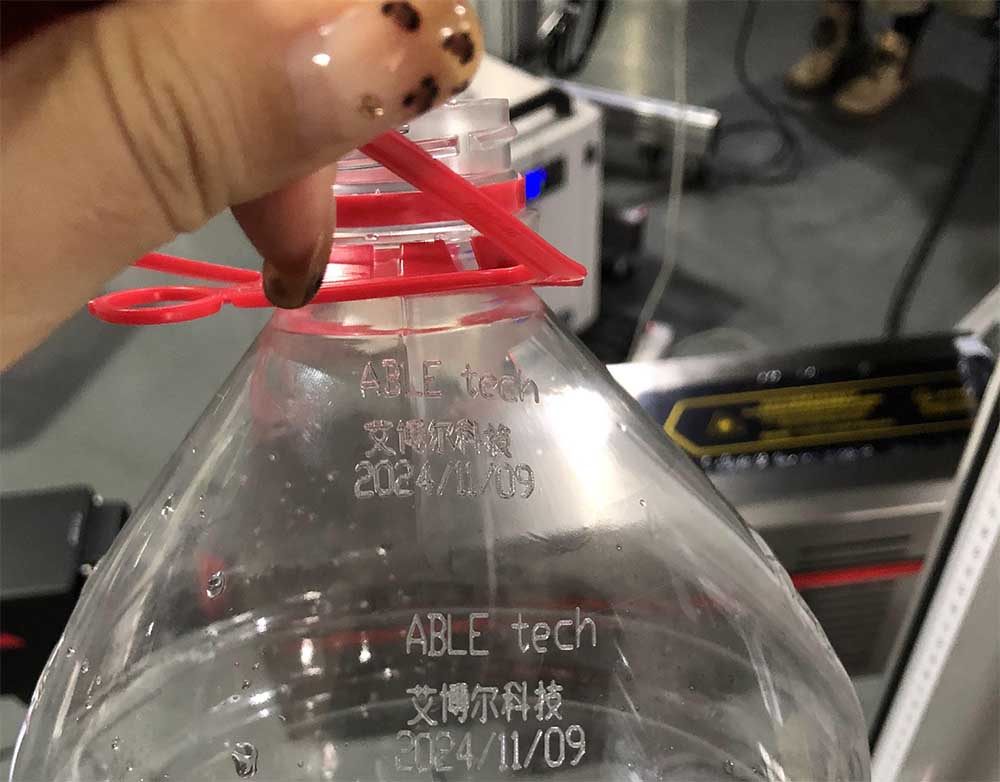
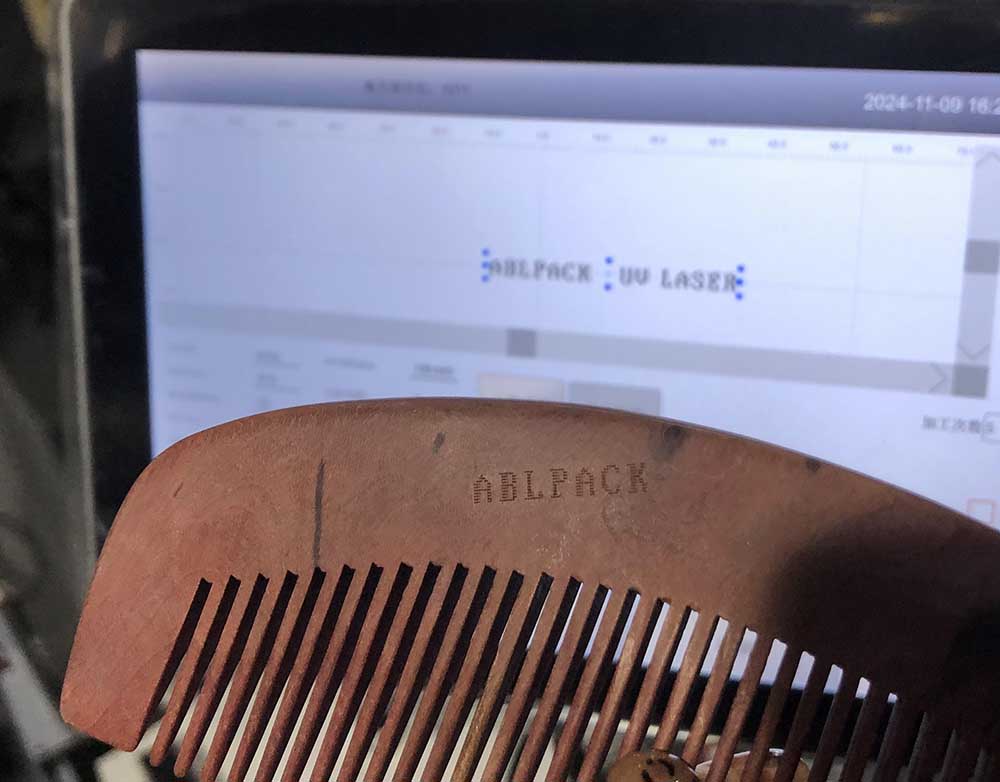
This machine uses a UV laser to directly break the molecular chain of a substance through a short wavelength laser, thereby engraving permanent marks such as patterns and text. This machine is suitable for all plastics and other materials that have adverse reactions to heat, especially for fine marking of food, pharmaceutical packaging materials, micro holes, glass materials and other application fields.
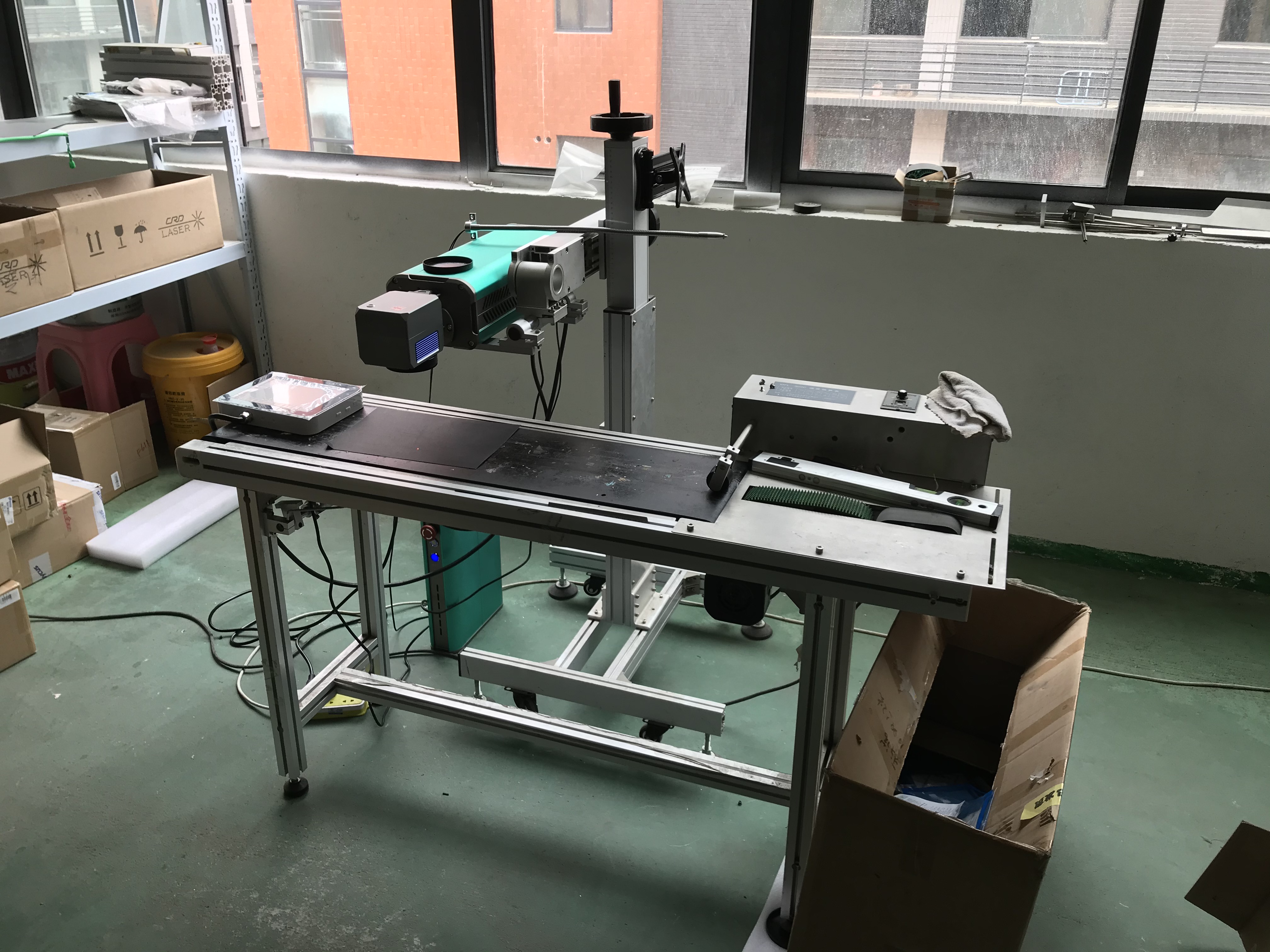
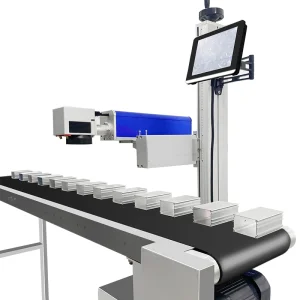
Can be configured on various packaging machine assembly lines, such as labeling machines, paging machines, filling machines, etc.