China Top Industrial Laser Systems Exporter

Hangzhou Kinray Laser Co., Ltd. - Empowering Global Production and High-Precision Traceability with Innovative OEM/ODM Fiber, UV, and CO2 Laser Solutions.

Industrial Laser Systems: Engineering Whitepaper & Sourcing Guide

Modern manufacturing requires micro-scale precision, relentless speed, and comprehensive trace-ability. At the heart of this industrial transformation is the industrial laser system. As a leading manufacturer, Hangzhou Kinray Laser Co., Ltd. integrates state-of-the-art physics with robust field-level engineering. This document delivers deep technical perspectives, market trends, compliance metrics, and deployment criteria for system integrators and supply-chain professionals worldwide.

E-E-A-T Sourcing Authority

With a master research & fabrication facility located in Hangzhou, China, our team delivers complete lifecycle control over component selection, assembly, firmware configuration, and inspection protocols, adhering strictly to global ISO, CE, and FDA standards.

1. China’s Factory Supply Chain Advantages & Hangzhou Synergy

China has transitioned from a standard assembly hub to the global powerhouse of photonics and laser source fabrication. Hangzhou Kinray Laser Co., Ltd. leverages this geographic and technological cluster. The Yangtze River Delta tech ecosystem provides direct access to high-quality optical crystal components, premium galvanic scanners, and state-of-the-art fiber optics.

By integrating these localized advantages, we deliver extreme precision without the hyper-inflated costs associated with Western-built components. Our localization ensures that secondary processes—such as custom anodized housings, cooling systems, and frame construction—remain agile, keeping prototype-to-market cycles well under 30 days.

24/7 Continuous Duty Cycles
<30 days Fast Custom Delivery
100k+ hrs Laser Source Lifespan

2. Global Regulatory Compliance & Dedicated Local Support

Navigating import requirements for heavy machinery can be highly challenging. To guarantee trouble-free importation and operations, Kinray Laser equipment maintains comprehensive regulatory compliance:

  • CE Certification: Fully compliant with European Machinery Directive 2006/42/EC and Electromagnetic Compatibility Directive 2014/30/EU.
  • FDA & CDRH Accession: Compliant with federal standards for laser radiation safety, ensuring worry-free operation in North America.
  • ISO 9001:2015: Total quality management governing R&D, assembly, and final burn-in procedures.

Furthermore, we do not simply ship crates; we deploy complete operational readiness. Kinray provides comprehensive setup protocols, localized configuration parameters, remote training resources, and spare-parts depots to prevent costly line stoppages.

3. Strategic Sourcing Metrics for Global Enterprises

When procurement managers evaluate industrial laser systems, the criteria extend beyond the initial cost. Buyers must evaluate the total cost of ownership (TCO). Our MOPA, UV, and fiber systems optimize TCO through high electrical conversion efficiency (often exceeding 30%) and zero consumable requirements.

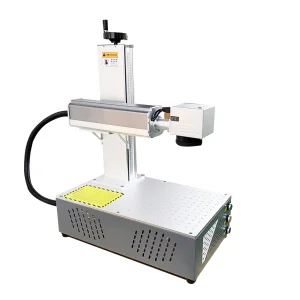
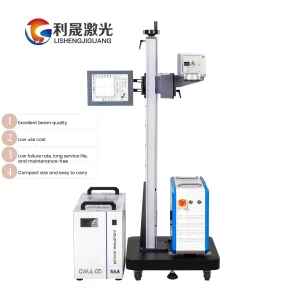
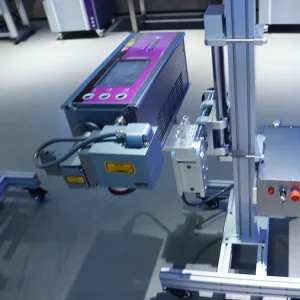
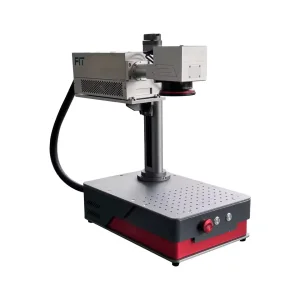
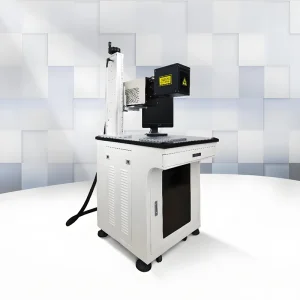
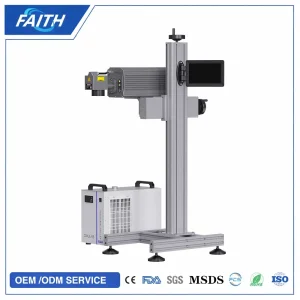
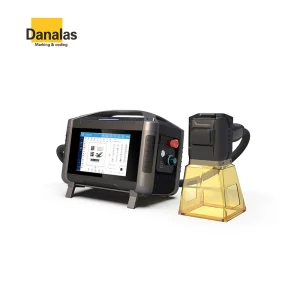
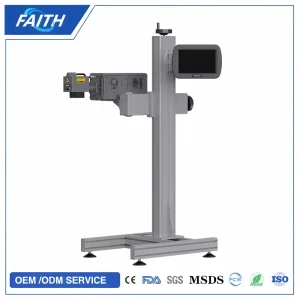
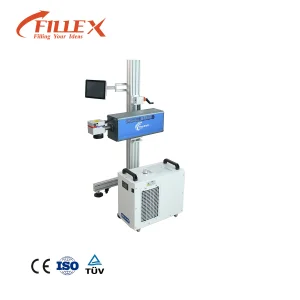
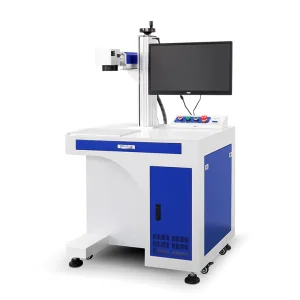
Whether you are integrating standard desktop marking enclosures or high-speed online flying coders, Kinray ensures seamless synchronization with your current ERP and industrial PLC protocols (e.g., Modbus, Profinet, TCP/IP).

4. Emerging Global Trends in Laser Processing

The laser processing sector is transitioning from static manual workstations to fully automated, sensor-guided ecosystems. Key trends shaping our product development pipeline include:

  • AI-Powered Machine Vision: Real-time alignment and post-marking quality control checks to eliminate marking drift and verification failures.
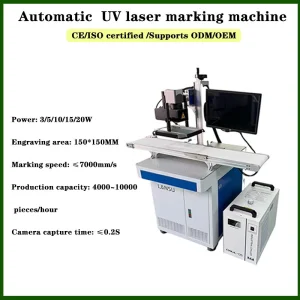
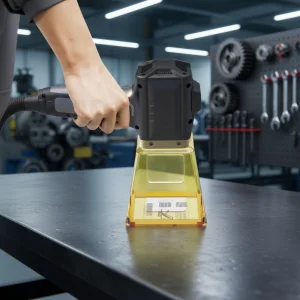
  • Ultra-Short Pulse Technology: Cold processing using UV lasers (355nm) to eliminate thermal damage on high-tech polymers and medical packaging.
  • IIoT and Cloud Logging: Remote status monitoring to predict module degradation and proactively schedule preventive maintenance.

Core Competencies

Hangzhou Kinray Laser Co., Ltd. designs, engineers, and tests all machines in-house. Our production team utilizes custom optical tables and alignment systems to ensure optimal beam profile quality (M² < 1.3).

Materials Compatibility

Fiber Lasers (1064nm):

Stainless Steel, Aluminum, Brass, Titanium, and selected engineering plastics.

UV Lasers (355nm):

HDPE, PET, PVC, sapphire, glass, delicate films, and silicon wafers.

CO2 Lasers (9.3μm / 10.6μm):

Acrylic, wood, leather, paper, carton packaging, and organic polymers.

OEM/ODM Capabilities

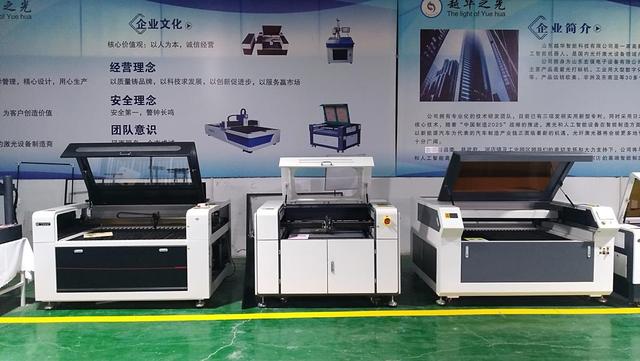
We offer highly modular architectures, allowing system integrators to purchase bare laser sources, scan head subsystems, or fully configured turnkey enclosed structures bearing their own brand identity.

Manufacturing Facility

Authorized R&D and QA Testing Grounds

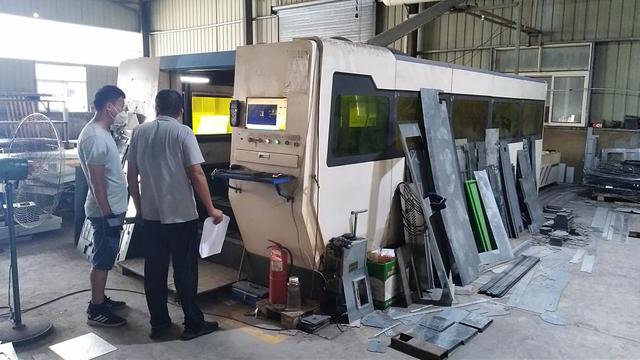
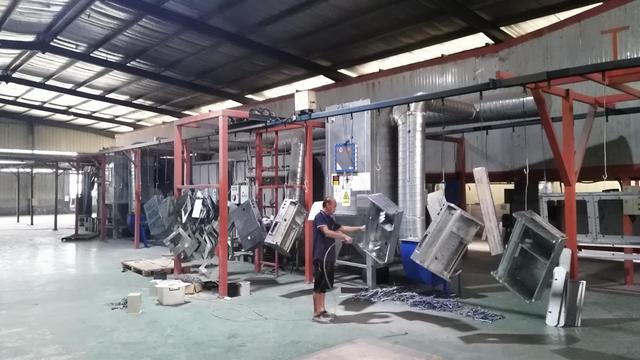
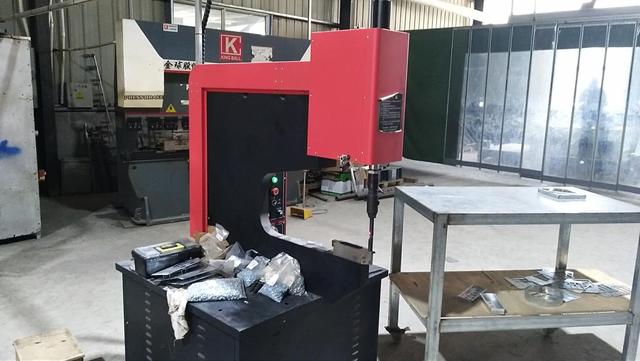
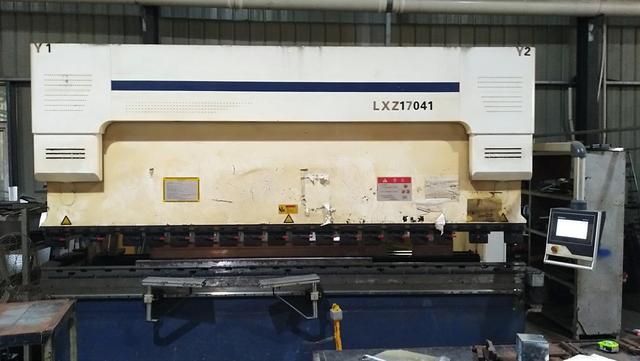
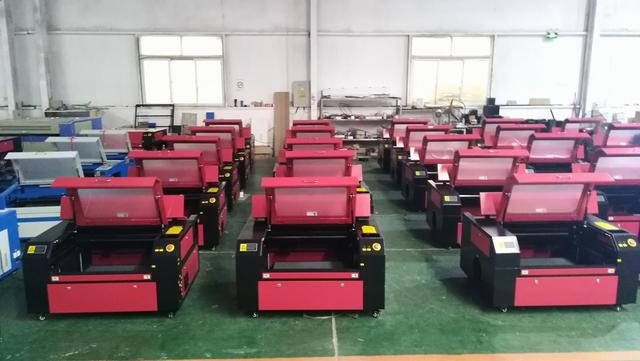
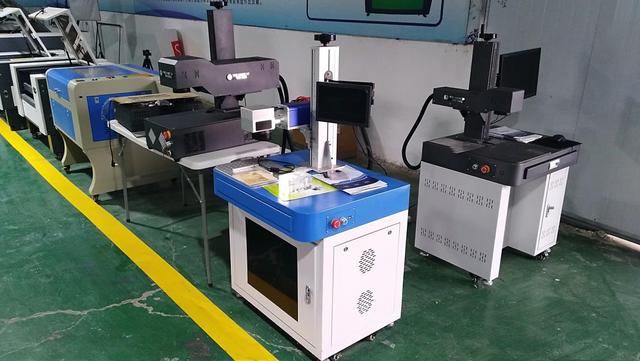
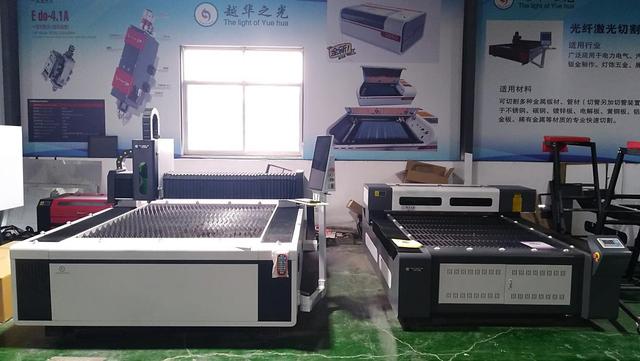
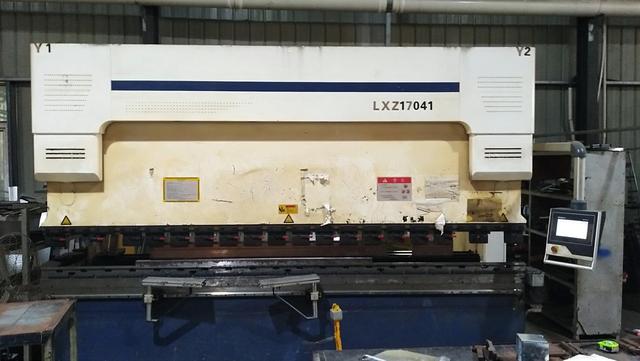
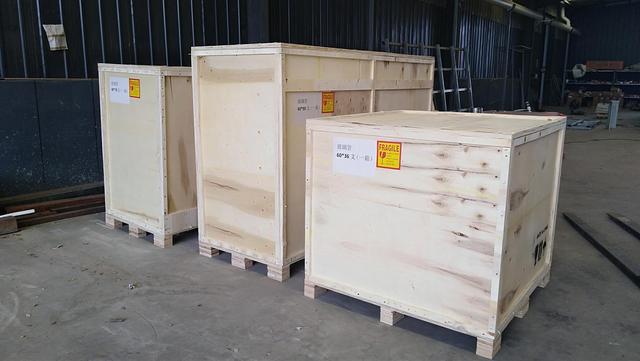
Our state-of-the-art facility features strict dust-controlled environments, optical alignment labs, and 72-hour continuous testing units to guarantee zero defects.
Global Support Architecture

Localization & Operational Security

Ensuring Seamless Integration Worldwide

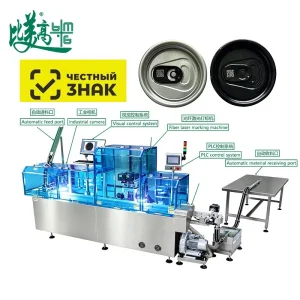
To bridge geographical gaps, Hangzhou Kinray Laser Co., Ltd. utilizes structured support protocols designed for fast response. Recognizing that down-time is critical for high-volume manufacturing lines (such as packaging, automotive part etching, and electrical terminal marking), we support multiple tiers of integration:

Tier 1 24-Hour Remote Diagnostic Support
Tier 2 Field Engineer Dispatch Ready
Tier 3 Direct SDK Integration Assistance

Our software interfaces are built upon flexible system layers natively compatible with EZcad, LightBurn, and custom APIs. The support libraries cover DXF, PLT, AI, and SVG formats, allowing fast template changes without reprogramming PLC control logic.

Technical Q&A

Industrial Laser Engineering FAQ

Detailed responses to critical engineering, installation, and procurement questions.
Why choose 355nm UV lasers instead of 1064nm Fiber systems for plastics?
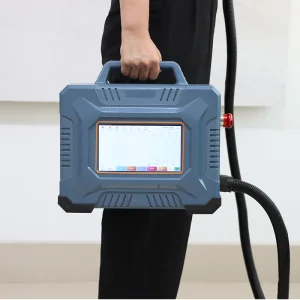
UV lasers run on a "cold marking" photochemical mechanism rather than thermal degradation. The 355nm wavelength breaks molecular bonds directly without generating thermal stress. This prevents melt, bubbling, and structural damage to plastics (HDPE, PET, PVC) and delicate electronics.
How does Kinray Laser manage quality control for high-speed conveyor lines?
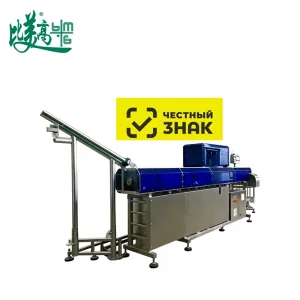
Our flying laser coding machines utilize high-response encoders coupled with optical gate sensors. This design calculates conveyor belt speeds in real-time, matching pulse frequencies to match variations in packaging lines without stretching the font templates.
What cooling architectures are utilized within Kinray Laser systems?
Fiber systems of 20W to 50W leverage forced-air cooling, eliminating water lines. High-power systems (100W Fiber, UV, and high-frequency CO2 machines) utilize active industrial chillers with precise temperature thresholds (+/- 0.1°C) to keep diode operating metrics consistent.
Do Kinray systems support direct automation PLC interfaces?
Yes. Our controllers provide dry contact gates, serial RS232/RS485 connections, and TCP/IP options. This allows integration with robotic arms, automated loading tables, and PLC environments (Siemens, Omron, Mitsubishi).