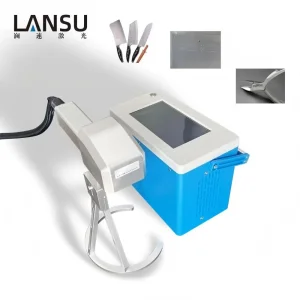
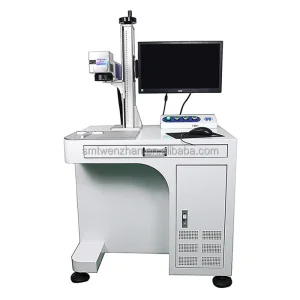
High-precision laser equipment engineered for continuous 24/7 manufacturing lines, delicate semiconductor processing, high-speed food & beverage packaging, and precision metal engraving.
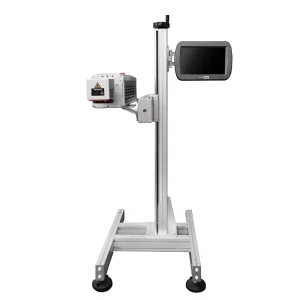
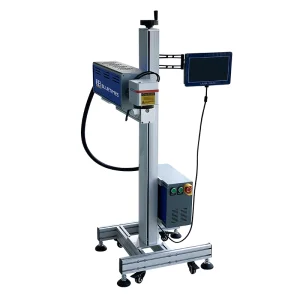
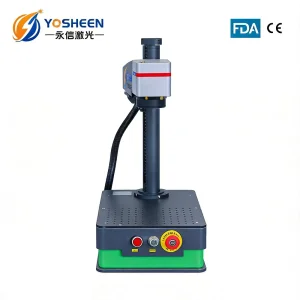
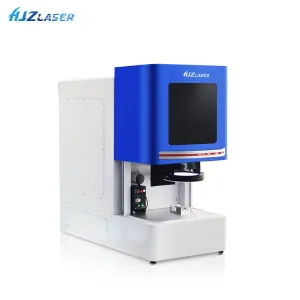
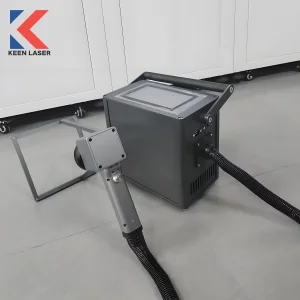
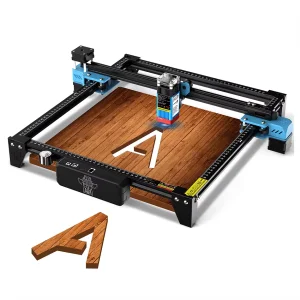
The global manufacturing ecosystem is undergoing an unprecedented digital transformation. Driven by Industry 4.0 standards, rigorous supply chain regulatory frameworks (such as FDA UDI rules for medical devices and EU anti-counterfeiting directives for pharmaceuticals), and the imperative for absolute component traceability, traditional mechanical marking and ink-based jet printing (CIJ) are rapidly being superseded by industrial laser automation solutions. Leading global OEMs and factory automation system integrators increasingly source advanced laser machinery from specialized manufacturing hubs in China due to unmatched cost-to-performance metrics, robust optic engineering, and scalable customized automation integration capabilities.
Key Insight: Strategic procurement of China-manufactured industrial laser systems offers up to 45% reduction in total cost of ownership (TCO) over 5-year lifecycles compared to legacy European or American equipment, while achieving identical beam quality factor ($M^2 < 1.3$) and superior MTBF parameters.
Several macroeconomic and technological vectors are accelerating the deployment of industrial fiber, UV, and CO2 laser systems across international supply chains:
Automotive EV battery manufacturing, aerospace, and medical device sectors mandate 2D DataMatrix and QR code marking capable of enduring extreme thermal, chemical, and mechanical stress without degrading readout reliability.
Micro-electronics, silicon wafer processing, flexible PCBs, and thin polymer films require ultra-short wavelength UV lasers (355nm) to eliminate thermal affect zones (HAZ) and prevent structural micro-cracking.
FMCG, beverage bottling, and pharmaceutical packaging lines demand continuous "flying" dynamic marking solutions capable of operating at line velocities exceeding 300 meters per minute with zero maintenance downtime.
When engineering procurement directors and factory automation managers evaluate high-precision laser marking machines, multi-axis CNC systems, and automated line coders from Chinese manufacturers, technical evaluation extends far beyond raw wattage rating. The decision matrix hinges upon precise optical parameters, system stability, software interoperability, and long-term operating economics.
| Technical Evaluation Criteria | Legacy Inkjet / Mechanical Systems | Standard Entry-Level Lasers | Advanced Kinray Laser Automation Systems |
|---|---|---|---|
| Operating Consumables Cost | High (Ink, Solvent, Ribbons, Filters) | Zero Consumables | Zero Consumables (100% Eco-Friendly) |
| Mean Time Between Failures (MTBF) | 2,000 – 5,000 Hours | 20,000 – 50,000 Hours | > 100,000 Operational Hours (Fiber Sources) |
| Marking Speed & Precision | Slow; Subject to smudge & distortion | Moderate; Up to 7,000 mm/s | High Speed: Up to 12,000 mm/s; ±0.001mm Accuracy |
| Material Compatibility | Limited surface adhesion | Metals or Select Plastics | Universal: Metals, Polymers, Glass, Ceramics, Wood |
| Automated Line Integration | Standalone / Manual trigger only | Basic I/O Trigger support | Full MES/ERP Sync, Modbus TCP/IP, Vision Alignment |
| Thermal Impact Zone (HAZ) | N/A (Chemical Ink adhesion) | Moderate (Standard Thermal Melt) | Zero Thermal Damage (Cold UV & MOPA Pulse Control) |
Industrial procurement agents must assess four critical engineering dimensions prior to selecting an OEM vendor:
Industrial laser processing relies on specific light-matter interaction mechanisms. Understanding the physical distinction between optical wavelengths, pulse durations, and beam delivery systems is vital for specifying the appropriate laser automation machinery for high-volume manufacturing lines.
Fiber lasers utilize ytterbium-doped optical fibers as the gain medium, pumped by semiconductor laser diodes. Delivering a centered 1064nm fundamental wavelength, fiber systems are the undisputed benchmark for metal processing, structural alloys, engineered hard plastics, and dense ceramics.
Within fiber technology, standard Q-Switched Fiber Lasers operate at fixed pulse frequencies (20kHz–80kHz), suitable for deep engraving, surface ablation, and high-speed part numbering. Conversely, MOPA (Master Oscillator Power Amplifier) Fiber Lasers provide independent control over pulse duration (ranging from 2ns to 500ns) and pulse frequency (1kHz to 4000kHz). This precise temporal energy management enables high-contrast black marking on anodized aluminum, non-destructive surface marking on sensitive stainless steels, and vibrant color laser engraving on titanium alloys without compromising the passive oxide layer.
Created via Third-Harmonic Generation (THG) from a 1064nm fundamental wave, UV lasers emit ultra-short 355nm ultraviolet photons. Known as "Cold Processing," UV photons possess sufficient quantum energy to directly break molecular bonds within organic polymers, composite materials, and glass substrates, skipping the thermal phase shift stage.
This photochemical reaction prevents heat accumulation, eliminating micro-fracturing on fragile glass, surface charring on white flame-retardant polymers (ABS, HDPE, PVC), and thermal stress on silicon wafers. Vision-guided UV marking systems represent the gold standard for semiconductor wafer dicing, PCB serial number laser marking, diamond jewelry micro-carving, and medical catheter labeling.
Gas-discharge CO2 laser systems emit infrared light predominantly at 10.6 micrometers. Highly absorbed by non-metallic substrates, CO2 laser marking systems excel at processing wood, paperboard, acrylic, leather, ceramics, coated foils, and organic polymers.
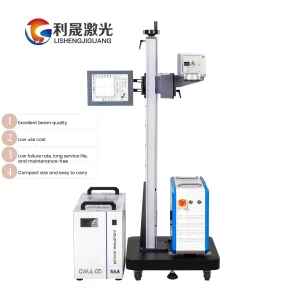
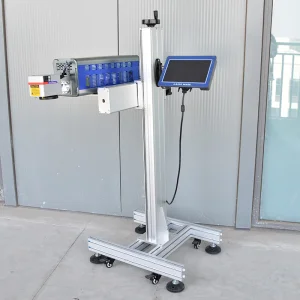
When integrated into continuous assembly lines as Flying CO2 Laser Coders, these systems utilize dynamic high-speed galvo deflectors and rotary encoders to print real-time expiration dates, batch numbers, dynamic 2D barcodes, and serialized tracking strings on fast-moving food packaging, PET water bottles, pharmaceutical box sleeves, and cosmetic containers without stopping line motion.
Delivering customized optical, mechanical, and software integration tailored to the stringent operational requirements of global manufacturing sectors.
Automated high-power fiber laser solutions for permanent VIN deep carving on chassis structural members, hair-pin motor stator wire enamel stripping, and high-speed 2D DataMatrix code laser marking on EV battery cell prismatic casings with MES database verification.
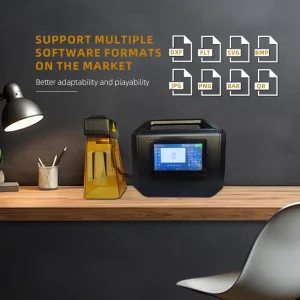
High-precision inline UV laser equipment supporting DXF/AI/DWG CAD formats. Engineered for micro-drilling of flex PCBs, stress-free depalletizing of surface-mount assemblies, IC chip surface identification, and trace laser ablation down to 10-micron linewidths.
MOPA fiber and UV laser marking systems producing corrosion-resistant, passivation-proof, non-toxic permanent surface marks on surgical-grade stainless steels, titanium implants, and biocompatible polymers in full accordance with FDA Unique Device Identification (UDI) regulations.
High-speed CO2 and UV flying laser coders engineered for zero-stop production lines. Provides instant dry, indelible ink-free printing of dynamic dates, batch numbers, anti-counterfeiting QR codes, and barcodes on plastic film pouches, aluminum cans, glass bottles, and folding cartons.
Vision-guided 3D UV and fiber laser marking machinery optimized for micro-hallmarking, intricate internal ring engraving, diamond crystal inscription, and high-value precious metal surface relief sculpting with zero material waste.
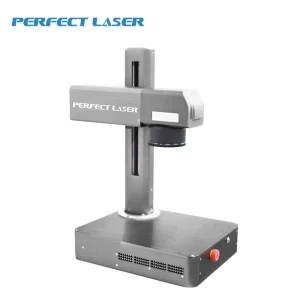
Enclosed desktop and dynamic multi-axis CNC fiber laser systems engineered for high-precision logo branding, keycap laser marking, metallic anodized housing color etching, and fine hardware part numbering across mass-production schedules.
Hangzhou Kinray Laser Co., Ltd. is a leading China industrial laser marking machine manufacturer specializing in advanced fiber and UV laser solutions for global manufacturing industries. With a strong focus on innovation, precision, and intelligent manufacturing, Kinray Laser is committed to delivering high-performance laser equipment that improves production efficiency, product traceability, and marking quality.
Located in Hangzhou, China, the company integrates research and development, manufacturing, sales, and technical support to provide comprehensive laser processing solutions for customers worldwide. Our extensive product portfolio includes fiber laser marking machines, UV laser marking machines, CO2 laser marking systems, MOPA laser markers, flying laser marking machines, 3D laser marking equipment, and customized automated laser solutions.
Kinray Laser products are widely used in electronics, automotive, medical devices, precision hardware, jewelry, packaging, aerospace, consumer goods, and industrial manufacturing industries. Designed for high-speed, high-precision, and permanent marking applications, our systems are capable of processing a wide range of materials, including metals, plastics, ceramics, glass, and composite materials.
Equipped with advanced production facilities and rigorous quality management systems, Kinray Laser maintains strict quality control throughout every stage of manufacturing. Each machine undergoes comprehensive testing to ensure stable performance, reliability, and compliance with international standards.
To support global customers, we offer flexible OEM and ODM services for distributors, system integrators, equipment brands, and industrial manufacturers. Our experienced engineering team works closely with customers to develop customized laser solutions tailored to specific production requirements, automation needs, and industry applications.
Driven by technological innovation and customer satisfaction, Hangzhou Kinray Laser Co., Ltd. continues to expand its global presence and strives to become a trusted partner for intelligent laser processing solutions, helping manufacturers achieve smarter, more efficient, and sustainable production.
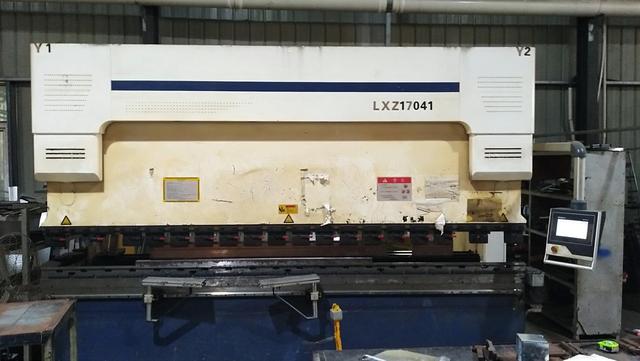
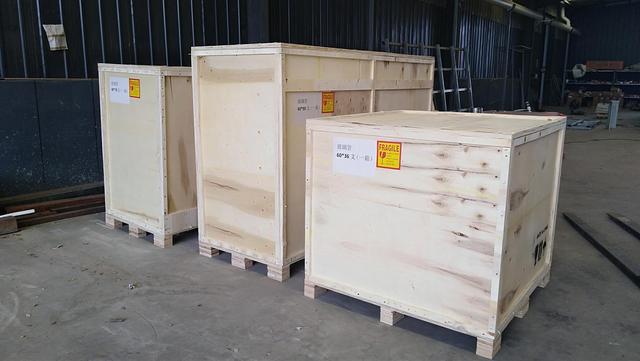
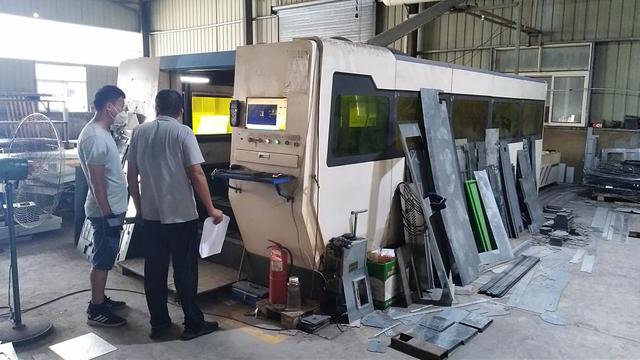
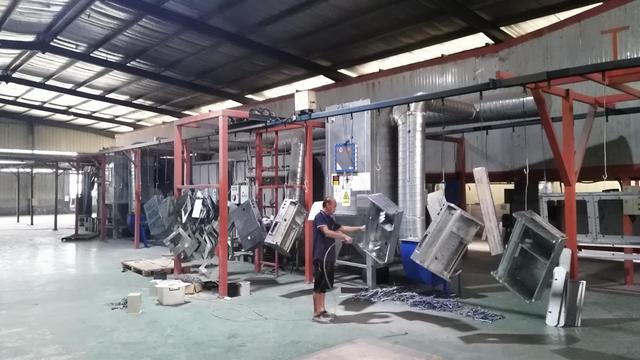
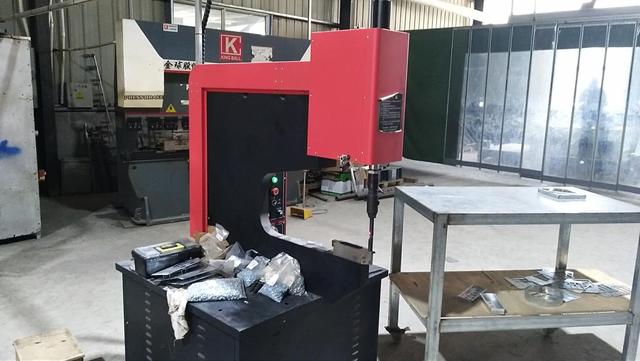
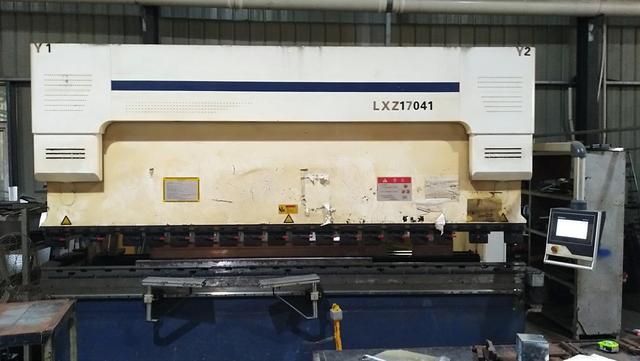
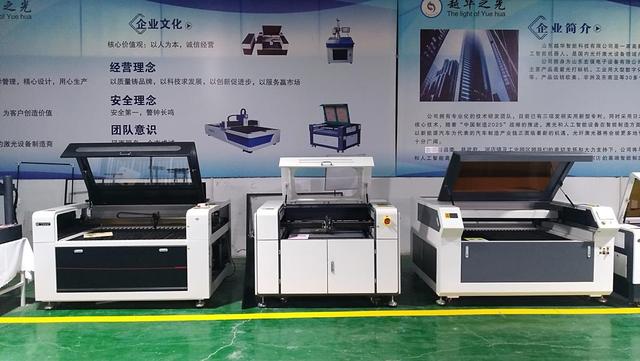
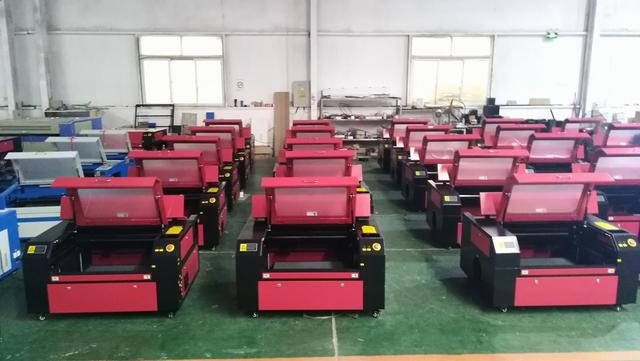
Take an insider look at our standardized clean-room assembly bays, optical testing laboratories, quality assurance verification stations, and automated machine production lines in Hangzhou:
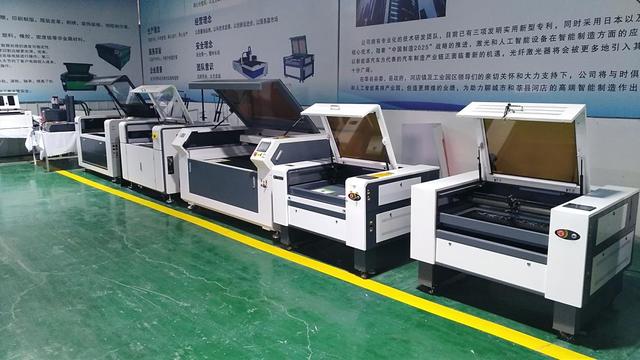
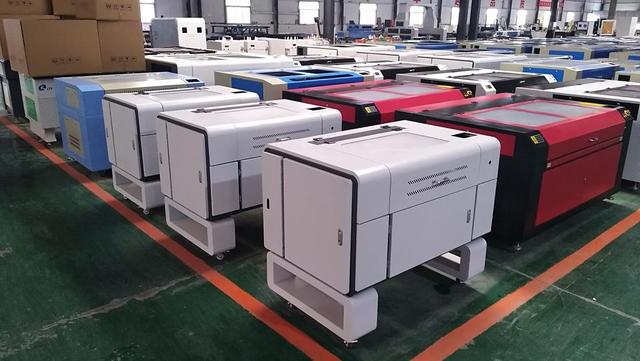
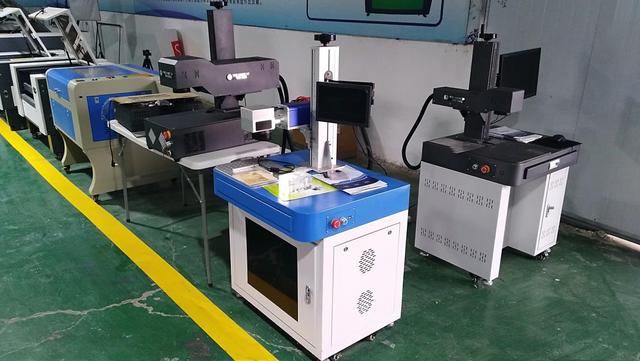
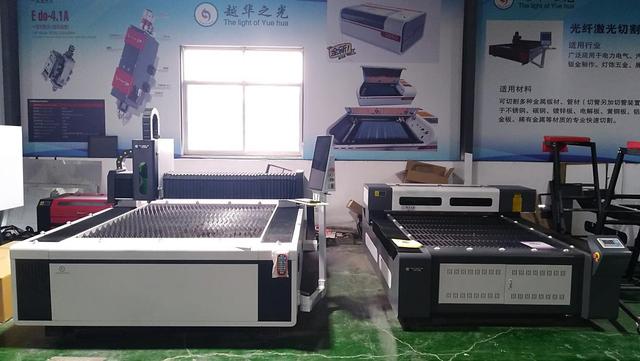
Navigating global procurement requires assurance of international compliance, seamless post-sale support, and flexible machine customization. Hangzhou Kinray Laser Co., Ltd. has structured a comprehensive global operational architecture to serve multinational corporations, local distributors, and regional system integrators.
All laser equipment is manufactured under strict ISO 9001 quality management workflows. Systems carry official CE certification, compliance with European Machinery Directive 2006/42/EC, and FDA Class I fully-enclosed or Class IV open-beam laser safety classifications with optical safety interlocks.
We provide full white-label custom machine housing designs, specialized mechanical gantry dimensions, localized software multi-language interfaces (English, Spanish, German, French, Japanese, Korean), and custom PLC communication protocol drivers tailored to your proprietary equipment line.
Our field application engineers provide remote online diagnostic services, optical alignment assistance, software software updates, and rapid spare-parts replacement dispatches through localized logistical hubs across Europe, North America, Southeast Asia, and Latin America.
As industrial manufacturing demands ever-smaller component sizes, higher processing speeds, and tighter environmental controls, the photonics sector is advancing toward ultra-short pulse dynamics and cloud-connected intelligent laser processing systems.
Transitioning from nanosecond pulses to femtosecond durations (10-15 seconds) enables non-thermal laser cold ablation on ultra-thin OLED displays, medical stents, and delicate micro-semiconductor substrates with sub-micron precision.
Integrating real-time pyrometric sensors and machine vision AI algorithms to automatically adjust laser power density, galvo speed, and focal position dynamically in response to material surface variances.
Next-generation laser controllers continuously monitor diode current degradation, cooling system flow rates, and optical lens contamination, uploading operational metrics to enterprise cloud networks for predictive maintenance alerts.
Expert answers to common technical queries regarding industrial laser selection, machine integration, and operational maintenance.
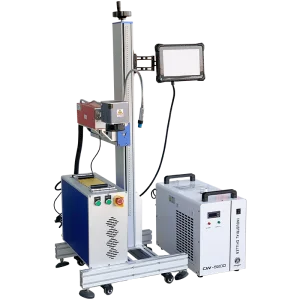
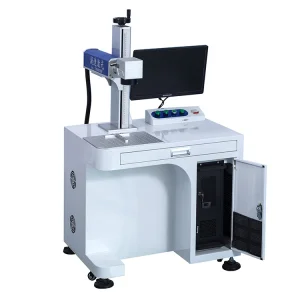
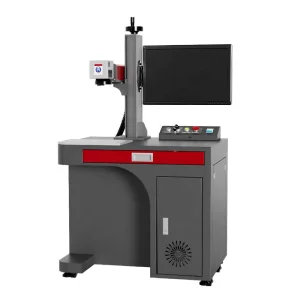
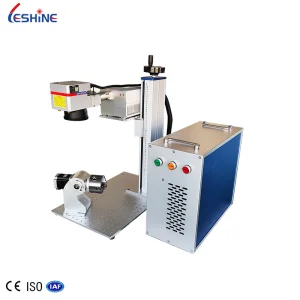
Explore our complete spectrum of online flying batch coders, portable hand-held fiber engravers, and automated PCB/UV laser machinery designed for maximum throughput.
 Kinray Laser