Explore our leading-edge configurations engineered for speed, reliability, and precision marking across materials.
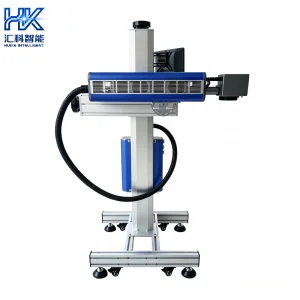
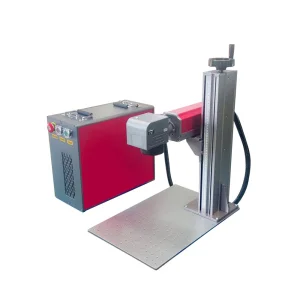
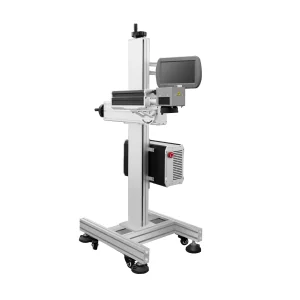

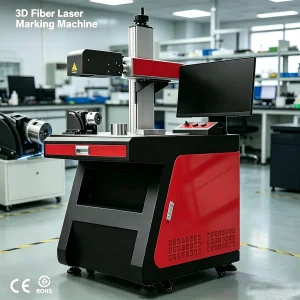
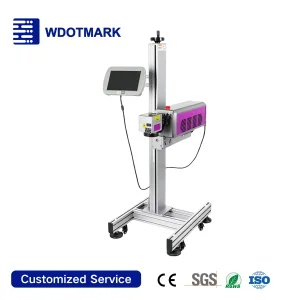
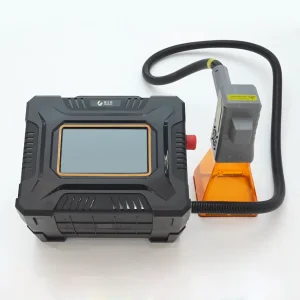
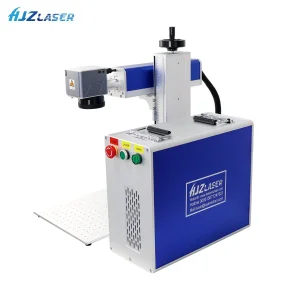
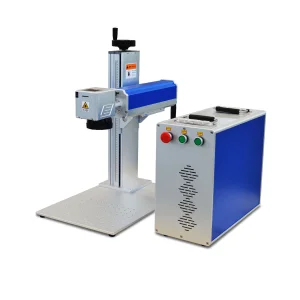
Unlike traditional gantry-based laser engraving tables that mechanical axes traverse, a galvanometer laser marking machine relies on high-speed rotational galvanometer motors containing mirrors to guide the laser beam. This dual-axis galvanometer configuration (comprising X and Y scanning mirrors) allows the laser beam to deviate dynamically within a focused scanning field defined by an F-Theta field lens.
By minimizing the moving mass down to small optical mirrors, galvanometer marking systems achieve positioning speeds often exceeding 7,000 mm/s to 12,000 mm/s. When combined with fiber, UV, or CO2 laser sources, this scan head technology operates with extreme precision—supporting positioning accuracy of less than ±0.001 mm. Industries requiring high throughput, such as semi-conductors, pharmaceutical line packaging, and industrial assembly lines, depend heavily on this latency-free optical solution.
A standard configuration comprises several critical modules:
Hangzhou, China represents a hub of advanced electronic, software, and mechanical supply chains. Kinray Laser leverages this density to deliver high-reliability, custom-engineered equipment.
Positioned in the Yangtze River Delta industrial economic zone, we access components directly from industry leaders like Sino-Galvo, JPT, Raycus, and IPG, maintaining lower manufacturing overheads while retaining component traceability.
Every galvanometer laser marker undergoes a rigorous 72-hour aging and testing process. We optimize beam profile dimensions, scanhead step response curves, and focal consistency to secure zero-failure runtime values.
We provide structural configurations matching customer assembly systems. We customize housings, integrated software interfaces, automation brackets, flying laser layouts, and localized electrical voltage requirements.
Hangzhou Kinray Laser Co., Ltd. is a leading China industrial laser marking machine manufacturer specializing in advanced fiber and UV laser solutions for global manufacturing industries. With a strong focus on innovation, precision, and intelligent manufacturing, Kinray Laser is committed to delivering high-performance laser equipment that improves production efficiency, product traceability, and marking quality.
Located in Hangzhou, China, the company integrates research and development, manufacturing, sales, and technical support to provide comprehensive laser processing solutions for customers worldwide. Our extensive product portfolio includes fiber laser marking machines, UV laser marking machines, CO2 laser marking systems, MOPA laser markers, flying laser marking machines, 3D laser marking equipment, and customized automated laser solutions.
Kinray Laser products are widely used in electronics, automotive, medical devices, precision hardware, jewelry, packaging, aerospace, consumer goods, and industrial manufacturing industries. Designed for high-speed, high-precision, and permanent marking applications, our systems are capable of processing a wide range of materials, including metals, plastics, ceramics, glass, and composite materials.
Equipped with advanced production facilities and rigorous quality management systems, Kinray Laser maintains strict quality control throughout every stage of manufacturing. Each machine undergoes comprehensive testing to ensure stable performance, reliability, and compliance with international standards.
To support global customers, we offer flexible OEM and ODM services for distributors, system integrators, equipment brands, and industrial manufacturers. Our experienced engineering team works closely with customers to develop customized laser solutions tailored to specific production requirements, automation needs, and industry applications.
Driven by technological innovation and customer satisfaction, Hangzhou Kinray Laser Co., Ltd. continues to expand its global presence and strives to become a trusted partner for intelligent laser processing solutions, helping manufacturers achieve smarter, more efficient, and sustainable production.
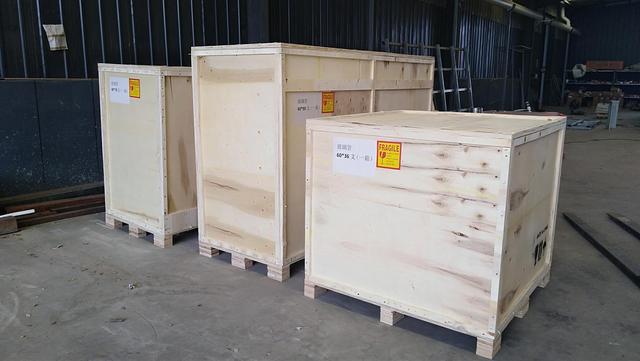
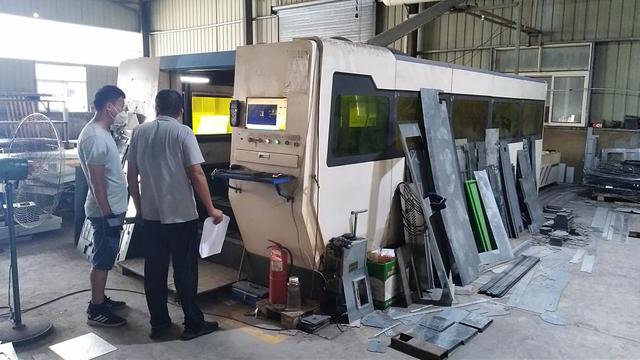
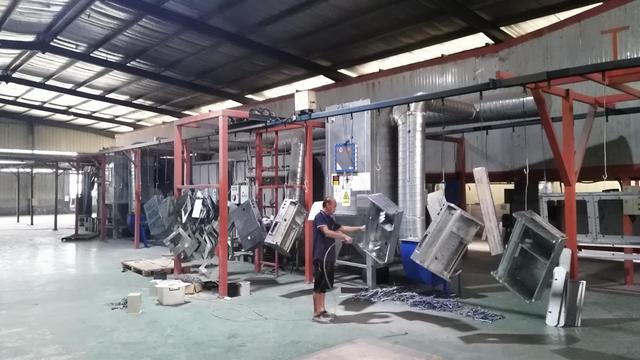
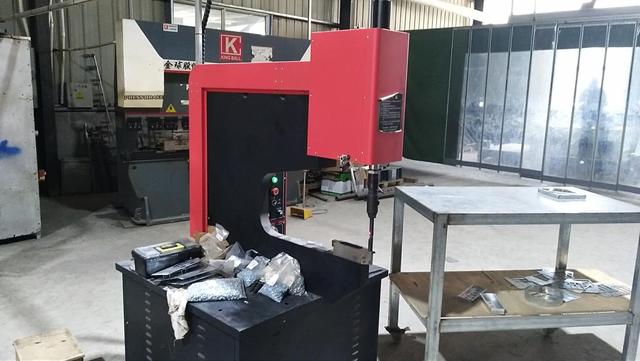
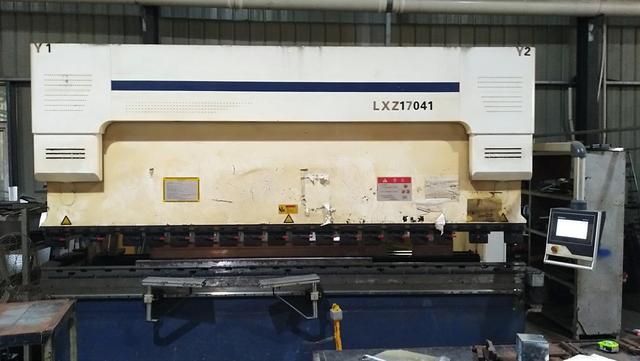
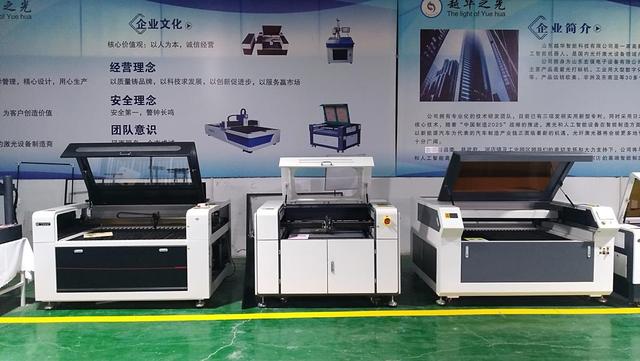
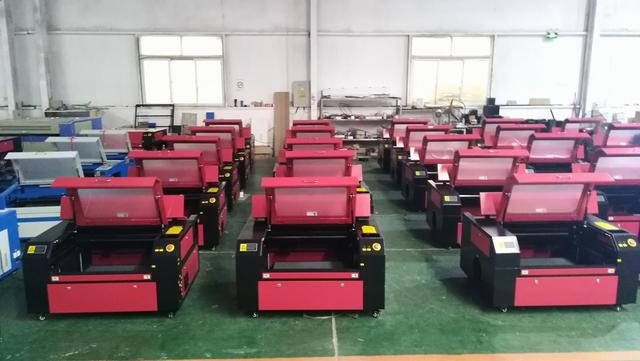
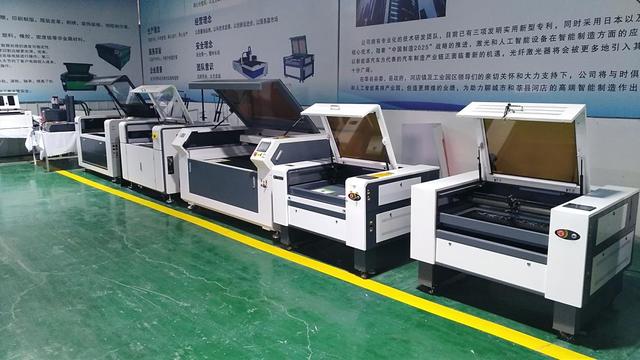
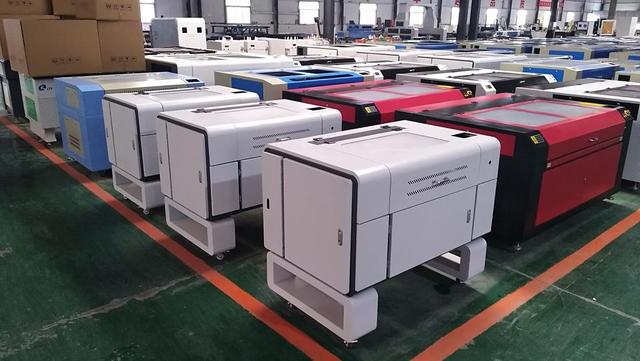
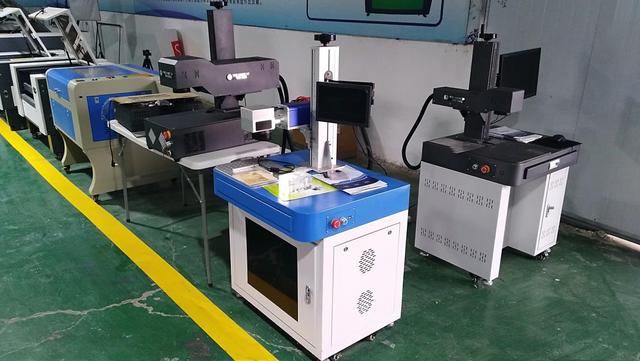
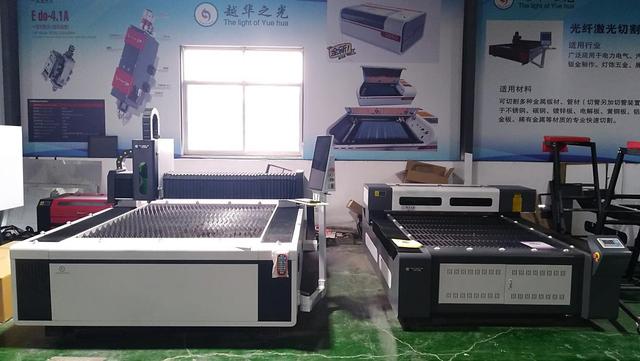
Every machine is verified to meet standard operating criteria designed for high-stress manufacturing environments.
Our customizable laser marking equipment matches the performance needs of various material processes and industries.
With demands for component verification, our fiber and MOPA lasers engrave clear DataMatrix codes on aluminum castings, chassis components, and powertrain elements that resist mechanical wear and heat exposure.
Using our UV and MOPA laser systems, manufacturers execute passivation-safe, high-contrast markings on surgical tools and implants (such as titanium rods or surgical steel) that meet strict FDA Unique Device Identifier (UDI) regulations.
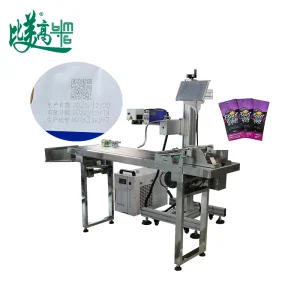
Integrating CO2 and UV flying laser markers directly onto beverage container and canning lines yields reliable date codes, batch serialization, and QR codes at velocities exceeding hundreds of units per minute.
Advancements driving procurement strategies in laser marking include:
The global manufacturing sector is shifting toward smart, networked environments. Modern galvanometer laser marking machines are no longer standalone systems; they are key parts of the Industrial Internet of Things (IIoT). Modern galvanometer markers communicate with Manufacturing Execution Systems (MES) via standard protocols to load marking templates based on physical barcode scans upstream.
Additionally, 3D laser marking—powered by three-axis galvanometer heads containing a z-axis linear translator—allows for marking complex geometries like steps, slopes, cylinders, and free-form surfaces without physical focal re-adjustments. This enables product marking on complex industrial components without requiring multi-axis rotary tables.
Evaluate critical optical and electrical parameters to match your specific production requirements.
Choose Fiber (1064nm) for metals and hard engineering plastics; UV (355nm) for heat-sensitive plastics, glass, and thin films where thermal distortion must be minimized; or CO2 (10.6µm) for organic substrates like wood, paper, and acrylics.
MOPA (Master Oscillator Power Amplifier) systems offer adjustable pulse widths (from 2ns to 500ns) and frequency options. This enables color marking on stainless steel, high-contrast dark markings on anodized aluminum, and reduced thermal damage on sensitive plastics.
Standard machines support files in PLT, DXF, BMP, and AI formats. For automated lines, choose systems supporting Modbus, TCP/IP, or custom serial protocols to facilitate integration with PLCs and factory information systems.
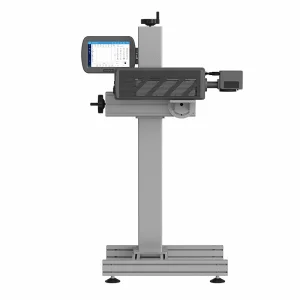
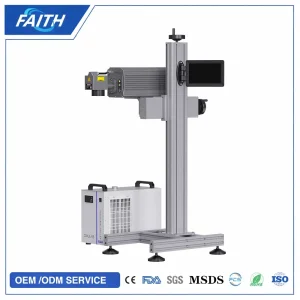
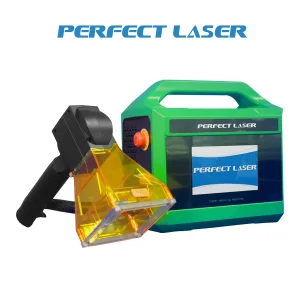
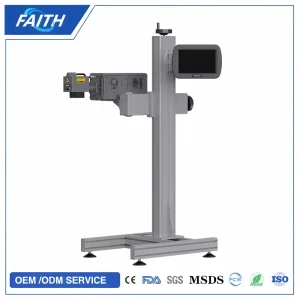
Explore our high-speed, integrated solutions built for production lines and automated setups.


Answers to common technical and procurement questions about galvanometer laser marking systems.
The primary advantage is speed. A galvanometer system uses low-inertia mirrors driven by high-speed rotary motors, allowing marking speeds up to 12,000 mm/s. Flatbed gantry systems move the entire laser tube or focusing head mechanically, limiting speed but offering larger processing areas.
Use UV lasers (355nm wavelength) for "cold marking" applications where thermal damage must be avoided. This is essential for thin plastics, glass, medical packaging, and electronic components. Fiber lasers (1064nm) are better suited for metals, ceramics, and thick engineering plastics due to their higher heat deposition.
Yes. Our systems support standard EZCAD-based and advanced proprietary platforms. We provide software development kits (SDKs) and DLLs for integration with MES databases, barcode verification systems, automated PLC networks, and customized user interfaces.
Solid-state fiber laser engines have a mean time between failures (MTBF) of approximately 100,000 operating hours under clean environmental conditions. The primary maintenance required is periodic cleaning of the F-Theta protective glass and verification of the extraction filter system.
Yes. We offer 3D galvanometer systems that utilize a dynamic focusing axis to adjust the focal distance dynamically. This allows marking on cylinders, spheres, inclined planes, and complex geometries without requiring mechanical rotation.
Our online flying laser markers interface with rotary encoders and photoelectric sensors. The encoder measures the exact conveyor speed, allowing the control card to calculate and adjust the marking positions dynamically, ensuring distortion-free marking at variable line speeds.
 Kinray Laser