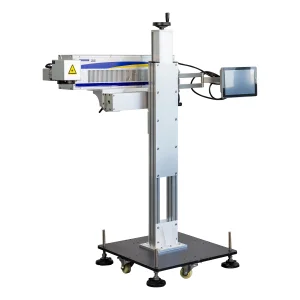
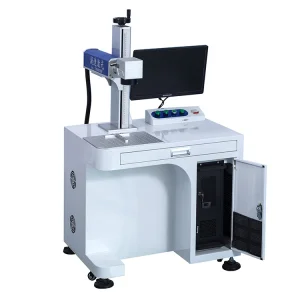
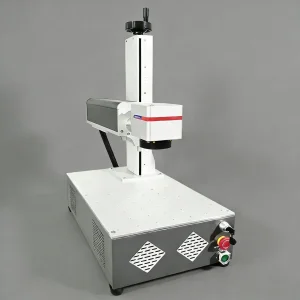
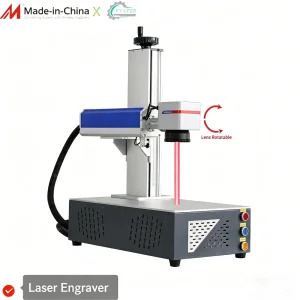
Explore our leading industrial-grade laser marking, engraving, and automated coding systems engineered for zero-defect integration.
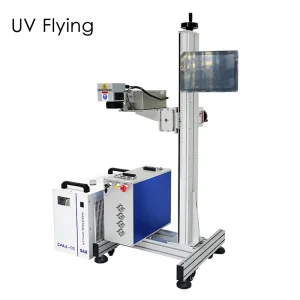
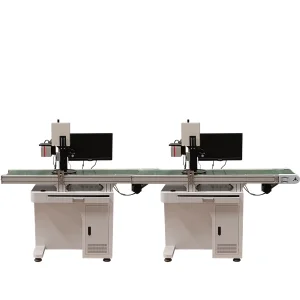
Hangzhou Kinray Laser Co., Ltd. stands as a premier architect of industrial laser system design, serving as an authority in high-performance fiber, UV, CO2, and MOPA laser marking innovations. Nestled in the technology hub of Hangzhou, China, our operations integrate rigorous in-house R&D, advanced material engineering, structural fabrication, and comprehensive QA testing. We build customized laser technologies engineered to empower manufacturing lines globally, ensuring permanent traceability, extreme cycle speed, and compliance with the most stringent industrial directives.
In today's fast-evolving industrial landscape, a cookie-cutter approach to marking is no longer sufficient. Custom OEM laser tool development requires a master-level understanding of both beam-material interaction physics and automated mechanical integration. Kinray Laser fills this specialized void. We provide industrial distributors, tier-one manufacturers, and system integrators with customizable optomechanical configurations and SDK platforms that seamlessly adapt to proprietary software, assembly stations, and high-volume packaging lines.
"Our commitment goes beyond assembling hardware. Kinray Laser executes complex optical physics calculations, material characterizations, and real-time vision inspection alignments to build tools that outperform standard legacy markers by up to 40% in duty-cycle longevity."
Analyzing the shift in high-speed factory automation, material innovations, and precision engineering criteria.
The manufacturing transition from CO2/Fiber to 355nm UV "cold source" systems prevents physical alteration to sensitive materials. This is highly demanded in pharmaceutical packaging, multilayer medical tubes, and delicate electronics.
Global mandates (e.g., EU MDR, FDA UDI, automotive component tracking standards) force procurement teams to demand zero-fade marking technologies capable of engraving micro-QR codes onto medical tools and structural alloys.
Modern assembly lines no longer accept blind marking. Modern configurations demand integrated "mark-and-read" loops where CCD vision systems align the beam, execute the mark, inspect the contrast, and verify the OCR data in real-time.
Procuring custom industrial laser marking systems involves identifying and resolving several bottleneck points: duty-cycle requirements, mechanical envelope size, cooling configurations, software API flexibility, and local safety compliance. As a dedicated OEM supplier, Kinray Laser engineers solutions that bypass common integration failures by addressing three major requirements:
How Kinray Laser bridges hardware engineering with practical application requirements across key global sectors.
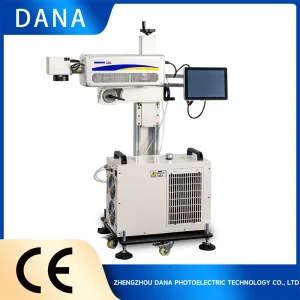
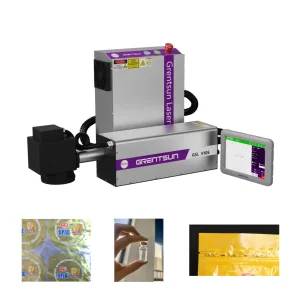
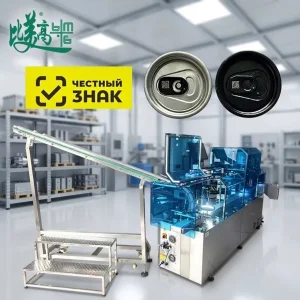
High-capacity packaging lines running at line speeds above 250 meters per minute demand ultra-fast galvo scanners and highly optimized laser sources. For plastics (like PET, HDPE, PP) and glass containers, Kinray Laser delivers online flying UV laser coding solutions. These configurations perform high-contrast marking of QR codes, manufacturing timestamps, and lot numbers on the fly. This eliminates consumables (inks, solvents), reduces corporate carbon footprints, and prevents barcode smearing.
Automotive components endure high thermal friction, chemical washes, and abrasive exposure. For these parts, 100W to 200W high-power MOPA fiber laser marking systems offer structural depth engraving on structural alloys, anodized aluminum, and carbon steels. The customizable pulse duration of MOPA lasers (adjustable from 2ns to 500ns) allows engineers to control the heat input. This produces high-contrast black markings on aluminum components without compromising the underlying structural temper of the alloy.
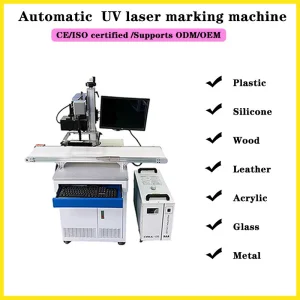
Sensitive semiconductor substrates, PCBs, and medical device microchips are susceptible to electrostatic discharge (ESD) and thermal micro-cracking. Kinray’s 355nm UV cold laser marker delivers ultra-short pulses that break organic chemical bonds directly instead of melting the material. This cold photoablation process restricts the Heat Affected Zone (HAZ) to a few micrometers. This protects internal micro-circuitry from thermal failure while producing high-contrast, permanent labeling.
For engineering firms building automated production lines, the interface protocol determines project speed. Kinray's integration units use Sino-Galvo high-speed scanners combined with CCD cameras. This provides on-axis/off-axis optical visual feedback. This enables automated systems to calculate positioning offsets in 3-dimensional space, dynamically update the focal plane (3D z-axis adjustments), and execute precise engraving on irregular surfaces without mechanical fixtures.
Kinray Laser’s long-term product roadmap focuses on three pillars: laser source optimization, vision intelligence, and IoT-driven remote performance monitoring. By incorporating these innovations into our development process, we ensure that our OEM customers receive future-proof equipment that integrates seamlessly into evolving smart factory environments.
Transitioning from nanosecond pulses to femtosecond and picosecond pulse structures. This allows for precision micro-machining of advanced polymers, sapphires, and optical components with virtually zero thermal influence.
Integrating deep learning models directly into marking software. This allows the system to analyze code contrast, grading quality (according to ISO/IEC 15415/16022), and automatically adjust beam properties to maintain process control.
Equipping laser controllers with diagnostic sensors that track diode current, internal humidity, temperature, and scanner mirror health. This enables predictive maintenance scheduling before line failures occur.
We recognize that global procurement demands rigorous compliance with international safety protocols. All Kinray Laser machinery carries certified CE declarations and conforms to Class 1 or Class 4 laser safety parameters depending on design requirements. We protect operators by using certified safety glass shielding, interlocked enclosures, and integrating emergency-off loops directly into manufacturing line safety controls.
To support global distributors and system integrators, Kinray provides dedicated technical training, comprehensive operation manuals, and real-time remote diagnostics support. Whether resolving setup questions or optimizing processing parameters for new substrates, our applications laboratory ensures your operations maintain peak productivity.
Every unit we manufacture undergoes extensive testing, including long-term stability trials, electrical safety checks, and beam profiling, ensuring top-tier performance on the production floor.
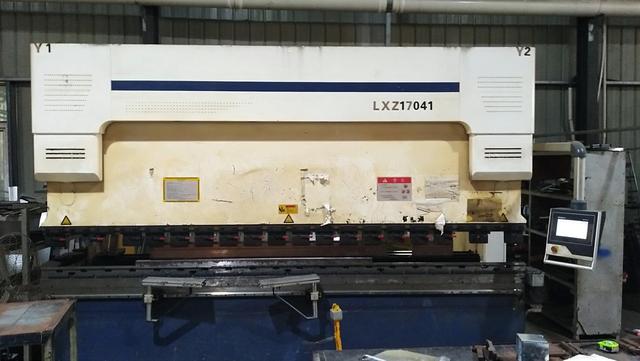
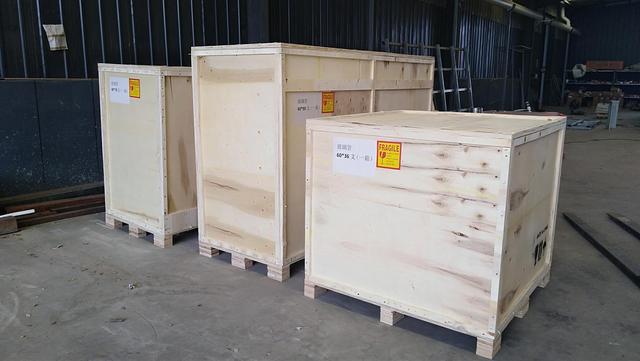
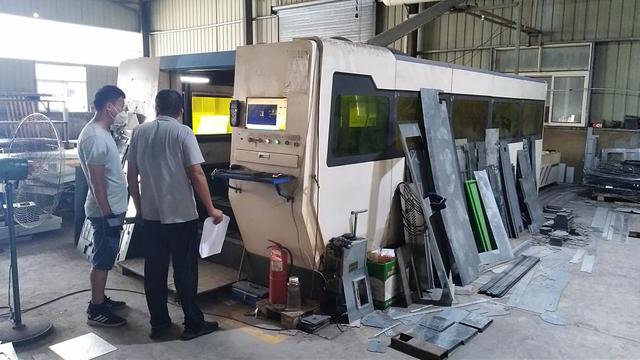
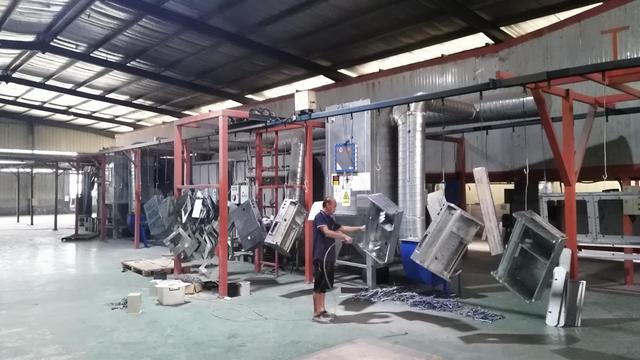
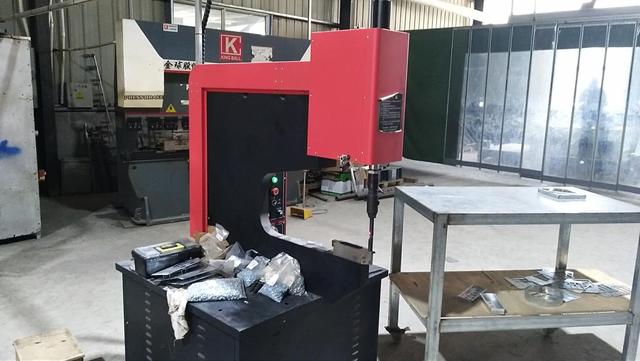
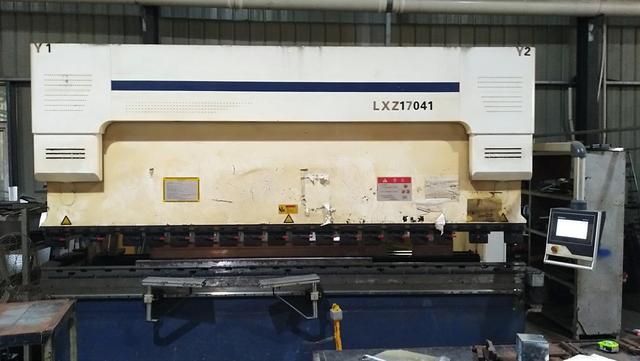
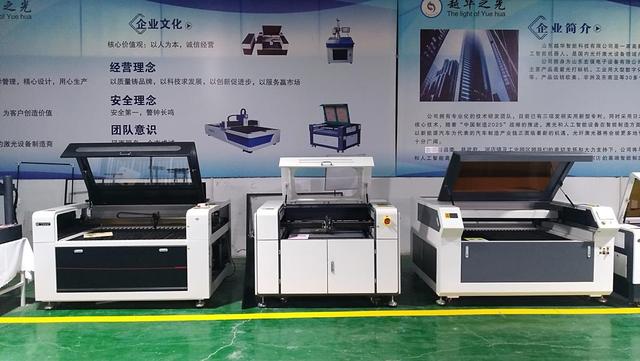
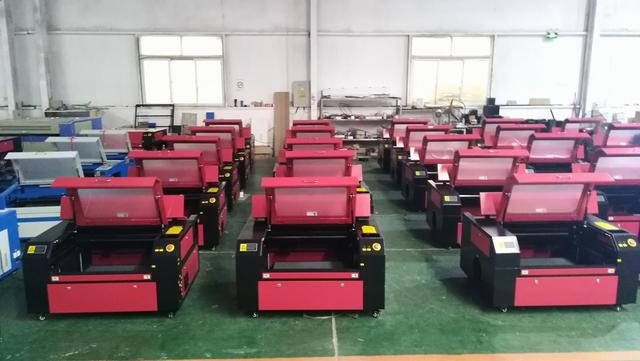
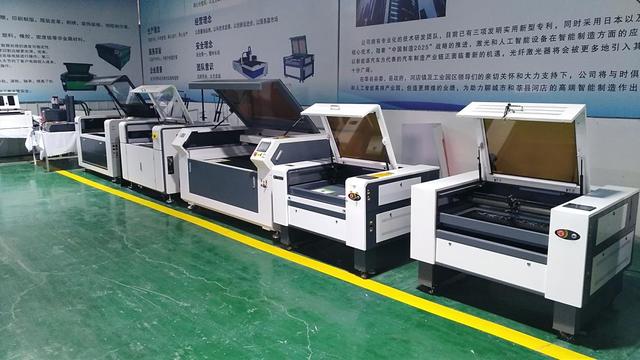
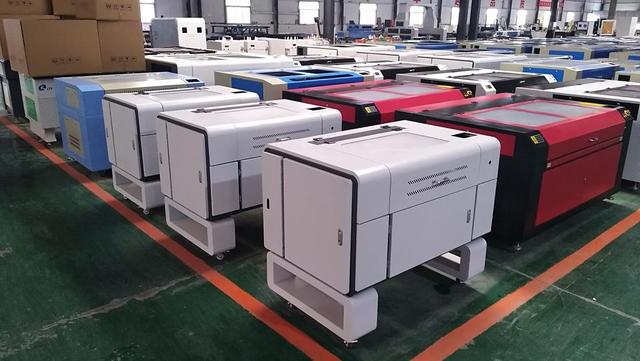
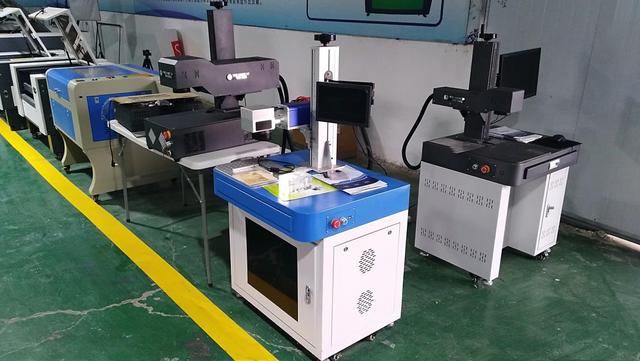
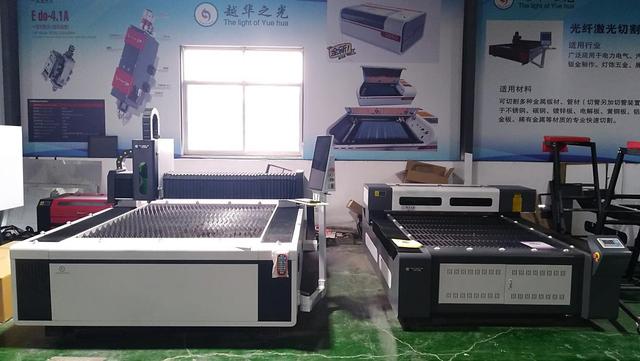
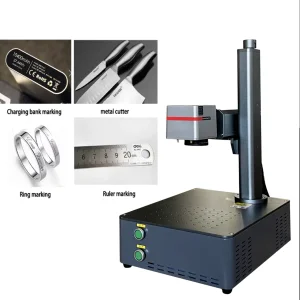
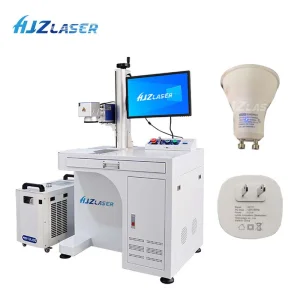
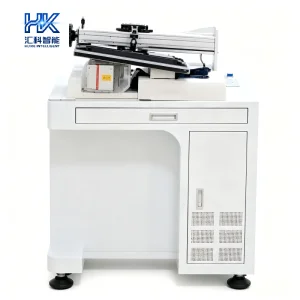
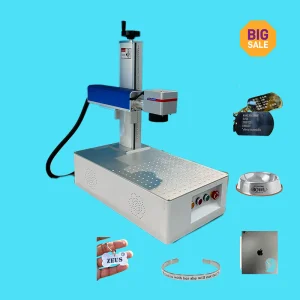
Highly integrated MOPA systems, desktop configurations, automatic focus units, and specific industrial manufacturing systems.
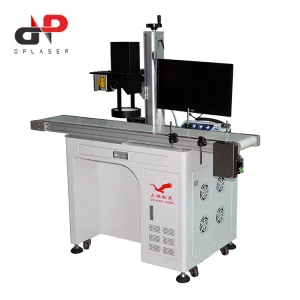
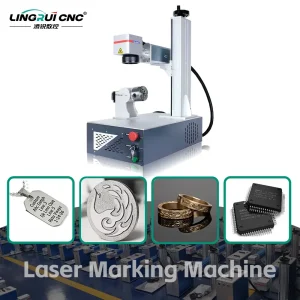
Industrial answers to common engineering, integration, and operational questions about laser marking.
 Kinray Laser