An authoritative analysis of fiber laser evolution, OEM/ODM integration, and technological growth drivers globally.
The industrial landscape is undergoing a massive transformation, driven by demands for precision, repeatability, and micro-tolerance processing. At the core of this transition are Fiber Laser Solutions, which have rapidly supplanted traditional mechanical engraving and legacy gas-discharge lasers. As modern production systems rely on integrated IoT frameworks, the need for agile OEM/ODM laser configurations has intensified. Global OEMs require laser sources that offer superior electro-optical conversion efficiency, unmatched beam quality ($M^2 < 1.3$), and a long lifetime exceeding 100,000 operational hours.
For custom engineering and system exporters, the challenge lies not only in generating the light but in manipulating it. From MOPA (Master Oscillator Power Amplifier) setups allowing adjustable pulse durations, to sub-nanosecond ultraviolet (UV) systems designed for damage-free cold ablation of plastics and medical devices, the diversity of industrial needs demands deep customization capabilities.
Key vector shifts in high-power applications, smart vision integration, and sustainable manufacturing.
The reliance on manual jig alignments is fading. Modern production lines utilize high-resolution CCD camera tracking and proprietary alignment algorithms. Lasers can now identify position deviations, adjust marking trajectories on the fly, and achieve micro-level positioning for PCBA, consumer electronics, and medical implants.
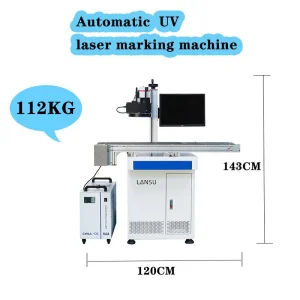
A single wavelength no longer suffices. Modern systems integrate 1064nm IR fiber lasers, 355nm UV sources, and 10600nm CO2 lasers under a unified interface. This enables seamless materials switching, allowing companies to process reflective metals, polymers, wood, and glass with one production asset.
Environmental policies dictate carbon neutrality. High electro-optical conversion efficiency (up to 35% compared to just 5-10% of CO2 gas lasers) reduces factory power usage, eliminates chemical solvents, and offers a clean alternative to ink-based continuous inkjet (CIJ) coding solutions.
Procuring industrial laser technology is a multi-layered process. For global manufacturers and international distributors, evaluating equipment exporters hinges on three primary core benchmarks: reliability, integration flexibility, and long-term cost optimization.
Our research shows that procurement teams prioritize suppliers who offer complete component documentation (e.g., source calibration from IPG, Raycus, or JPT, alongside galvo scanner parameters). Furthermore, system compatibility with existing PLCs, fieldbus networks (EtherCAT, PROFINET), and safety features (Interlock setups, Class 1 enclosure compliance) is critical for integration into modern automotive and aerospace production lines.
Working with a dedicated OEM/ODM manufacturer allows buyers to customize the physical envelope of the laser head, adjust the cooling apparatus (air vs. water), and write custom scripts within software systems like EzCad or LightBurn. This level of customization ensures that the final equipment matches the exact physical space and cycle times of their facility.
Why leading global manufacturers choose Hangzhou Kinray Laser for advanced industrial integration.
Hangzhou's manufacturing hub provides rapid access to high-performance optics, precision components, power supplies, and structural frames. This cluster reduces production lead times by up to 40% compared to Western manufacturers.
Every laser system undergoes strict burn-in procedures, including continuous power profiling, thermal camera imaging, stability tests, and vibrational analysis. This guarantees trouble-free startup upon delivery.
Operating a seamless logistics architecture, we assist with customs clearances, duty optimizations, and regional safety approvals. This ensures your customized laser equipment arrives safely, ready to run.
How our custom laser systems integrate with specific materials and manufacturing setups.
High-contrast, permanent tracking is non-negotiable for automotive safety parts. Our fiber laser solutions create deep-etched or annealed Datamatrix codes directly on cast iron, hardened steel, and structural aluminum. The marking remains legible after sandblasting, heat treating, or powder coating.
Surgical instruments and implants require high-contrast markings that won't compromise the material's corrosion resistance. Using our high-frequency MOPA fiber lasers, we achieve dark black annealing on stainless steel without breaching the passivation layer, preventing rust during autoclave sterilization.
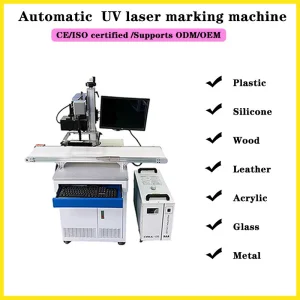
With high density and fragile silicon substrates, traditional laser markers pose a risk of thermal shock. Our 355nm UV laser marking systems provide "cold marking" capabilities, avoiding micro-cracks on chips and multi-layer PCBs while maintaining clean edge definitions.
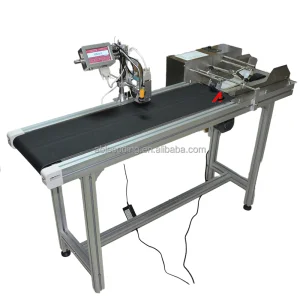
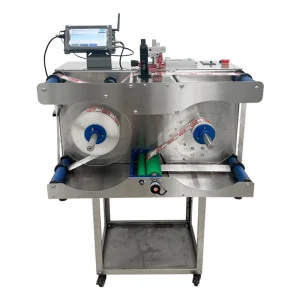
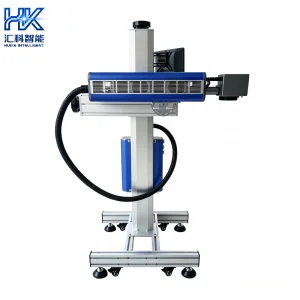
For consumer packaged goods and pharmaceuticals, our high-speed flying CO2 and UV laser setups integrate directly with continuous packaging lines. They enable on-the-fly, high-speed serialization of barcodes, batch codes, and expiration dates on carton boxes, PET bottles, and thin films.
| Material | Recommended Laser | Typical Result |
|---|---|---|
| Stainless Steel | MOPA Fiber (IR) | Dark Annealing / Color |
| ABS / HDPE | 355nm UV Laser | High-Contrast Dark Marker |
| Glass / Acrylic | 9.3/10.6um CO2 | Frosted Engraving |
| Anodized Alum. | Standard Q-Switched | Layer Stripping (White) |
An established industry pioneer delivering precision, productivity, and tailored OEM/ODM support.
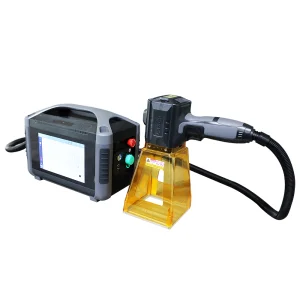
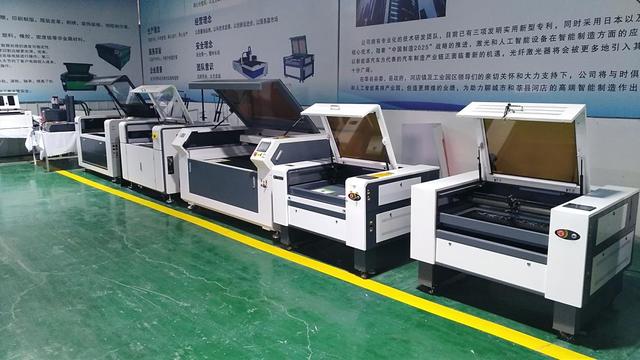
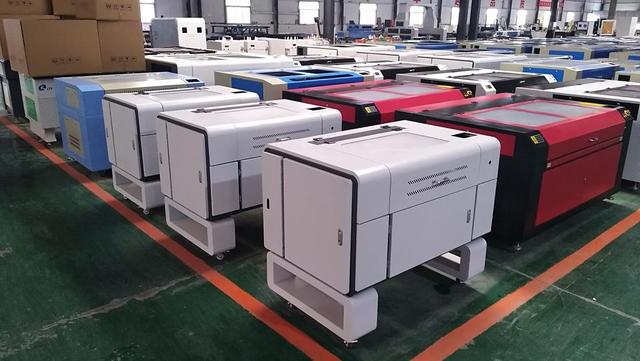
Hangzhou Kinray Laser Co., Ltd. is a leading China industrial laser marking machine manufacturer specializing in advanced fiber and UV laser solutions for global manufacturing industries. With a strong focus on innovation, precision, and intelligent manufacturing, Kinray Laser is committed to delivering high-performance laser equipment that improves production efficiency, product traceability, and marking quality.
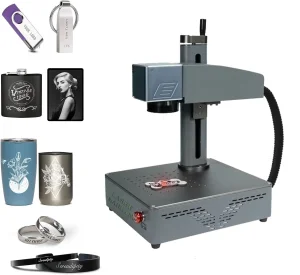
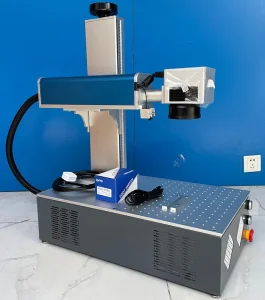
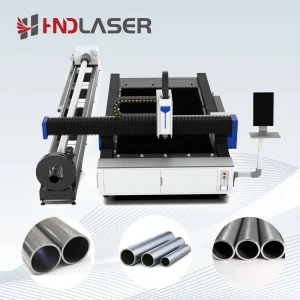
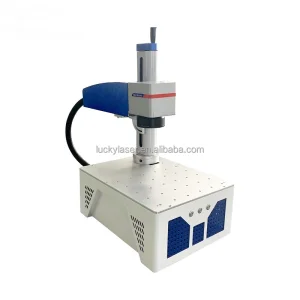
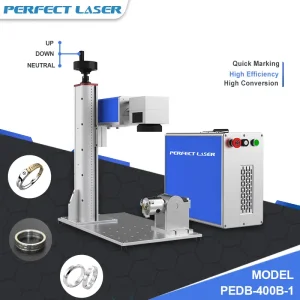
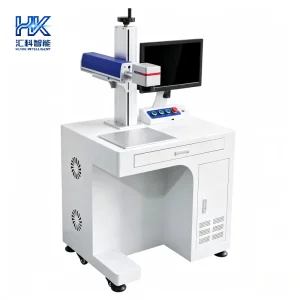
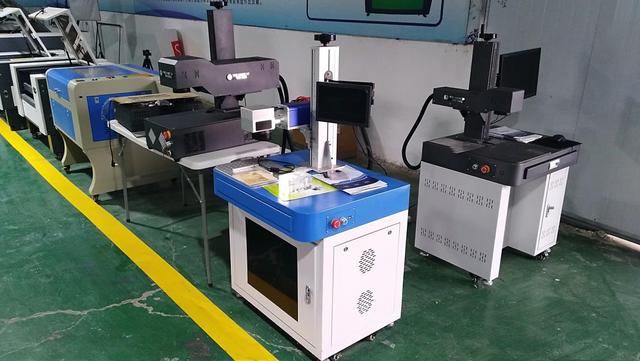
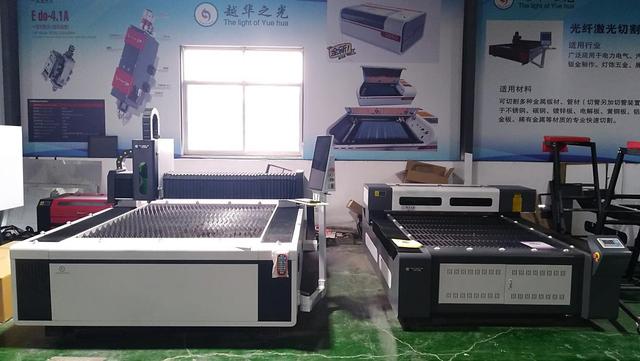
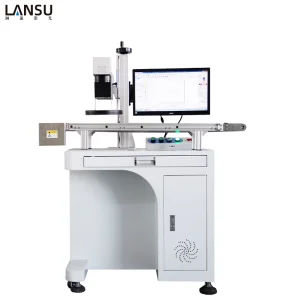
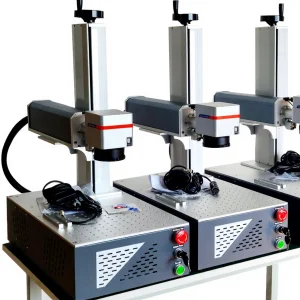
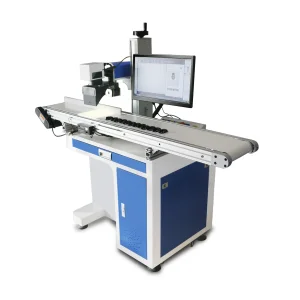
Located in Hangzhou, China, the company integrates research and development, manufacturing, sales, and technical support to provide comprehensive laser processing solutions for customers worldwide. Our extensive product portfolio includes fiber laser marking machines, UV laser marking machines, CO2 laser marking systems, MOPA laser markers, flying laser marking machines, 3D laser marking equipment, and customized automated laser solutions.
Kinray Laser products are widely used in electronics, automotive, medical devices, precision hardware, jewelry, packaging, aerospace, consumer goods, and industrial manufacturing industries. Designed for high-speed, high-precision, and permanent marking applications, our systems are capable of processing a wide range of materials, including metals, plastics, ceramics, glass, and composite materials.
Equipped with advanced production facilities and rigorous quality management systems, Kinray Laser maintains strict quality control throughout every stage of manufacturing. Each machine undergoes comprehensive testing to ensure stable performance, reliability, and compliance with international standards.
To support global customers, we offer flexible OEM and ODM services for distributors, system integrators, equipment brands, and industrial manufacturers. Our experienced engineering team works closely with customers to develop customized laser solutions tailored to specific production requirements, automation needs, and industry applications.
Driven by technological innovation and customer satisfaction, Hangzhou Kinray Laser Co., Ltd. continues to expand its global presence and strives to become a trusted partner for intelligent laser processing solutions, helping manufacturers achieve smarter, more efficient, and sustainable production.
Expert technical insights regarding industrial laser configurations, installation, and custom project execution.
Q-switched fiber lasers generate fixed pulse durations, making them ideal for heavy metal marking, deep engraving, and rust removal. MOPA (Master Oscillator Power Amplifier) fiber lasers offer adjustable pulse durations (ranging from 1ns to 500ns). This adaptability enables precise control over heat generation, allowing for color marking on stainless steel, black marking on anodized aluminum, and safe marking on delicate plastics.
Our quality control process includes checking incoming components (sources, galvos, lenses, power supplies), performing rigorous alignment verification, running 48-hour continuous aging tests, and conducting final test burns on customer-provided material samples. Detailed test logs are archived for traceability.
UV lasers operate at 355nm, which utilizes a photo-chemical "cold-marking" process. The high photon energy breaks molecular bonds within the target material without generating significant heat. This prevents charring, burning, and micro-fractures, making it suitable for thin polymers, medical plastics, glass, and PCBs where thermal stress must be avoided.
Our systems support multiple integration protocols, including standard digital I/O handshakes, RS-232/RS-485 serial communication, and fieldbuses such as Modbus, TCP/IP, and EtherCAT. We also provide full SDKs and APIs for custom software developments and SCADA interfaces.
Standard machines are processed and shipped within 7 to 10 working days. Custom OEM/ODM configurations, including custom mechanical frames, automated part feeding, and tailored optics, typically take 3 to 5 weeks from initial CAD design approval to final testing.
Yes. All exported laser systems comply with CE safety regulations (EN 60825-1) and FDA CDRH standards. Safety features like safety interlocks, emergency stop buttons, and Class 1 laser protection enclosures are available to ensure workplace compliance.
Generally, no. Standard 1064nm fiber lasers pass directly through clear glass and do not react with wood, making them inefficient for these surfaces. Glass and wood are best processed with a CO2 laser (10600nm) or, for micro-engravings on glass, a UV laser (355nm).
We provide comprehensive remote diagnostics, video training resources, and modular spare parts packages to minimize downtime. For qualified distributors and system integrators, we offer technical training programs to establish regional support centers.

 Kinray Laser