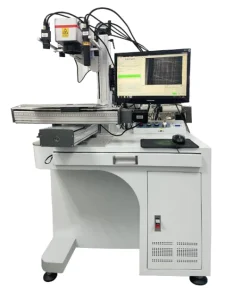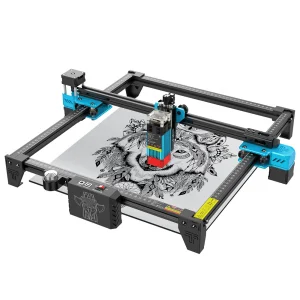
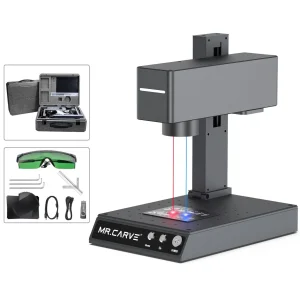
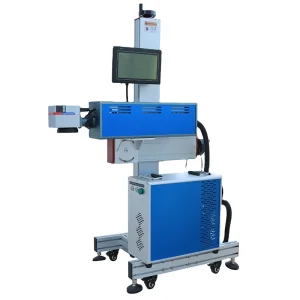
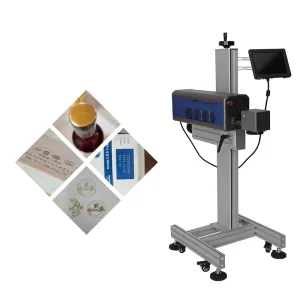
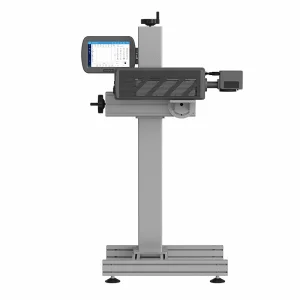
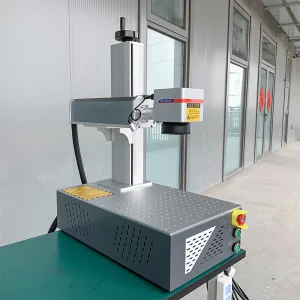
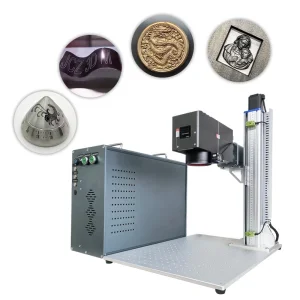
The industrial marking and micro-processing landscape has undergone a tectonic shift over the past decade. Driven by the demands of Industry 4.0, laser marking systems are no longer isolated stand-alone tools; they have transitioned into fully integrated, intelligent traceability terminals. The demand for sub-micron precision, dynamic on-the-fly execution, and zero-defect quality control protocols has propelled technology beyond simple vector tracing to advanced thermal engineering and automated vision systems.
Modern manufacturing requires laser architectures that are optimized for material specificity. This has catalyzed the refinement of three primary laser types:
Providing high-contrast marking on metals, alloys, and engineered plastics, MOPA lasers allow pulse duration tuning (1ns to 350ns) to control heat input and prevent structural degradation.
Utilizing a "cold processing" technique that destroys molecular bonds directly without generating thermal stress. Crucial for semiconductor wafers, ultra-thin polymer films, and medical devices.
Operating in the mid-to-far infrared spectrum (9.3µm to 10.6µm), optimizing light absorption on non-metallic surfaces like glass, wood, rubber, organic textiles, and PET packaging.
"The core value in modern laser engineering is no longer just the laser source power. It resides in the synchronization software, the galvanometer response time, and the optical integrity of the f-theta lensing systems."
B2B procurement agents and system integrators face complex decisions when sourcing laser equipment. Key compliance standards like CE, FDA (CDRH 21 CFR Class 4 and Class 1 enclosures), and UL certifications are essential for market access. Precision-driven industries such as aerospace, medical device manufacturing, and electronics assembly demand traceability records that guarantee repeatable pulse energy stability, low jitter rates, and drift-free galvo performance under prolonged thermal cycles. Sourcing teams prioritize modular designs that seamlessly integrate with conveyor protocols, PLC interfaces (via Profinet, EtherCAT, or RS232), and centralized ERP software databases for dynamic data serialization.
Hangzhou Kinray Laser Co., Ltd. stands at the vanguard of China’s intelligent manufacturing evolution. Leveraging a robust regional industrial ecosystem and a highly specialized domestic supply chain, Kinray Laser combines cost-efficiency with uncompromising engineering standards. By vertically integrating R&D, structural design, optical assembly, and quality testing under one roof, we guarantee short lead times, robust quality assurance, and deep hardware customization.
Our commitment to engineering excellence and lean supply principles offers global buyers several key advantages:
Years of Engineering R&D
Countries Exported To
Optical Alignment Accuracy
Global Industrial Support
To optimize performance and investment return, laser marking parameters must match the specific properties of the target material. Minor deviations in wavelength absorption, laser frequency, or marking speed can lead to surface micro-cracking, poor contrast, or thermal distortion.
The electronics manufacturing sector requires dense, high-resolution marking on flame-retardant substrates (like FR4) and delicate silicon surfaces. Using UV lasers (355nm) prevents copper oxidation and substrate delamination. Integration with inline SMT systems allows automated PCB barcode marking to support complete component-level traceability.
Surgical implants, surgical instruments, and medical-grade polymers require permanent markings that resist repeated sterilization and chemical exposure. MOPA fiber lasers generate high-contrast passivation layers on stainless steel and titanium without altering corrosion resistance or surface smoothness.
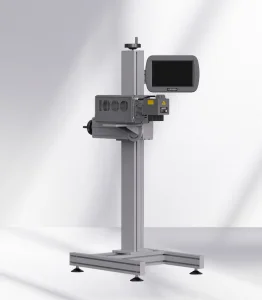
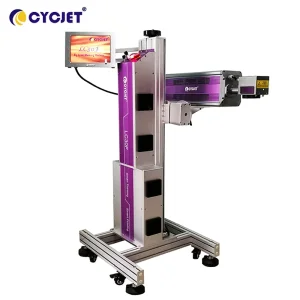
Beverage and pharmaceutical packaging lines require real-time, high-speed date and lot code printing. Flying CO2 laser coders and fiber markers operate continuously on high-speed lines, delivering permanent, smudge-proof marks on PET bottles, glass containers, and paperboard packaging.
At Hangzhou Kinray Laser Co., Ltd., we offer structured OEM/ODM collaboration pathways tailored to distributors, integrators, and equipment brands. Our capabilities include custom mechanical configurations, localized software interfaces, and tailored electrical components designed for seamless line integration.
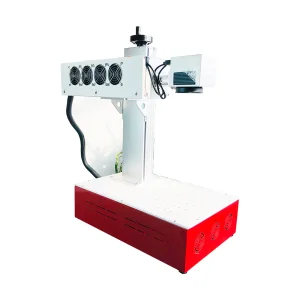
Standard Q-switched fiber lasers have fixed pulse widths (typically 100-120ns), which limits control over heat input. MOPA (Master Oscillator Power Amplifier) lasers allow adjustable pulse widths (1ns to 350ns). This flexibility allows for precise heat management, making MOPA lasers ideal for marking delicate plastics, anodizing aluminum, and creating high-contrast colors on stainless steel.
We source premium optical components and implement rigorous manufacturing standards. Every laser source undergoes continuous, full-power stability testing for 72 hours before assembly. Additionally, our dust-controlled optical alignment rooms and integrated temperature sensors prevent thermal drift and protect optical surfaces from environmental degradation.
Yes. Our systems feature open communication protocols and support SDK development. The marking control software supports TCP/IP, Modbus, and serial communication protocols. This allows our marking systems to receive dynamic data (such as serial numbers, timestamps, and batch codes) directly from MES or ERP systems in real time.
All of our systems carry CE certification. For the US market, we construct Class 1 laser systems that feature fully interlocked, light-tight enclosures to comply with FDA (CDRH 21 CFR) Class 1 safety protocols. We also offer Class 4 open systems with dedicated safety interlock interfaces for integration into automated production lines.
For standard systems with minor customized modifications, lead times generally range from 7 to 10 working days. For complex, fully automated ODM projects that require custom structural design, vision systems, or specialized PLC programming, the lead time is typically 20 to 35 working days, which includes structural validation and safety testing.
We provide comprehensive technical support, including detailed video tutorials, interactive diagnostic software, and direct video support with our engineering team. We also maintain a stock of critical spare parts (such as replacement scan heads, lenses, and power supplies) to ensure rapid dispatch and minimize downtime for our customers.
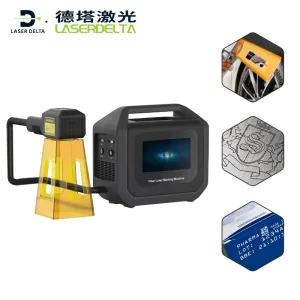
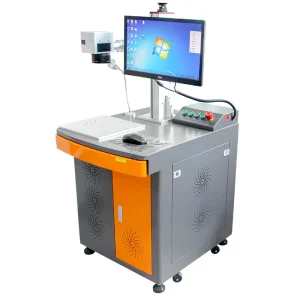
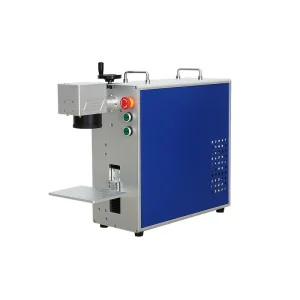
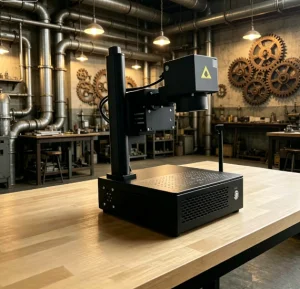
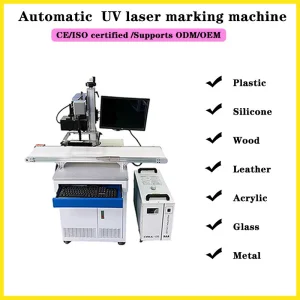
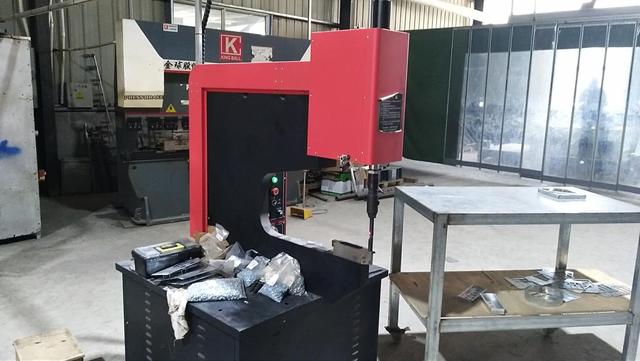
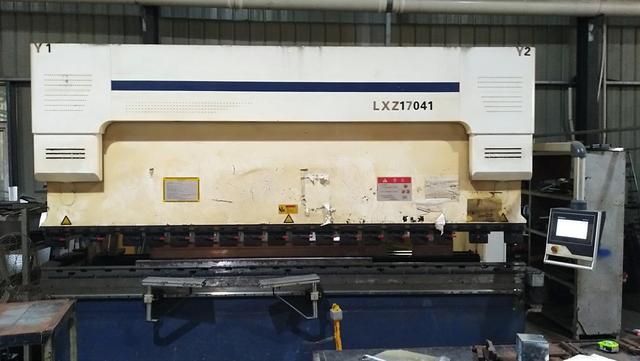
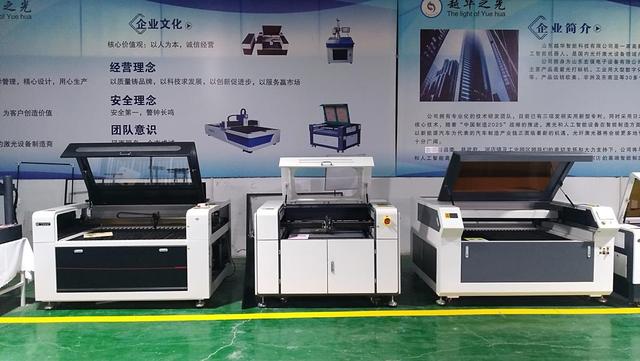
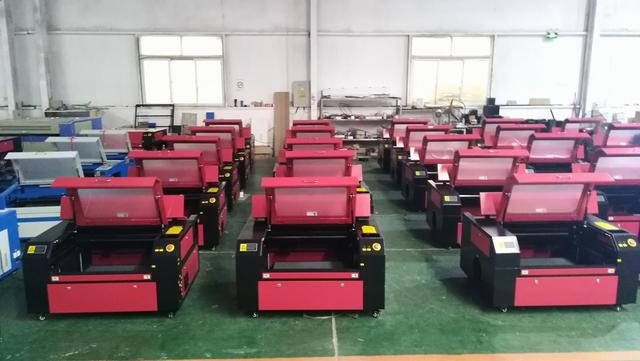
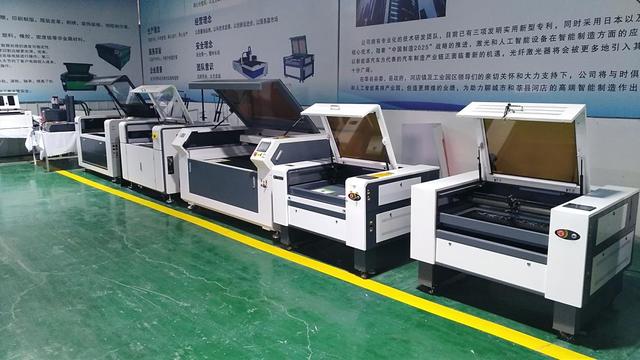
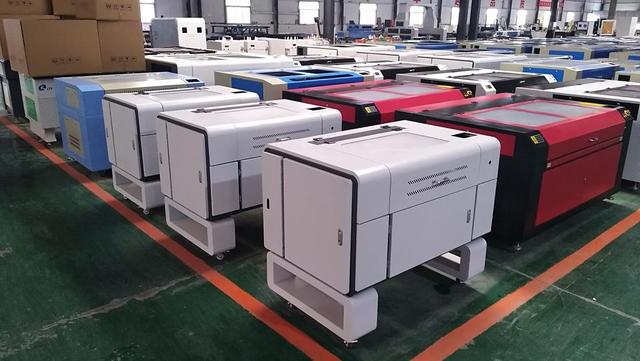
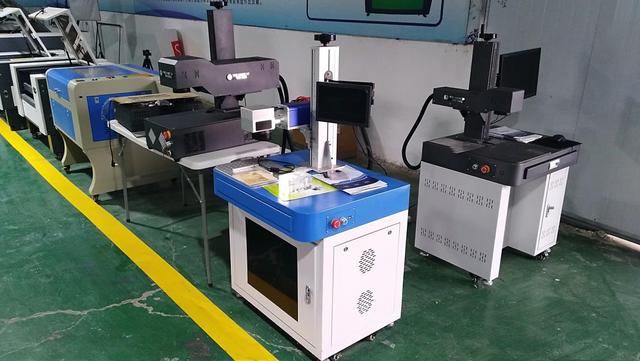
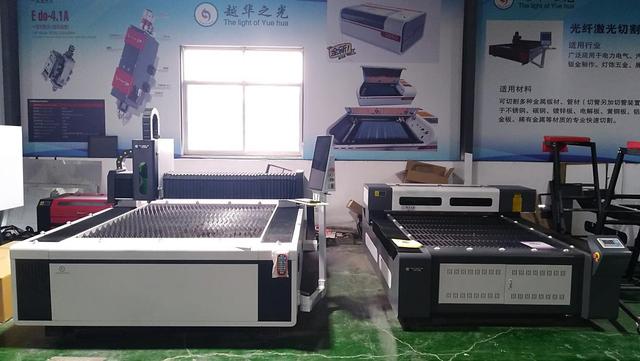
Hangzhou Kinray Laser Co., Ltd. operates a highly standardized production facility located in Hangzhou, China. Our operation integrates advanced optical physics research, precision manufacturing, electrical assembly, and multi-tier quality control systems. Our team is dedicated to designing high-performance laser machinery that meets the evolving demands of global industrial manufacturing.
Our systems process a wide range of materials, including titanium, carbon steel, engineering plastics, technical ceramics, sapphire glass, and multi-layer polymer films. Our engineering design focuses on two core priorities: optimizing beam propagation paths to minimize optical loss, and providing robust mechanical enclosures to ensure long-term stability and worker safety.
At Kinray Laser, our R&D roadmap is guided by industrial requirements: achieving high marking speeds, maintaining micro-precision under demanding thermal conditions, and offering structural designs that integrate easily with automated factory lines.
We work closely with global distributors, manufacturing plants, and OEM brand partners. By combining standard optical designs with flexible integration configurations, we provide customizable solutions that allow our partners to deploy reliable, high-performance laser systems tailored to their specific needs.
 Kinray Laser