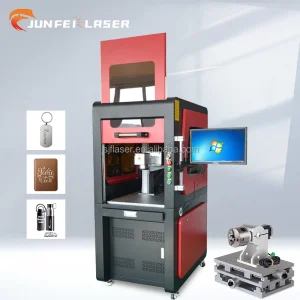

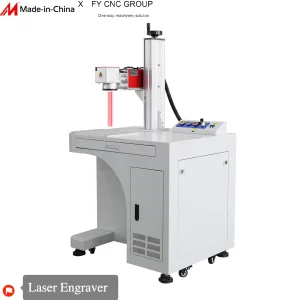
Enabling lifetime marking on hardened steel, titanium, and engine components. Our systems generate high-contrast DataMatrix codes resilient to thermal fatigue, chemical washdowns, and high friction environments, complying strictly with SAE standards.
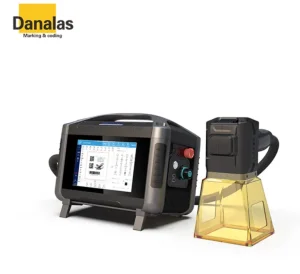
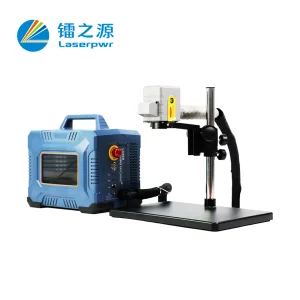
Delivering high-contrast, zero-contamination markings on surgical tools and implants. Utilizing UV and picosecond laser technologies to achieve passivation-resistant markings without causing micro-cracking or altering surface topography.
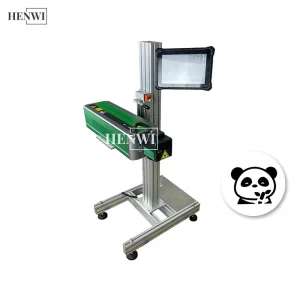
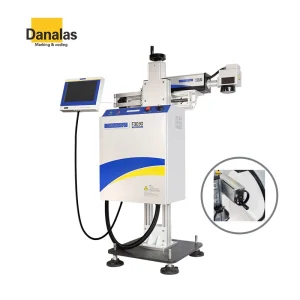
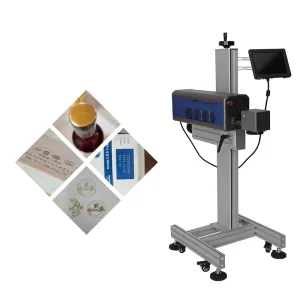
Equipped with flying CO2 and fiber laser systems processing up to 100,000 bottles/cartons per hour. Provides crisp, smudge-proof expiration dates, batch numbers, and dynamic QR codes on PET, glass, cardboard, and aluminum substrates.
Hangzhou Kinray Laser Co., Ltd. is a leading China industrial laser marking machine manufacturer specializing in advanced fiber and UV laser solutions for global manufacturing industries. With a strong focus on innovation, precision, and intelligent manufacturing, Kinray Laser is committed to delivering high-performance laser equipment that improves production efficiency, product traceability, and marking quality.
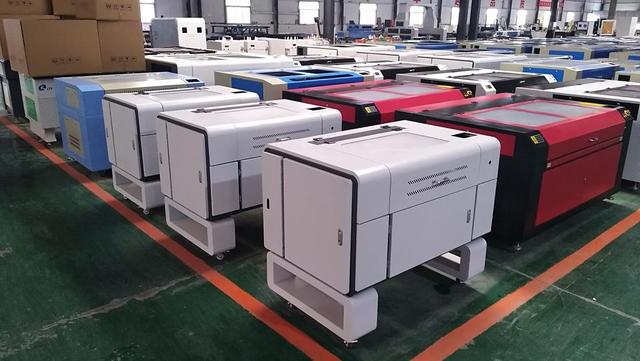
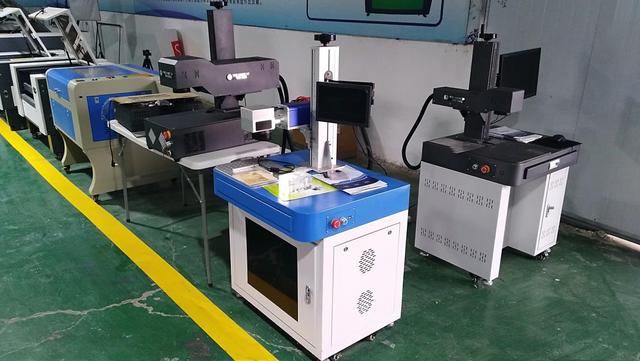
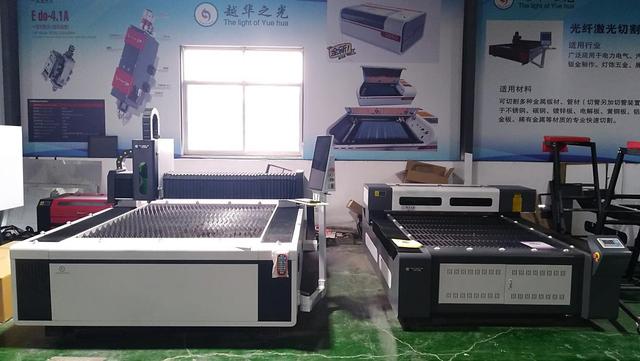
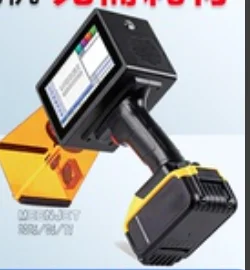
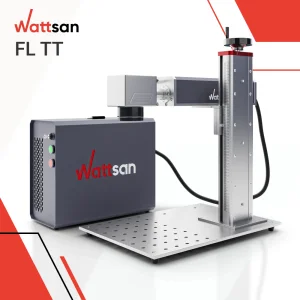
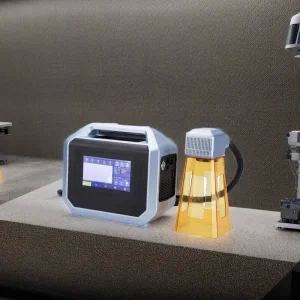
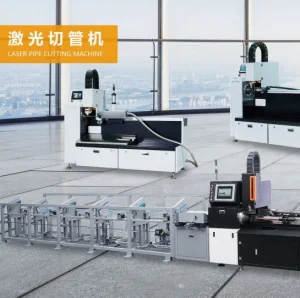
Located in Hangzhou, China, the company integrates research and development, manufacturing, sales, and technical support to provide comprehensive laser processing solutions for customers worldwide. Our extensive product portfolio includes fiber laser marking machines, UV laser marking machines, CO2 laser marking systems, MOPA laser markers, flying laser marking machines, 3D laser marking equipment, and customized automated laser solutions.
Kinray Laser products are widely used in electronics, automotive, medical devices, precision hardware, jewelry, packaging, aerospace, consumer goods, and industrial manufacturing industries. Designed for high-speed, high-precision, and permanent marking applications, our systems are capable of processing a wide range of materials, including metals, plastics, ceramics, glass, and composite materials.
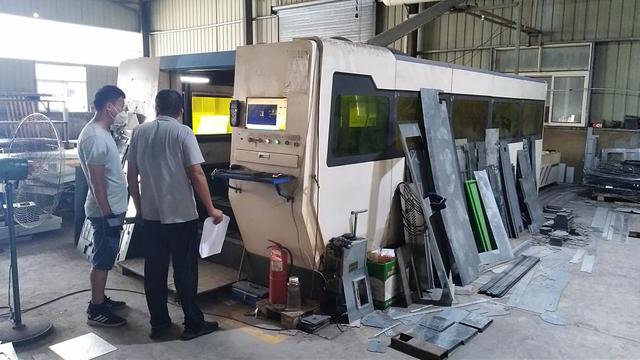
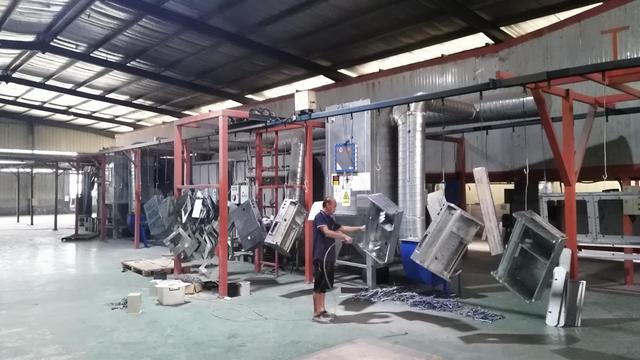
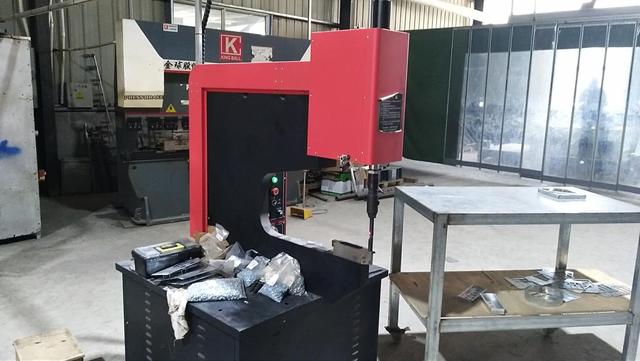
Equipped with advanced production facilities and rigorous quality management systems, Kinray Laser maintains strict quality control throughout every stage of manufacturing. Each machine undergoes comprehensive testing to ensure stable performance, reliability, and compliance with international standards.
To support global customers, we offer flexible OEM and ODM services for distributors, system integrators, equipment brands, and industrial manufacturers. Our experienced engineering team works closely with customers to develop customized laser solutions tailored to specific production requirements, automation needs, and industry applications.
| Laser Source Type | Wavelength Range | Ideal Material Substrates | Thermal Damage Level | Key Applications |
|---|---|---|---|---|
| Fiber Laser (Yb-Doped) | 1064 nm | Stainless steel, carbon steel, titanium, brass, engineering plastics | Medium (Photothermal absorption) | Deep engraving, metal serial numbers, high-speed PCB copper tracking |
| UV (Ultraviolet) Laser | 355 nm | Glass, sapphires, high-performance polymers, silicon wafers, medical plastics | Extremely Low (Cold photoablation) | Surgical instruments marking, electronics micro-machining, cosmetics HDPE bottles |
| CO2 (Gas) Laser | 10,600 nm (10.6 µm) | Cardboard, glass, PET packaging, timber, leather, acrylics | High (Controlled vaporization) | High-speed dynamic expiry date coding, apparel cutting, display acrylic engraving |
| MOPA (Fiber Variation) | 1064 nm (Adjustable pulse width) | Anodized aluminum, thin stainless steel, colored metals | Controlled / Minimal | High-contrast black-marking on smartphones, multi-color oxide layer engraving |
Exported machinery destined for the European Economic Area (EEA) must satisfy safety protocols under MD 2006/42/EC, LVD 2014/35/EU, and EMC 2014/30/EU. All components within Kinray Laser enclosures, including emergency stops, key locks, and interlocked cabinetry, are fully evaluated to meet strict ISO 12100:2010 standards.
Any commercial laser product imported into the United States must receive an accession number from the Food and Drug Administration's Center for Devices and Radiological Health. This includes validation of laser class ratings (such as Class I for fully enclosed cabinets or Class IV for open handheld units) under 21 CFR Chapter I Subchapter J.
Kinray mitigates typical overseas supply chain issues through regional agent structures and open API control interfaces. Using universal software formats (DXF, DWG, PLT, AI) via EZCAD control cards and standard Ethernet protocols allows local automation integrators to diagnose, repair, and upgrade systems without proprietary barriers.
Processing materials like PVC, polycarbonate, or metals releases harmful vapors and airborne particulates. The integration of high-efficiency particulate air (HEPA) and active carbon chemical fume extractors is essential to maintain OSHA-compliant air quality levels inside industrial work zones.
Integration of intelligent coaxial camera setups that automatically capture workpiece geometry. This allows dynamic adjustments of laser focus and positioning on random surface profiles, removing the need for precision manual positioning jigs.
Scaling down cost structures for ultra-short pulse (USP) laser sources. These lasers break molecular bonds instantaneously rather than vaporizing materials thermal-optically, eliminating heat-affected zones (HAZ) on micro-electronics and thin-film batteries.
Deployment of IoT control modules within laser power sources to track diode degradation, thermal parameters, and cooling efficiency in real-time. This provides automated warnings of potential component issues to prevent unscheduled manufacturing downtime.
 Kinray Laser