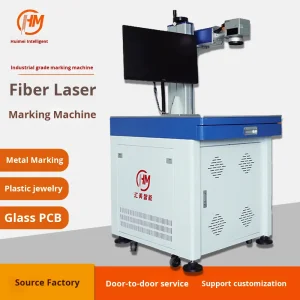
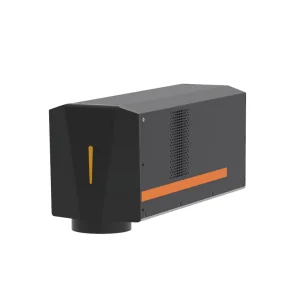
Explore our elite range of high-efficiency, industrial-grade fiber, UV, and CO2 laser machinery designed for diverse material capabilities and inline automated integration.
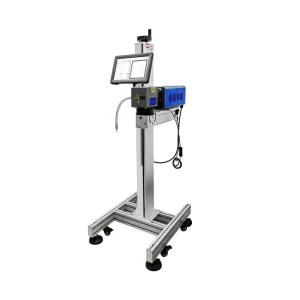

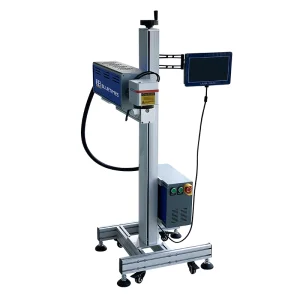
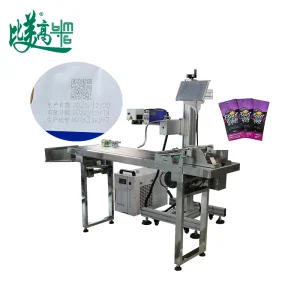
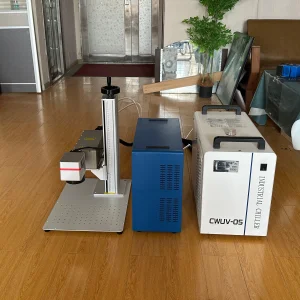

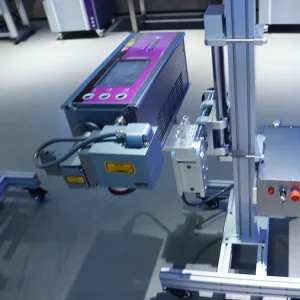
An authoritative analysis of laser technology transitions driving high-precision global supply chains.
The industrial landscape is undergoing a monumental paradigm shift. Under the banners of Smart Manufacturing (Industry 4.0) and strict regulatory traceability frameworks (such as the EU Medical Device Regulation and the global automotive Direct Part Marking standards), the demands on laser machining systems have escalated beyond basic marking. Today's laser equipment is a critical node in automated production lines, directly responsible for material modification, micron-level surface structuring, and permanent, data-dense symbology encoding.
Conventional ink-based printing processes are rapidly being decommissioned in favor of eco-friendly, zero-consumable laser solutions. Global manufacturers are actively seeking machines capable of uninterrupted, high-speed output with negligible maintenance requirements. By leveraging advanced solid-state and gas laser technologies, modern factories achieve precise thermal management, minimizing the heat-affected zone (HAZ) and preserving structural integrity even in delicate substrates like flexible printed circuits (FPCs) and ultra-thin glass panels.
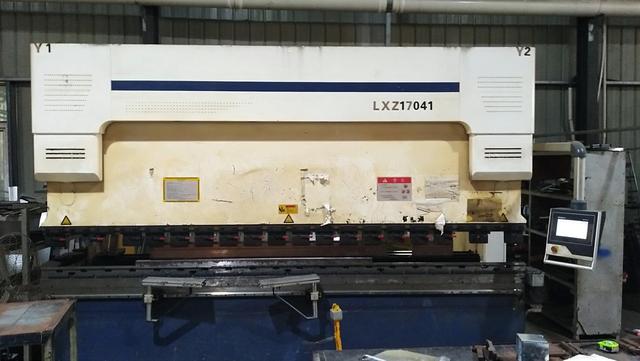
Located in the technology hub of Hangzhou, China, Hangzhou Kinray Laser Co., Ltd. represents the pinnacle of research, development, and vertical integration in the industrial laser marking and engraving sector. As a dedicated manufacturer, Kinray has built a global reputation for formulating advanced fiber, UV, CO2, and MOPA laser equipment tailored to the complex demands of modern supply chains.
Kinray's philosophy hinges on engineering reliability and system longevity. By integrating premium domestic and imported laser optical sources (including JPT, Raycus, IPG, and Synrad), alongside advanced digital galvanometer scanning systems, Kinray ensures that each system delivers exceptional pulse stability, fine beam quality (M² < 1.3), and continuous 24/7 operating capabilities. Our facilities are certified under ISO 9001 quality guidelines, verifying strict quality control at every phase of the manufacturing process.
Our comprehensive production solutions satisfy trace requirements for critical applications in aerospace components, automotive drive lines, implantable medical devices, high-speed PE/PVC pipe extrusion, multi-layered pharmaceutical foils, and consumer electronic substrates. Rather than supplying standalone units, Kinray works alongside system integrators and distributors to customize OEM cabinet designs, configure customized software protocols, and supply automated material handling accessories like sheet pagers, rotary fixtures, and inline conveyor systems.
A comparative technical directory outlining standard industrial wavelengths and their optimal application substrates.
Primary Targets: Stainless Steel, Titanium, Carbon Steel, Aluminum, Brass, and high-density engineered plastics (ABS, Polycarbonate).
Mechanism: Photothermal interaction. MOPA technology provides adjustable pulse widths (2ns to 500ns) allowing users to execute high-contrast structural coloring (anodized aluminum blackening and stainless-steel rainbow marking) while controlling heat distribution.
Primary Targets: Pharmaceutical Glass, HDPE/LDPE containers, Silicon Wafers, Polyimide (PI) film, Ceramics, Sapphire, and sensitive plastics.
Mechanism: Photochemical "cold marking." The high-energy 355nm UV photons disrupt molecular bonds directly instead of melting the material via heat. This yields clean, micro-fine marks with absolutely no charring or micro-stress defects.
Primary Targets: Acrylic, Wood, Leather, Paper, PET bottles, Glassware, Rubber, and organic materials.
Mechanism: High absorption rates by non-metallic molecular bonds. The 9.3μm variant is specifically tuned for optimal absorption in PET and thin plastic packaging foils, preventing material puncture while ensuring clear markings.
Understanding how Kinray Laser addresses sector-specific challenges on global assembly lines.
To endure harsh chemical exposures, thermal cycles, and corrosion, automotive components (such as engine blocks, transmission components, and suspension arms) require permanent, highly readable 2D DataMatrix codes. Kinray’s MOPA and high-power Fiber systems deliver excellent contrast and depth control, ensuring automated scanning systems achieve high reading rates throughout the vehicle’s operating lifecycle.
Medical instruments demand bio-compatible, non-corrosive, and non-toxic markings that resist repeated autoclave sterilization. Kinray’s UV and ultra-short fiber systems alter surface properties at the atomic level, generating a dark, high-contrast mark on surgical stainless steel, titanium, and specialized polymers without introducing cracks or crevices where bacteria can gather.
In high-speed beverage bottling, dairy packaging, and cable extrusion lines, throughput speed is paramount. Our CO2 and Fiber flying laser marking units integrate directly into production lines. Operating alongside rotary encoders and optoelectronic sensors, these systems dynamically track product velocity, updating serial numbers, expiration dates, and QR codes on the fly without interrupting line movement.
Smartphones, smartwatches, and semiconductors pack vast amounts of components into extremely confined areas. Laser engraving watch buttons, micro-circuits, and internal brackets requires sub-micron tolerances. Kinray's vision-guided precision systems accurately verify piece orientations and target specific coordinates with repeatable accuracy down to ±0.002mm.
Assuring smooth importing processes, structural compliance, and continuous local maintenance support.
Each Kinray Laser system undergoes a mandatory 48-hour continuous burn-in test, checking laser power stability across long runs. We test beam profiles and analyze alignment using professional power meters and spectrometers to ensure all factory limits match strict specifications before shipment.
Our industrial systems comply fully with global export regulations. All machines carry CE marks, FCC declarations, and FDA accessions for CDRH Class I or Class IV compliance, ensuring worry-free customs clearance and safe operation in any industrial setting.
We provide comprehensive lifecycle support for our machinery. With remote diagnostic connections, pre-configured software setups, and regional parts distribution, our technical staff helps distributors and clients resolve queries and minimize operational downtime.
High-speed CNC, CO2 galvo, MOPA, and ultra-precise femtosecond setups optimized for diverse production lines.
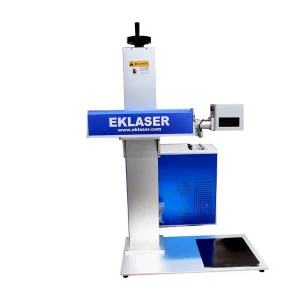
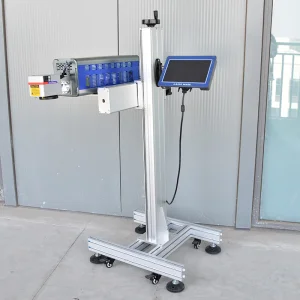

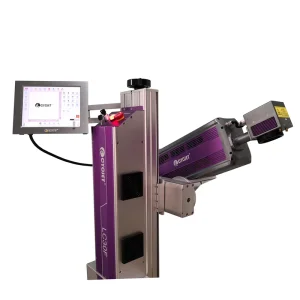
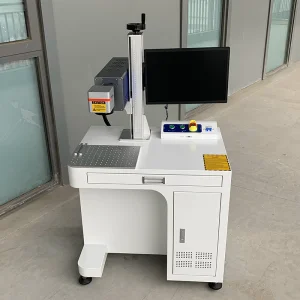
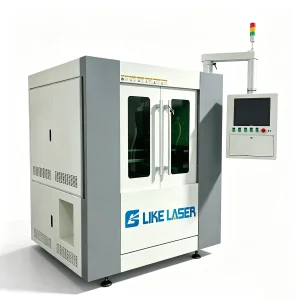
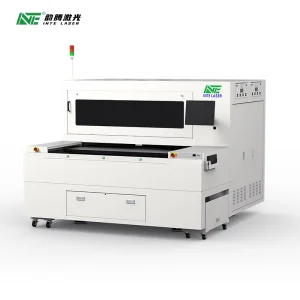
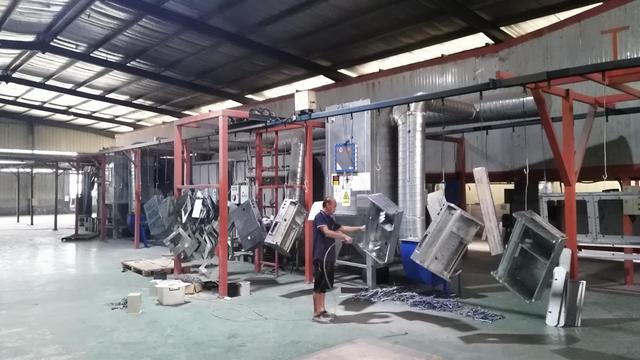
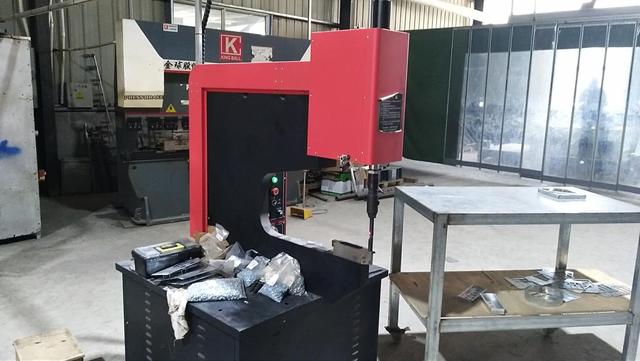
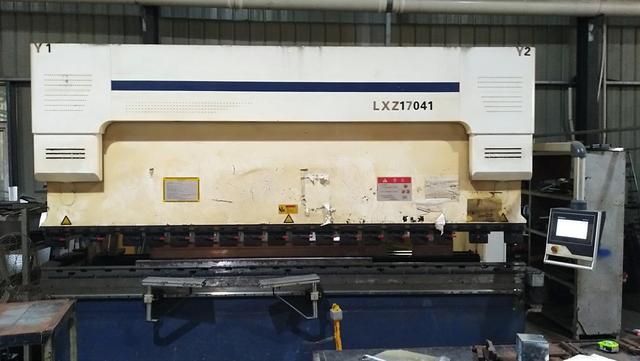
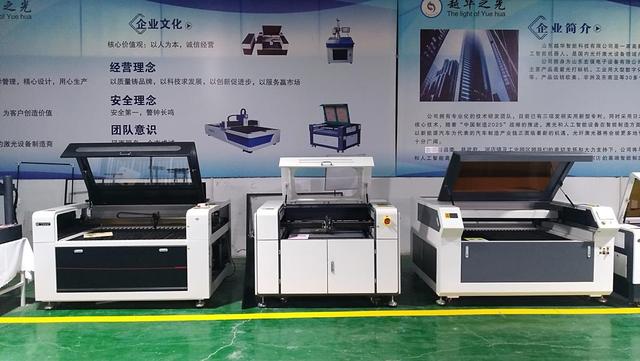
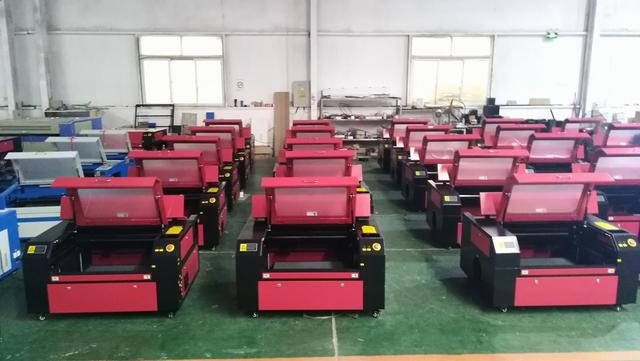
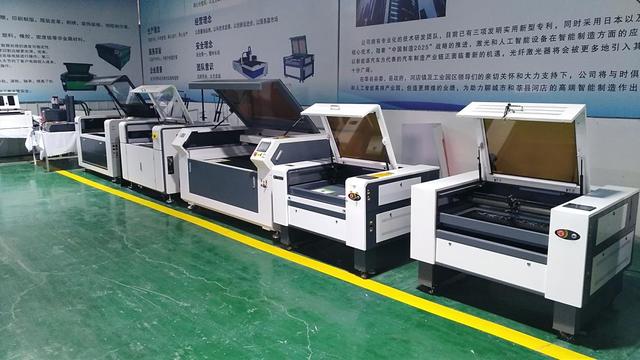
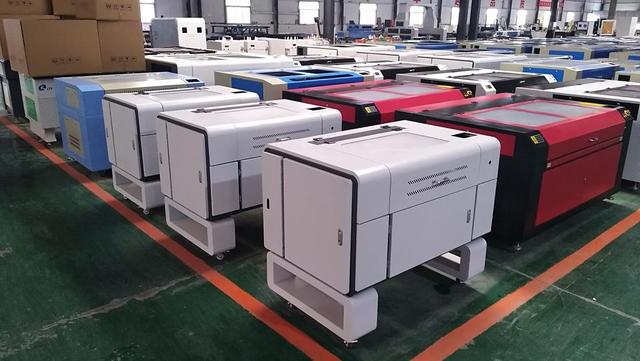
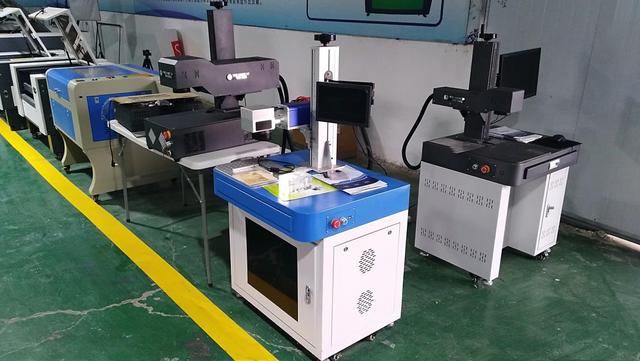
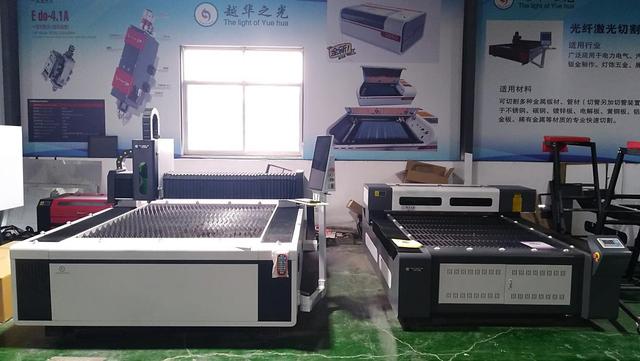
A window into our advanced assembly floors, calibration workshops, and technology testing centers in Hangzhou, China.
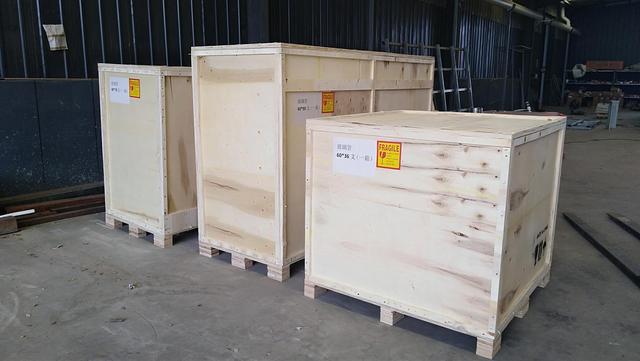
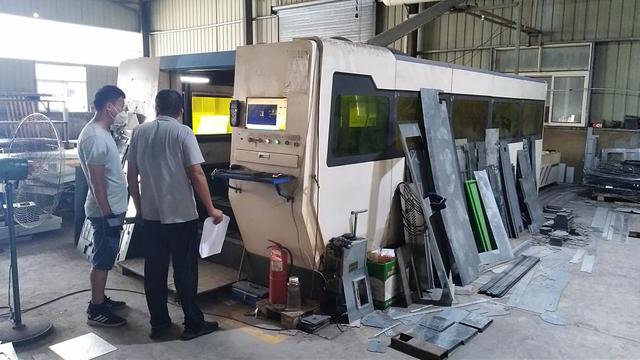
Technical answers to critical integration, sourcing, and operational questions commonly raised by procurement directors and engineers.
 Kinray Laser