Engineered for absolute accuracy, high-speed throughput, and continuous multi-shift industrial operation.
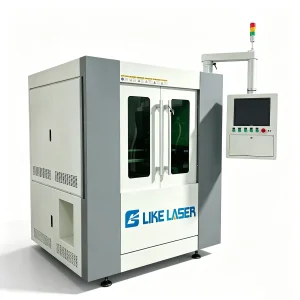
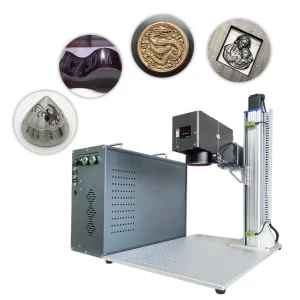
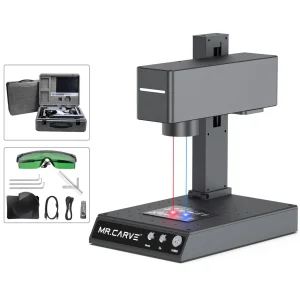

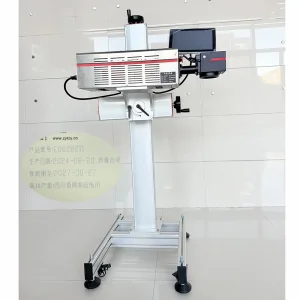
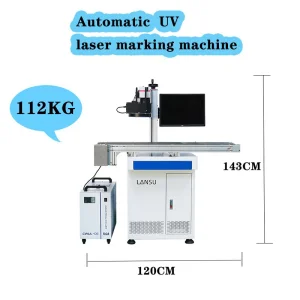
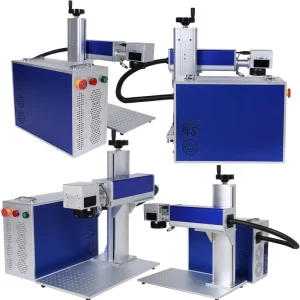
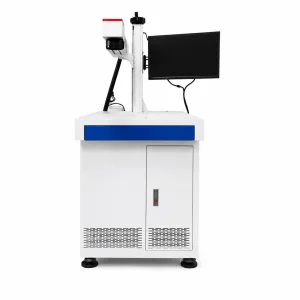
In the era of Industry 4.0 and hyper-agile hardware development, direct part marking (DPM) and laser-assisted prototyping have evolved from secondary tooling operations into core technological pillars. Global original equipment manufacturers (OEMs), automotive tier-1 suppliers, semiconductor foundries, and aerospace contractors increasingly look toward China as the primary hub for high-performance laser prototyping and etching equipment.
As global engineering specifications demand finer kerf widths, minimal thermal damage zones, and non-destructive surface modifications, Chinese laser machine exporters have transitioned from cost-effective assemblers to front-line innovators. By synthesizing advanced Master Oscillator Power Amplifier (MOPA) fiber architectures, cold-ablation Ultraviolet (UV) systems, dynamic 3D galvanometer scanning optics, and AI-driven machine vision, premier manufacturers deliver enterprise-grade performance adhering strictly to ISO 9001, CE, and FDA regulatory frameworks.
Hangzhou Kinray Laser Co., Ltd. is a leading China industrial laser marking machine manufacturer specializing in advanced fiber and UV laser solutions for global manufacturing industries. With a strong focus on innovation, precision, and intelligent manufacturing, Kinray Laser is committed to delivering high-performance laser equipment that improves production efficiency, product traceability, and marking quality.
Located in Hangzhou, China, the company integrates research and development, manufacturing, sales, and technical support to provide comprehensive laser processing solutions for customers worldwide. Our extensive product portfolio includes fiber laser marking machines, UV laser marking machines, CO2 laser marking systems, MOPA laser markers, flying laser marking machines, 3D laser marking equipment, and customized automated laser solutions.
Kinray Laser products are widely used in electronics, automotive, medical devices, precision hardware, jewelry, packaging, aerospace, consumer goods, and industrial manufacturing industries. Designed for high-speed, high-precision, and permanent marking applications, our systems are capable of processing a wide range of materials, including metals, plastics, ceramics, glass, and composite materials.
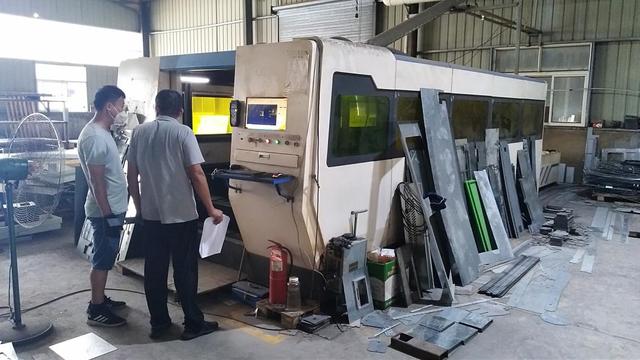
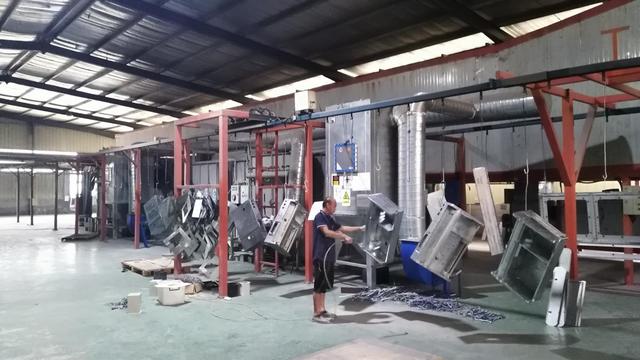
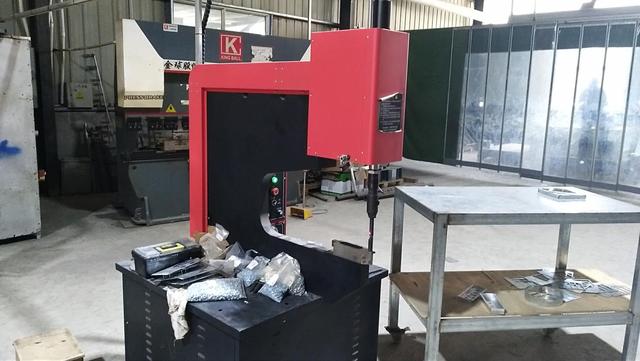
Equipped with advanced production facilities and rigorous quality management systems, Kinray Laser maintains strict quality control throughout every stage of manufacturing. Each machine undergoes comprehensive testing to ensure stable performance, reliability, and compliance with international standards.
To support global customers, we offer flexible OEM and ODM services for distributors, system integrators, equipment brands, and industrial manufacturers. Our experienced engineering team works closely with customers to develop customized laser solutions tailored to specific production requirements, automation needs, and industry applications.
Driven by technological innovation and customer satisfaction, Hangzhou Kinray Laser Co., Ltd. continues to expand its global presence and strives to become a trusted partner for intelligent laser processing solutions, helping manufacturers achieve smarter, more efficient, and sustainable production.
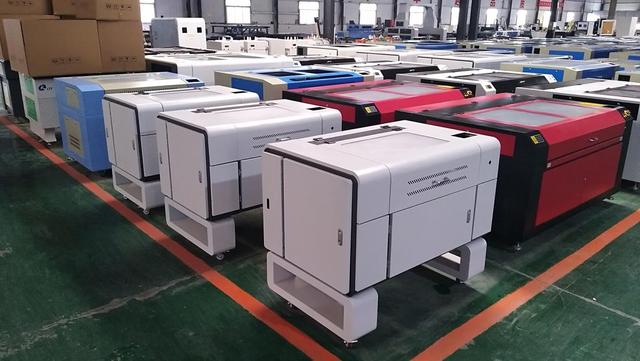
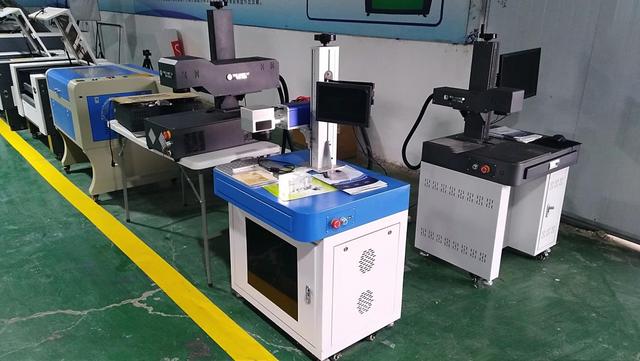
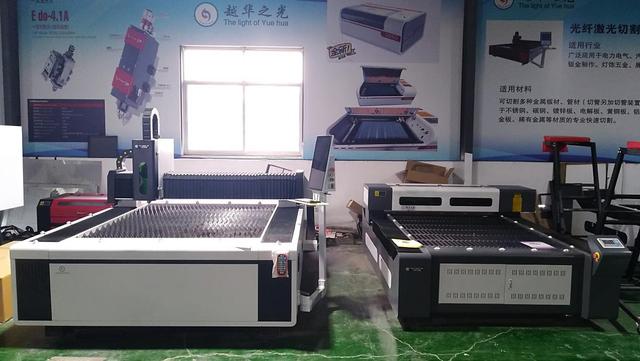
Selecting the correct laser medium is critical for optimizing material coupling efficiency and preventing micro-cracking or heat-affected zones (HAZ).
| Laser Source Modality | Wavelength ($\lambda$) | Primary Material Compatibility | Key Process Advantage | Typical Applications |
|---|---|---|---|---|
| Fiber Laser (CW / Q-Switched) | 1064 nm (Infrared) | Metals (Steel, Al, Brass), Hardened Plastics | High peak power, exceptional wall-plug efficiency, 100,000h lifespan | Direct Part Marking (DPM), serial code engraving, sheet metal micro-cutting |
| MOPA Fiber Laser | 1064 nm (Adjustable pulse) | Anodized Aluminum, Stainless Steel, Titanium, Thin Foils | Independent control of pulse frequency & width (2 ns - 500 ns); color marking | Black marking on anodized Al, corrosion-free stainless steel etching, thin foil stripping |
| UV Cold Laser | 355 nm (Ultraviolet) | Silicon Wafers, Glass, Sensitive Polymers, PCB, Quartz | Photochemical cold ablation; near-zero thermal effect; no edge burrs | Micro-via drilling, PCB panelizing, wafer scribing, medical grade plastics |
| CO2 Gas Laser | 10.6 µm / 9.3 µm (Far-IR) | Wood, Acrylic, Leather, Organic Packaging, Glass, Ceramics | High absorption rates in non-metals; fast raster scanning | Packaging date coding, acrylic prototyping, organic material cutting |
How China's integrated optoelectronic cluster drives speed, quality, and economic scalability for global importers.
By collocating premier laser source manufacturers (Raycus, JPT, Maxphotonics) with precision galvo scanner developers (Sino-Galvo) and CNC controller teams (Ruida), lead times are reduced by 60% compared to Western assembly chains.
Every machine exported undergoes a rigorous 72-hour burn-in period, power stability monitoring ($\le \pm 1\%$ fluctuation), laser beam spatial profile analysis ($M^2$ test), and interferometer calibration before global dispatch.
Leveraging high-volume production economics in China enables global distributors and end-users to achieve a 40–50% reduction in capital expenditures without sacrificing industrial reliability or duty cycles.
Pioneering advancements in ultrafast pulse lasers, machine-learning vision alignment, and 3D dynamic focal depth adjustments.
Moving beyond nanosecond pulses, ultrafast lasers compress energy into pulse durations measured in femtoseconds ($10^{-15}$ s). This eliminates heat transfer entirely to adjacent material structures, facilitating true non-thermal cold micro-machining of semiconductor substrates and bio-compatible medical alloys.
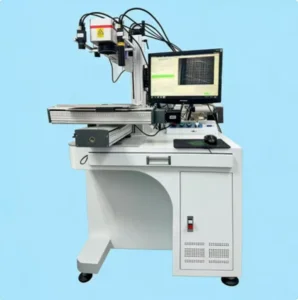
Integrating high-resolution CCD cameras directly into the optical galvo axis allows machine vision algorithms to calculate rotational offset, part elevation, and surface curvature in under 15 milliseconds. This eliminates physical jig requirements for rapid prototyping.
Advanced 3-axis galvanometer systems dynamically adjust the z-axis focal length in real time, enabling precise uniform laser vectoring across complex curved geometries, steep inclines, and stepped industrial components.
Tailored laser processing configurations optimized for core global industry sectors.
High-power fiber laser systems apply high-contrast DataMatrix codes onto aluminum engine blocks, battery housing frames, and hardened transmission gears. Marks withstand high thermal stress and corrosive automotive fluids, ensuring full supply chain traceability (IATF 16949 compliance).
Utilizing picosecond UV or specialized MOPA fiber settings, surgical instruments made of 316L stainless steel or titanium receive non-destructive passive dark markings. The process leaves the protective chromium oxide layer intact, preventing corrosion during autoclave sterilization cycles (FDA UDI compliant).
In-line UV laser systems automatically receive PCB panels from surface-mount assembly lines via SMEMA interface. They perform high-speed micro-marking of 2D barcodes on solder masks and trim flex cables without generating carbon residual or thermal micro-cracks.
From micro-drilling speaker grilles to black-annealing logo graphics onto anodized aluminum smartphone chassis, MOPA lasers allow ultra-fine frequency control (1 kHz to 4000 kHz) to achieve crisp cosmetic details without burrs.
Ensuring seamless international deployment through comprehensive safety standards and fast-response technical support networks.
All export configurations are supplied with Class 1 laser enclosures or fully interlocked safety cabinets, dual-channel emergency safety relays, laser radiation warning indicators, and certified protective windows (OD6+ rating), fulfilling European CE (EMC/LVD) and US FDA CDRH compliance.
We collaborate with global machinery brands and regional distributors to deliver white-label hardware, custom CAD/CAM software branding, specialized field optics, and customized mechanical foot-prints matching specific client production floors.
Leveraging remote network diagnostics, augmented reality installation assistance, and regional spare part warehouses across North America, Europe, and Southeast Asia, Kinray ensures zero unplanned factory downtime.
Expert answers to critical engineering, logistics, and operation questions raised by international procurement managers.
A standard fiber laser (typically Q-switched) operates at a fixed pulse duration (around 80–120 ns), which works exceptionally well for general metal engraving and deep cutting. A MOPA (Master Oscillator Power Amplifier) fiber laser allows operators to independently adjust pulse durations from 2 ns to 500 ns across a wide frequency range (1 kHz to 4000 kHz). This pulse flexibility prevents unwanted heat buildup, enabling precise black marking on anodized aluminum, non-destructive color marking on stainless steel/titanium, and clean processing of sensitive synthetic polymers.
UV lasers operate at a wavelength of 355 nm, which utilizes a photochemical "cold processing" mechanism. Instead of vaporizing material via thermal heat (like Infrared or CO2 lasers), the short UV photon breaks the chemical molecular bonds within the substrate directly. This eliminates the Heat-Affected Zone (HAZ), preventing peripheral melting, charring, or micro-structural weakening—making UV ideal for delicate PCB substrates, medical polymers, and silicon wafers.
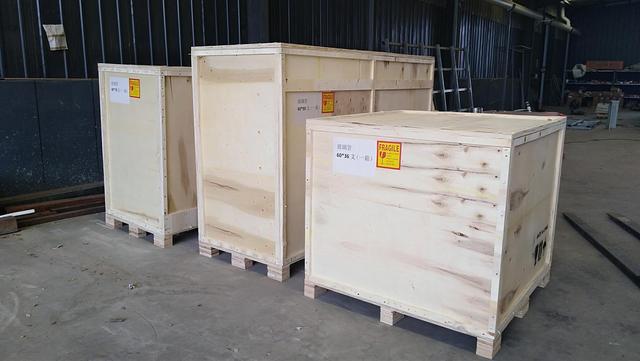
All Kinray export machines feature optical beds constructed from heavy-duty cast aluminum or stress-relieved steel plates, rigid galvo mounting structures, and optical components secured with anti-vibration locking systems. Machines are vacuum-sealed in anti-corrosion moisture-proof barriers and packed inside reinforced IPPC-certified export wooden cases to guarantee optical alignment upon arrival.
Our laser systems fully comply with international export regulations. They carry European CE certification (covering both Low Voltage Directive 2014/35/EU and EMC Directive 2014/30/EU) and US FDA CDRH registration (Accession Number provided for customs clearance). Additionally, production processes adhere strictly to ISO 9001 quality management guidelines.
Yes. Our Flying Laser Marking and SMT Series feature built-in hardware interfaces (RS-232, TCP/IP, Ethernet/IP, and photoelectric sensor inputs/outputs) alongside software SDKs. They support real-time dynamic marking on high-speed conveyor belts, integrating seamlessly with existing industrial PLCs, MES databases, and automated robotic arms.
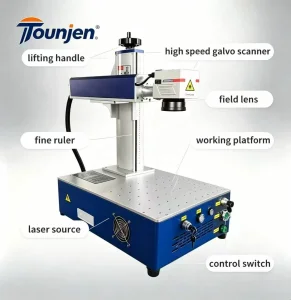
Solid-state fiber laser sources (such as Raycus or JPT) have a Mean Time Between Failures (MTBF) of over 100,000 operational hours (equivalent to more than 10 years of continuous 24/7 use). Because fiber lasers do not rely on consumable lamps, mirrors, or gas refill cycles, maintenance is minimal—requiring only periodic cleaning of the protective field lens and keeping the cooling filters free of dust.
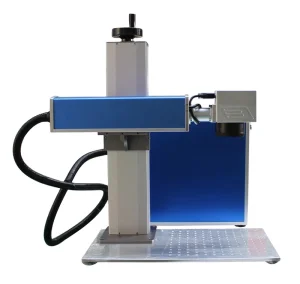
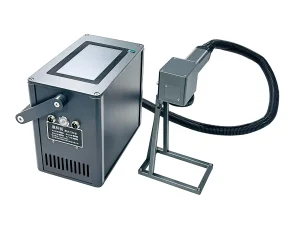
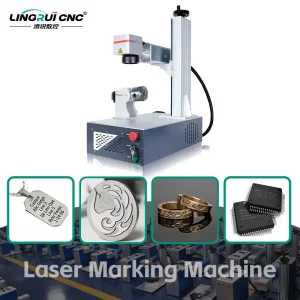
Explore our complete range of desktop, portable, CO2 non-metal, and high-accuracy vision systems.

 Kinray Laser