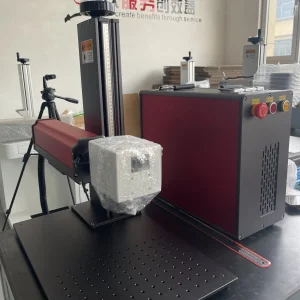
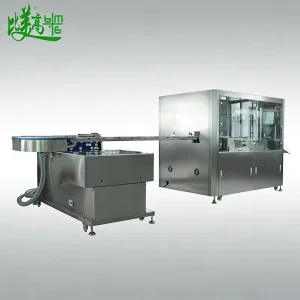
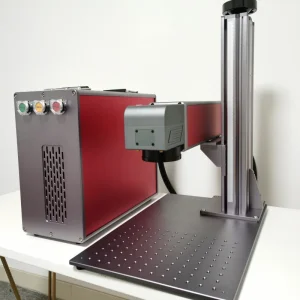
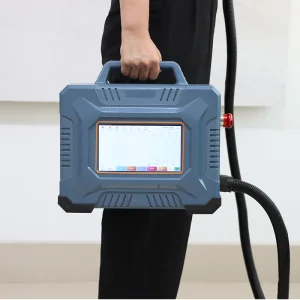
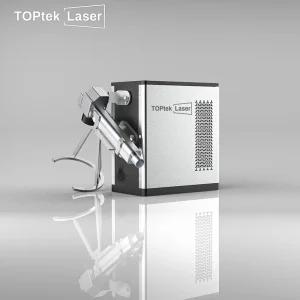
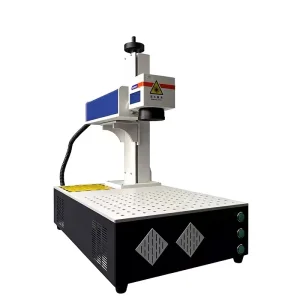
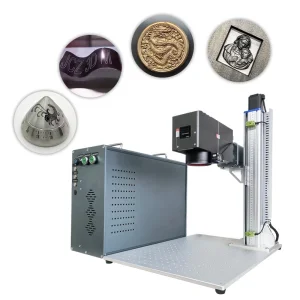
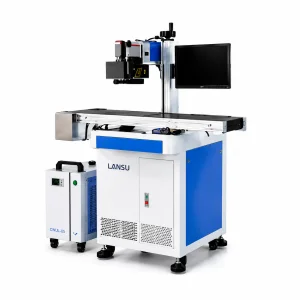
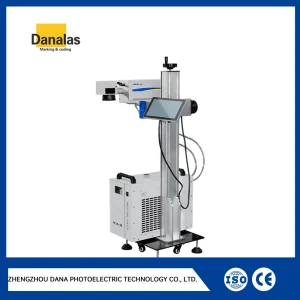
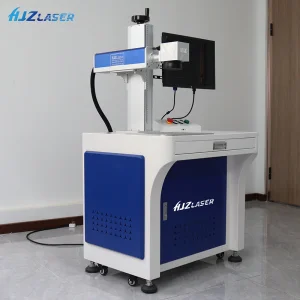
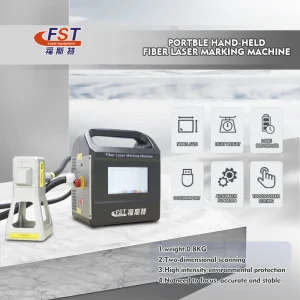
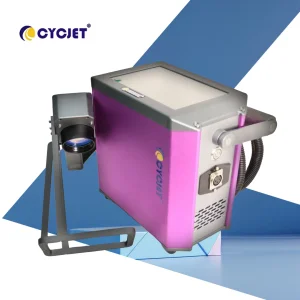
Leading industrial equipment designed for ultimate accuracy, micro-engraving, and high-speed online processing integration.
Exploring the technical mechanics of 355nm ultraviolet lasers and why they are vital for high-precision manufacturing.
Industrial processing has evolved rapidly from mechanical tooling to thermal lasers, and finally to the ultra-precise domain of ultraviolet (UV) electromagnetic radiation. The primary advantage of a 355nm UV laser cutting machine lies in its processing mechanism. Unlike infrared fiber lasers (1064nm) or carbon dioxide lasers (10.6µm), which rely on high-energy heat to melt or vaporize material, UV lasers utilize short-wavelength light to directly break the molecular bonds within materials. This process is commonly referred to as "cold processing" or photo-ablation.
Because the heat-affected zone (HAZ) is minimized, UV laser systems prevent thermal deformation, charring, and localized stress damage. This is critical for complex and delicate materials, including flexible printed circuits (FPCs), semiconductor wafers, medical-grade plastics, and ultra-thin glass. For global procurement teams, understanding this physical distinction is key to selecting the right technology for production.
By using photolytic destruction rather than photothermal melting, UV lasers limit carbonization and thermal cracking on cut edges, preserving the mechanical properties of materials.
The shorter wavelength of 355nm light allows for a smaller focused spot size, facilitating precise cuts down to the single-micron level for modern electronics packaging.
UV light is highly absorbed by many materials that reflect infrared wavelengths, including highly reflective metals (copper, gold), ceramics, sapphire, and polymers.
Unpacking the strategic value of industrial clusters, optical supply chains, and technical innovation at Hangzhou Kinray Laser.
China is a leader in the global industrial laser landscape. Sourcing from a specialized supplier like Hangzhou Kinray Laser Co., Ltd. offers significant advantages in supply chain integration, technical agility, and cost-efficiency.
1. Fully Integrated Supply Chain & Laser Clusters
China’s industrial laser manufacturing centers in regions like Zhejiang and Guangdong house entire ecosystems of precision optical component makers, motion control software designers, and high-frequency power supply producers. This proximity allows for faster iteration and lowers logistical costs.
2. R&D Agility and Customization
Unlike many Western laser integration companies that rely on rigid configurations, Chinese factories provide customizable hardware designs. Whether you require vision-guided CCD cameras for automated alignment or multi-station indexing tables, Hangzhou Kinray Laser designs systems tailored to your specific production demands.
3. Rigorous Quality Inspection Standards
Leading factories operate under strict ISO 9001 and CE frameworks. High-performance UV lasers undergo extensive stress-testing, environmental simulation, and beam profile analyzer testing before leaving the assembly floor.
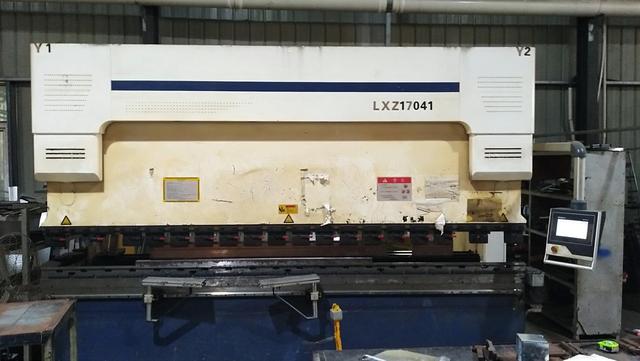
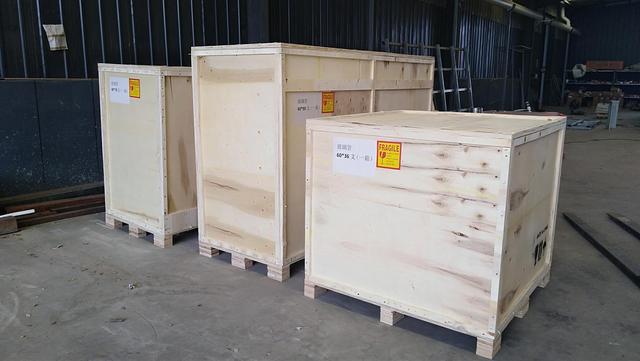
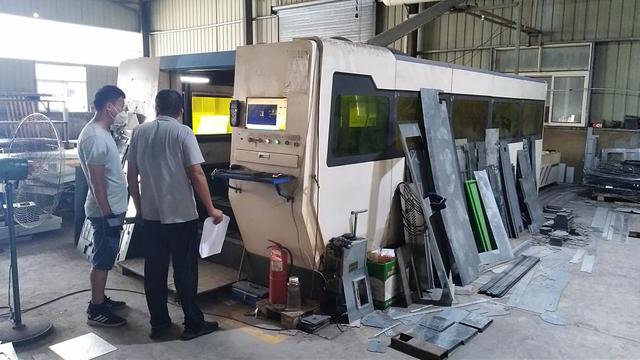
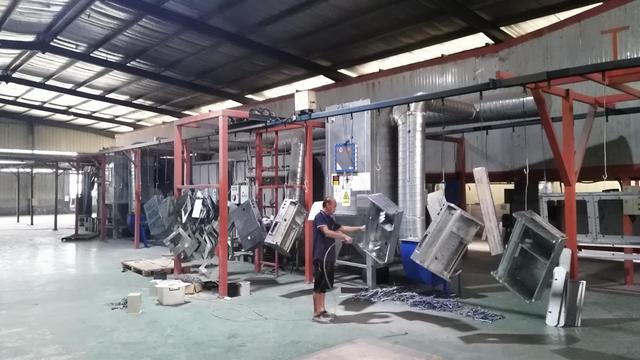
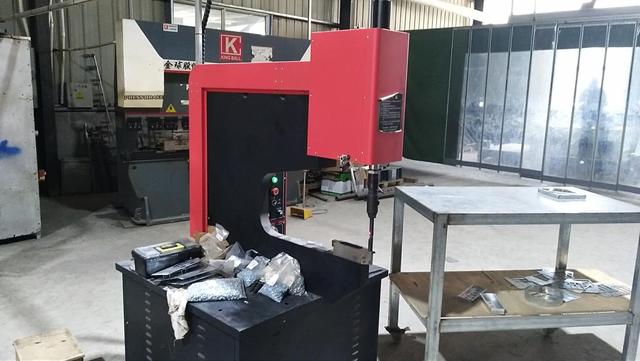
A detailed comparison to help procurement managers select the correct laser source based on application criteria.
| Feature / Parameter | UV Laser System (355nm) | Fiber Laser System (1064nm) | CO2 Laser System (10.6µm) |
|---|---|---|---|
| Primary Processing Mode | Cold Photo-Ablation (Chemical Bond Breaking) | Thermal Melting & Evaporation | Thermal Vaporization & Pyrolysis |
| Heat Affected Zone (HAZ) | Extremely Minimal (Sub-micron level) | Moderate to High (Depends on pulse width) | High (Noticeable thermal footprint) |
| Standard Applications | FPC Cutting, Glass Dicing, Silicon Marking | Metal Cutting & Deep Engraving, Plastics | Wood, Acrylic, Leather, Thick Plastics |
| Minimum Spot Diameter | ~10 - 20 µm | ~30 - 50 µm | ~100 - 150 µm |
| Capital Cost vs. Lifespan | Higher initial investment; high precision focus | Medium cost; highly durable (up to 100,000 hrs) | Lower cost; standard maintenance required |
How UV laser technology supports modern aerospace, micro-electronics, packaging, and medical device fields.
Modern mobile and wearable devices rely on highly compact, flexible printed circuits. UV lasers deliver clean profile cutting without causing delamination of layers or heat-induced copper track damage.
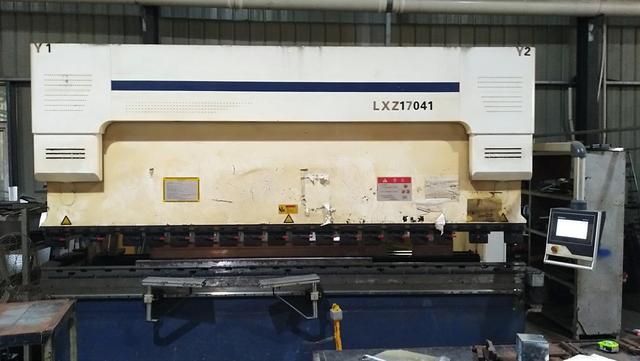
Medical-grade tubes, balloon catheters, and guide wires require precise drilling and cutting. UV lasers cut polymer materials cleanly without melting the edges, maintaining biocompatibility and regulatory standards.
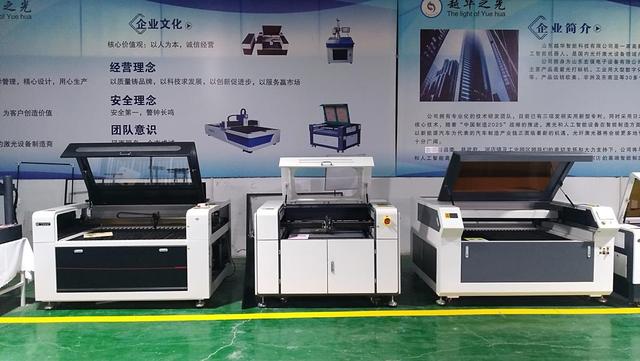
As silicon chips become thinner and more complex, mechanical dicing can cause micro-cracks. UV laser dicing cuts wafers with high precision, maximizing yield rates for integrated circuits.
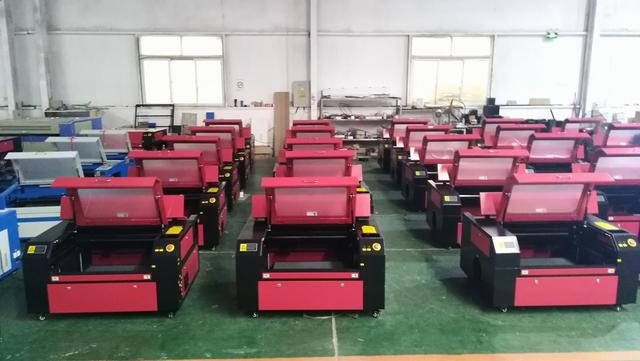
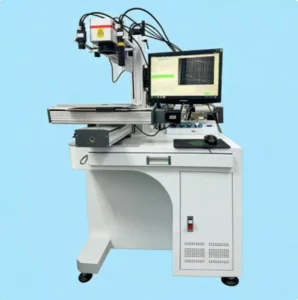
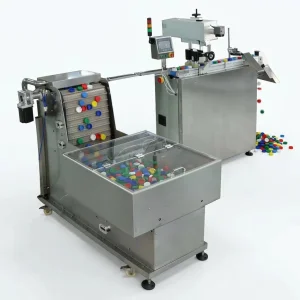
For modern smart factories, UV lasers function as part of fully integrated systems rather than standalone units. Production environments deploy UV laser marking and cutting machines equipped with CCD visual inspection systems. These cameras capture the precise location of components in real-time, matching CAD designs with less than 5 microns of error. Additionally, rejecting integrated systems automatically filter out sub-standard pieces on the conveyor, ensuring zero defect lines.
A premier Chinese manufacturer of advanced industrial laser marking, cutting, and engraving solutions.
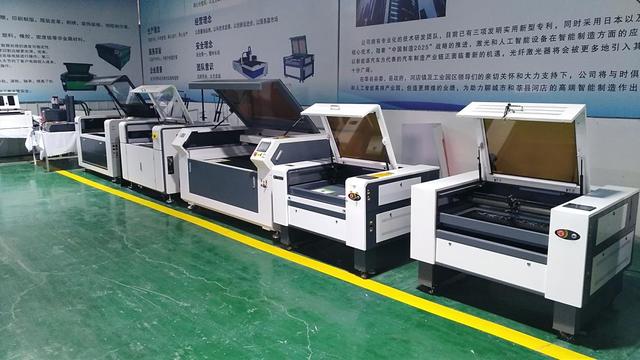
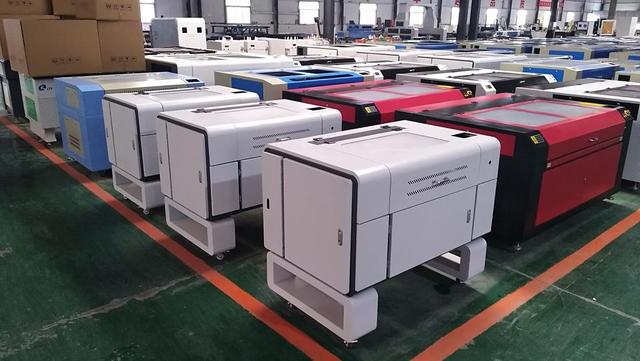
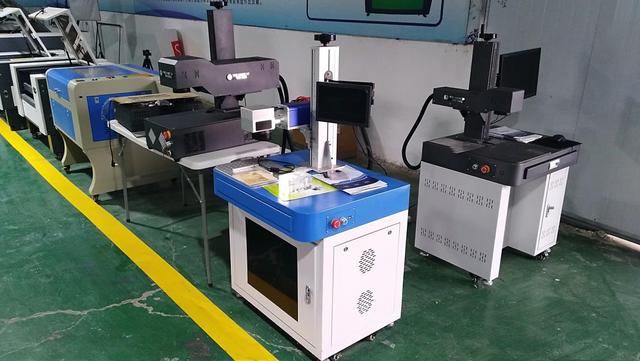
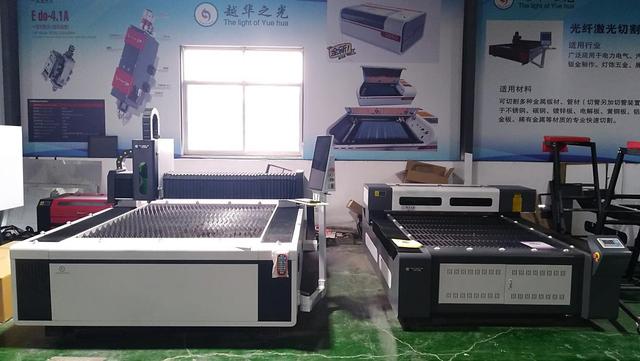
Hangzhou Kinray Laser Co., Ltd. is a leading China industrial laser marking machine manufacturer specializing in advanced fiber and UV laser solutions for global manufacturing industries. With a strong focus on innovation, precision, and intelligent manufacturing, Kinray Laser is committed to delivering high-performance laser equipment that improves production efficiency, product traceability, and marking quality.
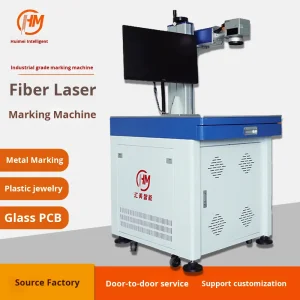
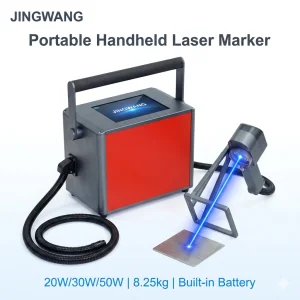
Located in Hangzhou, China, the company integrates research and development, manufacturing, sales, and technical support to provide comprehensive laser processing solutions for customers worldwide. Our extensive product portfolio includes fiber laser marking machines, UV laser marking machines, CO2 laser marking systems, MOPA laser markers, flying laser marking machines, 3D laser marking equipment, and customized automated laser solutions.
Kinray Laser products are widely used in electronics, automotive, medical devices, precision hardware, jewelry, packaging, aerospace, consumer goods, and industrial manufacturing industries. Designed for high-speed, high-precision, and permanent marking applications, our systems are capable of processing a wide range of materials, including metals, plastics, ceramics, glass, and composite materials.
Equipped with advanced production facilities and rigorous quality management systems, Kinray Laser maintains strict quality control throughout every stage of manufacturing. Each machine undergoes comprehensive testing to ensure stable performance, reliability, and compliance with international standards.
To support global customers, we offer flexible OEM and ODM services for distributors, system integrators, equipment brands, and industrial manufacturers. Our experienced engineering team works closely with customers to develop customized laser solutions tailored to specific production requirements, automation needs, and industry applications.
Crucial factors purchasing directors must evaluate to minimize operational risk and optimize ROI.
Fluctuations in a UV laser's 355nm output can lead to uneven cuts. Ensure your supplier uses high-stability resonators with temperature control (TEC) to maintain constant output power.
Check if the control board supports standard industrial file formats (.DXF, .BMP, .AI) and interfaces with factory MES databases for barcode and QR code automation.
Opt for suppliers offering remote diagnostics, local technicians, and modular laser heads that can be replaced or serviced without halting the production line.
Technical clarifications from our engineers regarding performance, safety, and operation.
Explore our broader selection of high-power fiber, CO2, and UV laser marking systems for global export.
 Kinray Laser