

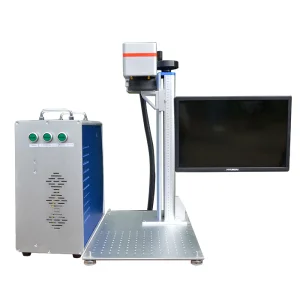
In modern industrial applications, laser marking, engraving, and machining systems represent the cornerstone of product traceability and aesthetics. However, the true performance of any industrial laser apparatus is defined by its calibration. Beam position accuracy, optical alignment, galvo scanner drift compensation, and pulse synchronization parameters determine whether a manufacturing line operates at peak yield or incurs costly material rejects.
Hangzhou Kinray Laser Co., Ltd. stands as a premier global manufacturer and supplier, specializing not only in state-of-the-art laser marking systems (Fiber, CO2, UV, and MOPA architectures) but also in developing integrated validation methods and precision protocols. Kinray Laser's systems are widely utilized across complex sectors including aerospace, semiconductor fabrications, medical device packaging, and automotive assembly lines, where micrometer-level precision is non-negotiable.
"High-resolution laser processing requires continuous verification of beam profiles, focal plane accuracy, and scanner geometry. Kinray Laser embeds industrial-grade calibration techniques directly into our CNC control frameworks and visual alignment software."
Mitigates thermal drift in high-power fiber and CO2 laser heads, maintaining exact positioning during continuous multi-hour production cycles.
Corrects spatial distortion induced by F-Theta scanning lenses and maintains focal spot integrity across wide processing areas.
Global procurement teams now prioritize laser systems equipped with automated calibration nodes. The integration of inline CCD cameras for coordinate tracking and real-time power sensor loops reduces the requirement for manual intervention, minimizing downtime in high-throughput environments.
Regulatory frameworks such as the FDA's UDI (Unique Device Identification) for medical instruments and automotive part marking standards require highly legible, non-fading marks. A system's calibration profile directly impacts its ability to fulfill these stringent legal benchmarks.
Transitioning from traditional sacrificial testing targets to modern optoelectronic power meters and non-contact beam profilers allows operators to calibrate laser marking systems instantly without generating scrap materials or wasting operational time.
To address the challenges of field calibration, Kinray Laser incorporates closed-loop visual positioning and high-resolution scanning controls into our product architectures. Our solutions are designed to address three primary areas of alignment and metrology:
Development is ongoing for integrated photodiodes and sensors that analyze reflected laser light during processing, instantly correcting power levels and beam positioning without stopping production lines.
Next-generation software algorithms will use artificial intelligence to detect micro-variations in engraving quality and automatically apply corrective calibration factors to the galvo scanner controllers.
Advocating for standardization in machine communication protocols, allowing Kinray systems to output calibration and diagnostic reports directly to plant-level ERP and MES platforms.
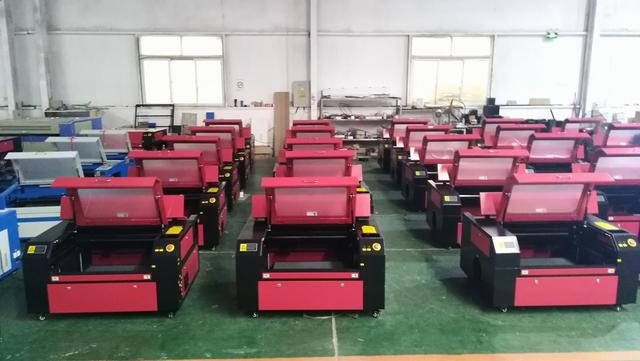
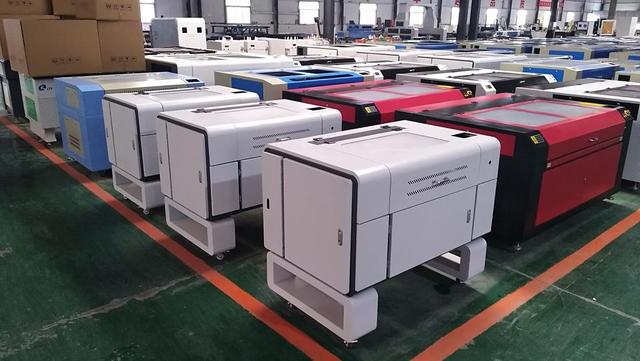
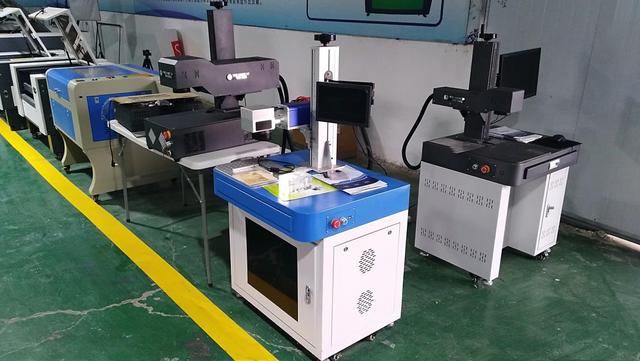
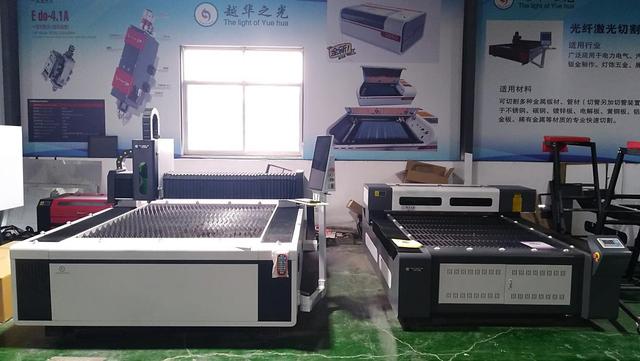
Every industrial marking system manufactured by Kinray Laser undergoes rigorous alignment and beam quality verification using optical measurement instruments. Our quality inspectors calibrate each system's focal accuracy and galvo linearity before delivery.

Operating laser processing machinery within regulated industries requires strict compliance with international mechanical and radiation safety regulations. Kinray Laser systems are built and tested in accordance with standard directives including CE (European Conformity), FDA (Food and Drug Administration) requirements, and RoHS environmental directives.
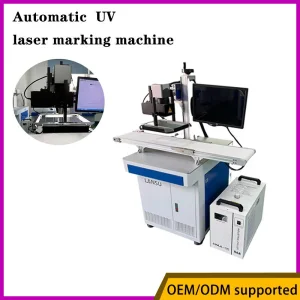
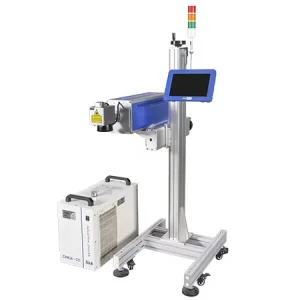
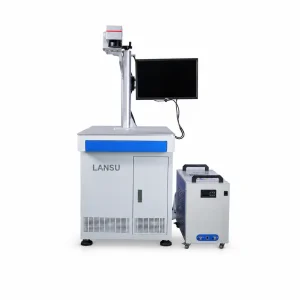
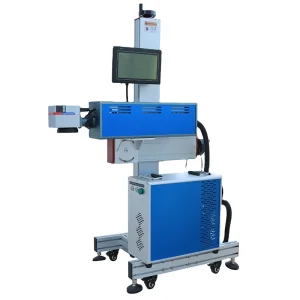
To support global distributors, system integrators, and industrial manufacturing clients, we maintain structured localized assistance channels. This framework delivers technical documentation, engineering layout assistance, field support coordinates, and original replacement components worldwide. Whether integrating a flying fiber laser marker into an automated bottling line or deploying a UV marker inside a sterile cleanroom, Kinray supports your deployment from design to operation.
OEM/ODM Support: We offer customizable configurations, including specialized software control parameters, customized electrical routing, and bespoke mounting brackets for direct production line integration.
Under standard single-shift industrial operations, verification is recommended every 6 to 12 months. However, in continuous high-output environments, automated cleanrooms, or high-tolerance sectors like medical device manufacturing, operators typically conduct quick daily focal inspections and perform detailed spatial and power calibration checks quarterly to prevent quality drift.
Galvo calibration primarily addresses geometric errors. Core parameters corrected include scale factors (to ensure a marked 100mm square measures exactly 100mm), rotation angle, orthogonality (ensuring X and Y axes are perfectly perpendicular), offset shifts, and pin-cushion or trapezoidal optical distortions caused by lens geometry.
UV lasers operate at a wavelength of 355nm, which allows for "cold marking." The high-energy UV photons break molecular bonds directly without generating significant thermal stress. This minimizes heat-affected zones (HAZ), reducing the risk of micro-fractures in glass or trace damage on delicate PCBs.
An integrated CCD vision system automatically detects target positioning and component orientation. It calculates offset errors relative to the reference coordinate file and updates the marking coordinates in real-time, helping to prevent misaligned marks on variable parts.
Yes. Our flying laser series (UV and CO2) and integrated laser control modules support integration with existing industrial communication protocols (RS232, TCP/IP, I/O lines) and automatic assembly systems, facilitating continuous processing on fast-moving production lines.

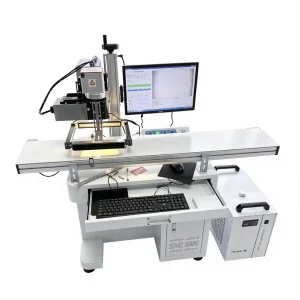
 Kinray Laser