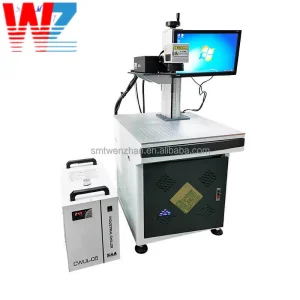
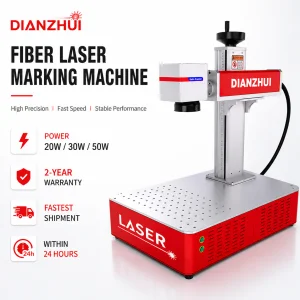
High-precision laser engraving platforms engineered for high throughput, sub-micron repeatability, and industrial reliability.
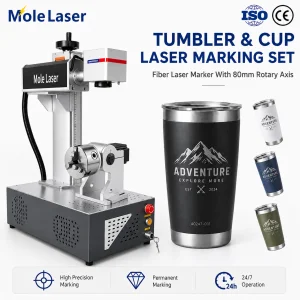
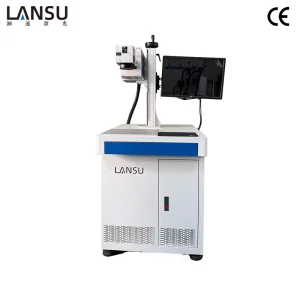
In modern manufacturing, traceability, precision, and durability are no longer optional. Traditional surface marking techniques are increasingly being replaced by deep laser engraving systems. While superficial marking modifies only the surface layer, depth engraving involves vaporizing substrate material to a depth ranging from 100 microns to several millimeters. This creates indestructible identifiers that survive extreme thermal stress, shot blasting, physical abrasion, and corrosive environments.
The transition toward Laser Depth Engraving Machines is heavily driven by strict regulatory standards across automotive, aerospace, defense, and oil & gas sectors (e.g., DoD IUID, Department of Transportation VIN specifications, and EU Medical Device Regulation). Global manufacturers require robust, high-power systems that combine deep ablation speeds with clean edge-finishing, minimizing heat-affected zones (HAZ) that could compromise structural integrity.
When sourcing industrial machinery from China, global procurement teams look beyond basic specs. They analyze the manufacturer's technological depth, component origins, and standard compliance.
Understanding energy density, pulse widths, and wavelength selection for optimized material removal.
For metal depth engraving, fiber lasers are dominant. While Q-switched lasers offer high peak power at fixed pulse durations, MOPA (Master Oscillator Power Amplifier) systems allow variables pulse durations (2ns to 500ns). This flexibility prevents thermal distortion in thin metals while enabling faster, cleaner layer removal.
Deep engraving requires extreme irradiance (W/cm²). A low M² value (<1.3) allows the beam to be focused into a highly concentrated spot. This density exceeds the material's sublimation threshold, converting the metal directly to vapor while avoiding excessive molten slag buildup at the edges.
As the laser carves deeper into the material, the focal point must shift. Traditional 2D galvo scanners lose focus, degrading the engraving quality. Kinray’s 3D dynamic focus systems adjust the focal plane in real-time, matching the ablation depth to maintain high edge verticality.
| Laser Source Type | Wavelength | Primary Engraving Substrates | Max Engraving Depth Profile |
|---|---|---|---|
| Fiber Laser (JPT/Raycus) | 1064 nm (Infrared) | Steel, Aluminum, Brass, Titanium, Hard Plastics | Up to 2.0 mm (Multi-pass ablation) |
| CO2 Laser System | 10600 nm (Far-Infrared) | Wood, Acrylic, Leather, Glass, Organic Polymers | Up to 5.0 mm (Depending on power) |
| UV Laser (Inno/JPT) | 355 nm (Ultraviolet) | Glass, Sapphire, Silicon Wafers, Multi-layer PCBs | Sub-micron precision profiling (Cold Ablation) |
Hangzhou Kinray Laser Co., Ltd. is a leading China industrial laser marking machine manufacturer specializing in advanced fiber and UV laser solutions for global manufacturing industries. With a strong focus on innovation, precision, and intelligent manufacturing, Kinray Laser is committed to delivering high-performance laser equipment that improves production efficiency, product traceability, and marking quality.
Located in Hangzhou, China, the company integrates research and development, manufacturing, sales, and technical support to provide comprehensive laser processing solutions for customers worldwide. Our extensive product portfolio includes fiber laser marking machines, UV laser marking machines, CO2 laser marking systems, MOPA laser markers, flying laser marking machines, 3D laser marking equipment, and customized automated laser solutions.
Kinray Laser products are widely used in electronics, automotive, medical devices, precision hardware, jewelry, packaging, aerospace, consumer goods, and industrial manufacturing industries. Designed for high-speed, high-precision, and permanent marking applications, our systems are capable of processing a wide range of materials, including metals, plastics, ceramics, glass, and composite materials.
Equipped with advanced production facilities and rigorous quality management systems, Kinray Laser maintains strict quality control throughout every stage of manufacturing. Each machine undergoes comprehensive testing to ensure stable performance, reliability, and compliance with international standards.
To support global customers, we offer flexible OEM and ODM services for distributors, system integrators, equipment brands, and industrial manufacturers. Our experienced engineering team works closely with customers to develop customized laser solutions tailored to specific production requirements, automation needs, and industry applications.
Driven by technological innovation and customer satisfaction, Hangzhou Kinray Laser Co., Ltd. continues to expand its global presence and strives to become a trusted partner for intelligent laser processing solutions, helping manufacturers achieve smarter, more efficient, and sustainable production.
Why the combination of local industrial ecosystems and technical expertise creates unbeatable value.
Located in the Yangtze River Delta industrial belt, Kinray utilizes a highly integrated network of optical component manufacturers, reducing transit times and structural component costs.
Kinray partners directly with top component manufacturers like Raycus, JPT, Maxphotonics, and Inno, ensuring long-term hardware support and volume pricing advantages.
Every system undergoes 72 hours of continuous vibration testing, optical power calibration, and temperature cycling, resulting in a system failure rate of less than 0.2%.
Standard configurations ship within 7 to 10 days of order confirmation. Bespoke automated laser workstations are engineered and delivered in under 30 business days.
How manufacturers globally utilize high-power deep marking systems to satisfy heavy-industry regulations.
Automotive vehicle identification numbers (VIN) and engine casting marks require engraving depths greater than 0.3mm to remain legible after primer application, painting, and clear-coating. Kinray’s high-power fiber laser markers provide the necessary energy density to cut through hard carbon steel and cast iron, producing clean lines without weakening the underlying structural steel.
Precision injection molds require clean, tapered text and barcodes cut directly into hardened steel cavities. Kinray MOPA laser systems are ideal for this task, allowing variable frequency control to ablate layer-by-layer down to 1.5mm. This ensures smooth surfaces and precise draft angles for easy mold release.
Pipelines and structural beams are subject to harsh environments, including saltwater spray, scale buildup, and physical friction. Using a 50W or 100W JPT/Raycus fiber laser system, deep barcodes are engraved directly into the steel surface, ensuring permanent traceability during decades of field operations.
Medical instruments must undergo repeated autoclave sterilization cycles. Superficial surface marking can lead to corrosion or harbor biological contaminants. Kinray’s MOPA systems utilize specific pulse durations to mark surgical-grade stainless steel and titanium, creating a deep, dark mark without breaching the anti-corrosion passivation layer.
Continuous investment in hardware and software innovation to keep your manufacturing lines ahead of the curve.
Integration of automated vision correction engines (CCD) that detect surface irregularities, adjusting the focal plane and laser pulse parameter outputs in real-time to eliminate manual positioning errors.
Development and testing of picosecond and femtosecond fiber laser modules, enabling clean ablation profiles with zero heat-affected zones on delicate aerospace and semiconductor materials.
Building cloud-connected diagnostic frameworks that monitor laser health and power levels, enabling predictive maintenance alerts to prevent downtime on manufacturing lines.
Shipping laser equipment worldwide requires strict adherence to safety and mechanical standards. Kinray Laser systems are engineered to meet global compliance regulations, including:
Our manufacturing philosophy focuses on reliability and transparency. We share component datasheets, outline clear warranties, and provide direct access to technical support engineers. We believe customer trust is built on proven system longevity, clear documentation, and consistent support.
Our technical support network provides troubleshooting assistance, parameter optimization guides, and spare parts delivery across Europe, the Americas, and the Asia-Pacific region.
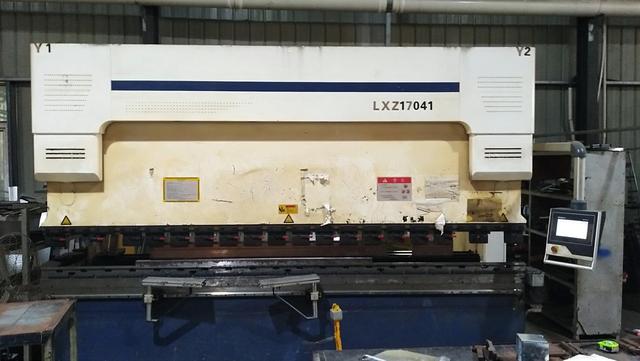
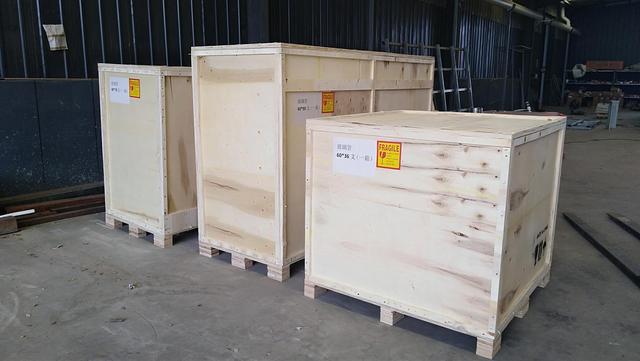
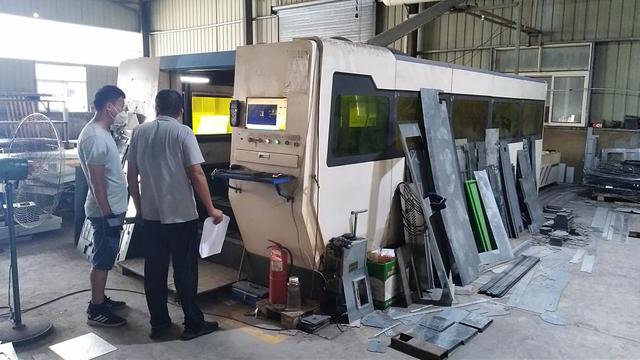
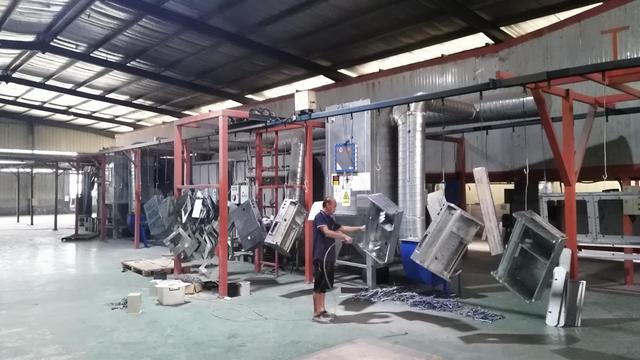
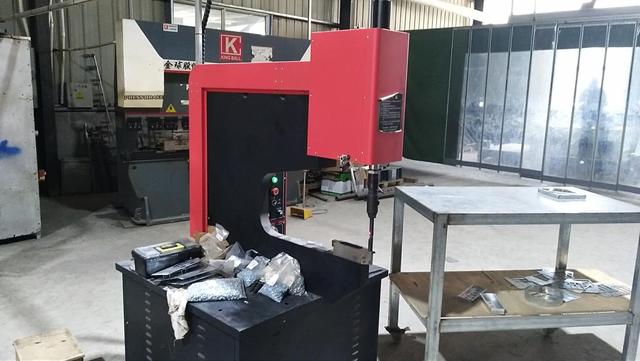
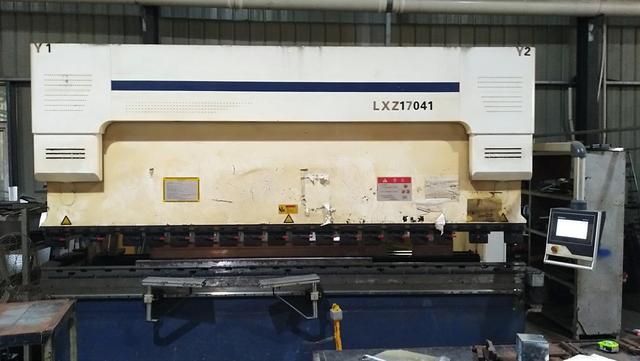
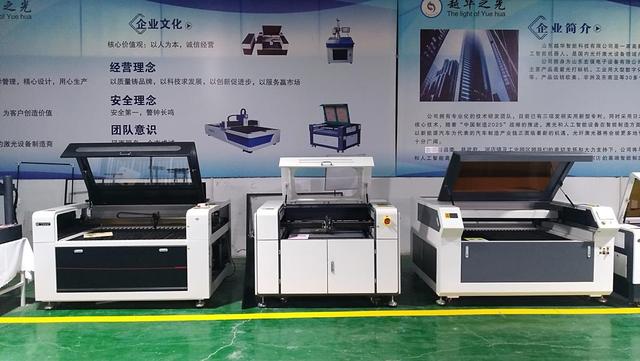
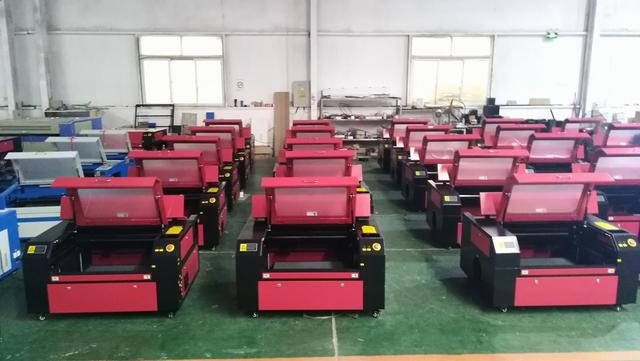
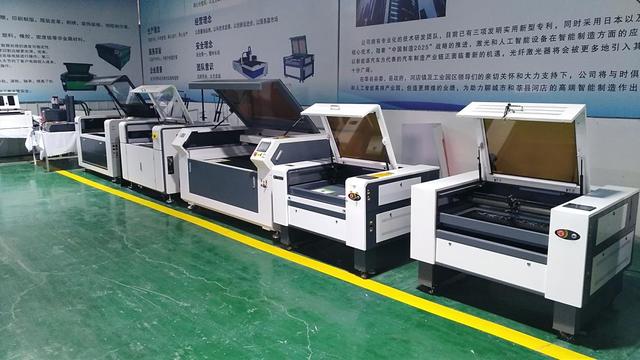
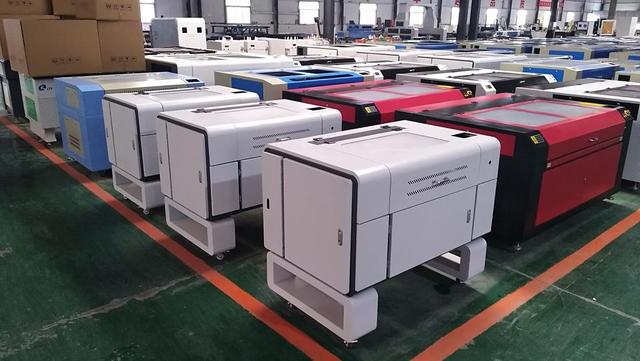
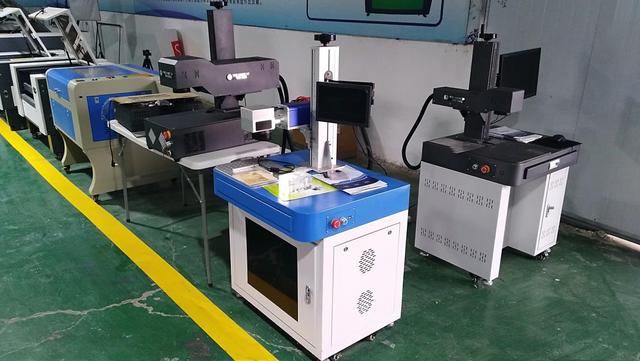
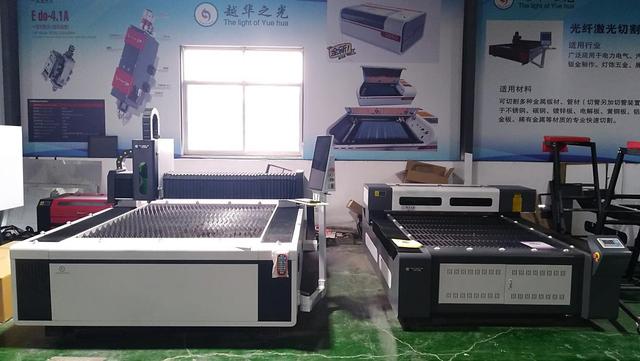
Inside Hangzhou Kinray Laser's testing labs, clean assembly rooms, and quality control departments.
Technical answers to key B2B sourcing and system integration questions.
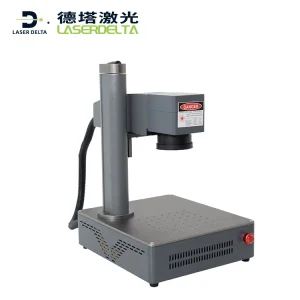
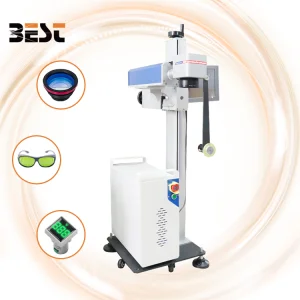
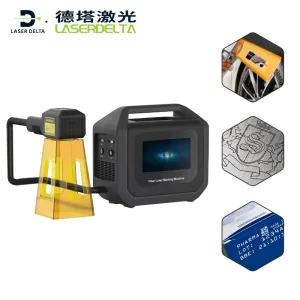
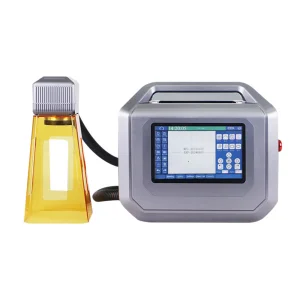
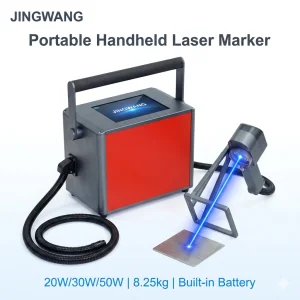
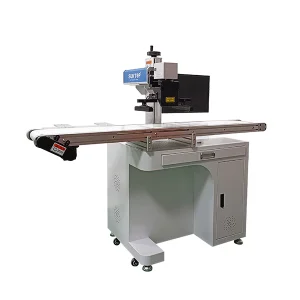
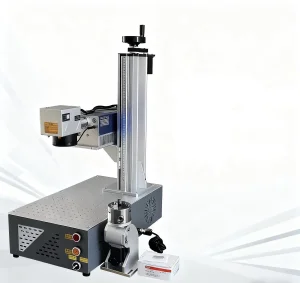
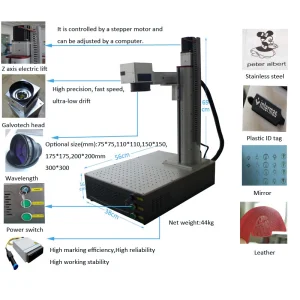
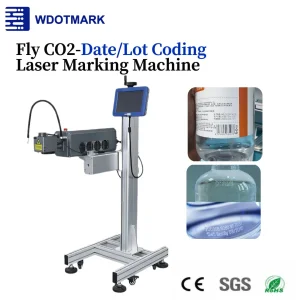
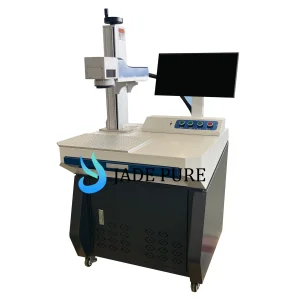
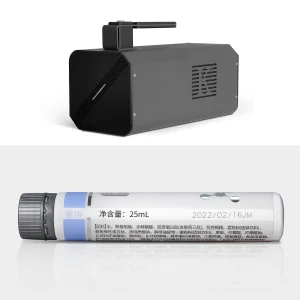
Versatile workstations designed for desktop manufacturing, automated inline production, and field operation tracing.
 Kinray Laser