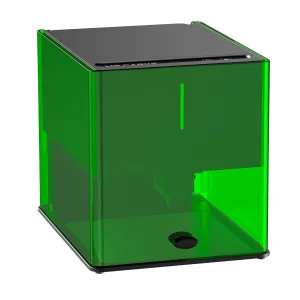
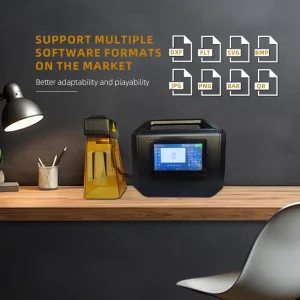
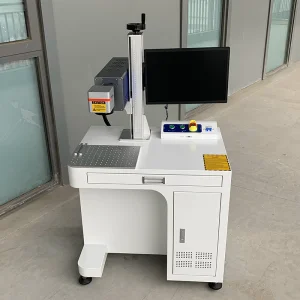
Explore our cutting-edge, high-precision industrial systems engineered to deliver maximum throughput, trace integrity, and system uptime.
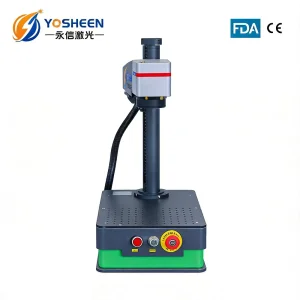
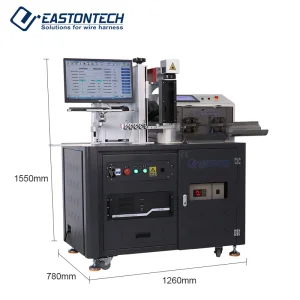
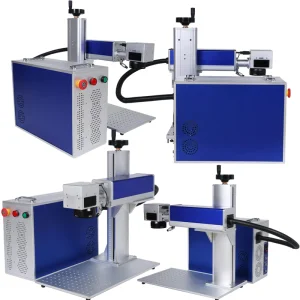
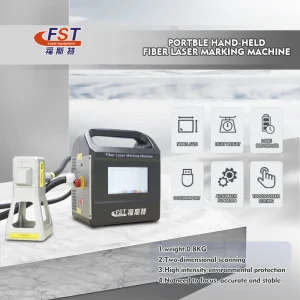
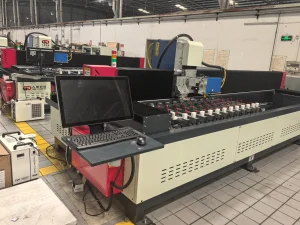
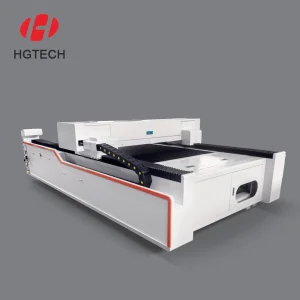
In the modern era of smart factory ecosystems (Industry 4.0), track-and-trace compliance has moved from a standard regulatory requirement to an operational imperative. Traditional ink-based or mechanical indentation methods are rapidly being replaced by advanced non-contact optical marking technologies. Today's global production lines demand marking systems that guarantee permanence, speed, and microscopic clarity, without inducing structural or thermal degradation on sensitive substrates.
Laser marking technologies operate by utilizing focused coherent light to alter the physical or chemical properties of a target surface. Depending on the laser source wavelength, pulse duration, and peak power, the processing mechanics alter dramatically:
Leveraging a vertically integrated supply chain, strict international quality management standards, and unmatched localization agility.
China’s dominance in the global industrial machinery market is built upon highly integrated logistics networks and specialized technology clusters. Hangzhou Kinray Laser Co., Ltd. utilizes these environmental benefits by manufacturing at the intersection of precision engineering and cost optimization. Unlike local assembly shops, Kinray Laser handles optical design, software integration, structural engineering, and customized motion kinematics in-house.
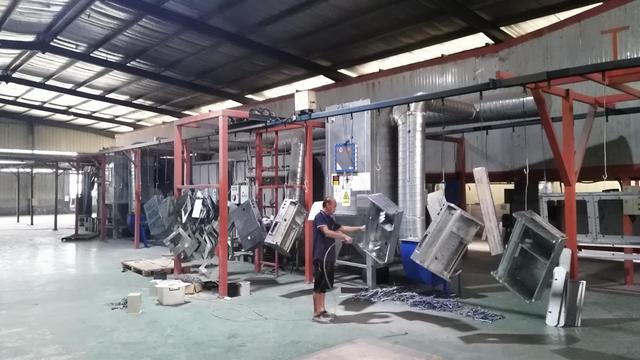
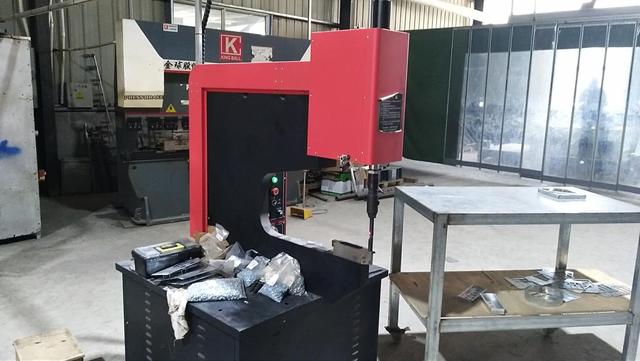
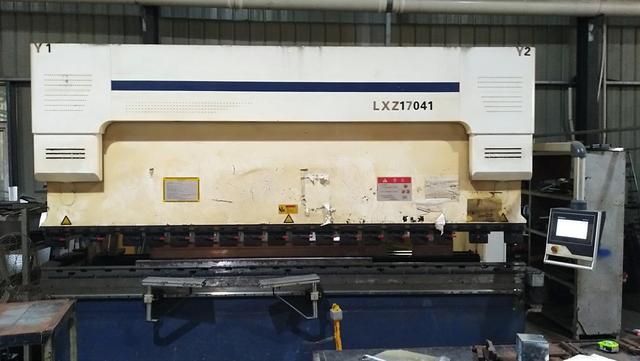
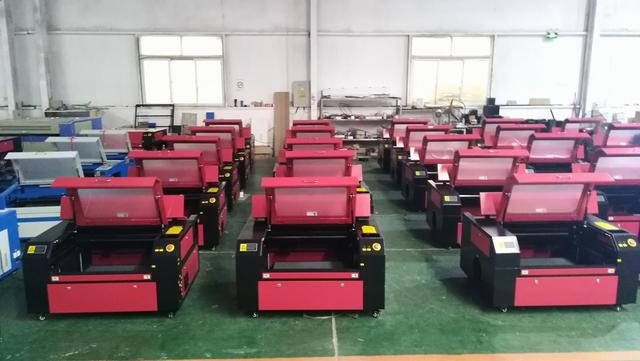
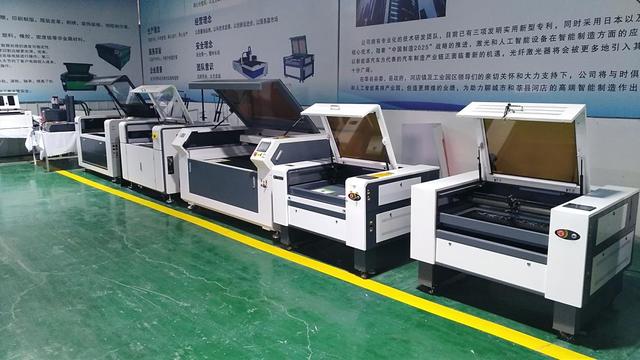
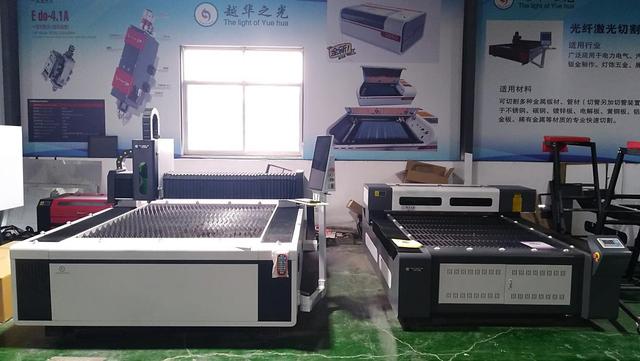
Our manufacturing facility in Hangzhou utilizes state-of-the-art testing equipment including laser power meters, beam profilers, and industrial coordinate measuring machines (CMM). By implementing modular engineering, we can adapt our base platforms to customer requirements—such as custom software interfaces, conveyor synchronization, or safety enclosures—in weeks rather than months.
How industries use laser systems to streamline tracking, and the emerging trends that will shape the production lines of tomorrow.
Direct Part Marking (DPM) of DataMatrix codes on engine blocks, transmissions, and safety-critical hardware. Marks must withstand heat, post-process machining, and chemical washes.
Applying Unique Device Identification (UDI) marks on surgical stainless steel and medical polymers using UV cold-marking to avoid compromising corrosion-resistant surface coatings.
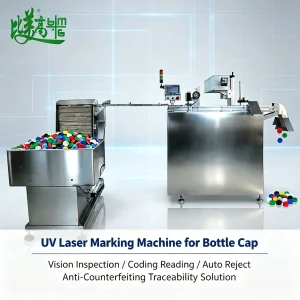
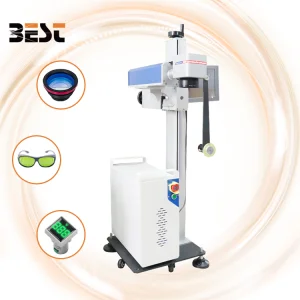
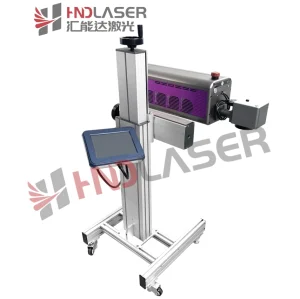
Online flying laser marking on plastic bottles, aluminum cans, and cardboard shipping packages. Systems operate continuously at speeds up to 15 m/s, matching high-speed filling lines.
Micro-marking of serial numbers and matrix codes on PCBs, epoxy packages, and silicon wafers. High beam quality is required to prevent thermal micro-cracks.
The laser marking industry is transitioning from manual, open-loop configurations to intelligent closed-loop automated solutions. Key emerging trends include:
Technical parameters across main laser technologies. Match system specifications with your facility's operational requirements.
| Laser Source Type | Typical Wavelength | Ideal Target Materials | Key Application Advantage | Expected Source Lifetime |
|---|---|---|---|---|
| Fiber Laser (Q-Switched) | 1064 nm | Stainless Steel, Carbon Steel, Aluminum, Brass, Hard Plastics | High peak power, deep engraving capability, robust design for metal processing. | Up to 100,000 Hours |
| MOPA Fiber Laser | 1064 nm (Variable Pulse) | Stainless Steel (Color), Anodized Aluminum, Abs Plastics | Adjustable pulse duration (4–200 ns) allows color marking and prevents melting. | Up to 100,000 Hours |
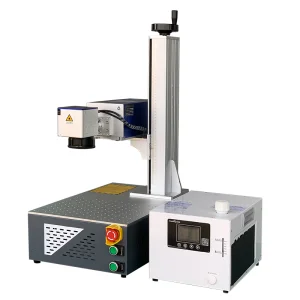
| UV (Solid State) Laser | 355 nm | HDPE, Glass, Medical Plastics, Silicon, PCB Substrates | Photochemical alteration prevents micro-cracks and thermal damage on sensitive parts. | 20,000 - 30,000 Hours |
| CO2 Gas Laser | 10,600 nm | Wood, Acrylic, Leather, Rubber, Glass, Coated Cartons | High optical absorption rate in organic materials, cost-effective for non-metals. | 20,000 - 45,000 Hours |
Hangzhou Kinray Laser Co., Ltd. is a leading China industrial laser marking machine manufacturer specializing in advanced fiber and UV laser solutions for global manufacturing industries. With a strong focus on innovation, precision, and intelligent manufacturing, Kinray Laser is committed to delivering high-performance laser equipment that improves production efficiency, product traceability, and marking quality.
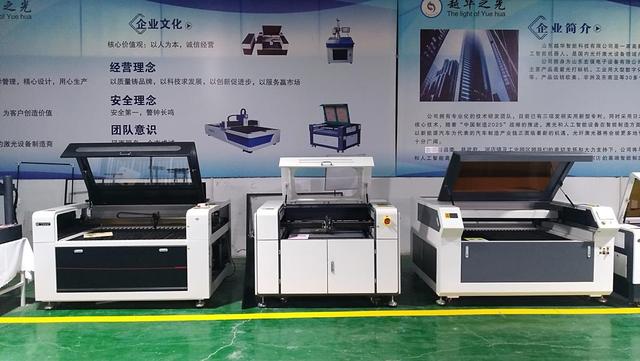
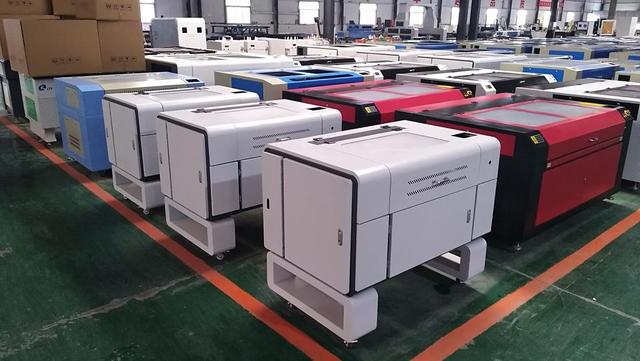
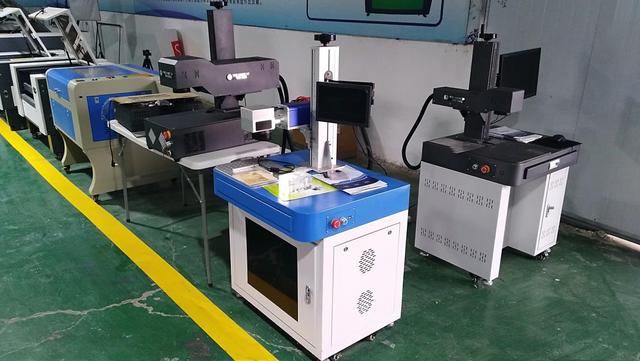
Located in Hangzhou, China, the company integrates research and development, manufacturing, sales, and technical support to provide comprehensive laser processing solutions for customers worldwide. Our extensive product portfolio includes fiber laser marking machines, UV laser marking machines, CO2 laser marking systems, MOPA laser markers, flying laser marking machines, 3D laser marking equipment, and customized automated laser solutions.
Equipped with advanced production facilities and rigorous quality management systems, Kinray Laser maintains strict quality control throughout every stage of manufacturing. Each machine undergoes comprehensive testing to ensure stable performance, reliability, and compliance with international standards.
To support global customers, we offer flexible OEM and ODM services for distributors, system integrators, equipment brands, and industrial manufacturers. Our experienced engineering team works closely with customers to develop customized laser solutions tailored to specific production requirements, automation needs, and industry applications.
In-depth technical explanations to assist system integrators, manufacturing managers, and procurement officers.
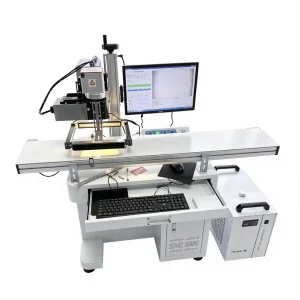
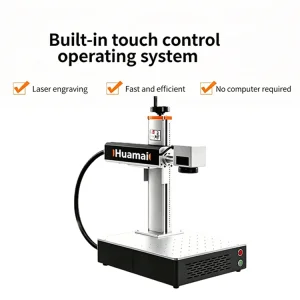
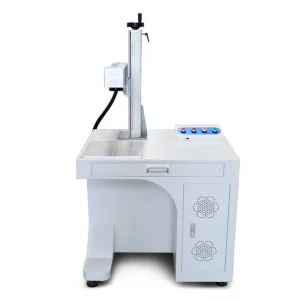
Explore our specialized range, including dynamic online flying markers, high-stability CO2 systems, and automated UV markers.
 Kinray Laser