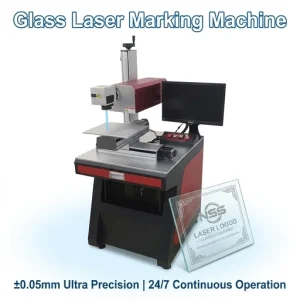
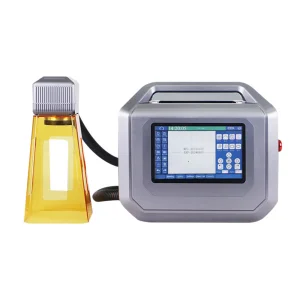
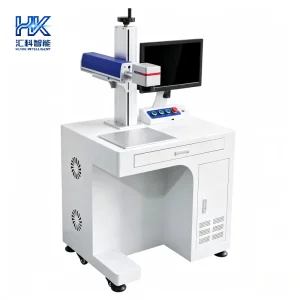
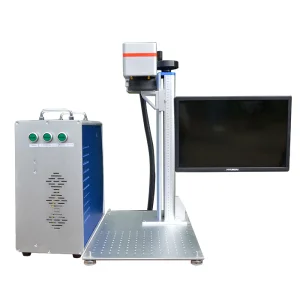
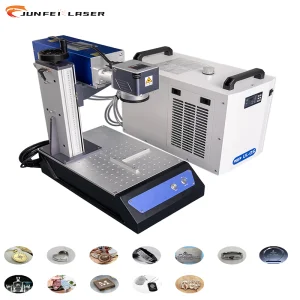
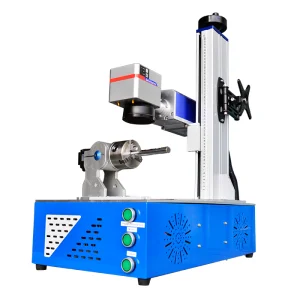
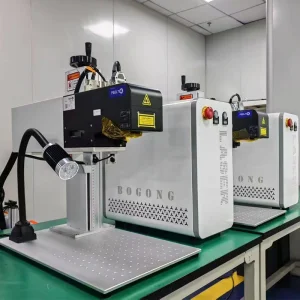
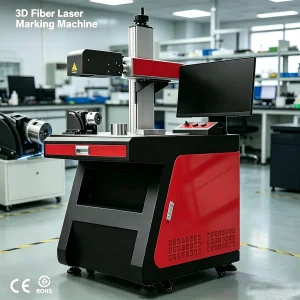
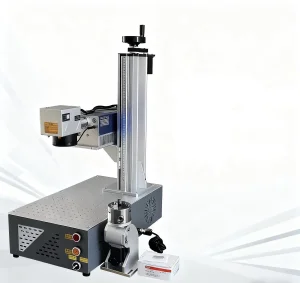
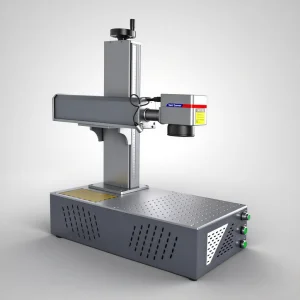
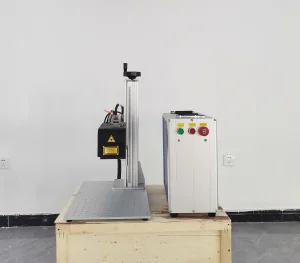
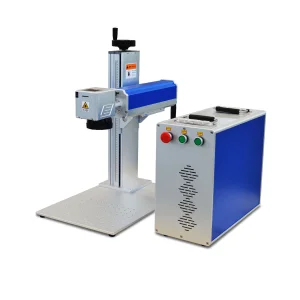
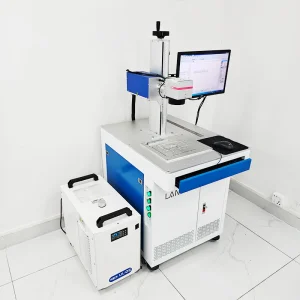
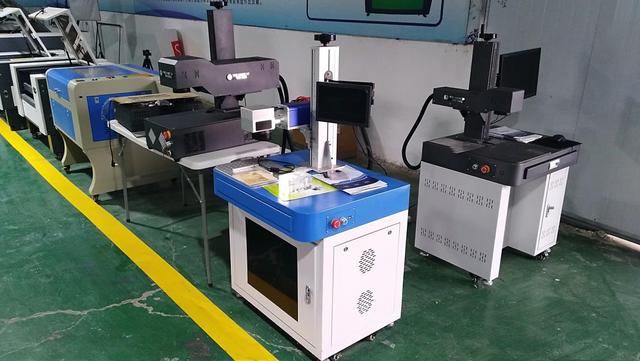
Explore our primary 3D laser marking platforms configured with dynamic focusing galvos and high-efficiency laser engines, delivering robust marking performance on complex surfaces.
Fiji’s modern industrial and commercial sector is undergoing a rapid technological modernization. From high-end resort souvenirs and marine engineering infrastructure to food and beverage packaging traceability, local enterprises are transitioning away from traditional mechanical carving and ink-jet printing. To meet international standard compliance—specifically regarding permanent product serialization, environmental safety, and anti-counterfeiting—manufacturers are implementing advanced optical tooling.
Traditional 2D laser marking systems present operational limits when dealing with height offsets, step variances, or curved shapes. A 3D laser marking machine bridges this structural gap. Leveraging a three-axis dynamic focusing system, the laser focal length adjusts dynamically in real time. This ensures that the beam quality remains perfect even across multi-level surfaces, spherical profiles, and complex inclines, without losing spot energy density or distorting characters.
In a standard 2D laser configuration, the laser beam is directed through static galvo mirrors and projected via an F-Theta field lens. The plane of focus is entirely flat; any surface height variation that falls outside the Rayleigh length results in defocus, beam degradation, and burn marks.
Kinray's 3D laser marking machines employ an optical focal control axis located *before* the galvo scanning mirrors. This dynamic Z-axis movement element shifts the divergence of the beam before it hits the high-speed scanning galvos. By synchronizing the Z-axis linear motor with the X and Y coordinate inputs in the software, the machine controls the spot size and focal position on the fly. Whether you are marking deep 3D cavities, domes, or industrial cylinders, the laser spot remains uniformly focused, yielding crisp, mark-free engravings.
Engineered to integrate seamlessly into production environments, ensuring consistent marking density across variable geometries.
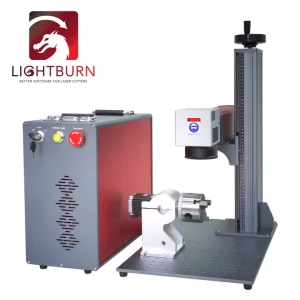
At Kinray Laser, we optimize and pre-configure our marking engines to meet the processing demands of key sectors in Suva, Lautoka, Nadi, and the outlying islands:
Five-star eco-resorts across the Mamanuca and Yasawa Islands demand bespoke brand placement. Using UV "cold marking" technologies, our systems achieve high-detail frosted results on delicate drinkware, crystal decanters, and promotional glassware without thermal micro-cracking.
Given Fiji’s maritime positioning, metal components are subject to high salinity. Kinray MOPA fiber lasers generate oxide markings on stainless steel (Grade 316) that resist corrosion, seawater degradation, and physical friction, preserving readable part numbers and barcodes.
Suva’s food processing lines utilize our flying CO2 and UV laser markers to burn non-contact date codes directly onto PET bottles, plastics, and agricultural packaging cardboards, complying with Biosecurity Authority of Fiji regulations.
Industrial production demands adaptive engineering. Next-generation systems developed by Kinray Laser incorporate coaxial vision inspection and 3D distance sensors. Instead of manual height calibration, the laser marker recognizes workpiece contours automatically, adjusting the focal projection on the fly.
This AI-supported tracking eliminates positioning errors and guarantees uniform laser engraving intensity regardless of slight workpiece positioning misalignments. For global distributors and suppliers servicing small to medium manufacturing in Pacific island nations, this self-correcting setup significantly reduces operational training demands and scrap rates.
Fiji's warm, high-humidity, marine atmosphere requires robust equipment design. Kinray Laser adapts machines for these environments:
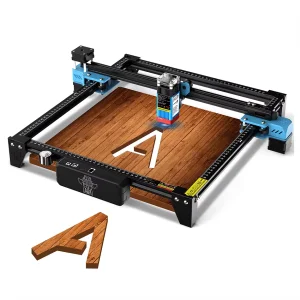
Review our range of heavy-duty MOPA fiber systems, high-accuracy ultraviolet markers, and dual-purpose laser cutters configures for local power setups.
Get answers to critical technical queries concerning the operation, maintenance, and logistics of Kinray 3D laser systems.
Hangzhou Kinray Laser Co., Ltd. is a leading China industrial laser marking machine manufacturer specializing in advanced fiber and UV laser solutions for global manufacturing industries. With a strong focus on innovation, precision, and intelligent manufacturing, Kinray Laser is committed to delivering high-performance laser equipment that improves production efficiency, product traceability, and marking quality.
Located in Hangzhou, China, the company integrates research and development, manufacturing, sales, and technical support to provide comprehensive laser processing solutions for customers worldwide. Our extensive product portfolio includes fiber laser marking machines, UV laser marking machines, CO2 laser marking systems, MOPA laser markers, flying laser marking machines, 3D laser marking equipment, and customized automated laser solutions.
Kinray Laser products are widely used in electronics, automotive, medical devices, precision hardware, jewelry, packaging, aerospace, consumer goods, and industrial manufacturing industries. Designed for high-speed, high-precision, and permanent marking applications, our systems are capable of processing a wide range of materials, including metals, plastics, ceramics, glass, and composite materials.
Equipped with advanced production facilities and rigorous quality management systems, Kinray Laser maintains strict quality control throughout every stage of manufacturing. Each machine undergoes comprehensive testing to ensure stable performance, reliability, and compliance with international standards.
To support global customers, we offer flexible OEM and ODM services for distributors, system integrators, equipment brands, and industrial manufacturers. Our experienced engineering team works closely with customers to develop customized laser solutions tailored to specific production requirements, automation needs, and industry applications.
Driven by technological innovation and customer satisfaction, Hangzhou Kinray Laser Co., Ltd. continues to expand its global presence and strives to become a trusted partner for intelligent laser processing solutions, helping manufacturers achieve smarter, more efficient, and sustainable production.
 Kinray Laser