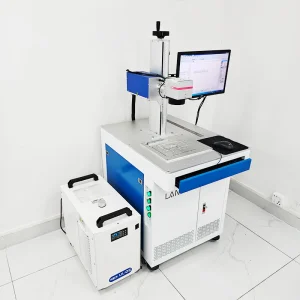
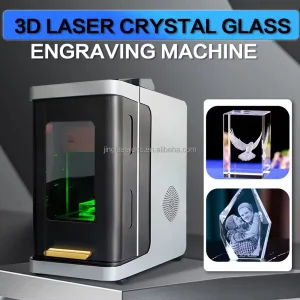
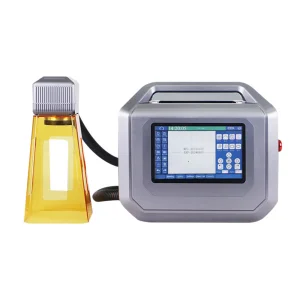
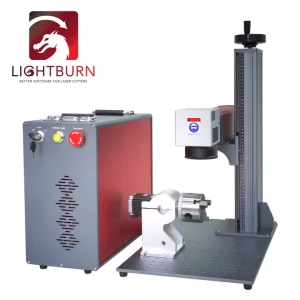
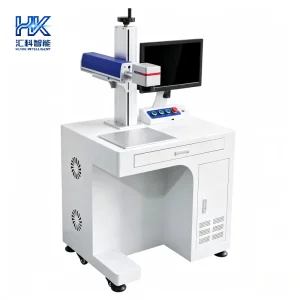
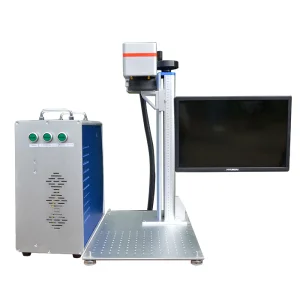
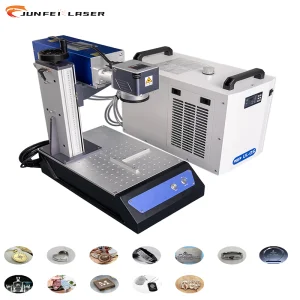
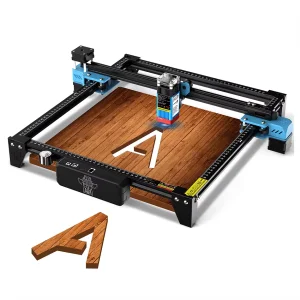
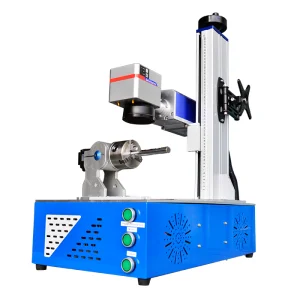
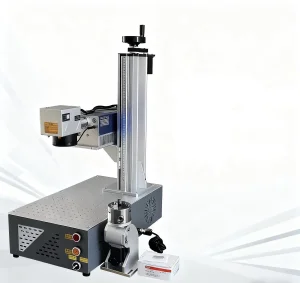
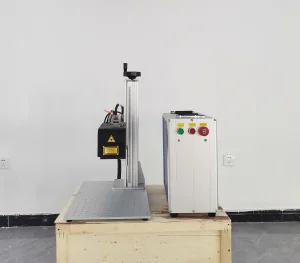
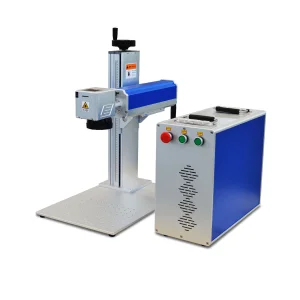
Engineered for curved surface mapping, multi-level substrates, and high-efficiency automation integrations.
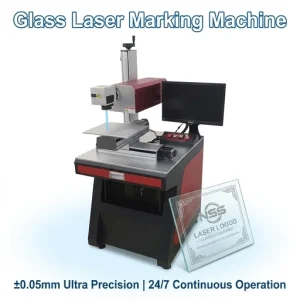
Analyzing the technological demands of precision-oriented industrial ecosystems.
Singapore’s manufacturing sector, representing over 20% of the nation's GDP, is undergoing a rapid transition toward high-value, high-complexity assembly. Under the Manufacturing 2030 vision, the nation is reinforcing its status as a global hub for Advanced Manufacturing. Key clusters including the Jurong Innovation District, Seletar Aerospace Park, and Woodlands Industrial Zone now depend on next-generation traceability. Traditional 2D marking systems present clear bottlenecks on curved, stepped, or slanted industrial shapes due to focal plane distortion. This is where 3D laser marking technologies are stepping in.
Unlike 2D configurations that require parts to lie on a flat surface, 3D laser marking utilizes real-time dynamic focus adjustments. An electronic Z-axis control system alters the optical path distance, coordinating with X and Y galvanometers in milliseconds. This dynamic tracking ensures that the spot size remains uniform across complex geometries, preventing distortions, burns, or faint marks. For Singapore’s critical medical device, semiconductor backend, and precision tooling lines, this represents a major step forward in permanent part marking and absolute compliance.
Unlike traditional mechanical focal adjustments, our dynamic 3-axis galvanometer systems adjust focal length in real time, sustaining perfect beam alignment on curves up to ±60° inclination.
Designed to comply with FDA and HSA Unique Device Identification (UDI) protocols, our systems ensure cleanroom-compliant marking on stainless steel, PEEK, and cobalt-chrome medical components.
All Kinray Laser marking systems delivered to Singapore are fully integrated with interlocking safety guards, emergency shut-offs, and exhaust control designs for secure workstation usage.
Evaluating laser source performance across key engineering materials.
| Laser Source Type | Wavelength | Best-Suited Materials | Ideal Applications in Singapore | Key Technical Strengths |
|---|---|---|---|---|
| Fiber (MOPA / Q-Switched) | 1064 nm | Alloy Steels, Titanium, Copper, Anodized Alum. | Aerospace parts, electronic casings, deep metal engraving | Adjustable pulse duration, high contrast on metal substrates |
| Ultraviolet (UV) "Cold Light" | 355 nm | Polymers, Glass, Silicon Wafers, Sapphire | Semiconductor package marking, medical plastic implants | Ultra-fine marking, minimal thermal zone, no micro-cracking |
| CO2 Laser Systems | 10,600 nm | Acrylic, Plywood, Ceramics, Glass, Leather | Precision packaging, acrylic microfluidic chips, paperboard | High absorption rates on organic materials and wood |
How top-tier 3D laser systems resolve specific assembly challenges in local industrial hubs.
With major microchip testing and backend packaging facilities located across Singapore, high-speed 3D UV marking has become standard practice. Silicon packages, QFN leads, and ceramic chip packages often present height variances or sloped step contours. Our 3D UV laser marking systems calibrate their depth profile automatically, maintaining precise spot size to deliver clear, microscopic 2D codes without causing structural delamination.
Engine components, fan blades, and turbine parts operate under significant thermal stress and mechanical strain. Standard 2D engraving processes risk structural defects if stress vectors are concentrated. Our high-power 3D MOPA fiber laser marking systems deliver smooth, non-contact surface markings on convex and concave components, meeting AS9100 aerospace traceability guidelines without compromising part integrity.
Medical instruments require high-contrast markings that resist chemical cleaning and passivation. Under HSA guidelines, surgical tools, orthodontic implants, and dental devices require permanent tracking. UV and MOPA 3D fiber systems allow dark marking on titanium and medical stainless steel without breaching outer passivation layers, preventing corrosion during sterilization.
Singapore holds a major share of the global high-precision optics market. Marking curved lenses, glassware, and fiber optic tubes requires highly precise focal lengths. Our 3D dynamic UV laser engravers handle subsurface glass patterns and curved glass engraving without causing structural cracking, maintaining design integrity.
Hangzhou Kinray Laser Co., Ltd. bridges the gap between high-precision optical engineering and cost-effective production. By procuring direct from our ISO 9001:2015 certified manufacturing facility, engineering leads in Singapore gain several key advantages:
Every Kinray laser system undergoes a rigorous 72-hour continuous burn-in test, power fluctuation inspection, and coordinate calibration to ensure stable performance upon arrival in Singapore.
Ensure your procurement lines meet Singapore’s standards:
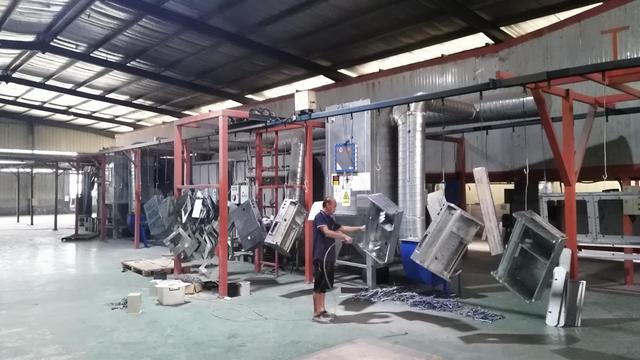
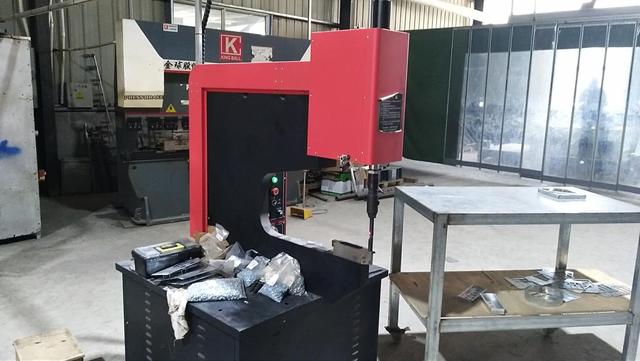
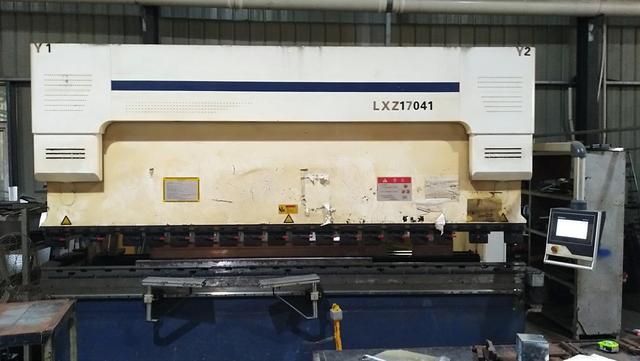
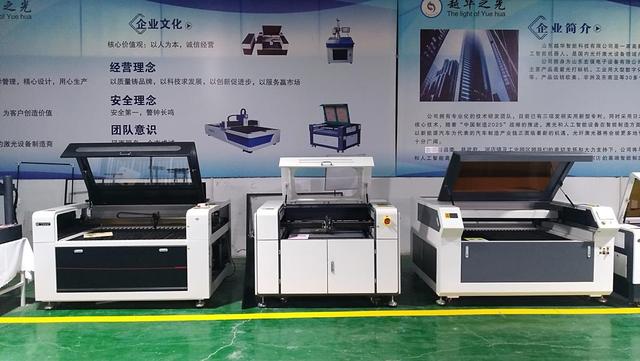
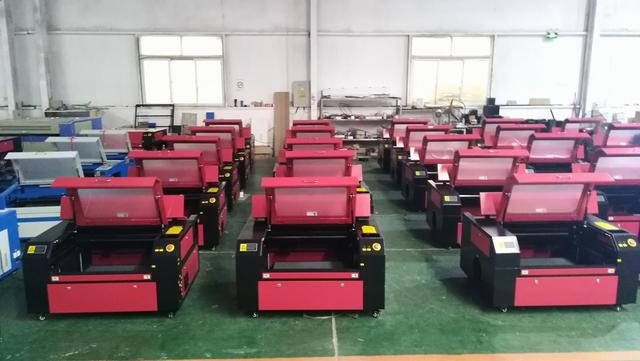
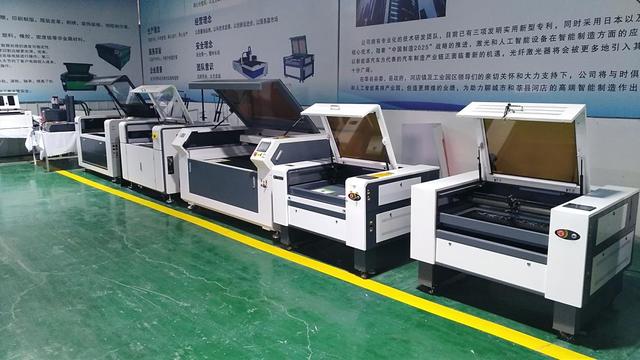
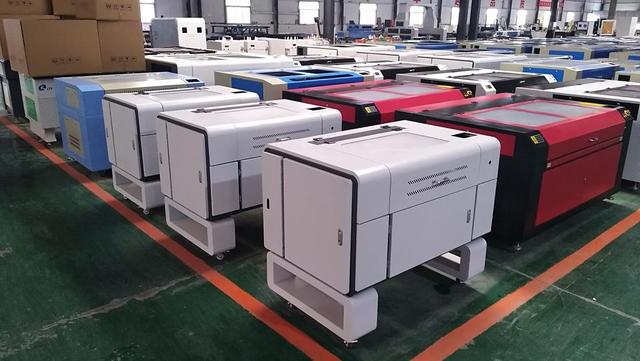
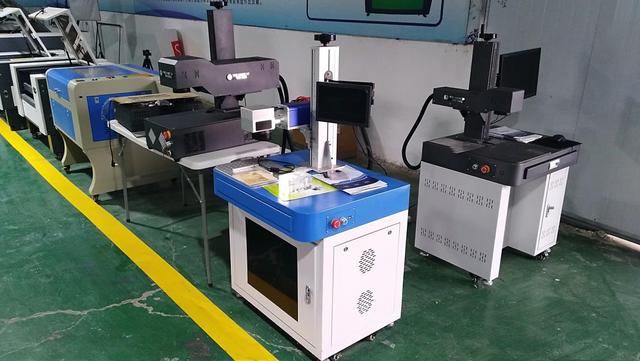
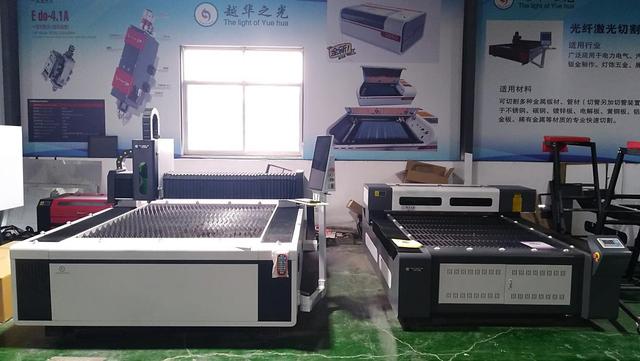
Explore our assembly floors, testing facilities, and precision quality-assurance areas.
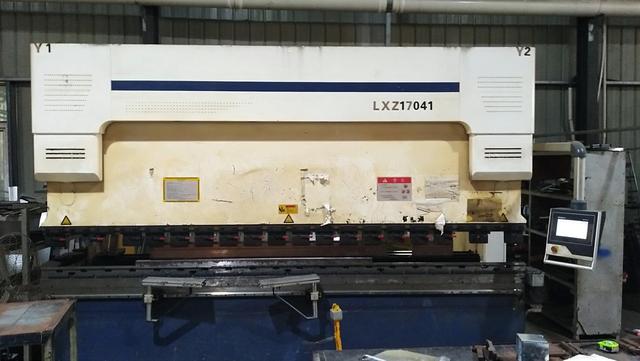
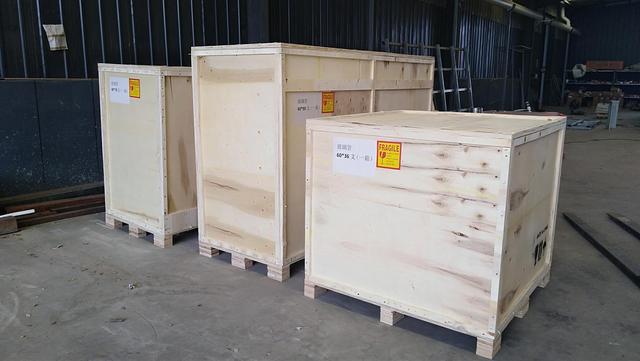
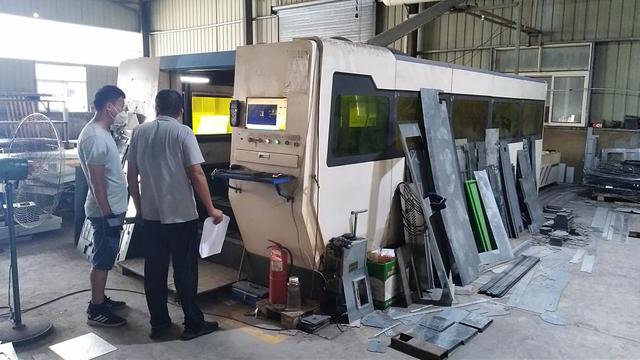
Selecting the optimal wavelength and configuration for your manufacturing workflow.
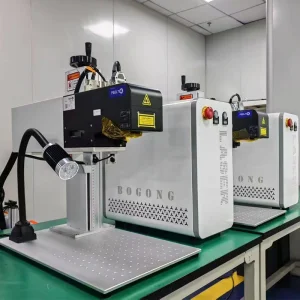
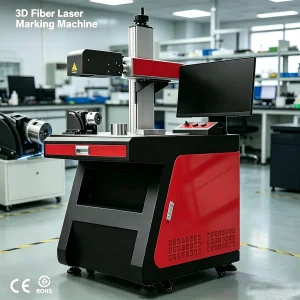
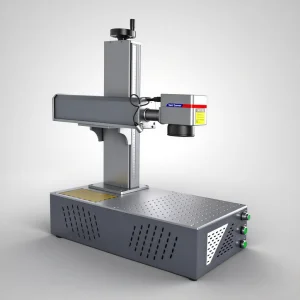
Addressing the specific concerns of engineering, procurement, and operations managers in Singapore.
Traditional 2D marking systems have a fixed focal length. When marking a workpiece with steps or height changes, areas outside the focal plane experience beam expansion, resulting in faded marks or burning. 3D laser marking systems solve this using a dynamic focus axis that dynamically adjusts the optical focal plane in sync with the scanner. This keeps the spot size and energy density constant, ensuring sharp markings on curved, angled, or stepped surfaces without physical adjustments.
Under the National Environment Agency (NEA) regulations in Singapore, Class 3B and Class 4 lasers require user licenses (N3) and apparatus licenses (N2) for possession and operation. Our enclosed Class 1 systems limit beam exposure, helping ease the approval process. We provide technical support documentation, optical density (OD) glass specifications, and interlock details to support your safety audits and application submissions.
Yes. MOPA (Master Oscillator Power Amplifier) fiber lasers allow fine control over pulse width, frequency, and energy density. By tuning these parameters, you can heat the surface of metals like stainless steel (e.g., SS316L) or titanium to create precise oxide layers of varying thicknesses. These layers refract light differently to produce colored markings without damaging the material's underlying corrosion resistance, which is highly beneficial for medical devices and jewelry.
Our 3D marking systems run on specialized controllers that support modern software interfaces (including EzCad3 and custom SDKs). We provide API libraries supporting C++, C#, and Python, allowing direct integration with manufacturing execution systems (MES), SQL databases, and barcode scanners. This supports automated serialization, data logging, and inline quality control without manual data entry.
We provide comprehensive remote technical support, including video diagnostic sessions, teamviewer software updates, and lens calibration support. If on-site intervention is required, we work with local engineering service partners in Singapore to deliver prompt onsite troubleshooting, swap out optical spares, and perform routine maintenance to minimize production downtime.
For medical-grade polymers (such as PEEK, ABS, or PU), we recommend a 355nm UV laser. Its cold marking mechanism relies on photochemical processes to modify molecules directly, minimizing thermal input and avoiding carbonization or bubbling. This produces high-contrast, cleanroom-ready markings that are completely sterile and biocompatible.
Consult with our applications team to select the right 3D laser marking configurations, test sample workpieces, or request an engineering quote.
 Kinray Laser