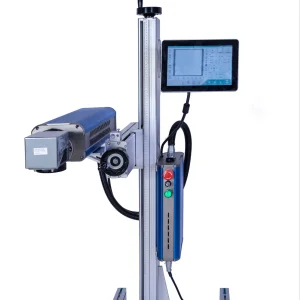
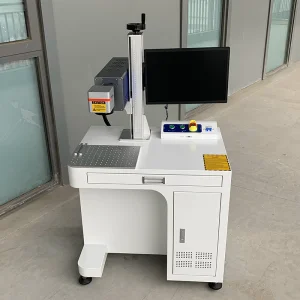
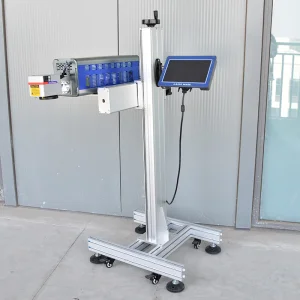
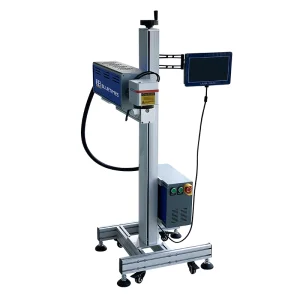
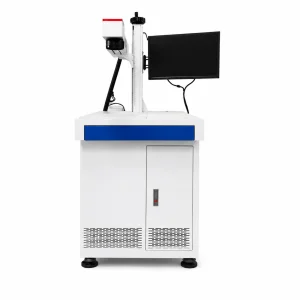
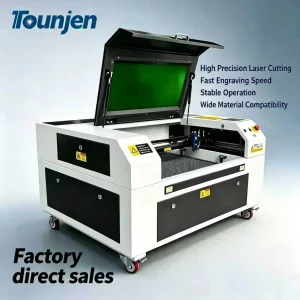
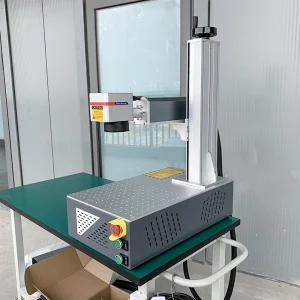
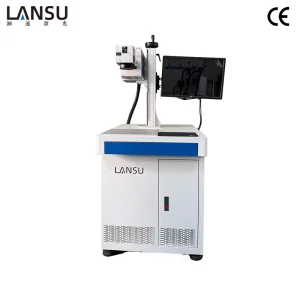
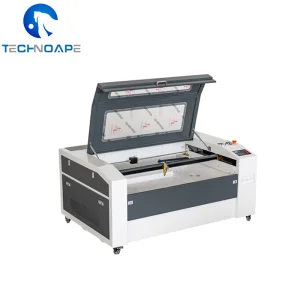
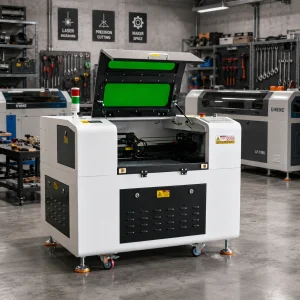
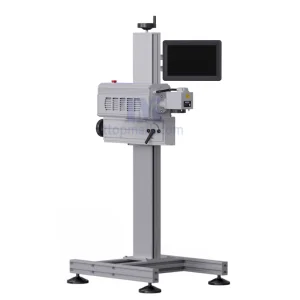
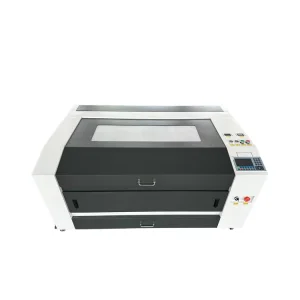
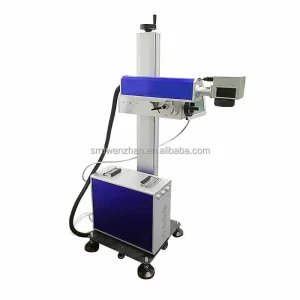
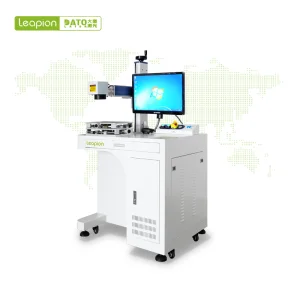
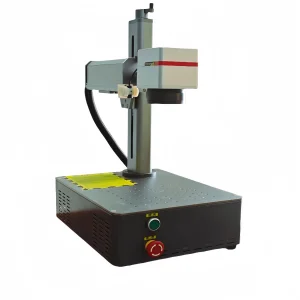
Select systems engineered for integration into high-velocity production lines, offering micron-level precision and unmatched reliability.
Why high-efficiency CO2 laser technology has become the cornerstone of northern Italy's advanced manufacturing ecosystem.
Milan is the global epicentre of fashion. High-end designers and leather manufacturers utilize CO2 lasers to execute micro-perforations, intricate patterning, and permanent brand marking on organic leather and premium synthetic textiles.
With Italy's strict compliance protocols (such as serialization for pharmaceutical tracking), high-speed flying CO2 lasers provide indelible, non-contact date coding, barcodes, and batches on glass vials, carton boards, and polymer films.
From dashboard controls to custom Brianza wood panels, CO2 lasers enable clean, permanent, non-reactive engraving. Local tier-1 suppliers mandate laser technologies that integrate directly with automated production lines.
The manufacturing heart of Italy—Lombardy—commands a diverse range of processing challenges. Unlike metal-heavy processing regions, Milan's manufacturing industry is heavily integrated with luxury design, consumer packaged goods, and precise electronic parts. Therefore, non-metal laser material processing is vital. High-frequency CO2 laser sources operating at 10.6 μm and 9.3 μm are specifically calibrated to prevent thermal damage, maintaining the aesthetic and structural integrity of the substrate.
Understanding the interaction between specific optical wavelengths and different substrates is critical for procurement engineering in the Milan market. CO2 lasers utilize a gas mixture (typically carbon dioxide, nitrogen, and helium) excited by an electrical discharge or radiofrequency (RF) field to emit light in the far-infrared spectrum. Choosing the correct wavelength determines the yield quality and mechanical stress on the target component:
For industrial-grade exporters targeting the Milan market, the choice of the laser source is a primary factor in Total Cost of Ownership (TCO):
Radiofrequency (RF) Excited Metal Cavities: Featured in our premium lines, these systems use all-metal configurations. They offer exceptional beam quality (M² < 1.2), ultrafast pulsing capabilities, and lifespans exceeding 35,000 operation hours before gas replenishment. The stability of the RF output ensures minimal pulse-to-pulse variation, which is essential for uniform etching on luxury materials.
Direct Current (DC) Glass Tubes: A budget-conscious choice for engraving, featuring high peak-power outputs. Suitable for offline applications where constant duty cycles are not mandatory. Our glass tube systems are water-cooled and supported by AI-assisted thermal sensors to maintain beam alignment during extended operation.
| Parameters | RF-Excited Metal CO2 System | DC Glass Tube CO2 System |
|---|---|---|
| Average Lifespan | 35,000 - 50,000 Hours (Refillable) | 8,000 - 10,000 Hours (Consumable) |
| Marking Velocity | Up to 12,000 mm/s (Dynamic flying) | Up to 4,000 mm/s (Static processing) |
| Pulse Stability | < ± 2% (Consistent deep marking) | < ± 5% (Slight thermal fluctuations) |
| Cooling Style | Air-Cooled or Compact Chiller | Water-Cooled (Recirculating Chiller required) |
Engineered for versatility across non-metallic components and delicate organic surfaces.
Purchasing machinery from Chinese factories for deployment in Italy requires strict adherence to European Union safety regulations. Compliance is not simply a legal barrier; it is a critical safety parameter to protect local workforces. Ensure any imported laser systems meet the following key parameters:
Any CO2 laser imported into Milan must carry a valid CE mark, representing compliance with:
Under European safety standard EN 60825-1, laser systems are categorized by their optical risk profile:
Class 1 Systems: Fully enclosed systems where operator exposure to radiation is impossible during normal operation. This is highly recommended for workstations, cleanrooms, and manual loading bays.
Class 4 Systems: Open systems, such as flying lasers built over automated conveyors. These systems require local containment walls, active extraction systems, interlock connections, and mandatory laser safety glasses (with OD ratings typically > 5 at 10,600 nm).
Ablation of organic plastics, acrylic, and leather generates hazardous volatile organic compounds (VOCs) and micro-fine dust. Italian environmental protection regulations mandate heavy-duty multi-stage filtration systems featuring pre-filters, HEPA filters, and thick activated carbon beds to neutralize hazardous chemical bypasses before exhaust discharge.
The manufacturing plants of Lombardy are leading digital transformations under Italy’s *Transizione 4.0* national plan. Industrial equipment must interface with supervisory control and data acquisition (SCADA) networks. Our hardware architecture has adapted to support this change:
Our CO2 marking controllers are designed with multi-channel communication pipelines, enabling seamless industrial automation integration:
Integrating AI-supported cameras into the laser optical path allows the system to auto-detect target parts, adjust rotation alignments, correct focal offsets, and run optical character verification (OCV) immediately after marking. This significantly minimizes errors and scrap in high-speed workflows.
Hangzhou Kinray Laser Co., Ltd. is a leading China industrial laser marking machine manufacturer specializing in advanced fiber and UV laser solutions for global manufacturing industries. With a strong focus on innovation, precision, and intelligent manufacturing, Kinray Laser is committed to delivering high-performance laser equipment that improves production efficiency, product traceability, and marking quality.
Located in Hangzhou, China, the company integrates research and development, manufacturing, sales, and technical support to provide comprehensive laser processing solutions for customers worldwide. Our extensive product portfolio includes fiber laser marking machines, UV laser marking machines, CO2 laser marking systems, MOPA laser markers, flying laser marking machines, 3D laser marking equipment, and customized automated laser solutions.
Kinray Laser products are widely used in electronics, automotive, medical devices, precision hardware, jewelry, packaging, aerospace, consumer goods, and industrial manufacturing industries. Designed for high-speed, high-precision, and permanent marking applications, our systems are capable of processing a wide range of materials, including metals, plastics, ceramics, glass, and composite materials.
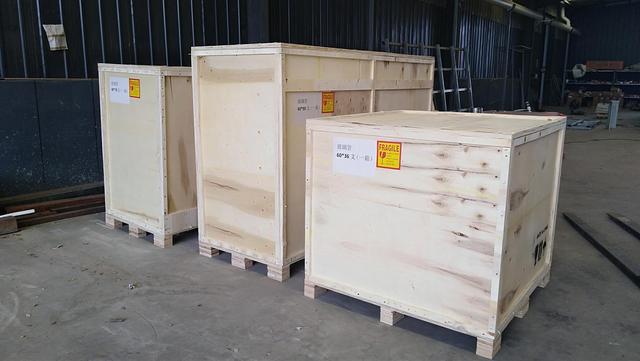
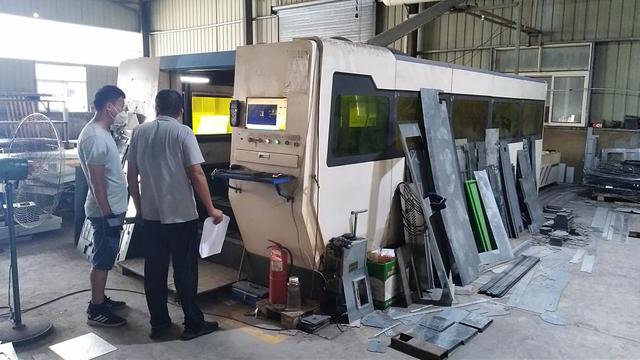
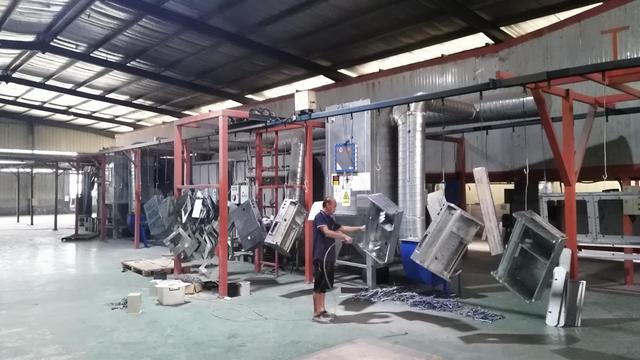
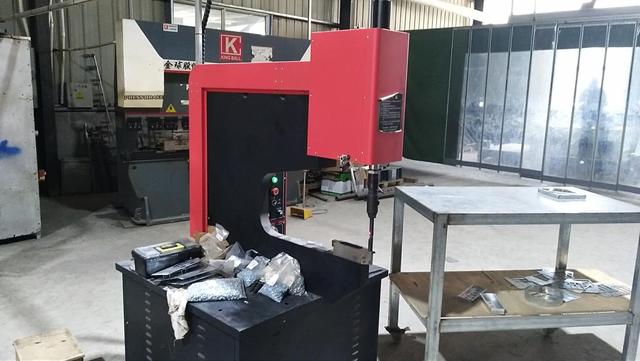
Equipped with advanced production facilities and rigorous quality management systems, Kinray Laser maintains strict quality control throughout every stage of manufacturing. Each machine undergoes comprehensive testing to ensure stable performance, reliability, and compliance with international standards.
To support global customers, we offer flexible OEM and ODM services for distributors, system integrators, equipment brands, and industrial manufacturers. Our experienced engineering team works closely with customers to develop customized laser solutions tailored to specific production requirements, automation needs, and industry applications.
Driven by technological innovation and customer satisfaction, Hangzhou Kinray Laser Co., Ltd. continues to expand its global presence and strives to become a trusted partner for intelligent laser processing solutions, helping manufacturers achieve smarter, more efficient, and sustainable production.
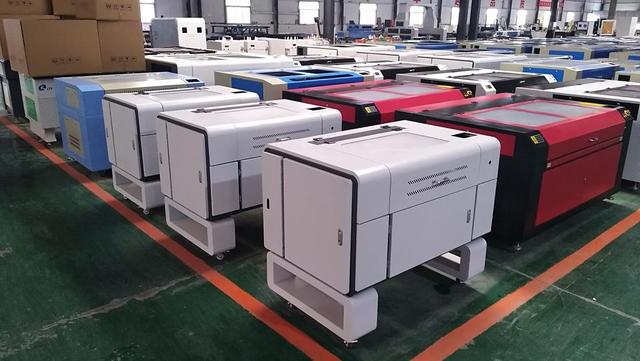
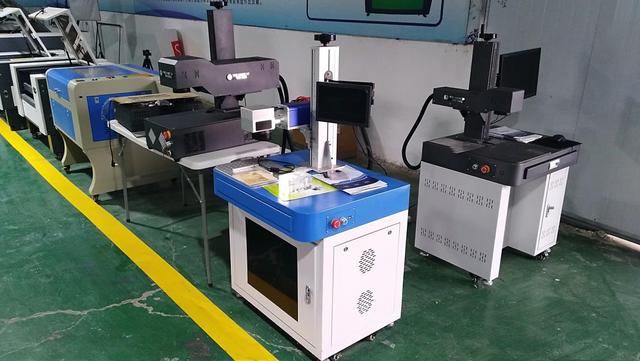
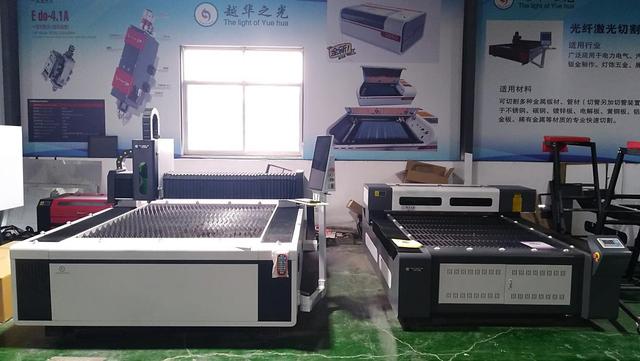
Expert technical insights regarding sourcing, operational parameters, and deployment in the EU region.
A1: 9.3 μm or 10.2 μm is highly recommended for thin films, foils, and PET plastic structures. Standard 10.6 μm lasers can cause excessive thermal melting or burn holes due to low optical absorption rates. A 9.3 μm laser matches the absorption peak of PET, allowing clean, high-contrast, non-destructive marks at maximum production speeds.
A2: We offer both fully enclosed Class 1 setups for standalone workstations and Class 4 sub-assemblies for packaging lines. When delivering Class 4 setups, we provide interlock terminals, shutter control inputs, and comprehensive shielding design consultation to ensure the final installation meets local safety inspections.
A3: Our RF metal tubes have an operational lifespan of 35,000 to 50,000 hours, depending on operating currents and environment. Unlike glass tubes that must be disposed of when depleted, RF metal cavities can be refilled with laser gas mixtures, allowing the source to be reused for decades.
A4: Yes, our control boards support modern protocols, including TCP/IP, USB, and digital I/O interfaces. The software supports standard vector and raster formats (DXF, PLT, AI, BMP) and can be triggered via external automation inputs or database commands from a SCADA or ERP network.
A5: CO2 lasers require very little daily maintenance. The main requirements are keeping the F-theta focal lens clean from residue, checking the alignment of the red pointer, and ensuring the chiller water is free of contaminants. RF tubes do not use physical wear-parts, keeping ongoing maintenance costs near zero.
A6: Standard machines are produced within 7 to 10 working days. Customized solutions or systems integrated with automated conveyors are completed in 15 to 20 working days. Shipping from Hangzhou to the Milan logistics hub via air cargo takes 5 to 7 days, while sea freight via Genoa port averages 30 to 35 days.
A comprehensive list of products designed for flexible integration, micro-machining, and high-volume output in Milan's industrial zones.
 Kinray Laser