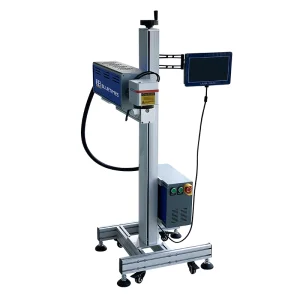
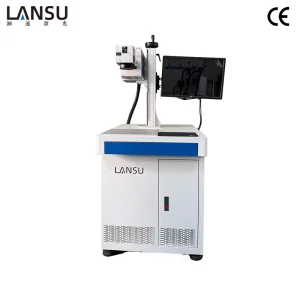
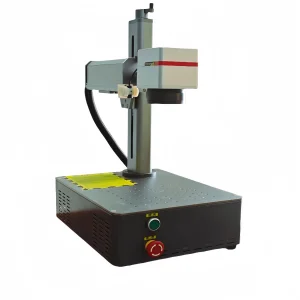
Engineered for seamless integration into high-velocity bottling, packaging, and non-metal etching operations throughout Manila's industrial hubs.
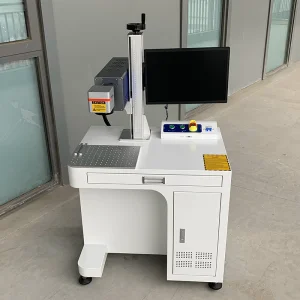
The manufacturing ecosystem of the Philippines, anchored heavily in the Greater Manila Area, Metro Manila, and extending into the surrounding provinces of Cavite, Laguna, Batangas, Rizal, and Quezon (CALABARZON), is undergoing a monumental shift toward automated traceability. Driven by strict export mandates, consumer health security initiatives, and structural supply chain modernization, manufacturers are rapidly phasing out legacy, consumable-heavy coding systems like continuous inkjet (CIJ) in favor of permanent, zero-contact CO2 laser marking technologies.
In municipal hubs such as Valenzuela, Quezon City, Taguig, Pasig, and the economic zones regulated by the Philippine Economic Zone Authority (PEZA), sectors like food processing, beverage bottling, pharmaceutical packaging, cosmetics, and electronics demand high-throughput solutions that operate continuously under challenging environmental conditions. The tropical environment of Metro Manila, characterized by high humidity levels and volatile ambient temperatures, imposes severe operational stresses on conventional inkjet printing. Ink nozzles frequently clog, solvent evaporation rates fluctuate, and operational downtime mounts. Our range of carbon dioxide laser systems offers a robust solution: completely clean, solid-state laser processing that operates without inks, solvents, or printhead maintenance, translating directly into lower Total Cost of Ownership (TCO) and uninterrupted production uptime.
Our CO2 laser marking systems employ a gas-discharge tube containing a carbon dioxide gas mixture, excited by radio-frequency (RF) electrical energy or high-voltage direct current (DC). This excitation stimulates the emission of an infrared light beam with dominant wavelengths typically at 10.6μm, 10.2μm, or 9.3μm. This wavelength spectrum matches the absorption bands of non-metallic polymers, organic compounds, and glass substrates, resulting in localized thermal decomposition (vaporization or melting) without degrading the structural integrity of the surrounding material.
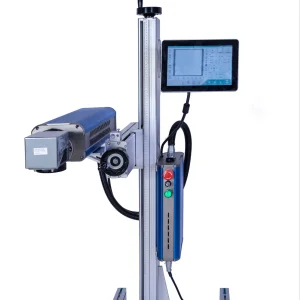
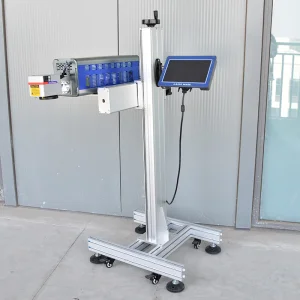
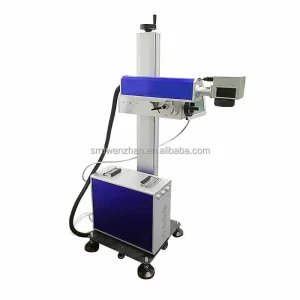
By using digital high-speed galvanometers (Galvo scanner heads), the laser beam is steered across the target substrate with micron-level accuracy. For high-volume manufacturing lines in Manila, such as food packaging, our Flying CO2 Laser Mark systems track moving conveyor belts in real-time, executing variable alphanumeric data, complex 2D data-matrix codes, barcodes, and logos on the fly.
| Wavelength | Primary Material Targets | Key Industrial Applications in Manila |
|---|---|---|
| 10.6 μm | Paper, cardboard, wood, acrylics, glass, rubber, leather | Secondary outer carton shipping boxes, wood engravings, glass bottle coding, craft manufacturing. |
| 10.2 μm | Thin films, PE/PP plastics, specific laminate foils | High-speed flexible packaging, food pouches, cosmetic tubes, flexible film rolls. |
| 9.3 μm | PET, clear plastics, polycarbonate, polyester resins | Mineral water bottling lines, carbonated soft drink bottles, pharmaceutical blister pack coding. |
Providing industrial diversification with specialized metal-marking fiber systems and multi-substrate engraving options.
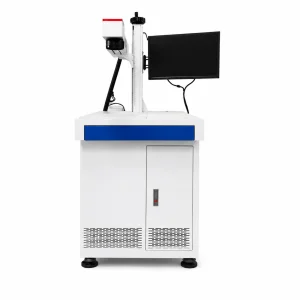
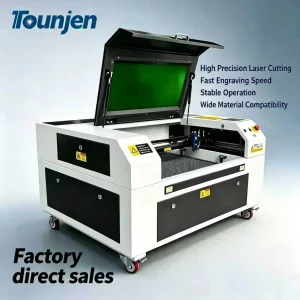
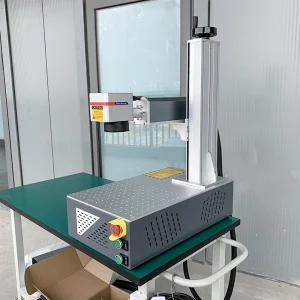
Industrial laser integration requires understanding the material's optical characteristics under laser exposure. When exporting our solutions to global manufacturers and Manila-based operations, we design each system around the primary material chemistry:
Our commitment to tech leadership means our latest CO2 laser marking systems are built for the future of manufacturing. By integrating AI-powered optical positioning systems and machine vision validation modules, our marking equipment can automatically locate the target part, correct rotation errors up to 15 degrees, and adjust focal distance in real-time. This eliminates the need for expensive mechanical positioning fixtures.
Furthermore, each system is compatible with industrial communication protocols such as Modbus, Profinet, and OPC UA. This allows production managers in Manila to monitor system diagnostics, laser tube temperature, galvo scanning status, and historical error logs remotely via mobile or desktop consoles. Automated error flagging prevents waste, ensuring that any laser source degradation is resolved before it affects output.
Hangzhou Kinray Laser Co., Ltd. is a leading China industrial laser marking machine manufacturer specializing in advanced fiber and UV laser solutions for global manufacturing industries. With a strong focus on innovation, precision, and intelligent manufacturing, Kinray Laser is committed to delivering high-performance laser equipment that improves production efficiency, product traceability, and marking quality.
Located in Hangzhou, China, the company integrates research and development, manufacturing, sales, and technical support to provide comprehensive laser processing solutions for customers worldwide. Our extensive product portfolio includes fiber laser marking machines, UV laser marking machines, CO2 laser marking systems, MOPA laser markers, flying laser marking machines, 3D laser marking equipment, and customized automated laser solutions.
Kinray Laser products are widely used in electronics, automotive, medical devices, precision hardware, jewelry, packaging, aerospace, consumer goods, and industrial manufacturing industries. Designed for high-speed, high-precision, and permanent marking applications, our systems are capable of processing a wide range of materials, including metals, plastics, ceramics, glass, and composite materials.
Equipped with advanced production facilities and rigorous quality management systems, Kinray Laser maintains strict quality control throughout every stage of manufacturing. Each machine undergoes comprehensive testing to ensure stable performance, reliability, and compliance with international standards.
To support global customers, we offer flexible OEM and ODM services for distributors, system integrators, equipment brands, and industrial manufacturers. Our experienced engineering team works closely with customers to develop customized laser solutions tailored to specific production requirements, automation needs, and industry applications.
Driven by technological innovation and customer satisfaction, Hangzhou Kinray Laser Co., Ltd. continues to expand its global presence and strives to become a trusted partner for intelligent laser processing solutions, helping manufacturers achieve smarter, more efficient, and sustainable production.
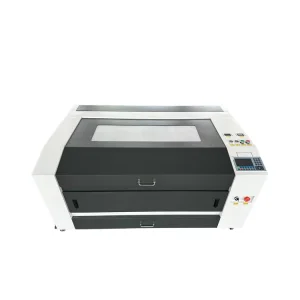
Our comprehensive range of high-efficiency marking platforms, featuring water-cooled systems, portable laser solutions, and versatile software support.
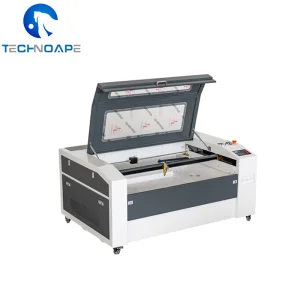

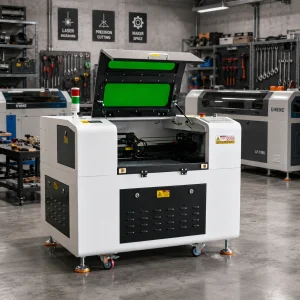
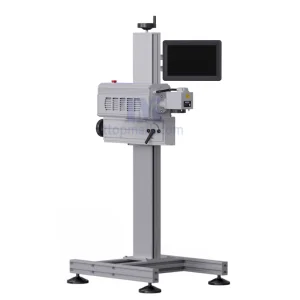
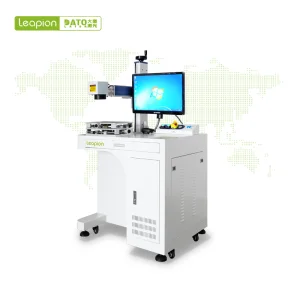
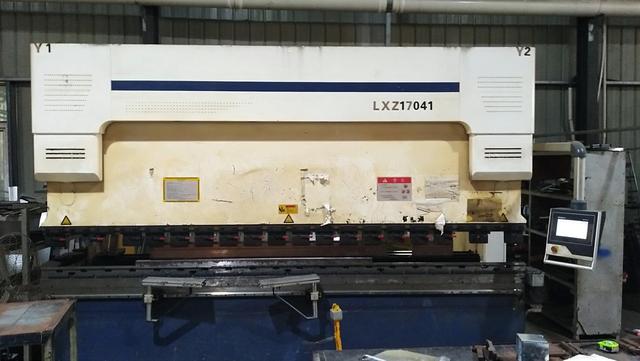
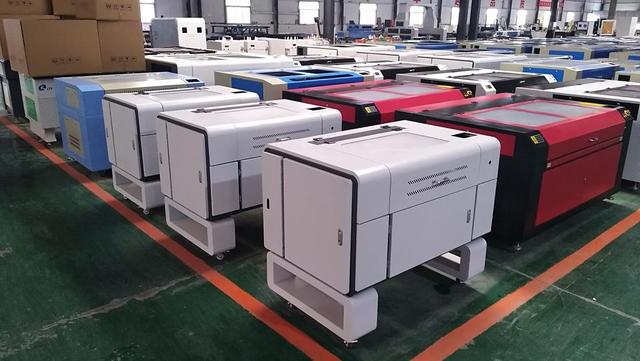
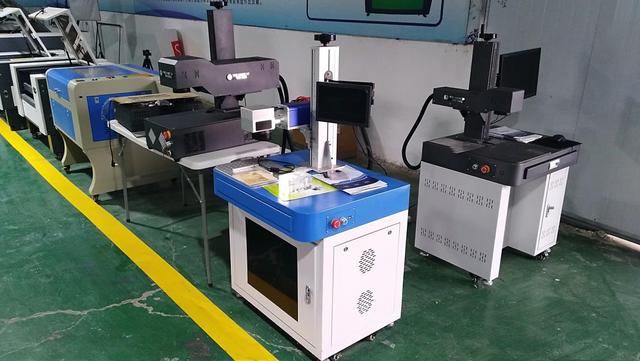
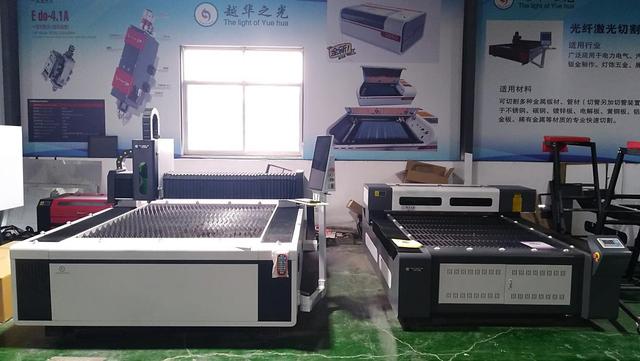
A visual tour inside our advanced optics testing rooms, precision assembly floors, and heavy machinery shipping preparation centers.
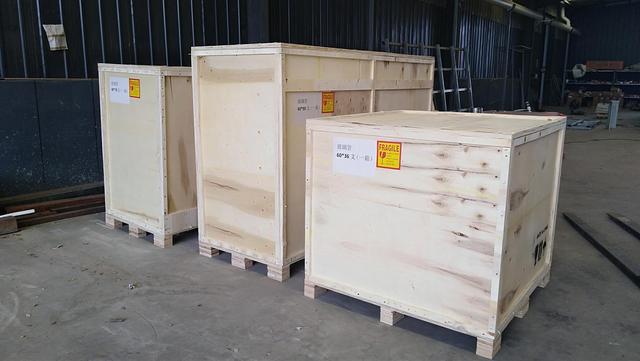
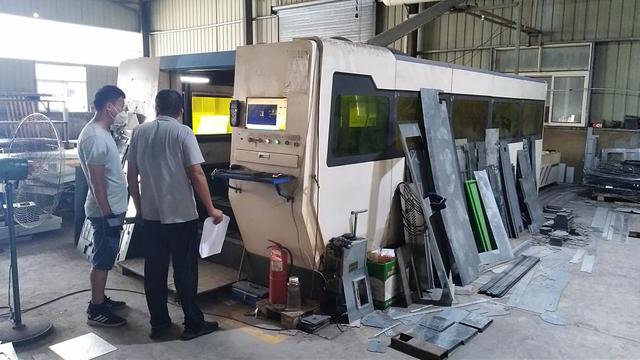
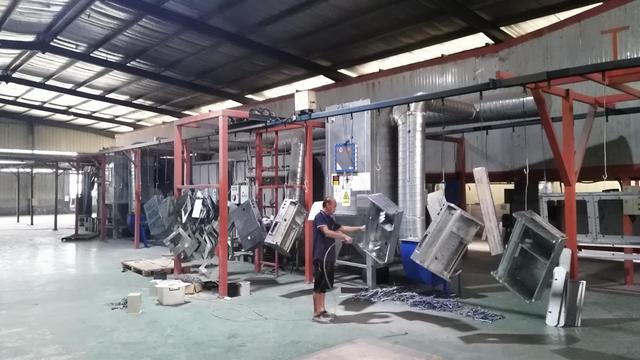
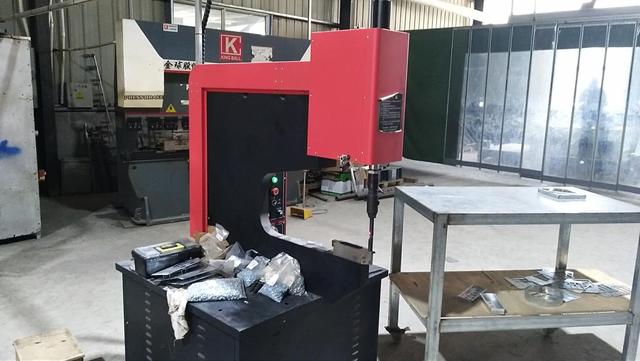
Exporting complex optoelectronic machinery to Metro Manila requires absolute coordination of import compliance, customs procedures, and technical field support. Kinray Laser provides a seamless procurement experience for our Philippine clientele:
Direct engineering answers for system integrators, quality managers, and packaging engineers considering CO2 laser adoption.
RF-excited metal laser tubes (such as Synrad or Coherent sources used in our high-end models) offer a lifespan of 35,000 to 45,000 operational hours before gas depletion. They can also be refilled. These tubes deliver superior beam quality (M² < 1.2), making them ideal for high-speed dynamic coding. Glass DC laser tubes are cost-effective options with a lifespan of 6,000 to 10,000 hours, best suited for static cutting or light-duty engraving.
High relative humidity can lead to condensation on optical surfaces, such as the zinc selenide (ZnSe) focusing lenses or reflective mirrors. Under high-power laser loads, this moisture can cause localized thermal shock, destroying the optical coatings. To prevent this, our cabinet systems are designed with IP54 ingress protection, and we recommend installing clean dry air (CDA) purge systems on the Galvo scanner aperture to maintain positive pressure and keep the optics clean.
Our flying systems, integrated with high-speed digital galvanometers and real-time encoder feedback, can mark up to 12,000 millimeters per second. On high-speed bottling lines (e.g., PET mineral water lines), this allows for output rates of up to 45,000 to 60,000 bottles per hour, depending on the complexity of the printed text (e.g., standard two-line expiration date and lot number).
No, standard metallic materials reflect the 10.6μm infrared light emitted by CO2 lasers, which can damage the laser optics. For direct metal marking (such as aluminum cans or steel parts), a Fiber Laser system (1064nm wavelength) is required. Alternatively, a CO2 laser can mark metals if a specialized ceramic marking spray (such as TherMark or Cermark) is pre-applied to the surface.
Our systems run on Ruida or EzCad control architectures, supporting standard industrial software formats including DXF, PLT, AI, DST, BMP, JPG, and PNG. They also connect directly to external databases via TCP/IP protocols to import variable serialization data for real-time QR code generation.
Eliminate ink consumables, reduce packaging downtime, and guarantee permanent product traceability. Contact our engineering team for a customized machine design and quote.
Send Inquiry Now Kinray Laser