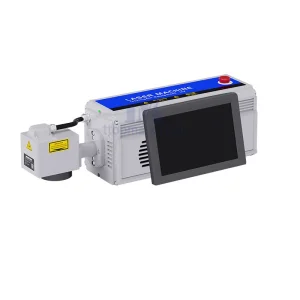
Engineered for high-volume automated packaging lines, electronics assembly, and extrusion industries throughout Southeast Asia.
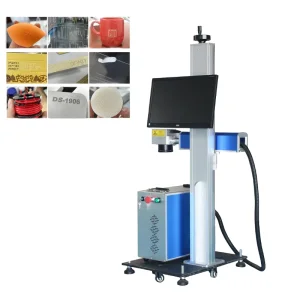
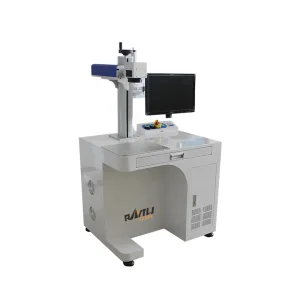
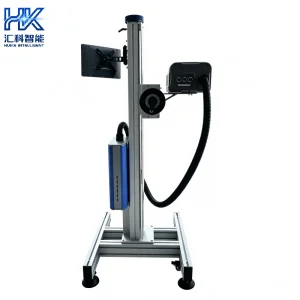
Indonesia is undergoing a rapid industrial transformation driven by the government's "Making Indonesia 4.0" initiative. High-priority sectors such as Food and Beverage (F&B), Automotive, Electronics, Chemicals, and Textiles are shifting towards fully integrated smart manufacturing lines. A critical piece of this transition is advanced industrial traceability. Standardizing product marking with permanent, anti-counterfeiting data matrix codes, batch numbers, and Halal certification identifiers is no longer optional—it is a regulatory and commercial necessity.
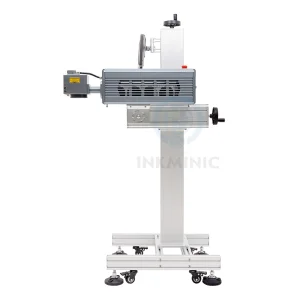
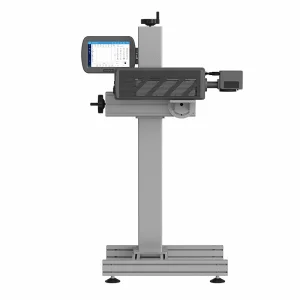
Traditional inkjet systems, though common, present continuous operating challenges for Indonesian manufacturers. High solvent consumption, frequent printhead clogging in humid tropical climates, and the risk of ink smudge or wear on export products have led factories in key industrial zones like Cikarang, Karawang, and Surabaya to adopt Flying Laser Marking Machines (Marking-on-the-Fly).
Tailored configurations optimized to withstand tropical high-humidity levels while keeping pace with continuous-flow production lines.
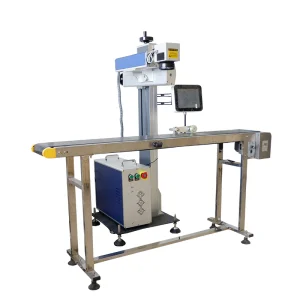
Under Indonesian Law No. 33/2014 on Halal Product Assurance, packaging lines require immutable labels. Our online Flying CO2 and UV laser marking systems integrate seamlessly with ultra-high-speed PET bottle bottling lines and flexible packaging machines. The laser vaporizes a microscopic layer of the material to form sharp, permanent expiry dates, serial codes, and Halal symbols that cannot be scrubbed off with solvents or damaged by condensation.
Infrastructure demands in Jakarta and East Java have scaled up pipe and cable manufacturing. Standardizing these products requires continuous marking of "SNI" (Standar Nasional Indonesia) marks and meter counts on extruded PVC/PE. Using our Flying CO2 Laser Marking Machines equipped with high-performance radiofrequency (RF) metal tube lasers guarantees uniform, high-contrast marks even when line speeds exceed 150 meters per minute.
As Southeast Asia's major hub for automotive production, component factories require indelible tracking codes on critical parts. Our 50W Fiber Flying Laser systems mark dynamic 2D Data Matrix codes directly onto die-cast aluminum, stainless steel, and high-performance plastics. These marked components survive engine heat, exposure to lubricants, and general weathering, preserving the integrity of supply chain records.
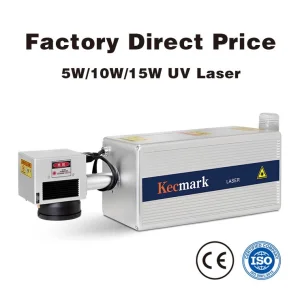
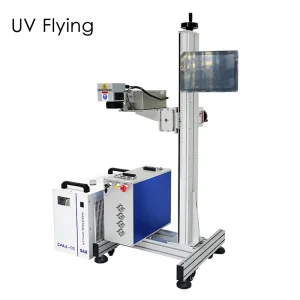
PCB marking requires high precision without thermal damage to sensitive components. UV laser "cold marking" technology uses a short 355nm wavelength to photochemically alter surface structures without heat stress, making it the system of choice for cleanrooms and precision electronics factories in Batam and West Java.
Understanding Wavelength Physics & Industrial Hardware Selection for Indonesian Plant Engineers
Selecting the appropriate laser source is vital for system longevity and marking contrast. The table below highlights the physical attributes and industrial matches of our flying laser marking machine range:
| Laser Source Type | Wavelength | Target Materials | Key Industry Fit (Indonesia) |
|---|---|---|---|
| Fiber Laser (10W - 100W) | 1064 nm | Stainless Steel, Aluminum, Brass, High-density Plastics | Automotive parts, metal sheet fabrication, cast structures |
| CO2 Laser (30W - 60W) | 10.6 μm | Wood, Paperboard, Glass, PE, PVC, Acrylic | Food packaging, mineral water bottles, PVC pipeline extrusions |
| UV Laser (3W - 15W) | 355 nm | HDPE, Glass, Silicon Wafer, Cosmetic Packaging, Multi-layer Films | Pharmaceuticals blister packs, semiconductor chips, luxury cosmetics |
As Indonesian factories scale up automation, the next phase of marking systems involves software integration. Modern Kinray Flying Laser systems are designed with TCP/IP and RS232 interfaces, supporting remote protocol integration with MES (Manufacturing Execution Systems) and ERP databases. Factory managers can monitor production line throughput, change marking scripts remotely, and diagnose machine health from a central control room, minimizing downtime.
Partnering with a reliable China industrial laser marking machine manufacturer like Hangzhou Kinray Laser Co., Ltd. offers Indonesian industries a strategic balance of cost efficiency, build quality, and rapid custom development. By concentrating our R&D and component sourcing within the global hub of Hangzhou, China, we ensure all components—ranging from Raycus and JPT laser sources to high-speed digital galvanometers and premium f-theta lenses—are selected for maximum durability and calibrated to run in complex assembly networks.
Our factories operate under rigorous quality control procedures. We leverage automated calibration fixtures and perform 72-hour continuous thermal and mechanical stress testing on every laser source before shipping. This high degree of supply chain control allows us to provide flexible OEM/ODM options to our global and Southeast Asian distributors.
Hangzhou Kinray Laser Co., Ltd. is a leading China industrial laser marking machine manufacturer specializing in advanced fiber and UV laser solutions for global manufacturing industries. With a strong focus on innovation, precision, and intelligent manufacturing, Kinray Laser is committed to delivering high-performance laser equipment that improves production efficiency, product traceability, and marking quality.
Located in Hangzhou, China, the company integrates research and development, manufacturing, sales, and technical support to provide comprehensive laser processing solutions for customers worldwide. Our extensive product portfolio includes fiber laser marking machines, UV laser marking machines, CO2 laser marking systems, MOPA laser markers, flying laser marking machines, 3D laser marking equipment, and customized automated laser solutions.
Connect with our Engineering TeamComplete range of High-Precision CO2, Fiber, and UV systems optimized for direct installation into Indonesian production belts.
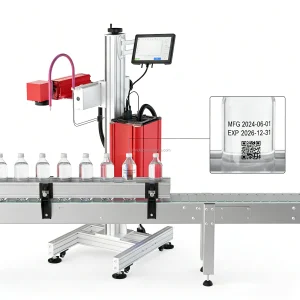
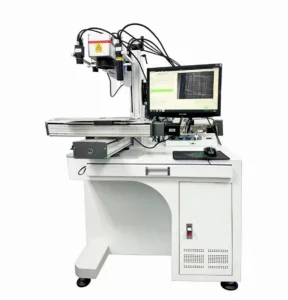
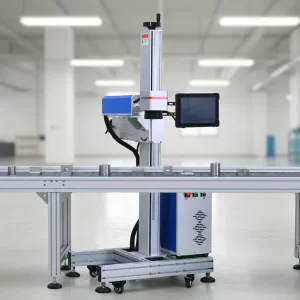
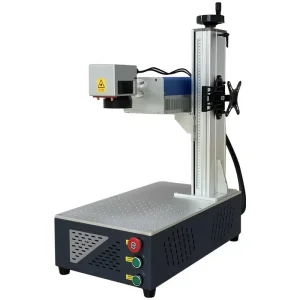
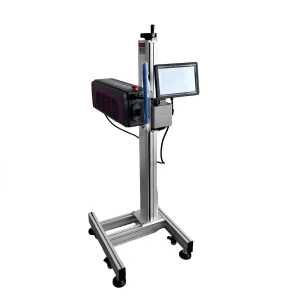
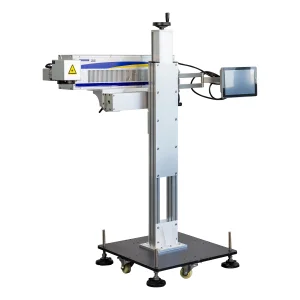
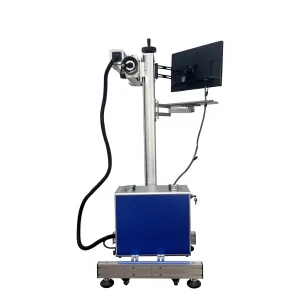
Your transition to industrial laser marking, fully backed by Kinray’s global warranty and customs support.
Importing industrial machinery into Indonesia requires strict adherence to customs regulations, product classification codes (HS Codes), and certification compliance. All Hangzhou Kinray Laser marking systems carry standard CE and ISO 9001 certifications, and we supply complete documentation sets (including Certificate of Origin Form E for tariff reductions under the ACFTA agreement) to facilitate smooth customs processing at Tanjung Priok port (Jakarta) or Tanjung Perak port (Surabaya).
Whether you are working with an independent customs broker or require a direct, door-to-door (DDP) logistics arrangement, our experienced export department streamlines the logistics chain to minimize customs hold-ups.
Operating laser hardware in tropical regions like Indonesia demands robust after-sales and setup support. We assist your engineering team through detailed installation layouts, CAD drawings for hardware integration, and video-link calibration.
Additionally, we supply comprehensive spares kit options (such as spare galvanometers, field lenses, sensor brackets, and encoder wheels) to ensure your internal technicians can perform quick preventative maintenance, ensuring your line keeps running.
Answering common integration questions from factory managers and procurement leads in the Indonesian industrial sector.
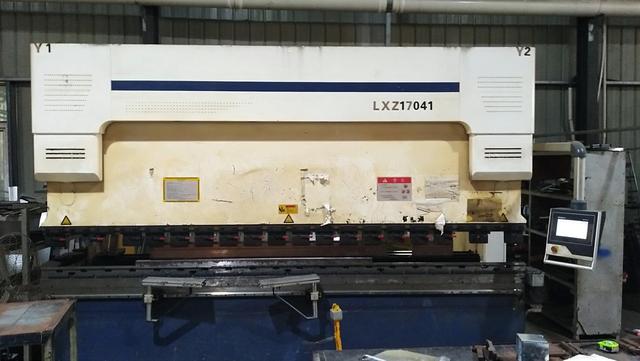
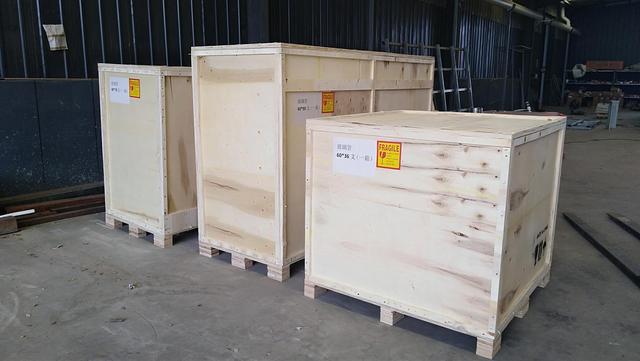
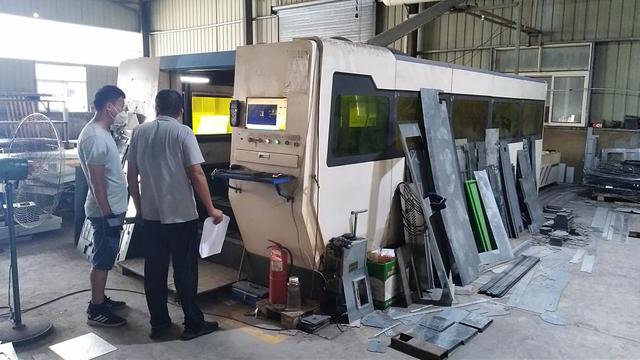
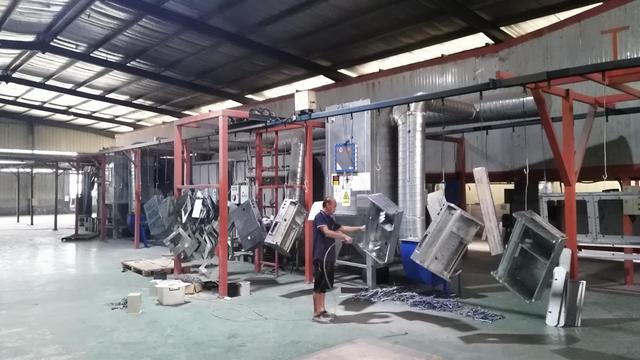
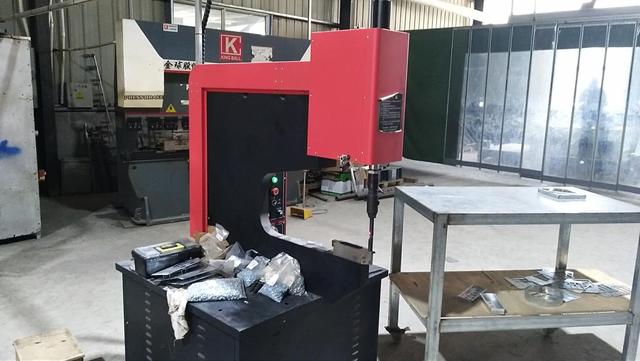
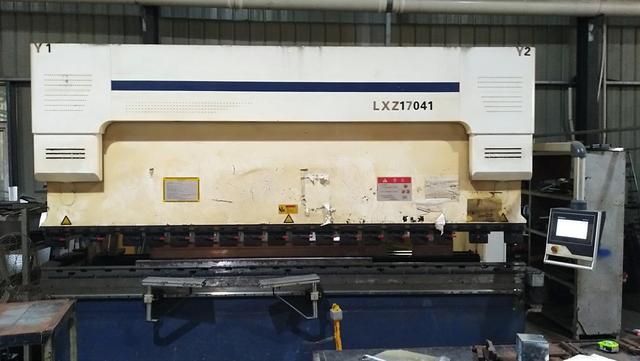
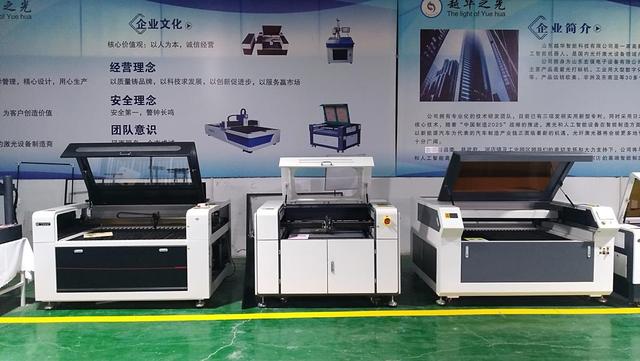
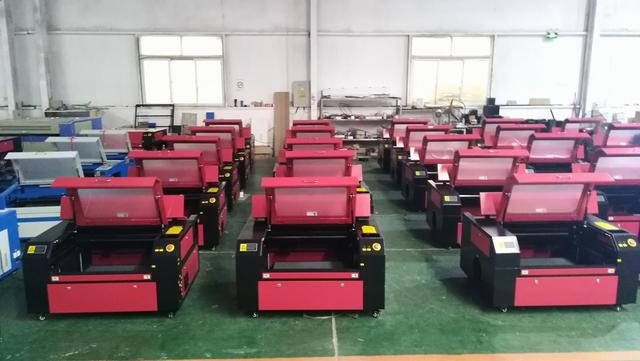
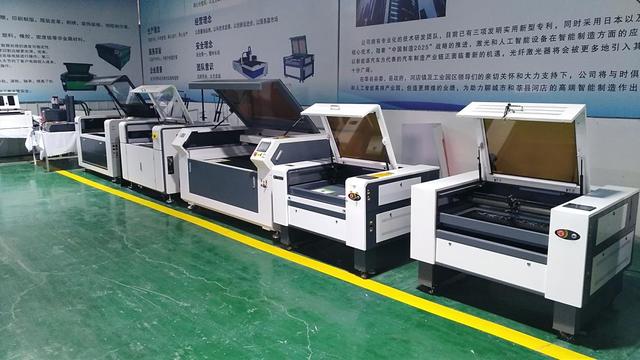
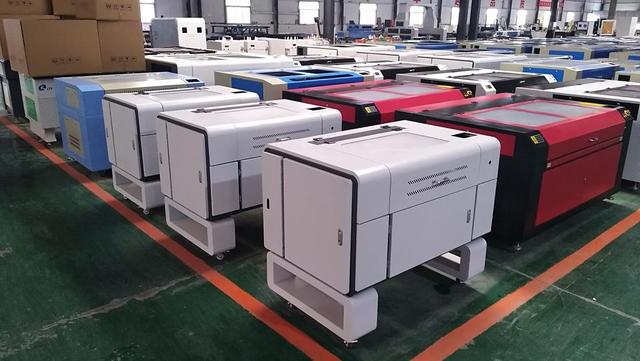
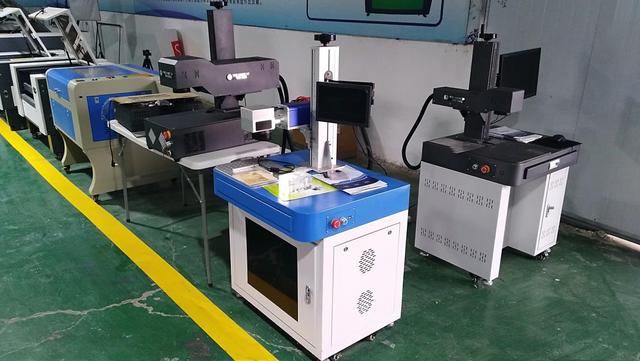
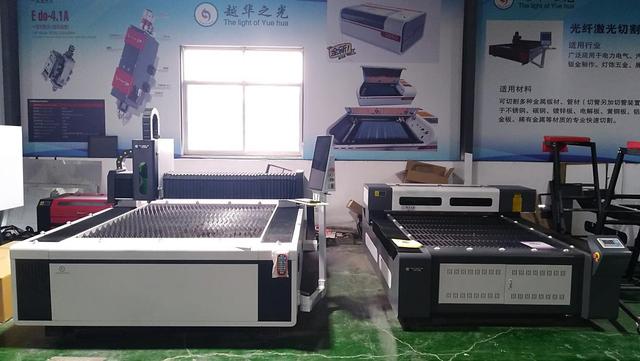
Take a look inside our ISO-compliant China manufacturing facility, where our laser marking systems undergo strict calibration and stress testing.
Are you ready to optimize your Indonesian manufacturing line for the Industry 4.0 standard?
Send Inquiry Now Kinray Laser