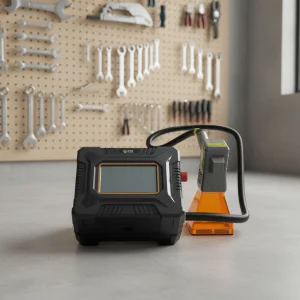
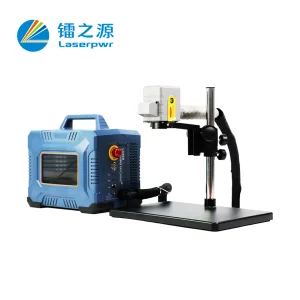
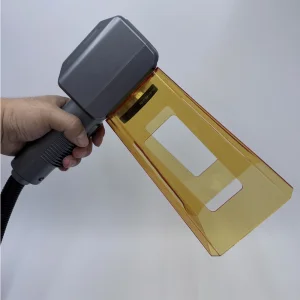
Explore our elite range of compact, high-efficiency fiber and UV laser marking systems optimized for local engineering firms, electrical component builders, and tracking applications.
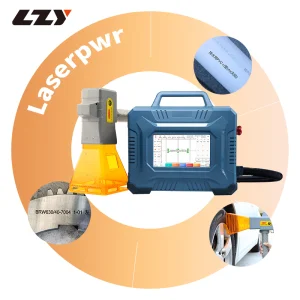
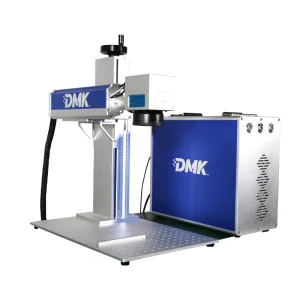
Western Australia, with Perth as its commercial and industrial epicentre, represents one of the most demanding operational environments in the world. Dominated by resources extraction, mining technology, marine infrastructure, and defense manufacturing, local companies face severe operating conditions. Elements like extreme UV exposure, high saline atmospheres, chemical exposure, and intense mechanical abrasion dictate that every component, label, and tag must possess permanent, unalterable traceability.
Historically, the marking of plastic elements, such as HDPE conduits, ABS enclosure cases, polyurethane cable sheaths, and PVC cabling, relied on inkjet printing or physical embossing. However, thermal stress, mechanical friction, and the harsh WA sun lead to rapid degradation of ink-based labels, causing regulatory non-compliance and tracking failures. Herein lies the shift to advanced solid-state and gas laser marking systems. By delivering permanent, high-contrast marks directly within the molecular structure of the polymer without compromising the physical integrity of the part, laser marking has become the gold standard for Perth's top-tier engineering contractors.
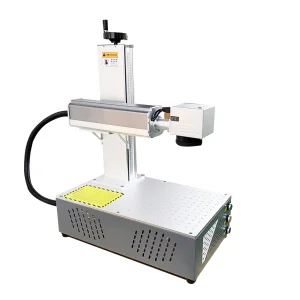
Hangzhou Kinray Laser Co., Ltd. is a premier China industrial laser marking machine manufacturer. We design and construct state-of-the-art fiber and UV laser marking systems that align precisely with Perth's rigid asset-management frameworks. Our systems leverage advanced fiber engines (Raycus, JPT, or IPG) and cold-light UV marking architectures. This guarantees that Perth operators—from heavy mining OEMs in Kwinana and Welshpool to defense technology developers in Henderson—receive marking systems that are robust, highly reliable, and compliant with all local safety norms.
These specialized units are built to manage heavy workloads and are optimized for direct integration into local workshop and assembly lines.
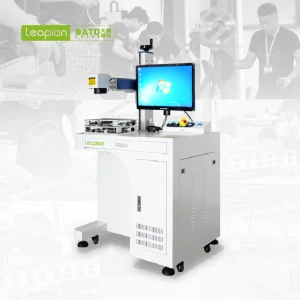
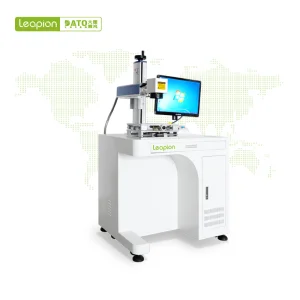
Successful plastic laser marking depends on finding the right match between the laser wavelength and the plastic material's absorption spectrum. Not all plastics respond to laser light in the same way; applying the wrong wavelength can result in melting, bubbling, or weak visual contrast.
Fiber lasers are highly effective at marking metals and opaque plastics (such as ABS, polycarbonates, and polyamides). They primarily use a photothermal process, where localized heat causes carbonization (darkening) or foaming (whitening). For polyolefins (like PE and PP), fiber lasers require laser-sensitive additives to achieve high contrast. This makes fiber lasers the most cost-effective option for rugged plastic enclosures, junction boxes, and heavy-duty cabling in heavy industry.
Often referred to as "cold marking," UV lasers use high-energy photons to break chemical bonds directly within the polymer chain (photo-ablation) rather than using intense heat. Because of this, heat damage is virtually eliminated, which prevents charring or micro-cracking. UV lasers are essential for sensitive applications, such as marking medical-grade plastics, thin wires, and heat-sensitive electronics packaging.
| Material Type | Recommended Laser Source | Primary Marking Mechanism | Perth Target Application |
|---|---|---|---|
| High-Density Polyethylene (HDPE) | UV (355nm) / MOPA Fiber | Cold photo-ablation / carbonization | Mining drill pipes, transport containers, structural tags |
| Acrylonitrile Butadiene Styrene (ABS) | Standard Fiber (1064nm) | Carbonization & Foaming | Industrial electrical enclosures, instrument housings |
| Polyvinyl Chloride (PVC) | UV (355nm) | Photochemical change | Electrical conduits, heavy marine wiring systems |
| Polycarbonate (PC) | UV (355nm) / Fiber | Carbonization (highly distinct black) | Automotive instrument panels, protective shields |
In the Pilbara and Western Australia's wider goldfields, heavy machinery must operate in high-temperature, abrasive environments. Laser-marked tags on high-density polyurethane and safety equipment must stay readable for decades. Our customized MOPA and high-power fiber systems allow operators to engrave micro-QR codes, bar codes, and asset IDs that survive extreme dust, grease, and high-pressure washdowns.
Based near Fremantle and the Henderson marine complex, ocean engineering firms require corrosion-resistant marking solutions. Traditional tag labels deteriorate rapidly in saltwater. Kinray's UV laser systems mark polymer cable ties, polyurethane coatings, and underwater sensors. They provide reliable identification without causing micro-fissures where corrosive saltwater could seep in.
With strict requirements like AS/NZS 3000 compliance, Western Australian electrical contractors need durable labels for switchboards and terminal blocks. Laser marking alters the polymer matrix directly beneath the surface, ensuring the label cannot peel or fade over time.
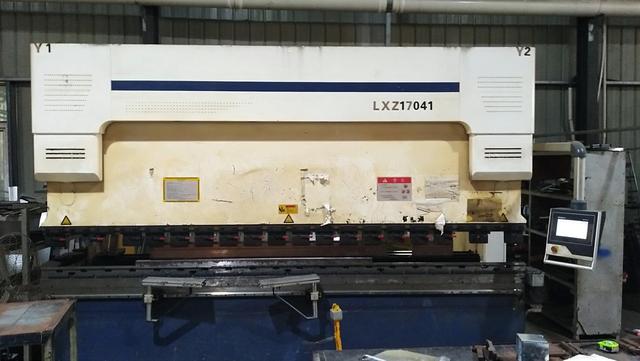
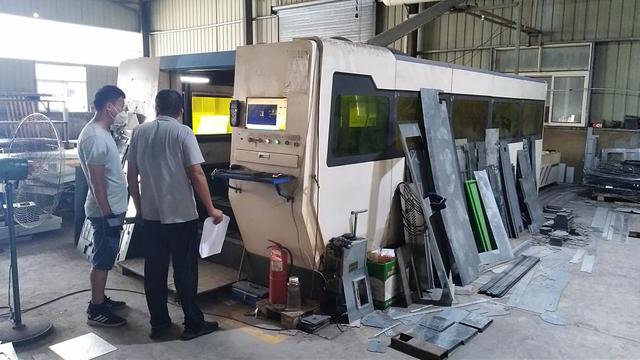
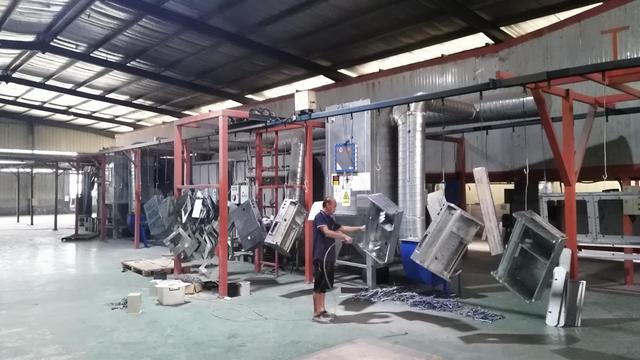
At Hangzhou Kinray Laser Co., Ltd., we combine technical expertise with cost-effective manufacturing. Our Hangzhou-based Smart Factory operates under strict ISO 9001:2015 quality standards. Every step, from initial metal fabrication to the final alignment of the optical systems, is carefully monitored and documented.
By using premium global components (such as Raycus, JPT, and IPG laser engines, high-speed digital galvo heads, and MeanWell power supplies) along with our automated calibration processes, we build systems designed for long-term reliability. Choosing a manufacturer that handles the entire supply chain guarantees complete traceability, access to original replacement parts, and the ability to customize setups with specialized software, conveyor belt systems, and rotary axes.
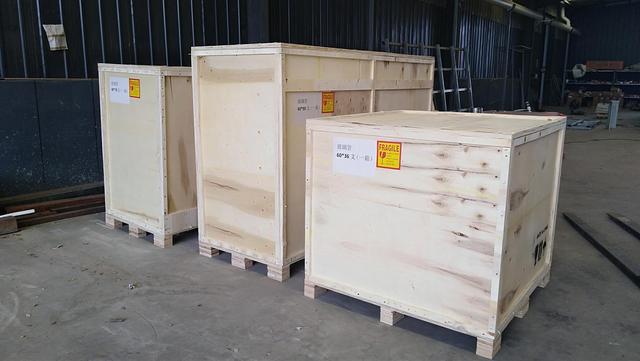
Exporting industrial machinery to Australia requires strict adherence to safety standards. At Kinray, we ensure that every machine shipped to Perth meets all local safety and electrical requirements:
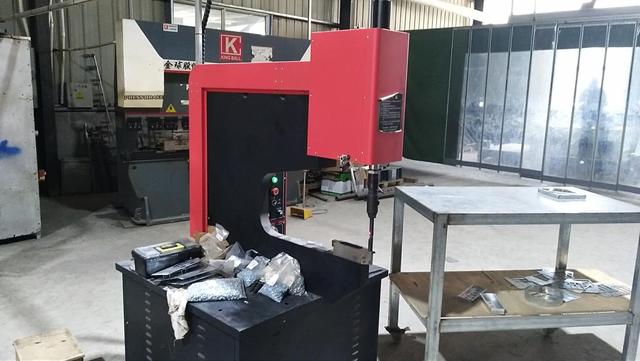
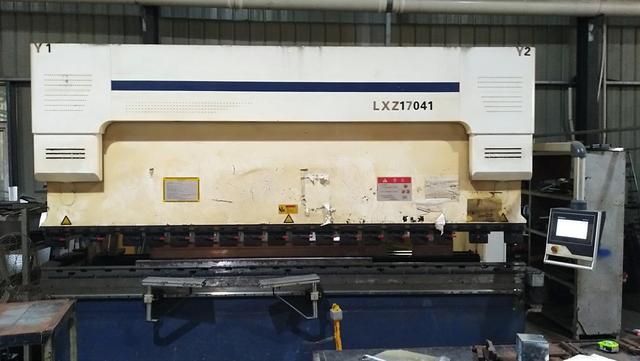
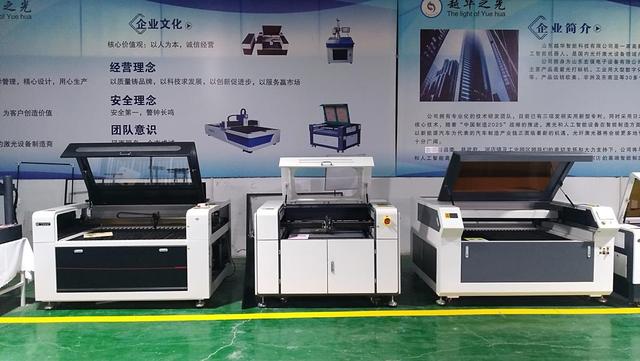
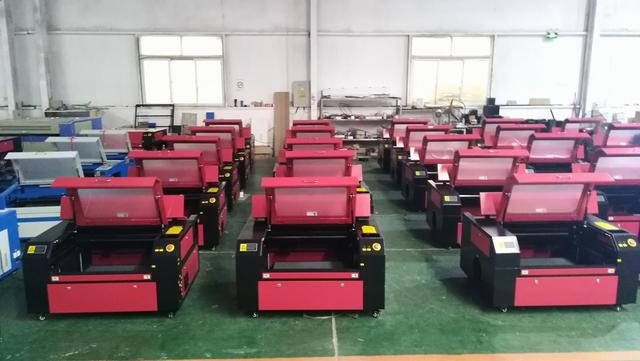
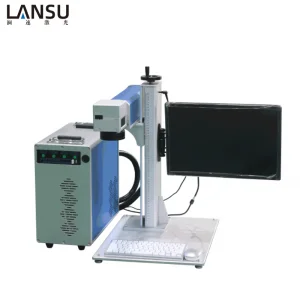
Explore our robust collection of fiber and diode systems, designed to deliver high throughput and long-term durability in industrial environments.
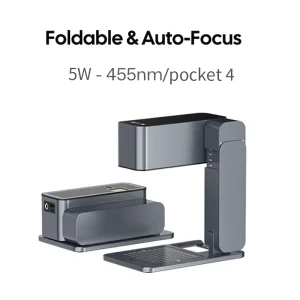
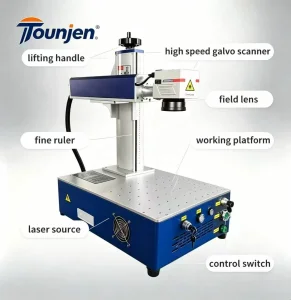
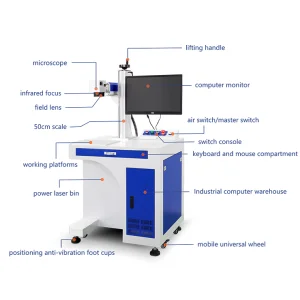
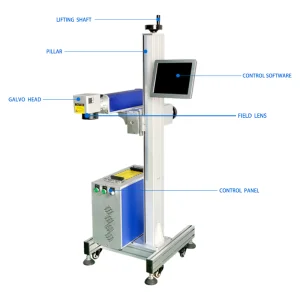
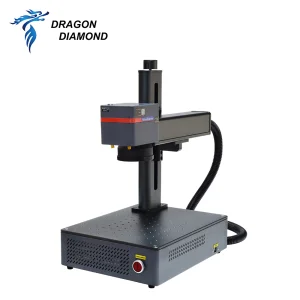
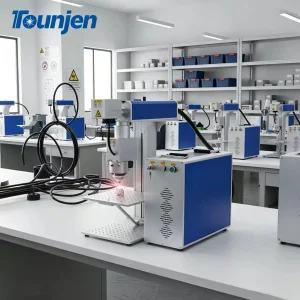
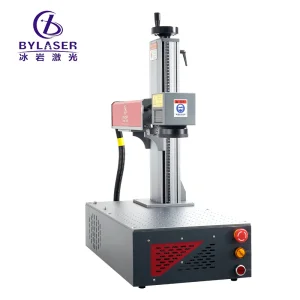
As a leading supplier, Hangzhou Kinray Laser Co., Ltd. continuously refines its production workflows. Each machine undergoes a comprehensive, multi-step quality control review before leaving our facility, ensuring it stands up to the most demanding operating environments.
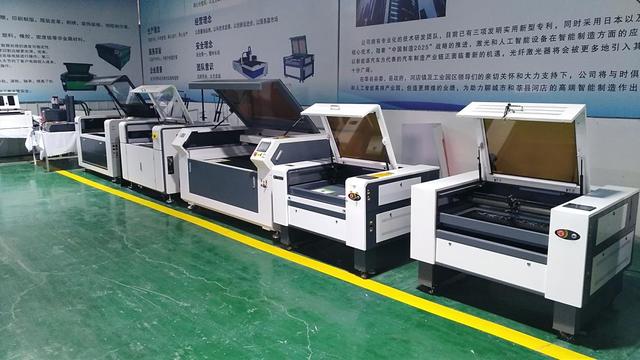
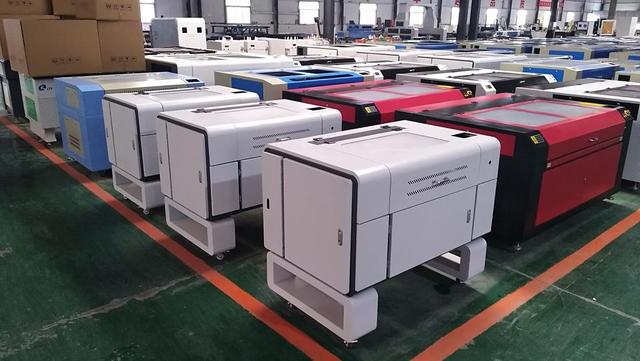
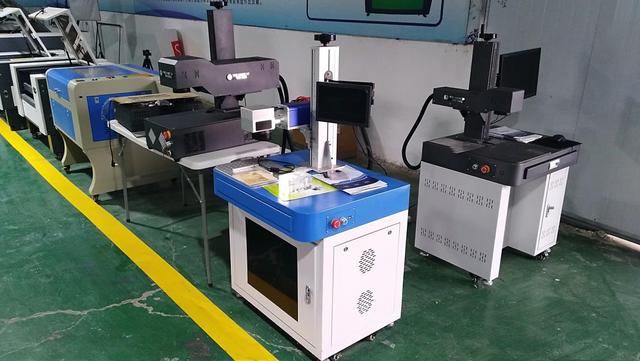
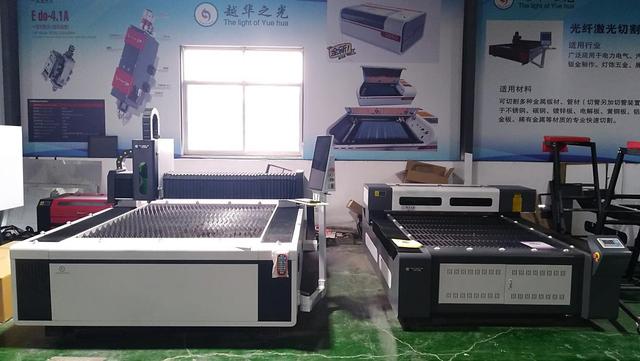
Our quality assurance process includes detailed laser power testing, high-speed beam profiling, electronic integrity checks, and a continuous 48-hour burn-in period. This rigorous process helps us deliver systems that perform reliably from the moment they are installed in your facility.
Common questions regarding laser marking tech, materials, safety, and delivery to Western Australia.
Contact our applications team today for expert technical advice, material testing reports, and a detailed project quotation.
Send Inquiry Now Kinray Laser