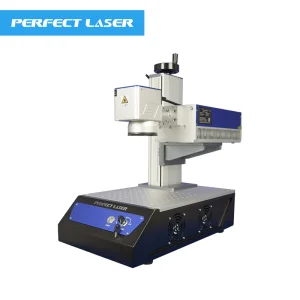
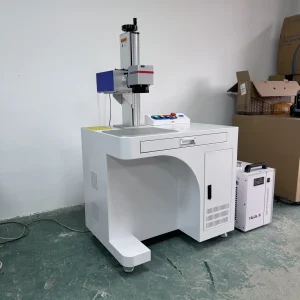
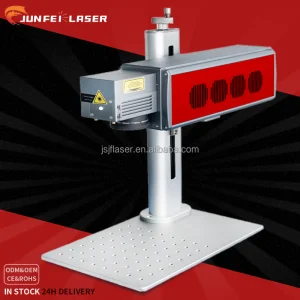
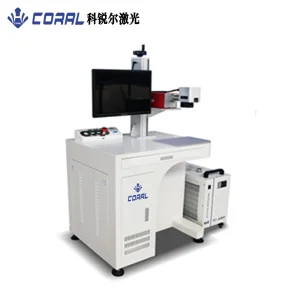
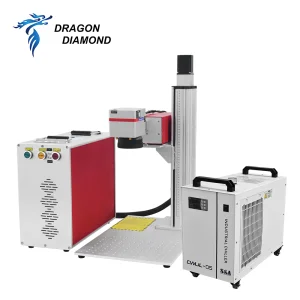
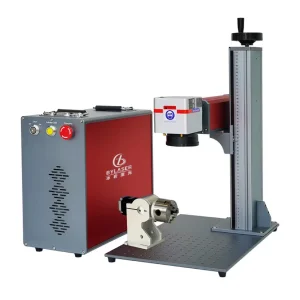
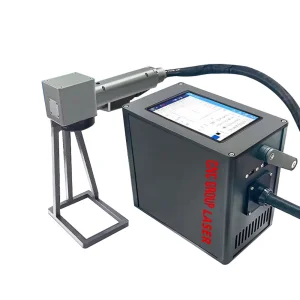
Detroit, Michigan—internationally recognized as the historic heart of American automotive manufacturing—is currently undergoing a massive structural transformation. As the industry pivots aggressively toward electric vehicles (EVs), autonomous driving systems, and complex embedded electronic architectures, the demands for manufacturing precision and component traceability have skyrocketed. Conventional mechanical engraving, inkjet printing, and thermal fiber lasers often fail to meet the stringent criteria required for modern high-performance materials.
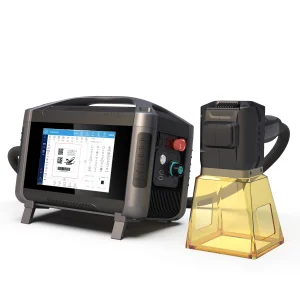
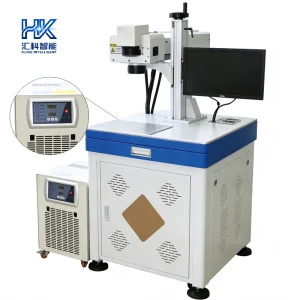
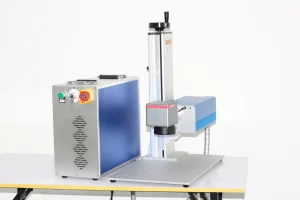
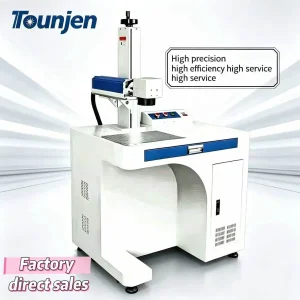
In metro Detroit, the integration of advanced smart factories is driving the adoption of industrial ultraviolet lasers. Tier-1 automotive suppliers require permanently legible barcodes, data matrices, and serial numbers that can survive the harsh environment of engine bays and undercarriages. Traditional printing inks degrade over time when exposed to fluids, hydraulic oils, and high temperatures. UV lasers bypass this issue entirely by producing clear, high-contrast, permanent marks directly on plastic housings, wires, and glass panels without compromising structural integrity.
Globally, the industrial laser marking system market is moving from a luxury upgrade to a baseline regulatory requirement. The EU's Battery Passport regulations and the US FDA's Unique Device Identification (UDI) mandates dictate strict serialization protocols. Our partnership with Detroit-based distributors, system integrators, and engineering firms ensures that local plants are equipped with laser systems that meet international safety, compliance, and industrial standards.
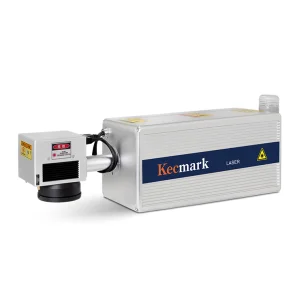
The core advantage of Kinray UV laser systems lies in the optical physics of 355nm light. At this frequency, materials have a much higher absorption rate compared to 1064nm (Fiber) or 10600nm (CO2) wavelengths. This high absorption rate allows the system to utilize lower power outputs to achieve superior contrast, effectively preventing the thermal melting and bubbling associated with infrared lasers.
| Material Type | CO2 Laser (10600nm) | Fiber Laser (1064nm) | UV Laser (355nm) |
|---|---|---|---|
| Polymers & Engineering Plastics | Poor (Melting/Burning) | Moderate (Variable Contrast) | Excellent (Cold / High Contrast) |
| Soda-Lime & Borosilicate Glass | Moderate (Surface Micro-cracking) | Poor (Transparent) | Excellent (No Cracking) |
| Ceramics & Semi-conductors | Poor | Moderate (Thermal Stress) | Excellent (High Resolution) |
Transitioning from standard nanosecond pulses to picosecond and femtosecond UV laser sources to virtually eliminate the Heat Affected Zone (HAZ) in medical catheter and micro-machining lines.
Closed-loop inline inspection systems. The laser marker auto-calibrates positioning and focal depth on irregular, 3D curved automotive components, immediately verifying readability of 2D data-matrix codes.
Native OPC UA and MQTT protocols built directly into the laser control boards, allowing Detroit assembly lines to seamlessly synchronize production metrics with central MES databases.
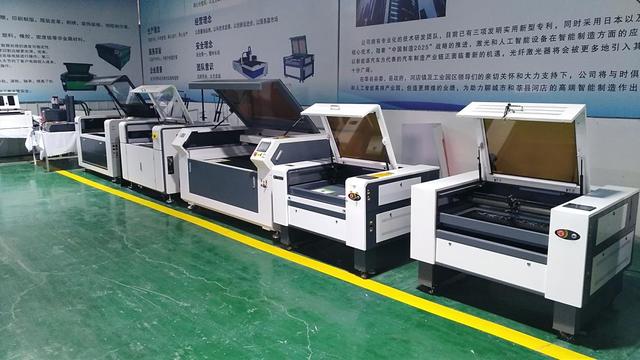
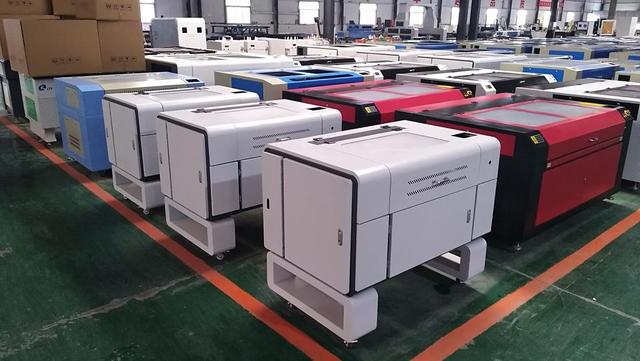
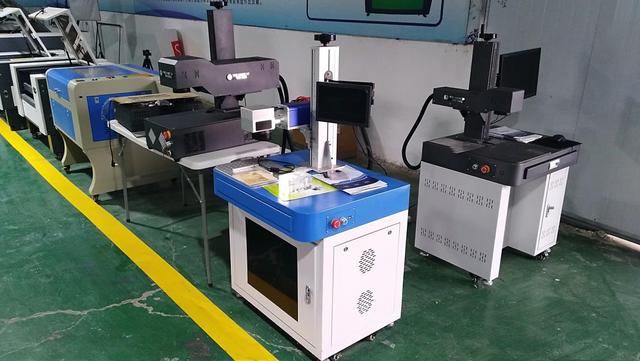
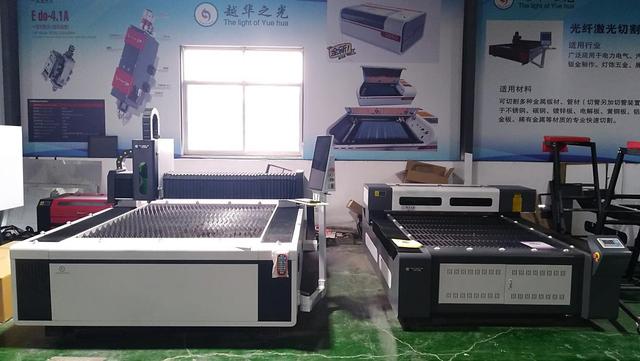
Hangzhou Kinray Laser Co., Ltd. is a leading China industrial laser marking machine manufacturer specializing in advanced fiber and UV laser solutions for global manufacturing industries. With a strong focus on innovation, precision, and intelligent manufacturing, Kinray Laser is committed to delivering high-performance laser equipment that improves production efficiency, product traceability, and marking quality.
Located in Hangzhou, China, the company integrates research and development, manufacturing, sales, and technical support to provide comprehensive laser processing solutions for customers worldwide. Our extensive product portfolio includes fiber laser marking machines, UV laser marking machines, CO2 laser marking systems, MOPA laser markers, flying laser marking machines, 3D laser marking equipment, and customized automated laser solutions.
Kinray Laser products are widely used in electronics, automotive, medical devices, precision hardware, jewelry, packaging, aerospace, consumer goods, and industrial manufacturing industries. Designed for high-speed, high-precision, and permanent marking applications, our systems are capable of processing a wide range of materials, including metals, plastics, ceramics, glass, and composite materials.
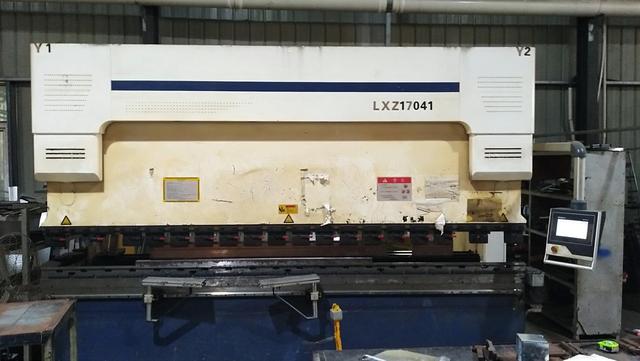
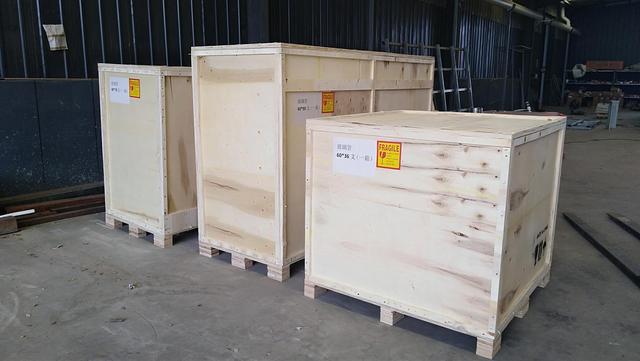
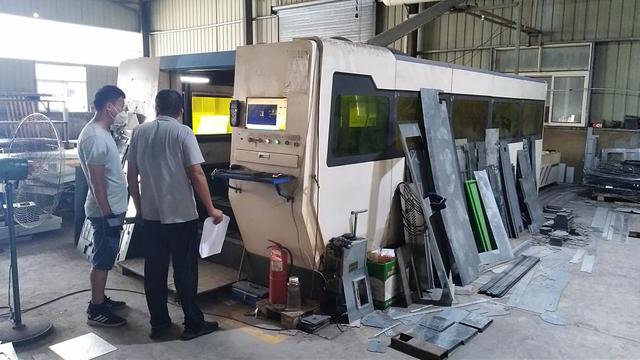
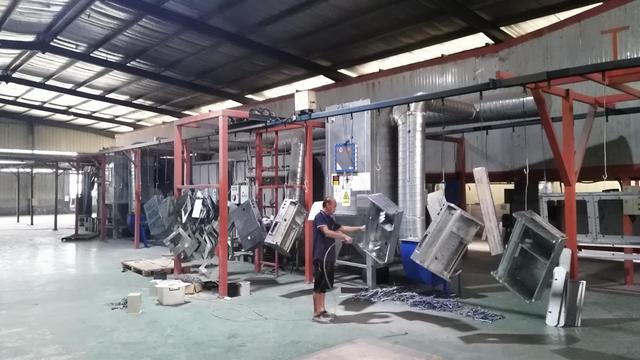
Equipped with advanced production facilities and rigorous quality management systems, Kinray Laser maintains strict quality control throughout every stage of manufacturing. Each machine undergoes comprehensive testing to ensure stable performance, reliability, and compliance with international standards. To support global customers, we offer flexible OEM and ODM services for distributors, system integrators, equipment brands, and industrial manufacturers. Our experienced engineering team works closely with customers to develop customized laser solutions tailored to specific production requirements, automation needs, and industry applications.
From automotive electronic control units (ECUs) to aerospace telemetry boards, modern precision parts cannot tolerate micro-fracturing or heat-induced alterations. Standard fiber lasers generate thermal stresses that can lead to micro-fissures in glass components or cause degradation in polymers. Our UV laser marking equipment addresses these constraints across key high-tech manufacturing niches:
Modern electric vehicles rely heavily on complex control networks. UV lasers are used to apply dense, high-contrast, microscopic data matrices on ECU housings, chipboards, sensors, and wire harnesses. Because the 355nm UV laser beam acts via molecular photoablation, there is zero risk of heat transferring to nearby delicate semiconductor channels, avoiding premature component failure.
Michigan's growing medical device corridor demands non-destructive marking methods that do not compromise the biocompatibility of polymer tubes, glass vials, and surgical instruments. Kinray UV lasers mark directly on plastics like PTFE, Pebax, and PEEK, creating dark, high-contrast marks without modifying the smooth surface finish of the device. This ensures zero risk of bacterial buildup or structural weakness.
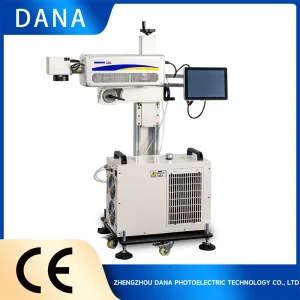
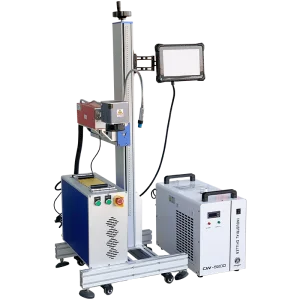
For high-throughput packaging environments, our flying UV laser marking configurations print clean, indelible expiration dates and tracking barcodes directly onto food-grade plastic films, high-density polyethylene (HDPE) containers, and glass packaging. Eliminating inks from these processes lowers operational costs, eliminates solvents from the production floor, and aligns facilities with sustainable green manufacturing protocols.
Contact our engineering specialists to discuss your application specs, run sample tests, or request a customized system quote.
Send Inquiry Now Kinray Laser